
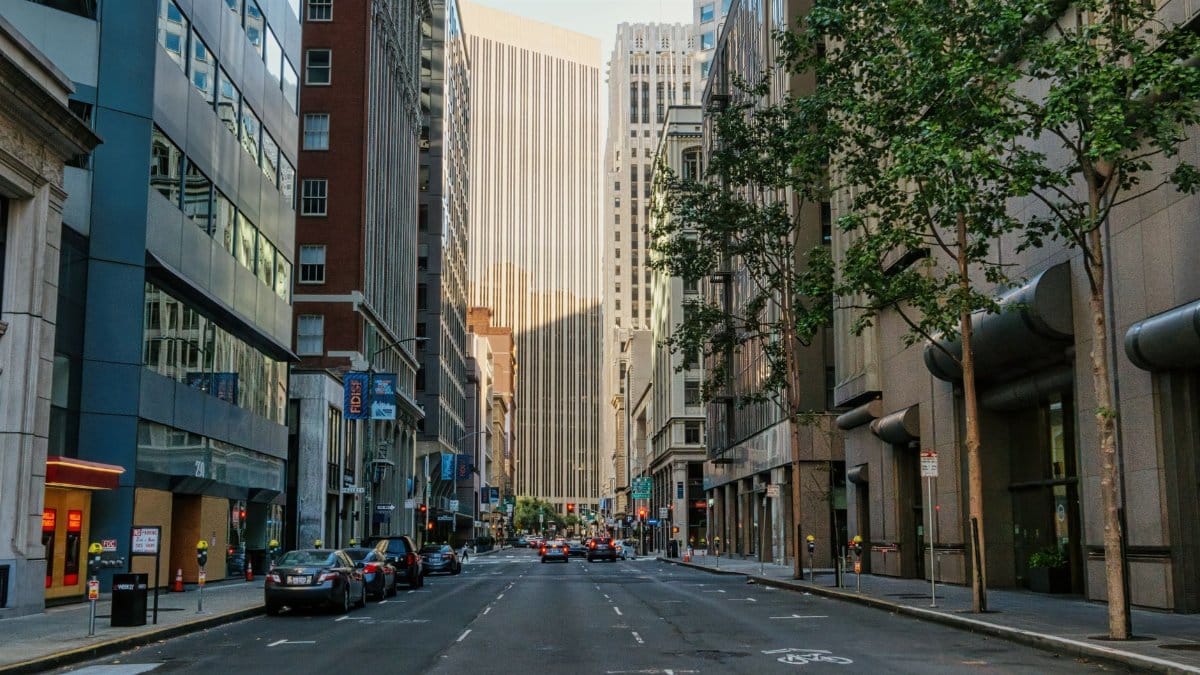
On a gray Saturday in the Mission District, a property manager slid a lease across a kitchen counter and never mentioned a free month. The printed special that once sat by the door was gone. Renters who learned this market during the pandemic still ask about it out of habit. They are usually told the unit is priced as listed, take it or leave it. SF rent concessions, the discounts and free months that softened sticker shock, have all but disappeared from the San Francisco market even as some East Bay buildings still advertise them.
The special that left the lobby
A concession is a discount dressed up as hospitality. It can be a month of free rent, a smaller deposit, a waived fee, or a gift card that covers a moving truck. During the pandemic those offers were ordinary in San Francisco. Offices emptied, roommates scattered, and landlords with new towers and older flats needed signatures. The sweetener was how they bought time.
That bargain has flipped. Tour a building south of Market or along the northern waterfront and the pitch is about light, a gym, and a firm start date. Ask about a free month and the answer is often a polite no, or a suggestion that the listed rent already reflects the market. The absence is easy to miss if you did not rent here in 2020 or 2021. For people who did, it feels like a different city.
How empty apartments rewrote the rules
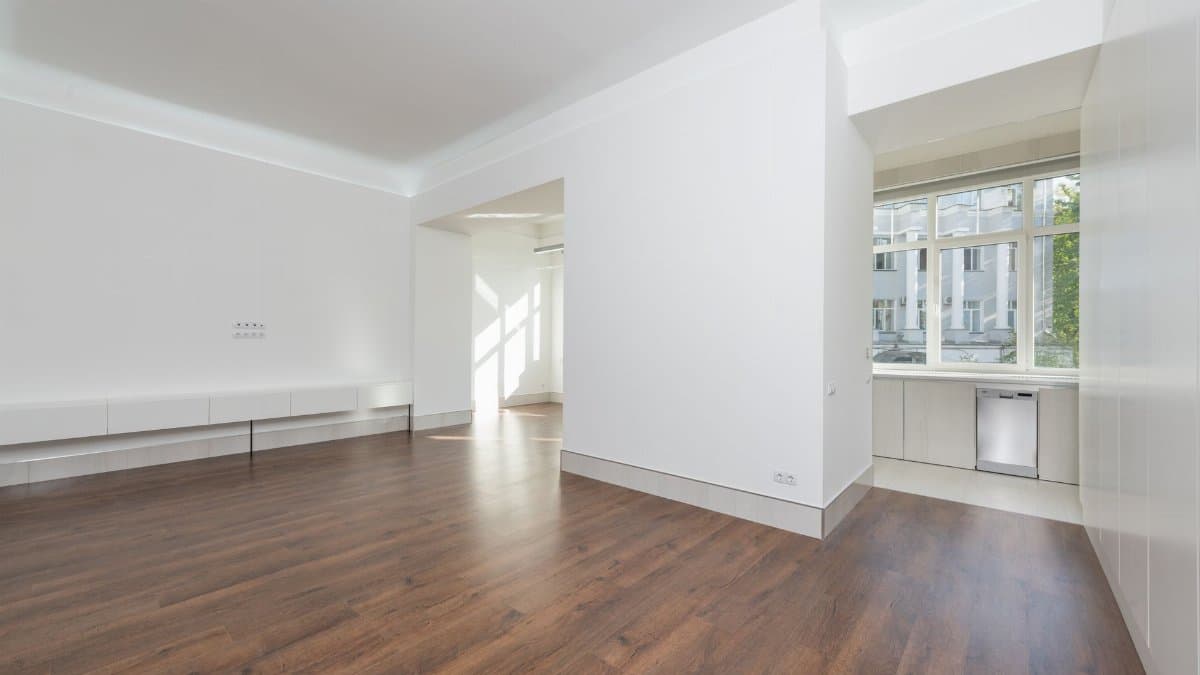
The pandemic did not invent landlord flexibility, but it made flexibility public. With so many units dark, owners competed in the open. A lease of twelve months might include one or even two months without rent. Some buildings covered application fees. Others threw in parking that would have been extra in a tighter year. Brokers talked about concessions the way grocers talk about weekly specials.
Renters learned to negotiate because negotiation worked. A household comparing three similar apartments could play one offer against another. That habit lingered after the health emergency faded. What did not linger was the surplus of empty homes. As tenants returned, and as new arrivals decided the city was worth the fare again, owners stopped paying people to sign.
A market that filled faster than the deals

San Francisco never became a cheap city. It became, briefly, a city where the advertised price was not the price you paid. Public rent indexes kept by Apartment List and Zillow have shown asking rents climbing back from their pandemic lows. That recovery is the backdrop for the vanished special. When a unit is likely to lease at the posted number, a landlord has little reason to give a month away.
Reporting in the San Francisco Chronicle describes a rental market in which giveaways have largely left San Francisco proper. The pattern matches what leasing agents describe on weekend tours: full buildings, shorter decision windows, and less appetite for custom deals. I have heard the same line from more than one broker this year. The rent is the rent.
Why Oakland still has room to bargain
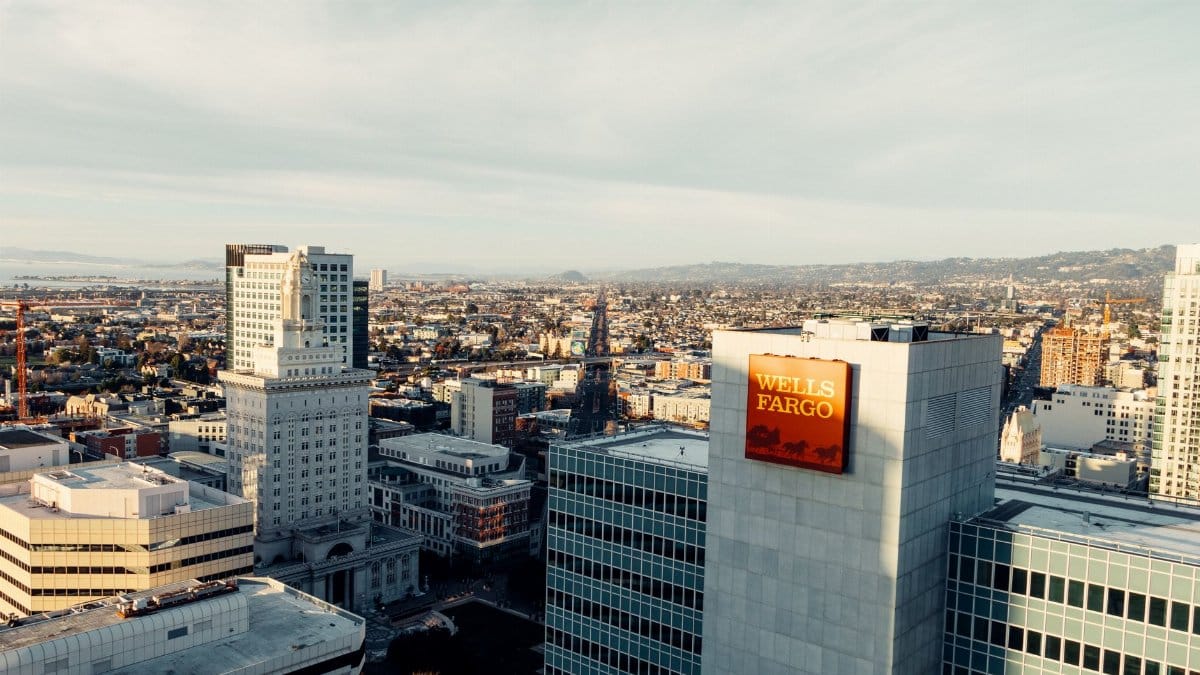
Cross the bay and the script changes. The same Chronicle reporting finds that concessions remain easier to find in Oakland, where some owners still use a free month or a reduced deposit to fill floors. The two cities share a regional economy and a transit map, yet they do not share the same vacancy pressure or the same mix of new construction. A renter willing to lengthen a commute can still shop for a sweetener that San Francisco listings no longer offer.
That gap matters for households doing real arithmetic. A month free on a lease in Oakland can offset a higher transit cost, at least in the first year. It can also mask a rent that jumps when the concession expires. The smart comparison is not the teaser. It is the total paid over the full term, including fees that are not refunded and any increase written into the renewal.
The number renters actually live with
Concessions distort the sticker in a way that monthly budgets feel later. A landlord who grants one free month on a lease of twelve months is cutting the effective rent by a fraction, not rewriting the second year. When SF rent concessions disappear, that hidden discount disappears with them. The household pays the posted figure from the first day, and the security deposit lands in full.
For a couple already stretching to cover groceries and childcare, the loss of a free month is not an abstract market signal. It is cash that must be on hand at signing. Moving costs do not shrink because the lobby flyer came down. People delay a move, take a smaller place, or add a roommate they would rather not have. The concession was never generosity in the moral sense. It was still a real transfer, and its absence is a real cost.
What owners are optimizing for

Landlords are not a single mood. A family that owns a four unit building in the Richmond faces different math than a fund that owns a tower. Both, though, watch the cost of a vacant month. If applicants are plentiful, holding out for the listed rent beats giving rent away. Insurance, interest, and maintenance did not fall just because tenants regained leverage. Owners who ate losses in 2020 are in no rush to repeat the experiment.
There is also a quieter reason specials vanish. A building that advertises a deep concession can signal distress. In a tighter market, that signal is a liability. Managers would rather adjust the asking rent in small steps than train renters to wait for a deal. Once the culture of the free month breaks, it takes another shock to bring it back.
Reading the data without inventing certainty

Housing numbers are messy. Asking rents are not the same as rents people actually pay, especially in a city with a large stock covered by rent control. A concession on a new lease does not show up the same way in every index. Some trackers capture advertised specials. Others do not. Anyone quoting a single percentage drop in giveaways should say which buildings were counted and which were ignored.
What can be said with a straight face is narrower and still important. SF rent concessions are no longer a standard feature of the San Francisco search, while Oakland listings are more likely to mention them. National rent reports from Apartment List place the city among the expensive markets again after the pandemic dip. The Census Bureau remains the broad public record on vacancy and tenure, and local conditions move faster than those surveys. Treat any one chart as a clue, not a verdict.
Who feels the door close first

When specials fade, they do not fade evenly. Applicants with savings, a guarantor, and a pristine credit file can still compete on price alone. Applicants who needed the free month to assemble a deposit cannot. Service workers, new graduates, and people rebuilding after a job loss meet a market that assumes cash is ready. The concession era, for all its chaos, opened a side door. That door is mostly shut.
Roommates are the old San Francisco answer, and they are back in force. So is the long search: more open houses, more applications, more units lost to someone who can sign the same day. None of this is new to a city with a chronic housing shortage. What is new is the memory of a brief period when the shortage blinked. People who arrived in that blink are learning that the blink ended.
How to search when nothing is free

A renter without a concession still has levers, just smaller ones. Compare the full cost of the lease, not the headline. Ask whether fees for parking, pets, or amenities are negotiable even if rent is not. Read the clause on renewal so a friendly first year does not hide a sharp second year. If a building in Oakland offers a month free, put that offer beside a San Francisco unit with no special and a shorter commute. The winner is whichever total you can actually pay.
Timing still matters. Winter can be quieter than late summer, when students and new hires flood the search. A landlord with a single stubborn vacancy may still deal, even if the website does not say so. That is a private exception, not a market wide return of SF rent concessions. Expect the listed price to be the starting point, and expect to decide quickly when a decent unit appears.
The human weight of a posted rent
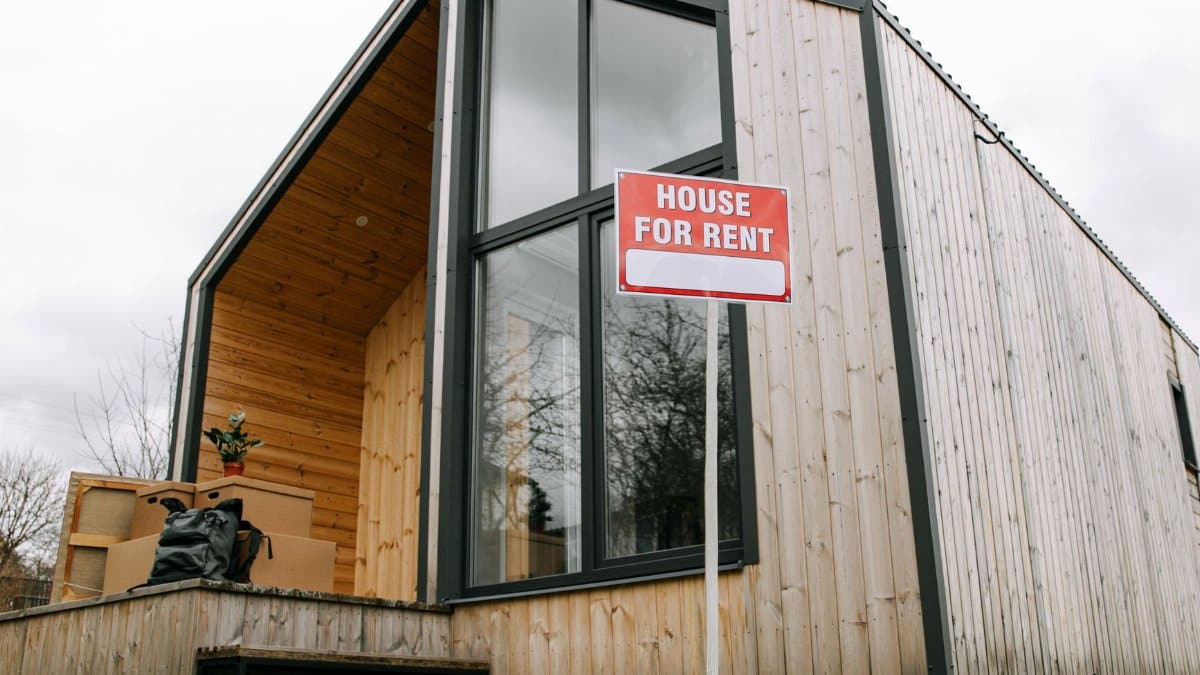
Housing talk slides easily into charts and then forgets the evening the chart describes. A lease is a claim on ordinary life: where you sleep, who you see, how long the trip home takes, whether the street feels safe after dark. When the free month vanishes, the city is saying that claim costs more up front. Some households can absorb that. Others will live farther out, or leave, or stay in a place they have outgrown because moving has become a luxury.
There is no spiritual bypass around a rent check. There is only the older question of what a home is for. Shelter, work, friendship, and the small rituals that make a week feel like yours. San Francisco is again pricing that package without a discount code. Oakland, for now, still prints a few. The distance between those two facts is a bridge, a fare, and a choice about how much of a life you are willing to spend getting back to your own front door.