
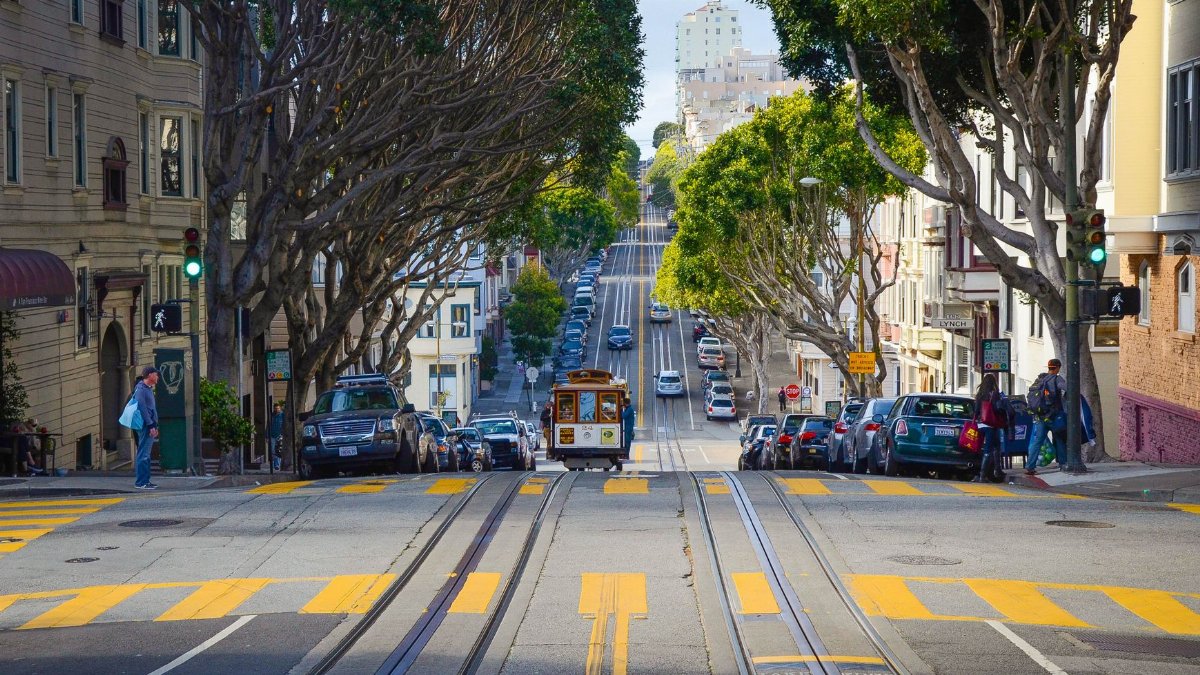
The bell rings, the gripman leans into the lever, and a car full of strangers climbs a hill that no bus is asked to treat as theater. For more than a century that short performance has been part of how San Francisco introduces itself to the world. The price of admission has now moved by a wider margin than at any point in the modern life of the line. The board of the San Francisco Municipal Transportation Agency has approved the largest increase on record in the cable car fare, linking the new charge to higher wages, aging machinery, and a maintenance burden that ordinary farebox math cannot ignore. Riders will notice it at the turnstile. The agency hopes the rest of the network will notice it as a little more room to breathe.
What the board actually changed
For years the single ride stood at eight dollars, a figure that already looked steep beside a bus or a train and still failed to cover what the cars cost to run. The new charge is not a rounding error or a seasonal tweak. It is a reset, the kind of jump that forces hotels, tour desks, and family itineraries to rewrite a line item they had treated as fixed. Agency leaders framed the vote as a recognition of reality rather than a punishment of visitors. Cable cars are transit, but they are also a protected historic machine, staffed and maintained in ways a modern rail car is not. When the board raised the price, it was admitting that nostalgia has an operating budget.
The politics of the vote were quieter than the symbolism. Cable cars carry a small share of daily trips in a city that moves hundreds of thousands of people by bus, train, and streetcar. They occupy an outsized place in photographs, in civic identity, and in the arguments people make about what San Francisco owes its past. Raising the price is easier to defend on a spreadsheet than on a postcard. That tension sat in the room even if it did not decide the outcome.
Why these cars refuse to get cheaper
A cable car is not a vehicle that rolls out of a factory and onto a route. Each car is a wooden, steel, and leather assembly kept alive by crews who learn a craft that almost no other American city still practices. Two workers typically staff a car. The gripman handles the lever that clamps the moving cable. The conductor manages the brake, the fares, and the crowd. That labor model alone separates the service from a bus driven by one person. Add inspectors, carpenters, machinists, and the crews who watch the cables running under the street, and the payroll becomes the dominant fact of the system.
The machinery is equally stubborn. Cables wear. Sheaves and pulleys need constant attention. The powerhouse that drives the lines is a piece of industrial history asked to perform like a utility. When something fails, the fix is often custom, slow, and expensive. There is no national market of interchangeable parts waiting on a shelf. Preservation is the point, and preservation does not scale the way a bus fleet does. Officials have long described the cable cars as among the costliest rides in the network on a per passenger basis. The latest increase is an attempt to narrow a gap that wages, materials, and insurance have been widening for years.
Who pays, and who rarely does
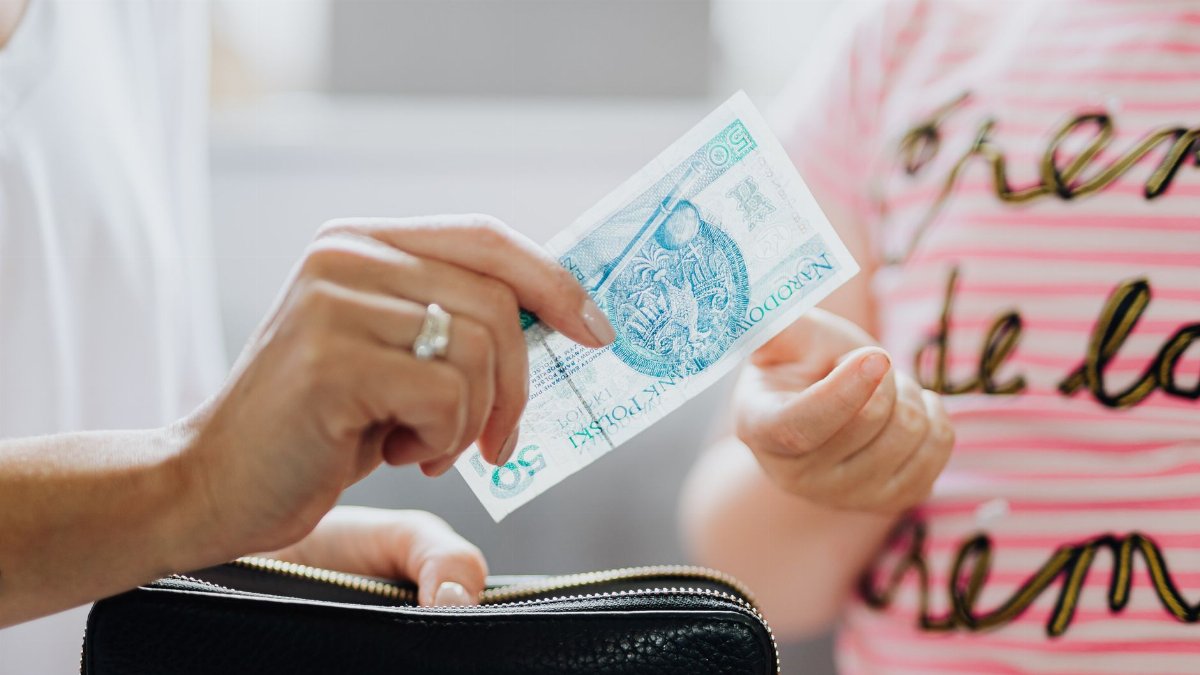
Most people who hand over a cable car fare are not commuting. They are visitors stacking the ride onto a day that already includes a hotel, a meal, and a view. Residents with a monthly pass have often been able to board without treating the trip as a separate purchase, which means the political pain of a higher cash fare falls mainly on people who do not vote in San Francisco. That fact makes the increase easier to pass and harder to defend in the language of equity that the agency uses everywhere else.
Locals still ride. Some use the California Street line as a genuine hill climber between downtown and neighborhoods to the west. Others take children or visiting relatives because the car is the family story they want to tell. For them the new price is a nuisance more than a barrier, especially if a pass still covers the trip. For a tourist family of four buying single rides, the arithmetic changes the afternoon. A once casual add on becomes a decision. That is the quiet redistribution inside the vote: the icon stays public, but a larger share of its glamour is billed to people passing through.
A price with a long memory
The cars began as a practical answer to hills that horses could not manage. Fares in the early decades were small even for their time, a few cents for a ride that replaced a brutal climb. Across the twentieth century the price rose in steps that, taken one by one, rarely shocked anyone. Inflation, new ownership, and the famous rescue of the system from replacement all left marks on the fare card. What distinguishes the present decision is the size of the single step, not the mere fact of an increase.
That history matters because riders remember the last number they paid, not the century of increments behind it. An eight dollar ride already felt like a premium. A much larger charge feels like a category change, from transit souvenir to paid attraction. The agency can argue, correctly, that the cars never were a bargain to operate. The public argument is harder. People compare the new price with the price they paid on a previous visit, not with the cost of a custom cable or a gripman salary. Memory, not the ledger, sets the sense of fairness.
The budget pressure behind the symbol
San Francisco transit has been living with a structural gap since the pandemic emptied downtown offices and thinned the farebox. Federal relief delayed the reckoning. It did not cancel it. Service, wages, and a sprawling capital plant still have to be paid for in a city where sales tax, parking revenue, and downtown recovery have not returned to the old pattern. In that climate every durable revenue idea gets a hearing, including ones that touch beloved objects.
The cable car increase will not close a systemwide deficit. The cars do not carry enough people for their fares to rescue the buses. What the increase can do is shrink a conspicuous subsidy and signal that no mode is exempt from the math. Supporters on the board have described that signal as part of the point. Critics hear a different message: that the agency will reach first for charges that land on visitors and on discretionary trips, while the harder fights over service frequency and local taxes remain unfinished. Both readings can be true at once.
Merchants, crews, and the view from the sidewalk
Along Powell Street the cable car is not only a ride. It is the reason some people stop, buy a coffee, and take a photograph that keeps a storefront in business. Merchants who depend on that pause tend to worry less about the exact fare than about whether the line at the turntable still forms. A higher price that shortens the line would hurt them more than a higher price that people grumble about and pay. Early reaction in the visitor economy has been wary rather than alarmed. San Francisco already asks tourists to absorb high hotel rates and restaurant checks. One more premium, attached to the single most famous vehicle in the city, may fold into the cost of the trip.
Crews see a different ledger. A fare increase does not automatically raise a gripman wage, but it does make the work look less like a subsidized pageant and more like a job the public is willing to fund. Workers have spent years explaining that the romance of the ride is also a set of physical risks: the lever, the brake, the crowd, the hill. When the price rises, some of them hear a belated respect for that labor. Others worry that a luxury price will bring luxury expectations, and that a disappointed visitor will take those expectations out on the conductor.
Maintenance that cannot wait for a better year
The official case for the increase leans hard on upkeep. Historic systems do not fail all at once in a way that makes for an easy headline. They fail in small, expensive pieces: a cable that must be replaced sooner than planned, a wood repair that cannot be deferred because the car is in daily service, a turnout or a depression in the street that becomes a safety issue if ignored. The agency has argued that a higher fare helps pay for that unglamorous list, and for the larger work of keeping the three lines trustworthy.
Trust is the right word. A cable car accident, even a minor one, lands differently from a fender bender on a bus route. The cars are slow, exposed, and full of people who are looking at the view instead of the rail. Maintenance is not a slogan in that setting. It is the condition of the next safe trip. Whether fare revenue is formally dedicated to that work or simply poured into a general fund is a question riders rarely ask and auditors always should. A price increase sold as maintenance ought to be traceable to maintenance. If it is not, the next debate will be uglier than this one.
An icon priced like an attraction
Compare the ride with other things visitors buy in the same afternoon and the new fare looks less shocking. A boat to a former prison, a ticket to an observation deck, a reserved table with a bridge view: all of these already sit in a range that treats San Francisco as a destination rather than a bargain. The cable car has been drifting toward that company for years. The latest vote completes the drift. It says the experience is closer to a paid landmark than to a transfer on the way to work.
That comparison is also a warning. Attractions compete on delight, and delight is fragile. If the car is delayed, overcrowded, or curt, a premium fare turns irritation into a story people tell at home. The agency cannot control the fog or the hills. It can control whether the boarding process feels fair, whether staff have time to be human, and whether the ride still lasts long enough to justify what people paid. Price and experience now have to match more closely than they did at eight dollars.
What a higher fare will not solve
No fare increase repairs the larger story of downtown recovery, housing costs, or the time it takes to cross the city by bus. It will not rebuild trust among riders who gave up on frequency. It will not settle how San Francisco should tax itself for transit once emergency aid is gone. Those arguments remain, and they are the ones that determine whether a nurse on a night shift can get home. Treating the cable car vote as a stand in for that debate flatters the symbol and neglects the system.
There is a narrower honesty available. The cars are worth keeping. Keeping them costs more than the old price admitted. Visitors, who receive much of the pleasure, can carry more of the bill without pretending that the bill was small. Residents can insist that passes still open the door, so the hill does not become a private show. None of that requires romance. It requires a clear account of who rides, who pays, and what the money is for.
The next season on the hills
The first weeks under the new price will be a test of habit more than of ideology. Some visitors will pay without looking. Some will skip the ride and watch from the sidewalk, which is free and, on a clear day, almost as good. Hotels will update the cards they hand to guests. Tour companies will decide whether the car stays in the package or becomes an option. The turntable at Powell and Market will keep turning either way. Wood and steel do not care what the fare card says.
What the city should watch is simpler than the rhetoric around an icon. Do the cars stay safe and frequent enough to deserve a premium. Does the extra revenue show up in cables, brakes, and barns, or does it vanish into a deficit that the cable car fare was never large enough to fill. And do San Franciscans still feel that the ride belongs to them, even if a stranger is more likely to buy the ticket. The board has set the price. The hills will decide, in the ordinary way of public things, whether the price was a fair description of the work.