
The clerk read the roll in a room that had grown unusually still. Boston’s City Council, a body more accustomed to hearings and resolutions than compulsory process, voted to require the region’s transit chief to appear and answer questions about a street that runs through the heart of Mattapan and Dorchester. Phil Eng subpoena Blue Hill is now the shorthand for a clash over money, trust, and who decides how a neighborhood moves.
A vote that broke with habit

City councils subpoena agency leaders only rarely. The power exists, but using it signals that ordinary invitations have failed. Council members framed the vote as a last resort after months of requests for documents and testimony about the Blue Hill Avenue redesign. They argued that a project of this scale, priced at 164 million dollars, cannot proceed on courtesy alone when residents say the plans do not match what they were promised.
The Massachusetts Bay Transportation Authority sits outside City Hall’s direct chain of command. Its general manager, Phil Eng, answers to a state board and a governor, not to a municipal majority. That structural distance is precisely why the subpoena matters. It is an attempt to pull a state executive into a local record, under oath or under the threat of it, on a corridor the city experiences every day.
What Blue Hill Avenue is being asked to become
Blue Hill Avenue is not a blank slate. It is a commercial spine, a bus route, a place where double parked cars, church traffic, and late buses already compete for the same asphalt. Planners have long described a center running bus lane, rebuilt stops, safer crossings, and a street that might finally give the route the reliability riders have demanded for years.
Supporters see a correction of decades of neglect. Opponents, and a large share of skeptical neighbors, see a design imposed from above: fewer places to stop a car in front of a shop, construction that could last years, and a fear that faster buses will come at the cost of businesses that survive on curb access. Both readings can be true at once. The avenue can need better transit and still be vulnerable to a plan that treats local commerce as an afterthought.
Why the council reached for a subpoena
The stated grievance is not simply disagreement with bus lanes. It is access. Council members have said publicly that they want Eng, or senior staff with authority to speak for him, to explain schedule, cost, design changes, and the record of community meetings. A voluntary briefing can be managed. A subpoena, if enforced, narrows the room for delay.
Phil Eng subpoena Blue Hill also reflects a political calculation. Members who represent the corridor face constituents who feel unheard. A vote to compel testimony is a visible act. It tells those constituents that City Hall tried something stronger than another letter. Whether that act produces new facts is a separate question, and one the council cannot answer until Eng responds.
The general manager and the agency he leads
Phil Eng arrived at the MBTA with a reputation built on operations: signals, slow zones, the unglamorous work of making trains and buses run. Blue Hill Avenue is a different kind of test. It is capital planning braided with street design, city permits, and neighborhood politics. A general manager can delegate drawings. He cannot delegate the perception that the agency is listening.
The MBTA’s recent history makes skepticism rational. Riders have lived through shutdowns, speed restrictions, and promises that slipped. When the same institution arrives with a 164 million dollar vision for one avenue, people ask who benefits if the vision is wrong. That question is fair even if the engineering is sound.
Money on a single corridor

One hundred sixty four million dollars is not an abstract figure on Blue Hill Avenue. It is larger than many city budgets for entire departments. It implies federal and state participation, multi year construction, and a claim on scarce capital that could have gone to stations, garages, or other bus corridors. Residents are entitled to know what is in the number: construction, vehicles, utility work, contingency, and what happens if bids come in high.
Cost also shapes trust. If early estimates rise, people who already doubt the design will read the increase as proof of carelessness. If the agency cannot explain the estimate in plain language, the council’s subpoena will look less like theater and more like a necessary audit. Transparency is not a courtesy in a project this large. It is part of the work.
Riders, shopkeepers, and the same block
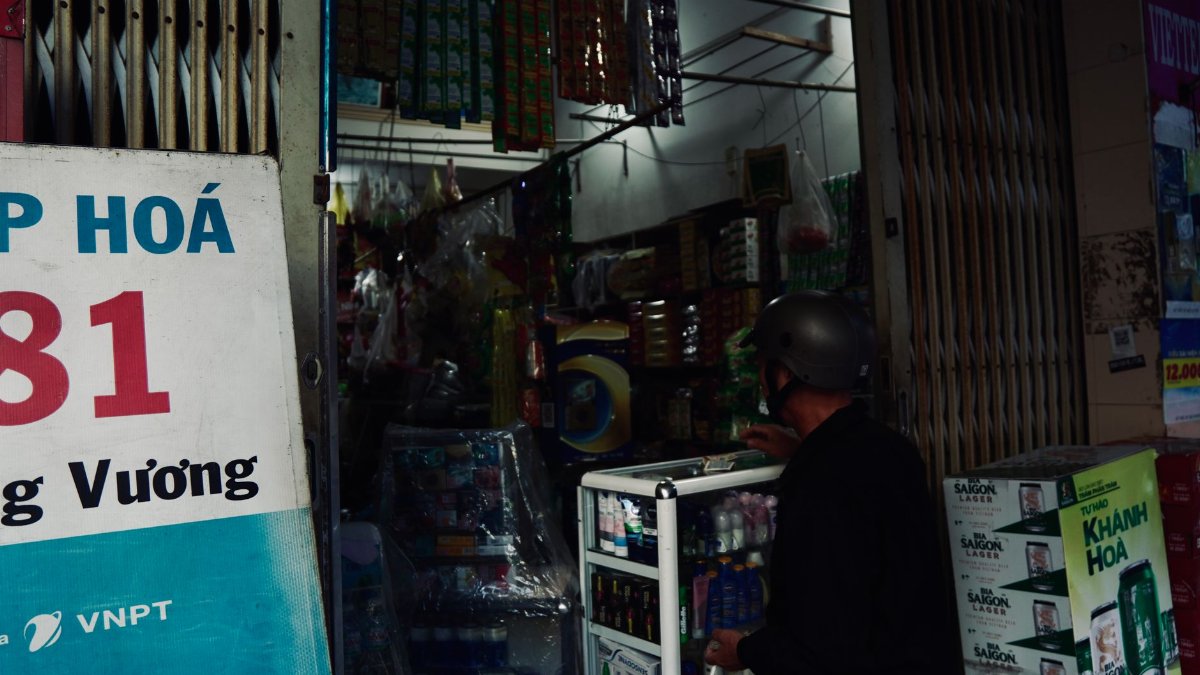
The people most affected do not share one interest. A home health aide waiting in the rain for a bus that bunches with the one behind it wants frequency and a lane that buses can actually use. A grocer who depends on fifteen minute stops wants a curb that still functions. A parent walking a child to school wants crossings that do not require a sprint. A redesign that serves only one of those needs will fail in public even if it succeeds on a planning metric.
Good process does not mean unanimous consent. It means the tradeoffs are named before the concrete is poured. On Blue Hill Avenue, those tradeoffs have been argued in church basements and comment periods for years. The council vote suggests that argument has not yet produced a shared account of what was decided and why.
What a subpoena can and cannot do

A subpoena can force an appearance and a paper trail. It can put answers on a public record that reporters, lawyers, and residents can read later. It cannot design a better street. It cannot make a state agency prefer a city’s timeline. If Eng challenges the subpoena, the fight may move to court, where the question becomes legal authority rather than bus lanes. That detour would delay the very clarity the council says it wants.
Enforcement is the quiet part of the story. Municipal subpoenas aimed at state officers sit in an uneasy zone. Governors have defended agency independence before. If the administration treats the vote as an overreach, the council may win a headline and lose the documents. Phil Eng subpoena Blue Hill will then become a case about separation of powers as much as about a roadway.
The state’s interest in a city street
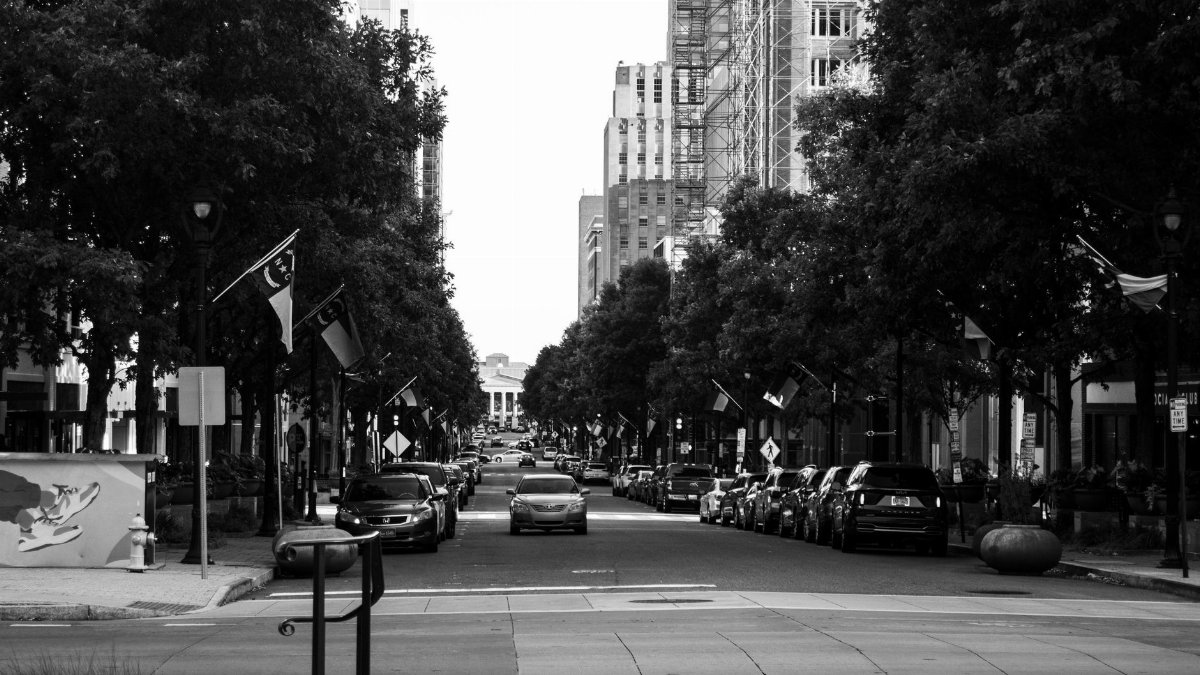
Blue Hill Avenue is a city street carrying a regional bus. The MBTA has an interest in speed and reliability that extends beyond one ward. The city has an interest in land use, small business, and the daily life of people who are not riding. Neither interest cancels the other. Projects fail when one government treats the other as an obstacle rather than a co author.
State officials can reasonably argue that transit design should not be rewritten by every municipal vote. City officials can reasonably argue that a street used as a main street cannot be redesigned as if it were a highway shoulder. The subpoena is a blunt instrument for a negotiation that should have happened earlier, in rooms where both sides had to stay until the maps made sense.
Community meetings and the gap they left

Public meetings are easy to count and hard to trust. Attendance sheets do not show who was working a night shift. Slide decks do not show whether comments changed a lane width. Residents along Blue Hill Avenue have described sessions that felt informational rather than deliberative: here is the plan, here is the comment card, here is the schedule. If that description is accurate, the council’s impatience is understandable. If it is incomplete, Eng has every reason to bring the full record and let it speak.
Language access, meeting times, and the difference between a presentation and a choice all belong in that record. A corridor with many immigrant owned businesses cannot be consulted only in English, only at 6 p.m., and only after the preferred alternative is already drawn. Those are not decorative concerns. They determine whether consent was real.
Safety claims under scrutiny
Planners often justify center bus lanes and rebuilt crossings with crash data and speed studies. Those claims deserve a hearing, not a shrug. If Blue Hill Avenue has a pattern of injuries at certain intersections, a redesign that slows turning cars and shortens crossings can save lives. The council should ask for the data, the years covered, and the comparison streets. Residents should be able to see whether the dangerous spots on the map match the corners they already avoid.
Safety language can also be used to close debate. A project is not automatically just because it is labeled safer. The question is safer for whom, at what cost to access, and whether a narrower intervention could capture most of the benefit. That is a technical argument. It is also a moral one, and it belongs in the hearing the council is trying to compel.
Business displacement without a wrecking ball

Displacement on a commercial avenue does not always look like a demolition notice. It can look like two years of torn up sidewalks, lost parking during construction, and customers who learn a new route and never return. For a restaurant with thin margins, a season of detours is an existential event. The redesign’s supporters need a construction plan that treats that risk as a design constraint, not a public relations problem to be managed after the fact.
Mitigation is specific or it is nothing: loading zones that survive the project, temporary signs people can actually follow, grants or fee relief timed to the months when revenue drops. If those measures exist only as aspirations, the subpoena should drag them into daylight. Phil Eng subpoena Blue Hill is, in this sense, a demand that mitigation be as concrete as the lane markings.
Riders who have waited long enough
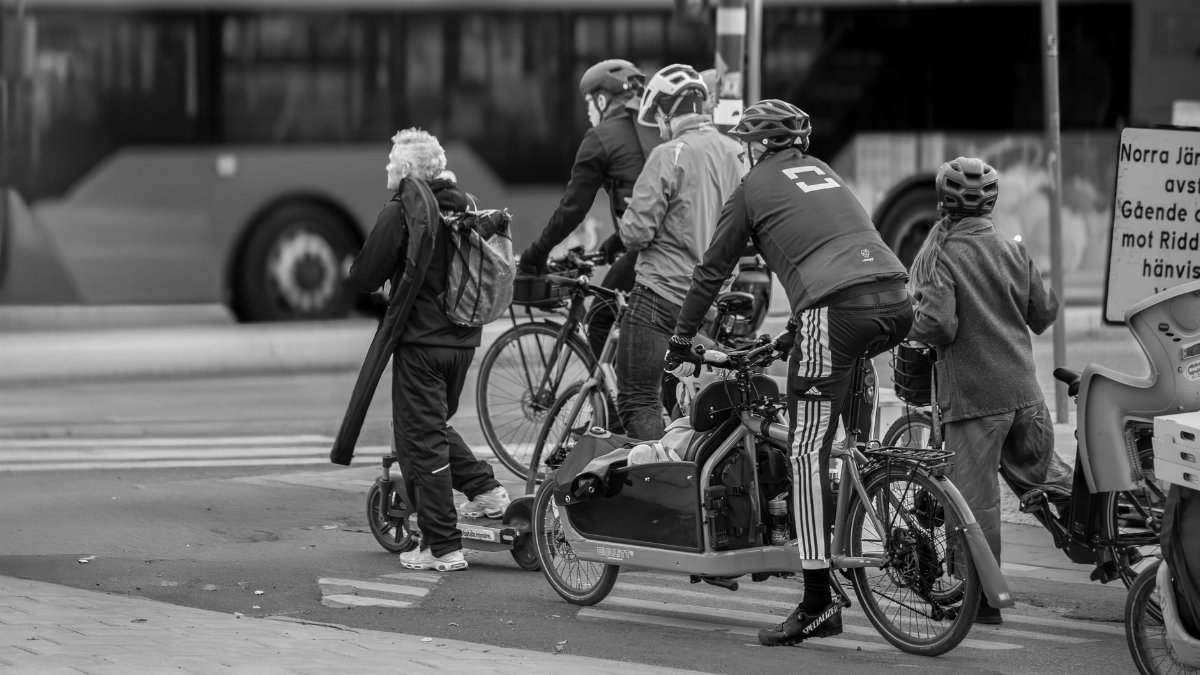
There is another injustice in delay. People who ride the buses on this corridor have waited through studies, pilots, and political seasons. Every month without a reliable lane is a month of late shifts and missed appointments. A council fight that stretches into litigation could freeze a project some riders consider overdue. Accountability and speed are both legitimate. Pretending they never conflict is how both sides talk past the people standing at the stop.
A responsible hearing would ask not only what went wrong in outreach but what can still be built on a timetable riders can see. Phasing matters. So does a promise about what will not be cut when bids rise. Eng is in a position to make those commitments or to explain why he cannot. Silence, at this point, helps no one who depends on the route.
How other cities have handled the same fight

Bus priority on commercial avenues has produced the same argument in many American cities. Merchants fear the curb. Advocates cite travel time. Mayors split the difference with pilot lanes that can be removed. Some pilots become permanent because the buses actually run better and the shops survive. Others are torn out because the politics never settled. Boston is not unique in facing this choice. It is distinctive in reaching for a subpoena rather than another pilot memorandum.
That choice raises the stakes. A pilot can be reversed without a constitutional footnote. A compelled appearance of a state transit chief becomes precedent. Future councils may cite it. Future general managers may arrive at neighborhood meetings already braced for legal process. Whether that produces better projects or colder ones depends on what this hearing, if it happens, actually yields.
What residents should watch for next

The next weeks will show whether the vote was leverage or a dead end. Watch for a date, a witness list, and a document demand that is specific enough to matter: cost breakdowns, meeting summaries, design alternatives rejected and why, construction sequencing, and any agreements with the city on curb use. Vague requests produce vague appearances. Precise ones produce a record.
Watch also for how Eng answers, if he answers. A general manager who treats the council as a partner can still defend the project and change the parts that do not hold up. A general manager who treats the subpoena as an insult can win a procedural fight and lose the neighborhood. Phil Eng subpoena Blue Hill will be remembered less for the vote than for what follows it.
A corridor that will outlast the hearing
Blue Hill Avenue will still be there when the legal questions fade. Children will still cross it. Buses will still bunch or, if the project works, stop bunching. Shops will still need customers who can reach the door. The council’s rare vote does not settle those facts. It only insists that the person charged with the transit side of the plan must face the people who live with the result.
I have covered enough infrastructure fights to know that compulsion is a poor substitute for earlier honesty. It is also, sometimes, the only tool left when invitations are ignored. The measure of this moment is simple. If the hearing produces a clearer plan, a truer account of cost, and changes that reflect what neighbors actually said, the subpoena will have done civic work. If it produces only a standoff between City Hall and the State House, the avenue will keep waiting, and the waiting will keep costing the people who can least afford it.