
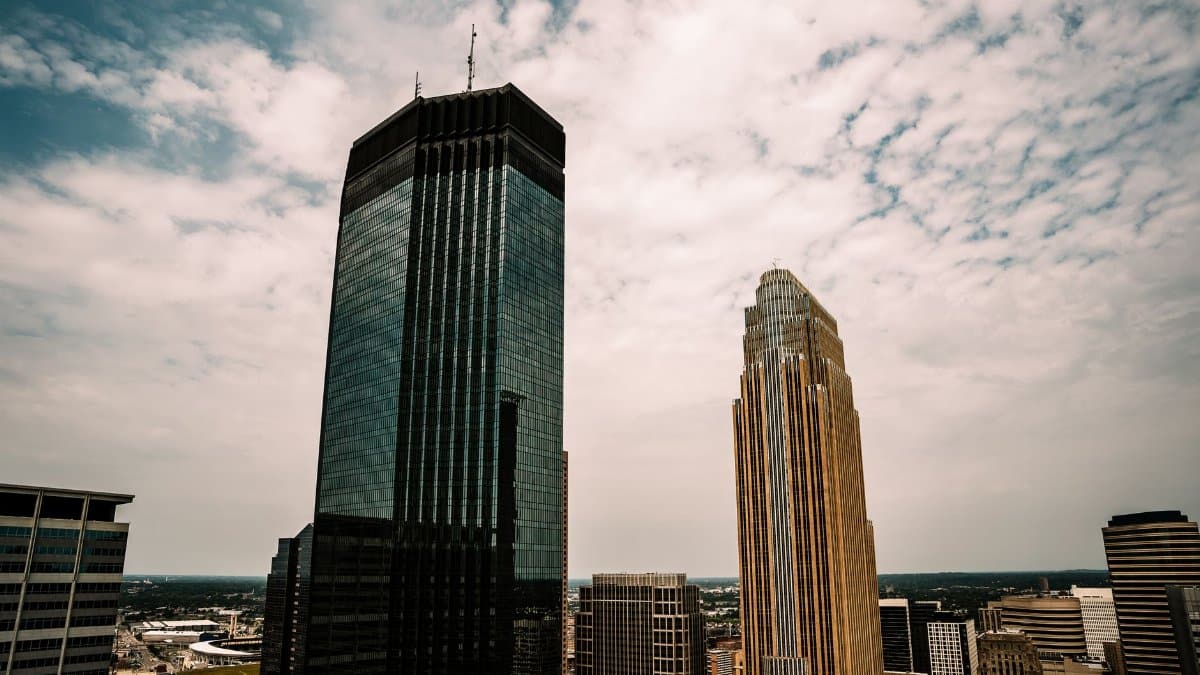
On a sweltering July afternoon the streets of Minneapolis shimmered under an intense sun. Residents sought shade wherever possible as temperatures climbed to levels rarely seen so early in the season. The Twin Cities heat wave brought with it oppressive humidity that made even short walks feel exhausting. Officials warned everyone to stay indoors during peak hours while emergency crews prepared for a surge in heat related calls. Local parks filled with families hoping to catch a breeze near the lakes yet many found little relief as the air hung heavy and still. This event marked the hottest day of the year so far and left the entire metro area grappling with conditions that tested both infrastructure and personal endurance.
Record Temperatures Across the Region
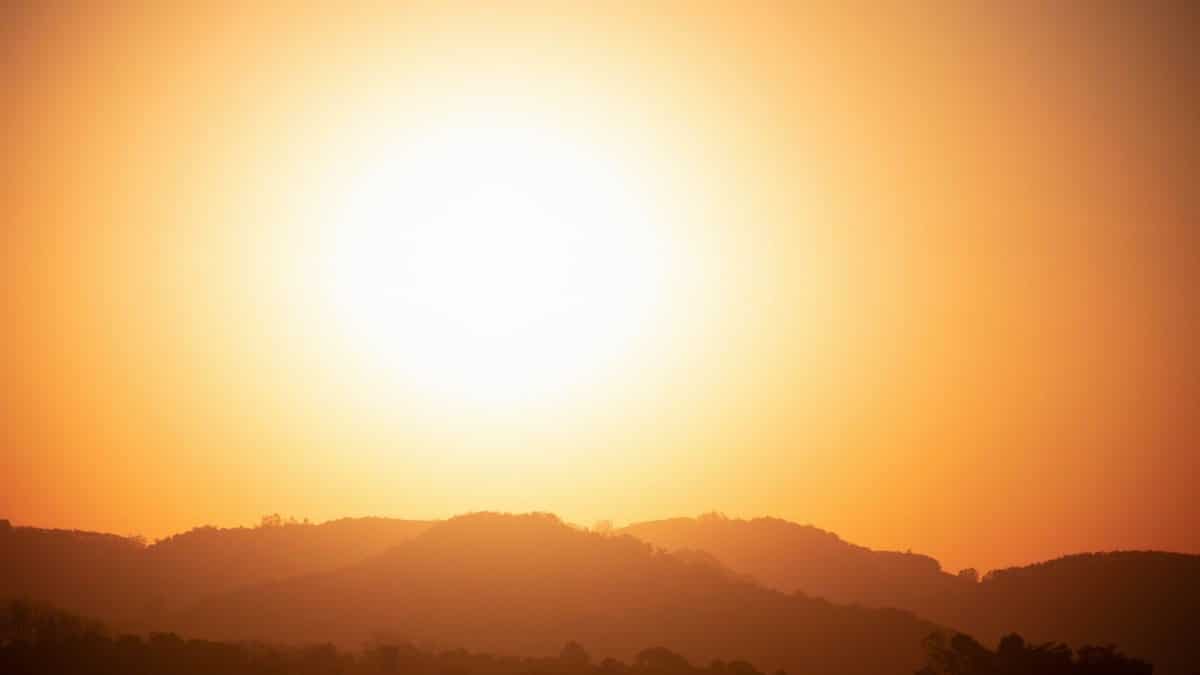
Minneapolis reached 99 degrees on July 27 2026 according to official readings. Surrounding areas reported similar peaks with heat indices climbing into the range of 100 to 110 degrees over much of Minnesota. Such figures placed the day among the most extreme in recent memory for midsummer. Meteorologists noted the combination of high air temperatures and moisture from the south created a stifling environment that lingered well into the evening.
Effects on Local Residents
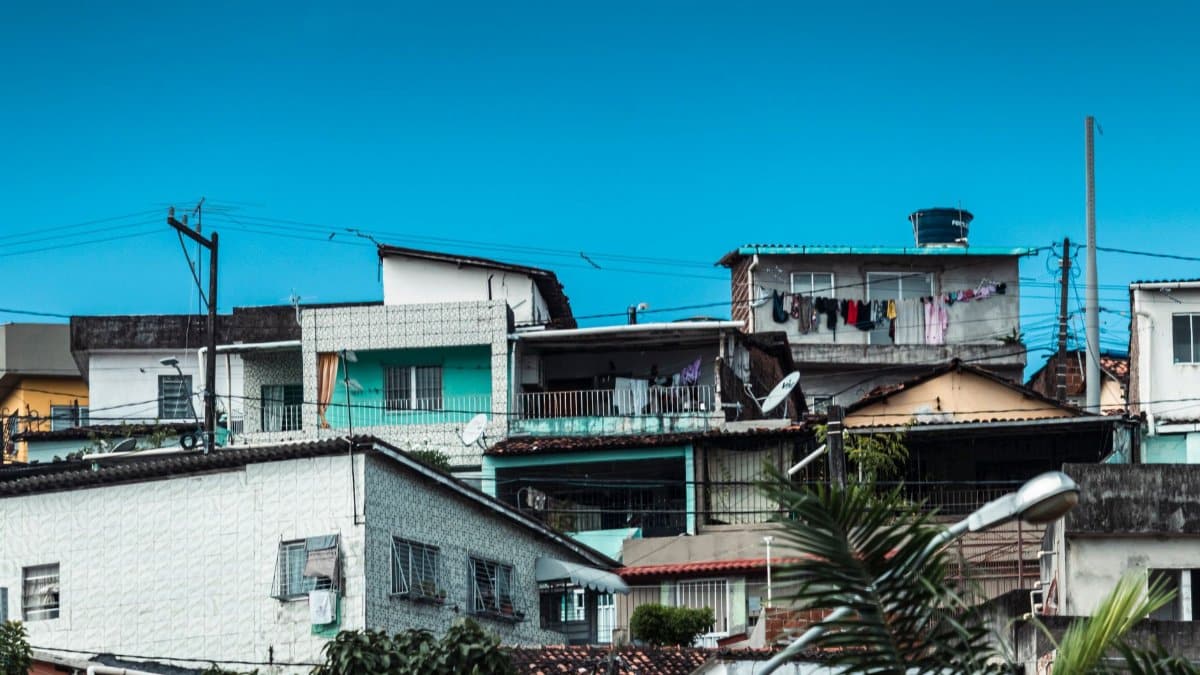
Many people altered their routines to cope with the conditions. Outdoor workers started shifts before dawn and finished by midday. Families postponed picnics and yard projects while seniors remained in air conditioned spaces for safety. Retail stores saw increased sales of fans and bottled water as shoppers stocked up for the duration.
Public Health Concerns Rise

Hospitals treated a steady stream of patients suffering from dehydration and heat exhaustion. Health departments issued repeated reminders about hydration and rest. Those without home cooling options visited libraries or malls to escape the worst of the heat. Officials stressed extra caution for children and the elderly who face greater risks during prolonged spells.
Power Grid Under Strain
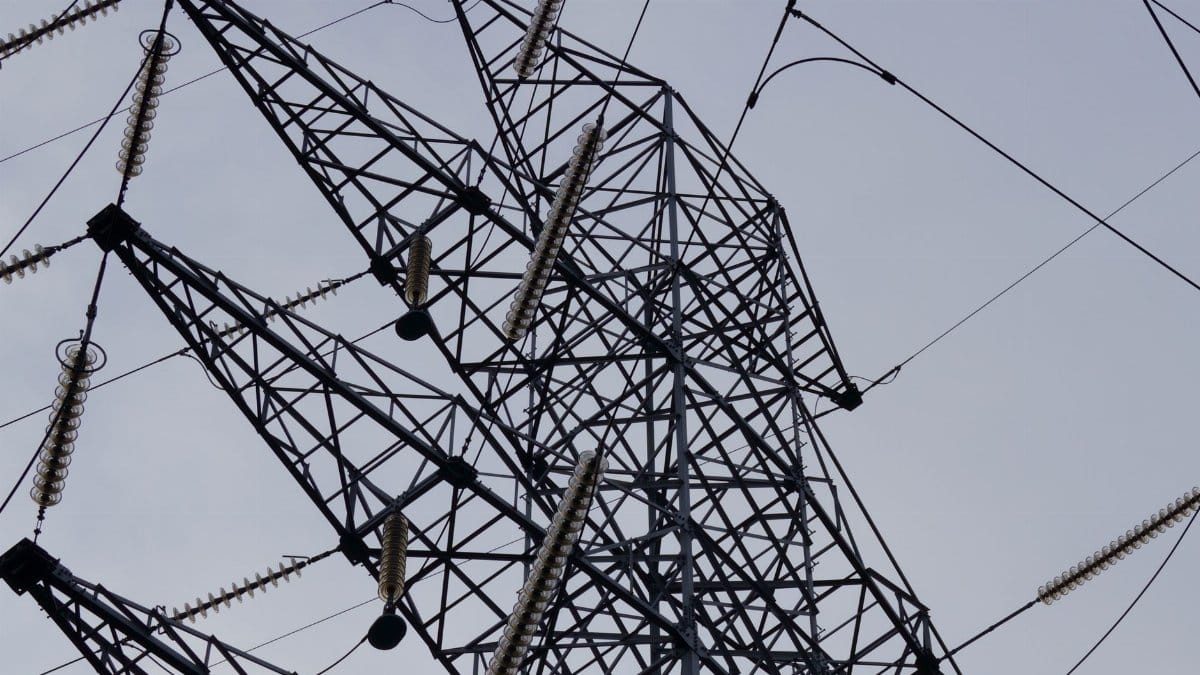
Utility companies reported record electricity demand as air conditioners ran nonstop across the metro. Crews worked to prevent outages by balancing loads and performing quick repairs. Some neighborhoods experienced brief flickers yet widespread blackouts were avoided through careful management. Consumers were urged to limit nonessential use during afternoon hours.
Advice from Meteorological Experts
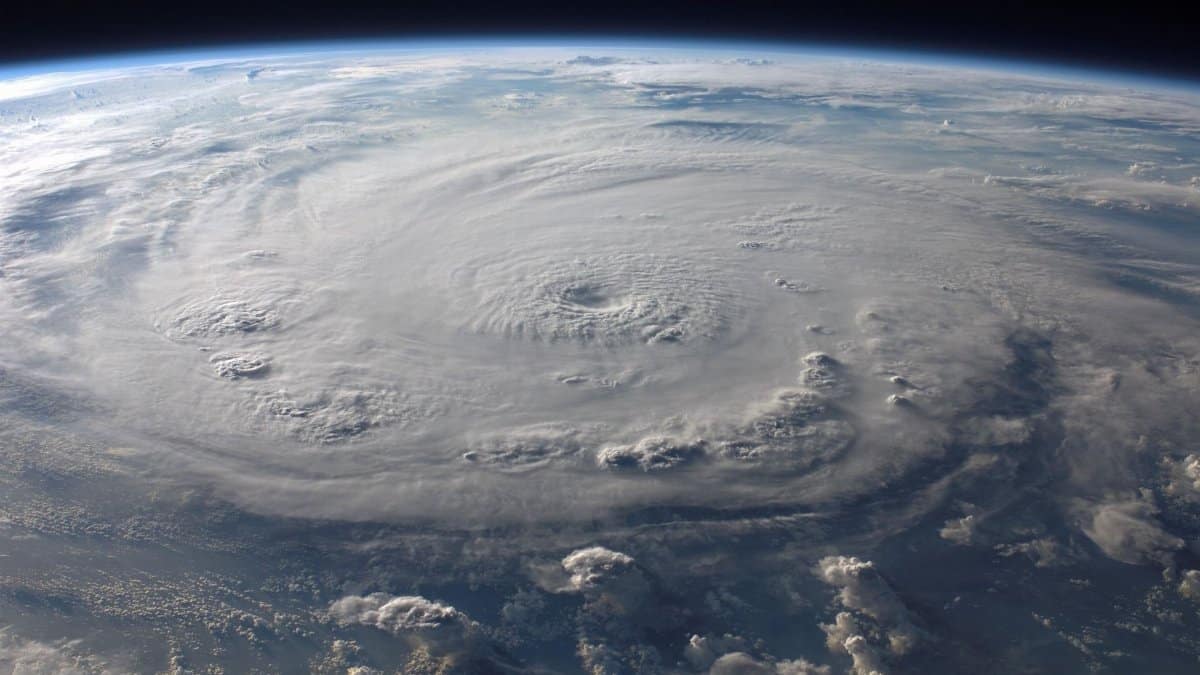
Forecasters explained the weather pattern involved a strong high pressure system that trapped warm air near the surface. They recommended checking daily updates for any shifts that could bring relief. Long range models suggested the pattern might ease within a few days though humidity levels could remain elevated.
Historical Context of Summer Heat
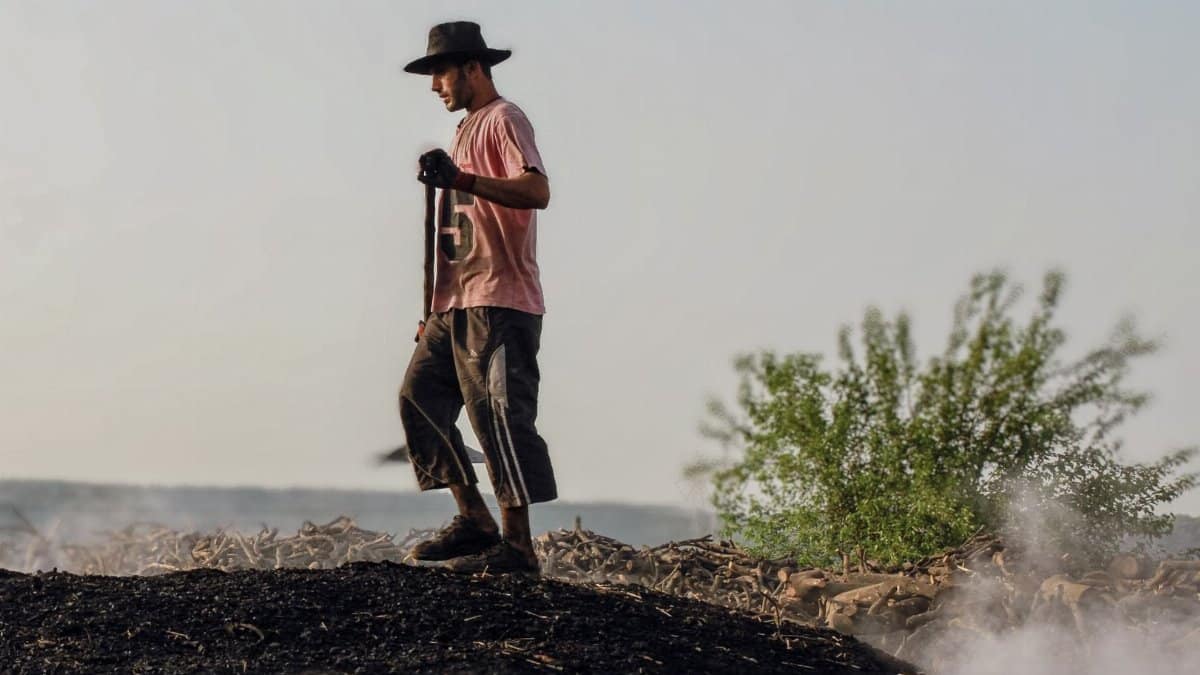
Similar episodes have occurred in past decades yet this one arrived with notable intensity for the date. Records show occasional spikes above 95 degrees but sustained humidity adds a modern layer of difficulty. Communities have adapted over time with better building codes and public alerts that reduce overall harm.
Community Responses and Cooling Centers
City agencies opened extra facilities for those in need. Volunteers delivered water to isolated residents while transit authorities added more buses on busy routes. Local organizations coordinated to check on vulnerable neighbors and share resources. These efforts helped ease some of the immediate pressure on individuals.
Looking Ahead to Future Weather Patterns

Scientists continue to study how such events fit into broader climate trends. Preparation remains key as summers grow more variable. Residents are encouraged to review personal safety plans and support local initiatives that build resilience. Awareness of changing conditions can guide better decisions in the seasons ahead.