
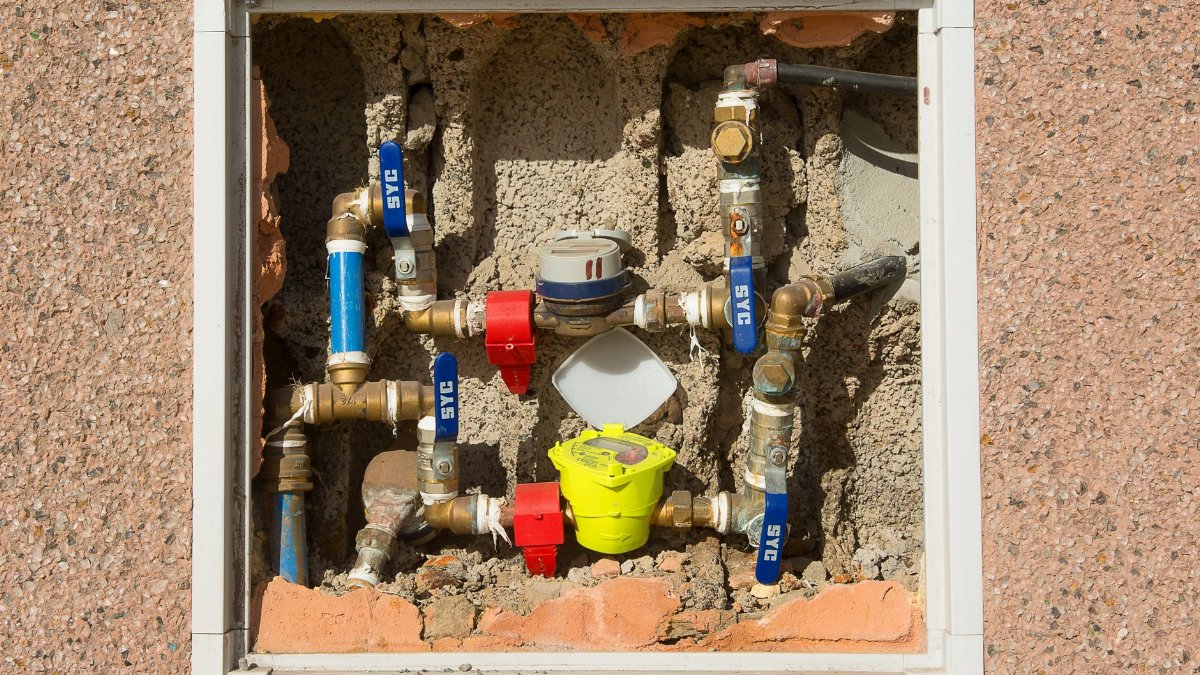
On a humid afternoon in Hialeah, a water bill can feel less like a record of use and more like a verdict delivered from a distance. The number arrives, the household argues about showers and the hose, and nobody is quite sure the device outside the house saw what the invoice claims. That uncertainty is the quiet premise of a water-meter pilot the city has approved, a limited trial of advanced smart meters meant to replace infrequent checks and rough estimates with closer readings. Officials say the aim is accuracy, and accuracy, they hope, will ease bills that many residents already consider too high. Whether a new device can do that is a harder question than the promise suggests.
A small trial with a large promise
Hialeah is not inventing the idea of a smarter meter. Utilities across the country have spent years moving from a reader with a handheld device to networks that collect use more often and send it back without a truck rolling down every street. What is new here is the local bet: that a bounded test, rather than an immediate citywide swap, can show whether the technology earns its keep in a place where utility charges are already a kitchen table argument.
The account of the approval frames the water-meter pilot as a step toward advanced meters, accurate readings, and, if the theory holds, lower bills. A pilot is the right scale for a claim that large. It lets the city compare old and new readings, watch how customer service calls change, and discover which blocks, building types, and billing habits the hardware actually improves. It also creates a record. If the trial is thin, rushed, or explained only in vendor language, residents will treat the later rollout as a fait accompli rather than a finding.
I have sat at tables where the water bill is read aloud like a moral document, each person defending a shower or a load of laundry. A pilot that ignores that ritual will miss the point. The device is technical. The grievance is personal.
The monthly argument over what was actually used
Traditional billing often rests on a simple chain. A meter turns. Someone records it, sometimes months apart. The utility applies a rate. If a read is missed, the bill may lean on an estimate, and the next actual read then corrects the account in a lump that feels like a penalty. Residents experience that lump as unfair even when the arithmetic is defensible. They did not use three months of water in one afternoon. They used it slowly, and the invoice refused to say so.
Estimated bills are not a conspiracy. They are what happens when staff, access, locked gates, bad weather, and aging equipment fail to meet on the same day. In a dense city of houses, small apartment buildings, and yards pressed against alleys, missed reads are ordinary. The anger they produce is ordinary too. People on fixed incomes cannot smooth a surprise the way a budget office can. A correction that is fair on paper can still be cruel in a checking account.
Advanced meters do not repeal rates. They can, if they work, shorten the distance between use and notice. A household that sees a climb within days has a chance to find the cause before the quarter ends. That is a different kind of fairness from a lower rate. It is fairness of timing.
What an advanced meter can and cannot see
A modern meter, in the plainest terms, measures flow and reports it. Some units send reads several times a day. Some flag continuous flow that looks like a leak rather than a shower. Some connect to a portal where a customer can compare this week with last month. None of that requires the romance of a smart city. It requires radios, batteries, software, and a utility willing to answer when the screen and the bill disagree.
The meter cannot see intent. It cannot tell a religious gathering from a leaking toilet, a new baby from a broken flapper, a vegetable garden from a hose left on. It also cannot, by itself, lower the price per gallon. If Hialeah’s rate structure stays the same, a perfectly accurate meter will bill exactly what the rate table says. People who were underbilled because of stuck or unread meters may see charges rise. That outcome is honest. It will not feel like relief.
Accuracy is still worth wanting. A city that cannot measure use cannot manage leaks in its own pipes, cannot explain a spike, and cannot defend a bill when a resident asks for the read behind it. The civic value of measurement is real even when the private value is uneven.
Lower bills are not the same thing as lower rates

The hope attached to this program is easy to say and easy to oversell. Lower bills can come from three different places, and only one of them is a gift from the hardware.
First, a household finds waste it did not know it had and stops it. Second, the utility finds waste in the public system, loses less treated water, and faces less pressure to raise rates. Third, someone changes the tariff, the storm charges, or the way fixed fees sit on small users. A meter trial speaks directly only to the first, and indirectly to the second. It does not, unless elected officials choose to act, touch the third.
Residents should listen for that distinction in every briefing. A sentence that slides from better data to smaller bills is doing political work. Better data can reduce waste. It can also reveal use that was never billed. Both results are successes for the ledger. Only one is a success for the person who opened the envelope expecting mercy.
The leak that never makes a sound
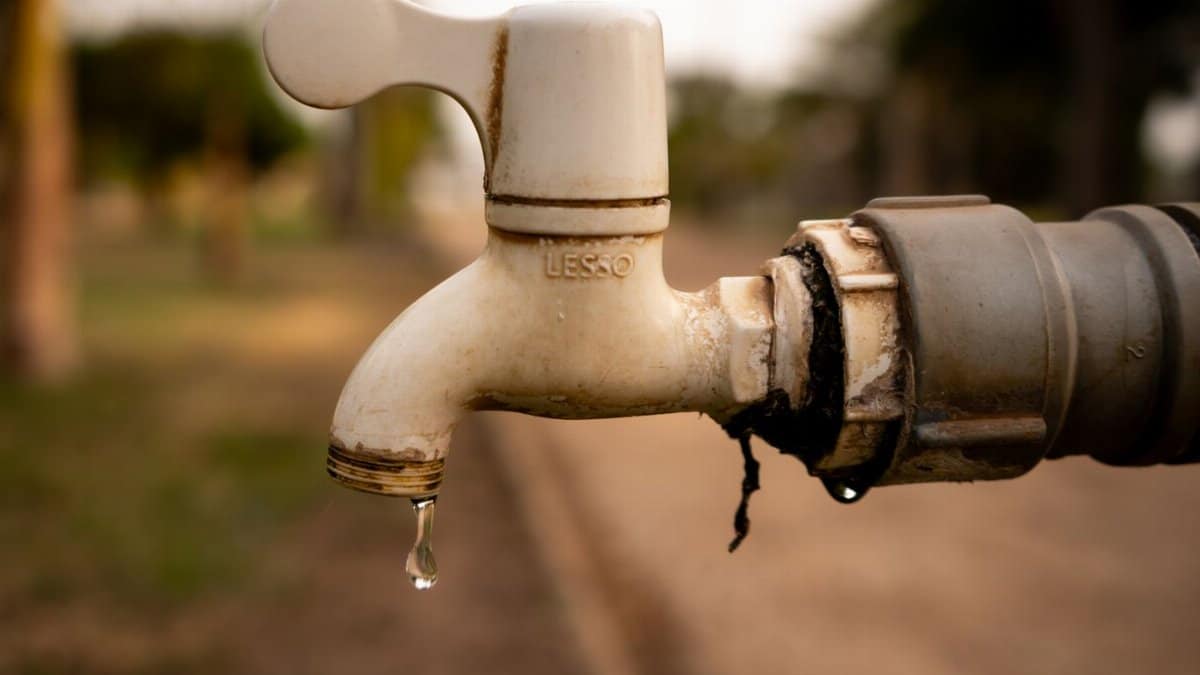
The strongest practical case for frequent reads is the leak that does not announce itself. A toilet that runs, a irrigation valve that weeps, a supply line under a slab: none of these wait for a quarterly visit. Federal WaterSense materials note that household leaks can waste close to 10,000 gallons a year, a scale that turns a small mechanical fault into a budget problem. The agency’s guidance on finding and fixing leaks is plain and worth reading before anyone treats a new meter as magic: WaterSense on household leaks.
A meter that notices continuous flow can call attention to that waste while it is still a habit rather than a crisis. The call only helps if someone is home to hear it, if the alert is in a language the household reads, and if a plumber is not an impossible expense. In a city of renters, the person who gets the alert may not be the person who owns the toilet. A pilot that stops at the device, and never builds a path from alert to repair, will document suffering with great precision.
That is the unglamorous work around the water-meter pilot: not the radio, but the follow through. Who calls. Who translates. Who pays for a flapper when the tenant cannot. Who tells a landlord that silence is not a defense.
Apartments, houses, and unequal visibility
Hialeah does not use water in one pattern. A single family house with a yard and a hose bib is a different customer from a small multifamily building where several kitchens share a rising main, and different again from a household that never waters anything because there is no yard to water. If the trial sites are chosen because they are easy to reach, the results will flatter the program and mislead the council.
A fair sample has to include places where meters are hard to reach, where estimates have been common, and where residents have already fought a bill. It should include owners and renters. It should include people who will never open an app and people who will check it every night. Otherwise the city will learn how the technology behaves in convenient conditions, which is the least useful thing a pilot can teach.
Visibility cuts both ways. A house with its own meter can see its own choices. A building with one master meter cannot assign a spike to a unit, and a smart device on that master line will not create justice among neighbors. Submetering is a separate argument, with its own costs and its own abuses. The city should not let a network upgrade pretend to solve a building layout problem.
Who carries the cost of the new hardware
Meters are not free because they are modern. They are bought, installed, maintained, and eventually replaced. Networks need software, security, and staff who can explain a graph to a person who came in angry. Those costs land somewhere: in rates, in a capital plan, in a vendor contract, or in savings if the utility truly needs fewer truck rolls and fewer estimated corrections.
Residents are entitled to a plain accounting before a trial becomes a contract for every street. What does each unit cost to buy and to install. How long is it expected to last in heat, humidity, and floodwater. What happens when a battery fails. What does the city pay if the network misses reads, which is the very failure the new system is supposed to end. A glossy brochure that lists features and hides the fee structure is not a public document. It is an advertisement.
There is also the cost of doing nothing. Manual reads take labor. Undetected leaks waste treated water that the city already paid to pump and clean. Customer service absorbs the same disputes every month. A honest comparison sets those costs beside the hardware, without assuming the vendor’s savings will arrive on schedule.
Trust, data, and the fear of a silent witness
Frequent water data is less intimate than a phone, and more intimate than a quarterly number. A pattern of use can suggest when a home is occupied, when people sleep, when a household grows. Most utilities do not want that story. They want volume, exceptions, and a bill that will survive a complaint. Still, the data exists once it is collected, and residents are reasonable to ask who can see it, how long it is kept, and whether it can be sold, subpoenaed, or used to police immigration, custody, or code enforcement.
The answer should be boring and specific. Use data for billing, leak notices, and system planning. Keep it no longer than the billing dispute window requires. Do not hand it to marketers. Publish the rule, not a slogan about innovation. In a city where trust in institutions is already thin, a silent witness on the service line will be suspected until the rules are visible.
Privacy is not a reason to keep bad estimates forever. It is a condition of upgrading. A pilot that treats the question as a nuisance will confirm the suspicion it hopes to outgrow.
Lessons from other cities, stated plainly

Other utilities have learned that installation is the easy photograph and customer understanding is the actual project. Meters go in. Bills change shape. People who were comfortable with a flat monthly habit see variation and assume the new device is hungry. People who find a leak become converts. People who find a higher accurate bill become opponents. All three reactions can be true in the same zip code in the same month.
The programs that age well publish a baseline before the first new meter is praised. They say how many estimates the old system produced, how often bills were adjusted, how many leak alerts led to a repair, and whether average use in the trial area fell after households could see their own pattern. They also say, without embarrassment, where bills rose because old meters had been underreading. Silence on that point is how a technical success becomes a political failure.
Hialeah does not need to copy another city’s vendor or another city’s app. It needs to copy the discipline of a public scorecard. If the water-meter pilot cannot fill that scorecard, it is not ready to become the new normal.
How residents should judge the pilot

A resident does not need to become an engineer to judge this. A few questions, asked in public and answered in writing, will do more than a demonstration of a handheld screen.
Where are the trial meters, and why those sites. How will the city compare them with the old method, on the same accounts, over enough months to include dry weeks and wet ones. What share of bills in the trial were previously estimated. How will alerts reach people without smartphones, and in Spanish as readily as in English. What repair help exists when the alert is real and the wallet is empty. What is the exit if the hardware misses reads, overbills, or costs more to tend than the trucks it replaces.
Those questions are not hostile to the program. They are how a limited test stays limited until it earns expansion. A council that can answer them has a pilot. A council that can only repeat the hope of lower bills has a press release.
The question that remains on the invoice
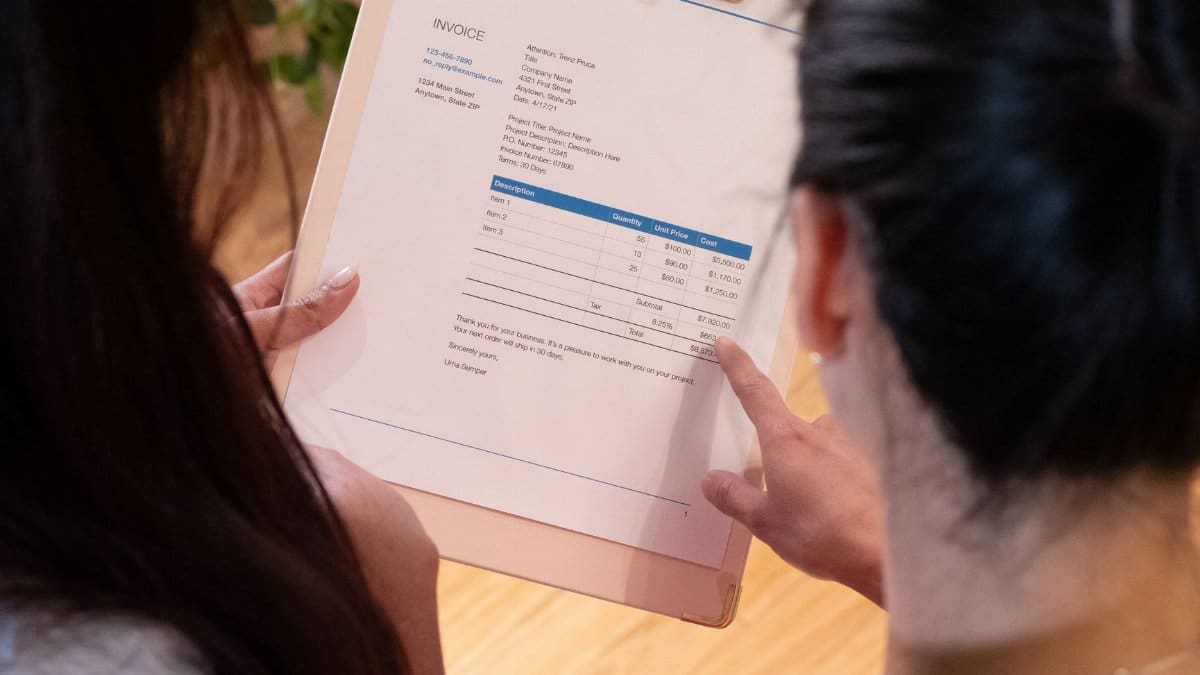
Will the new meters lower residents’ bills. Sometimes, for the household that finds a leak and stops it. Sometimes, later, if the utility loses less water and resists the next rate increase with a straighter face. Not automatically, and not for everyone. A stuck old meter that was undercounting will not be mourned by the utility when its replacement tells the truth. The person paying the truth may mourn it anyway.
The worthy version of this effort is modest. Measure more honestly. Tell people sooner. Fix what the measurement reveals, in homes and in the public pipes. Keep the data dull and protected. Publish the results, including the results that disappoint. If that is what Hialeah builds, the trial will have respected the people who open the envelope. If it only swaps one opaque number for a prettier opaque number, the argument at the kitchen table will continue, with a more expensive device listening from the yard.