
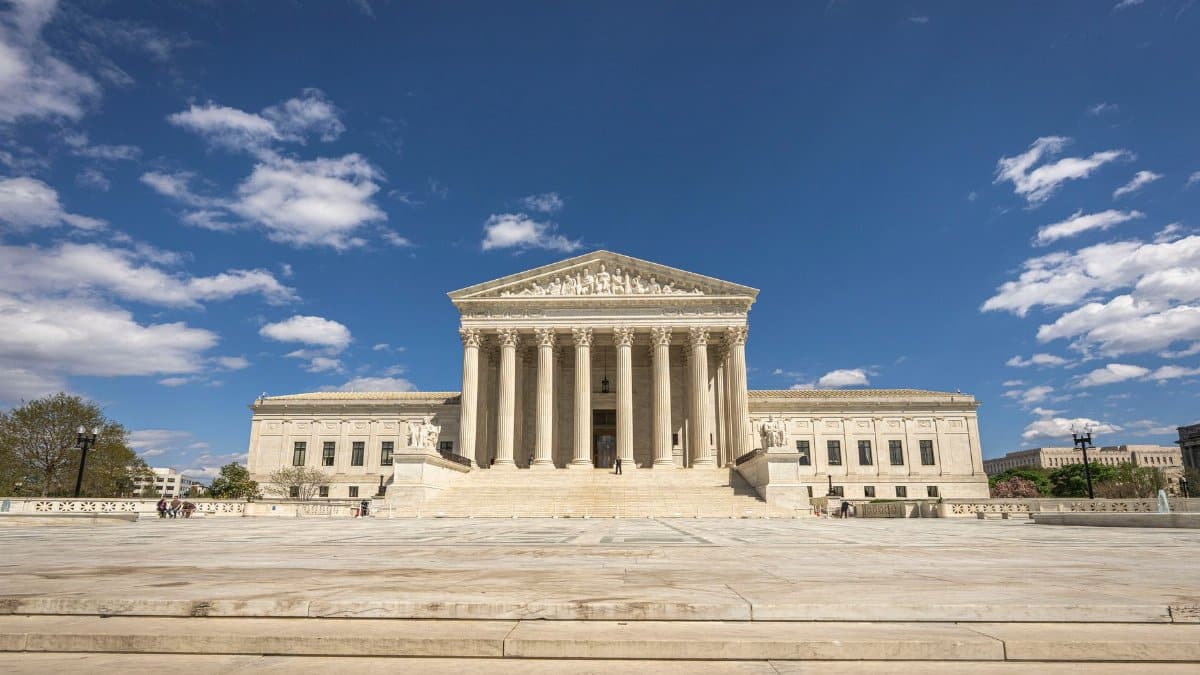
Outside a federal courthouse in California, a fight over names on uniforms has become a fight over who governs the street. A federal appeals court has halted a state law that would have required officers sent by Washington to display identification while operating in the state. In that ruling, federal agents ID moved from a practical question about badges to a constitutional question about power, safety, and public trust. Residents who want to know who is knocking on a door now face a longer wait for a clear rule. Officials on both sides say the stakes reach well beyond one statute.
What the statute asked officers to show
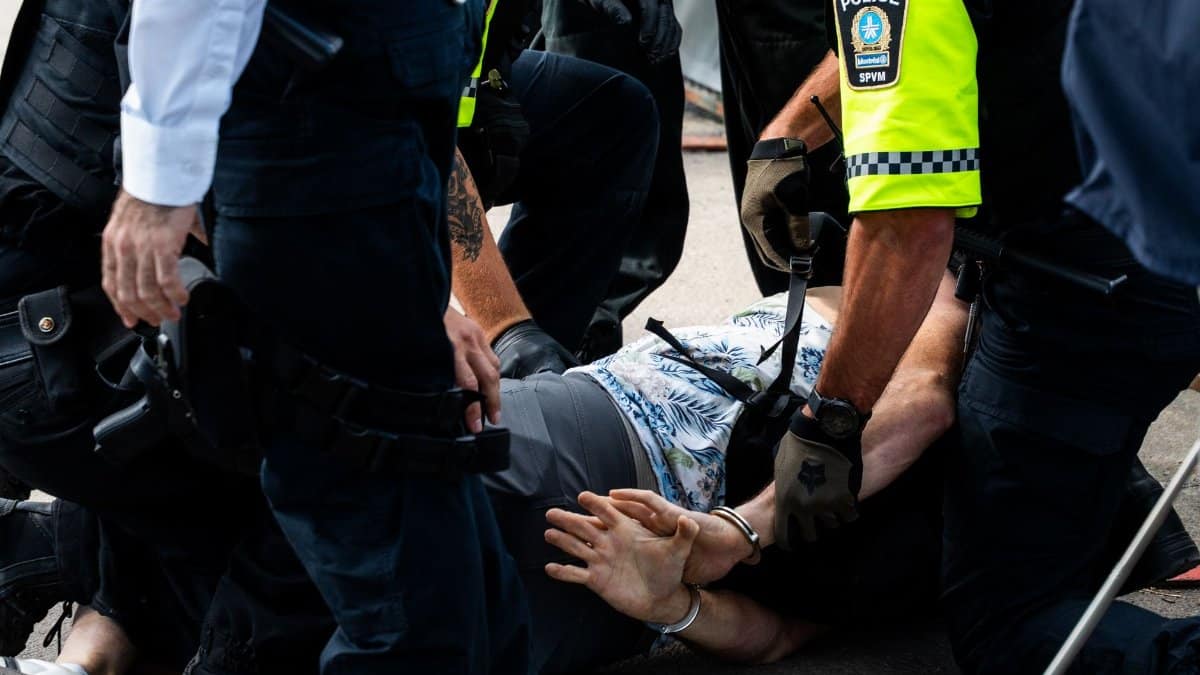
The blocked measure grew out of a simple demand. If a person with a badge and a gun comes to a home or a workplace, the public should be able to see a name, an agency, or both. California lawmakers argued that visible identification would reduce fear, deter impersonation, and give residents a way to file a complaint if something went wrong. The law did not invent the idea of a name tape. Local police already wear them. The novelty was the attempt to impose that habit on officers who answer to the federal government rather than to a city chief or a county sheriff.
Why supporters said names build trust

Supporters framed the bill as a transparency rule, not a ban on enforcement. They pointed to moments when residents could not tell whether the people at the door were officers, contractors, or criminals in costume. In immigrant neighborhoods, that confusion can keep witnesses silent. A parent may not open the door. A worker may not report wage theft. Advocates said a visible federal agents ID would not stop a lawful arrest, but it would make the encounter less opaque. They also argued that accountability is hollow if the public cannot identify the person who used force.
The case for a single chain of command

Federal lawyers saw a different problem. Immigration officers, marshals, and other agents move across state lines under rules written in Washington. If each state can design its own badge, its own display rule, and its own penalty, the uniform system starts to splinter. A requirement that looks modest in one capitol can become a patchwork when fifty states try similar laws. Courts often treat that kind of interference as a burden on federal functions. The appeals court, in blocking the statute, signaled that California cannot dictate the appearance and identification practices of officers carrying out federal duties.
Safety arguments that cut in two directions

Safety is the hardest part of this debate because both camps claim it. State officials worry about people posing as agents. A fake raid can be a robbery, a kidnapping, or a tool of intimidation. A real name and agency marking can help a resident, a local officer, or a journalist sort the genuine from the fraudulent. Federal officials answer that visible names can expose agents and their families to threats, especially in heated immigration operations. They also say operational gear, face coverings in some tactical settings, and undercover work do not fit a rigid display rule. A court does not have to pick a moral winner to decide that the state may not write the manual.
What changes for people on the street
For now, the practical result is continuity. Federal officers in California are not newly compelled by this state law to add markings they do not already use. Some already display agency insignia. Some do not show a personal name, depending on the assignment. Residents should not assume that the absence of a name means the stop is unlawful, nor that a visible badge ends every question about authority. Local police remain under their own rules. The blocked statute does not rewrite those rules. What it does change is the political signal. Sacramento tried to set a statewide identification standard for federal work, and a higher court said not yet, and perhaps not at all.
Immigration politics in the background
It would be naive to treat this as a quarrel about sewing and plastic cards. The statute sits inside a larger struggle over immigration enforcement. California has spent years limiting how local jails and local officers cooperate with federal immigration authorities. Washington, under different administrations, has pushed back, sometimes with lawsuits and sometimes with louder operations. Identification rules become a proxy. If the state can require federal agents ID in a form the state prefers, it gains a lever over how those operations look and feel. If the federal government can refuse, it keeps control of tactics as well as of policy. Voters hear a legal doctrine. They also hear a fight about who belongs and who decides.
How judges usually approach supremacy

The legal frame is familiar even if the facts are new. Under the supremacy principle, federal law prevails when a state rule conflicts with it or stands as an obstacle to federal purposes. Courts also protect the federal government from some forms of direct regulation by states, a doctrine often called intergovernmental immunity. None of that means a state is helpless. States can still prosecute ordinary crimes, regulate their own officers, and speak through their own policies about cooperation. The line appears when a statute tells federal officers how to perform federal work. Blocking a law at the appeals stage often means the judges saw a strong chance that the statute crosses that line, or that letting it operate during the case would cause harm that a later win could not undo.
Voices from Sacramento and Washington

Political reaction followed a predictable map, though the legal question is narrower than the speeches. State leaders who backed the bill described the ruling as a loss for transparency and for residents who want a name they can write down. Federal officials and their allies described it as a necessary defense of national authority. I have covered enough of these clashes to know that both descriptions can be partly true and still miss the narrower point a court must decide. A legislature can value openness and still lack the power to impose that value on another sovereign’s officers. A federal agency can value its agents and still owe the public a level of identification that does not depend on a state mandate.
What the next round may turn on

The block is not the last word unless the parties accept it. California can seek further review. The trial record, if the case continues, may focus on how often agents already display identification, whether the state penalty would slow operations, and whether federal rules already occupy the field. Evidence about impersonation matters too, because a court weighing harm will want to know whether the problem is common or rare. None of that requires the public to become amateur lawyers. It does require patience. Appeals move slowly, and enforcement culture moves on its own clock.
A standard the public can actually use

There is a version of this debate that does not require a state to commandeer a federal uniform. Federal agencies can publish clear rules about when a name or an agency marking must be visible, and when a genuine operational need justifies a delay. They can make complaint channels easy to find. States can keep training local officers to verify identity when a resident calls for help, and they can prosecute impersonation with the tools they already have. Congress could set a national baseline if it wanted one statute rather than fifty experiments. Until then, the phrase federal agents ID will keep returning whenever a raid, a protest, or a traffic stop leaves people asking a basic question: who are you, and who sent you?