
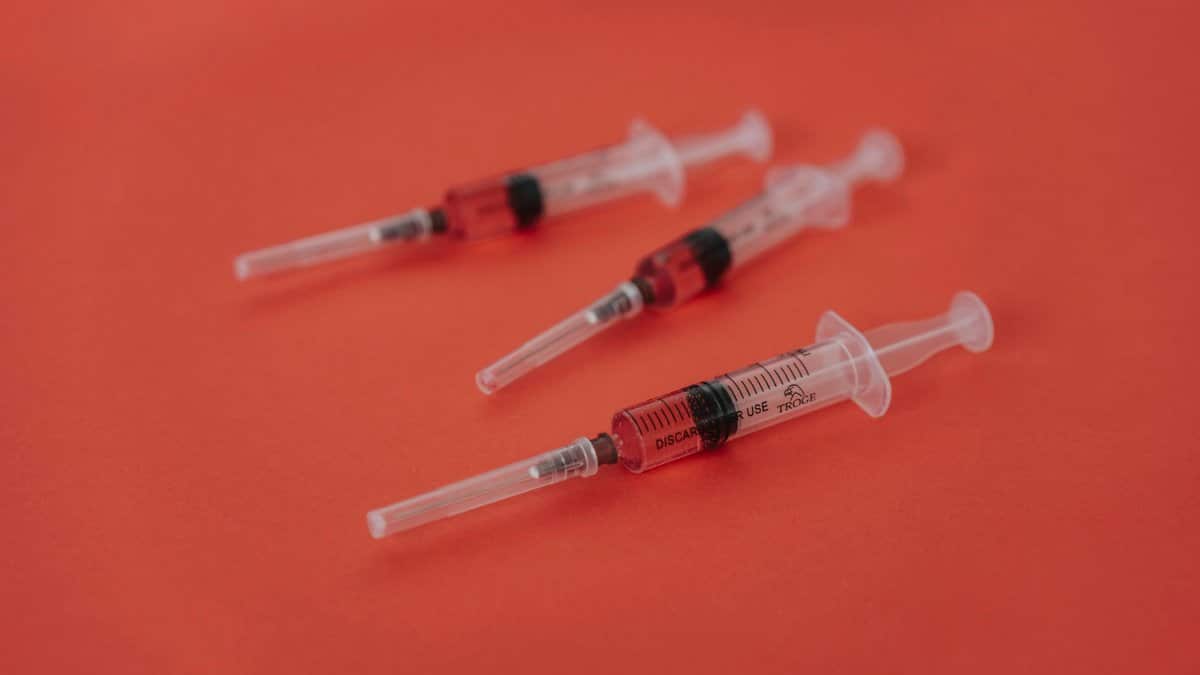
On a Tuesday that felt ordinary in every other way, people who had come to treat a weekly injection as routine were told to stop and look again at the vial in the refrigerator door. The warning was not about a celebrity endorsement or a new diet trend. It was about sterility, the plain condition that separates a medicine from a contamination risk. A report in the Los Angeles Times described a GLP-1 recall involving certain compounded injections, a nationwide action tied to a lack of assurance of sterility. For patients who had folded these shots into the grammar of ordinary life, the news arrived as a colder question: what else have we been trusting on a label.
A warning that sounds technical and is not

Lack of assurance of sterility is the kind of phrase that can slide past a hurried reader. It does not announce a confirmed injury. It does not name a bacterium. It says something more unsettling, which is that the people responsible could not show the product was free of harmful contamination. For a pill swallowed with breakfast, that gap would still matter. For a liquid pushed through the skin, it matters in a different register. The body has fewer chances to reject what never passed the stomach.
According to the Los Angeles Times account, certain compounded injections were recalled nationwide over those sterility concerns. The public language is careful, and careful language is not the same thing as a small problem. Recall notices often sound administrative because they are written to be precise. Precision should not be mistaken for reassurance. When a manufacturer or compounder cannot document sterility, patients are being asked to live with an unknown, and unknowns in injectable drugs are not theoretical.
What patients were actually using

The shots at the center of this story are not a single brand sitting in a pharmacy chain with a familiar logo. They are compounded products, mixed outside the usual path of an approved finished drug. Some patients sought them because brand name pens were scarce, expensive, or wrapped in insurance rules that felt impossible to clear. Others found them through clinics, med spas, and online storefronts that promised a simpler route to appetite control.
That distinction matters when a GLP-1 recall surfaces. An approved product and a compounded copy can share a familiar drug name and still differ in how they are made, tested, labeled, and stored. Patients often experience them as the same weekly ritual. Regulators do not. The Food and Drug Administration has spent several years warning that unapproved versions used for weight loss raise separate safety questions, a point laid out in the agency’s own discussion of unapproved products. A recall tied to sterility is one more reminder that the vial in the fridge is only as trustworthy as the process behind it.
Sterility is the whole point of an injection

An injection skips the filters that a swallowed medicine meets. Skin is washed, a needle is new, and the liquid is supposed to have been prepared so that nothing alive rides along. When that last promise weakens, the risks are the ones infection control specialists have described for decades: redness, abscess, bloodstream infection, and in rare cases illness severe enough to require a hospital. None of that is guaranteed by a recall notice. All of it is why the notice exists.
Readers should resist two opposite errors. The first is panic, the assumption that every person who used a compounded shot has been harmed. The second is shrug, the assumption that a paperwork failure is only paperwork. Sterility assurance is the paperwork that stands in for a biological fact. If the assurance is missing, the fact is unverified. That is the entire content of the warning, and it is enough.
Compounding filled a hunger the brand names could not

Compounding is not a scandal by definition. Pharmacists have long prepared customized medicines for patients who cannot use a standard product, a role the FDA explains in its questions and answers on compounding. The trouble began when demand for weight loss injections exploded faster than the supply of approved pens. A clinical tool became a consumer craze. Waiting lists, starter doses, and prior authorization forms pushed people toward alternatives that looked official because they came in a syringe.
In that rush, marketing often outran nuance. A clinic website could mention the same active ingredient as a television ad and leave the manufacturing difference in a footnote, or leave it out. Patients trying to lose weight, manage diabetes, or quiet a relentless appetite were not always in a position to parse federal categories. They were trying to get through the week. The GLP-1 recall now asks them to do the parsing after the fact, which is a hard time to become a regulatory scholar.
The rules were never as loose as the ads suggested

Federal law allows compounding under defined conditions, and it does not treat a compounded drug as interchangeable with an approved one. Approved drugs pass a review of safety, effectiveness, and manufacturing quality before they reach a national market. Compounded drugs are mixed for particular needs, and the oversight depends on whether a state licensed pharmacy or an outsourcing facility is involved. Those are not decorative distinctions. They decide who inspects the clean room, who tests the batch, and who must report a problem.
When shortages ease, the legal room for copies is supposed to narrow. That shift has been messy in practice, with patients caught between a prescription they want and a product category that keeps changing shape. A sterility recall does not settle every argument about access. It does show what is at stake when production scales up to meet a cultural demand rather than a single patient’s unusual need. Volume is not a virtue if the controls do not scale with it.
A market that learned to speak in before and after photos

Weight loss medicine did not enter American life quietly. It arrived through medical journals and then through group chats, workplace kitchens, and social feeds full of transformed faces. The benefits reported by many users are real enough to explain the fervor: less hunger, lower weight, and for some people a sense of control they had not felt in years. The harms and limits are real too, from nausea to the open question of what happens when the shots stop. A recall does not erase either side of that ledger. It adds a third column, which is product integrity.
I have listened to friends describe these injections with a mix of relief and secrecy, as if wanting less food were a confession. That secrecy makes safety alerts harder to share. People do not forward a recall the way they forward a success story. They worry about judgment. They worry about losing a tool that finally worked. The GLP-1 recall deserves a plainer conversation than the culture around these drugs has usually allowed. A contaminated or unverified injection is not a moral lesson about vanity. It is a manufacturing failure with a human at the end of the needle.
Trust, the body, and the urge to keep going

There is a spiritual dimension to this story that has little to do with slogans and much to do with how people treat their own bodies under pressure. A weekly shot can become a ritual of hope. Hope is not foolish. It becomes fragile when it depends on a supply chain the user cannot see. Many of the people affected are not chasing an abstraction. They are trying to quiet a relationship with food that has been painful, or to manage a disease that does not wait for a perfect system.
Care, in that setting, looks unglamorous. It looks like reading the lot information, calling the prescriber, and accepting a pause. It looks like refusing the clinic that answers a safety question with a discount code. A culture that sells transformation on a schedule will always be impatient with pauses. The body is not required to share that impatience. Sterility is a form of respect. So is the decision to wait for a product whose makers can account for what is in the vial.
What a careful reader should do next

Public guidance in a case like this is usually straightforward, and it should be followed over any anecdote in a comment thread. People who have the recalled injections should stop using them and follow the instructions in the notice, including how to return or discard the product. They should contact the prescriber or the pharmacy that dispensed the drug, not a stranger on the internet, and they should describe any symptoms rather than waiting to see if worry passes. Fever, unusual pain, redness that spreads, or a sense of being acutely ill are reasons to seek care promptly, and to mention the injection.
It is also reasonable to ask basic questions before the next prescription is filled. Who made this? Is it an approved product or a compound? Where was it prepared, and how is sterility checked? What should I do if a recall notice names my lot? Those questions are not hostile. They are the minimum due a medicine that enters the body through a needle. If a seller treats them as an inconvenience, that is information.
Readers who never used a compounded shot still have a stake. Family members share refrigerators. Adult children order supplies for parents. A GLP-1 recall can sit in a kitchen used by several people, and the person who placed the order may not be the person who finds the email. Passing along the notice is an act of ordinary care.
The larger lesson in a crowded refrigerator

This episode will not be the last collision between a blockbuster drug class and a marketplace eager to imitate it. Shortages come and go. Influencers do not. The durable lesson is older than any brand name: an injection is a manufacturing claim as much as a medical one. If the claim cannot be supported, the product does not belong in a body, no matter how strongly the cultural story around weight loss insists that waiting is failure.
Journalists will keep sorting the details as companies, pharmacies, and regulators add them. Patients should not have to wait for a perfect narrative to take the simple step in front of them. Check the vial. Read the notice. Call the clinician. Hold the shot if the assurance is missing. The phrase lack of assurance of sterility is awkward, even cold. It is also, for once, exactly as large as the risk it names.