
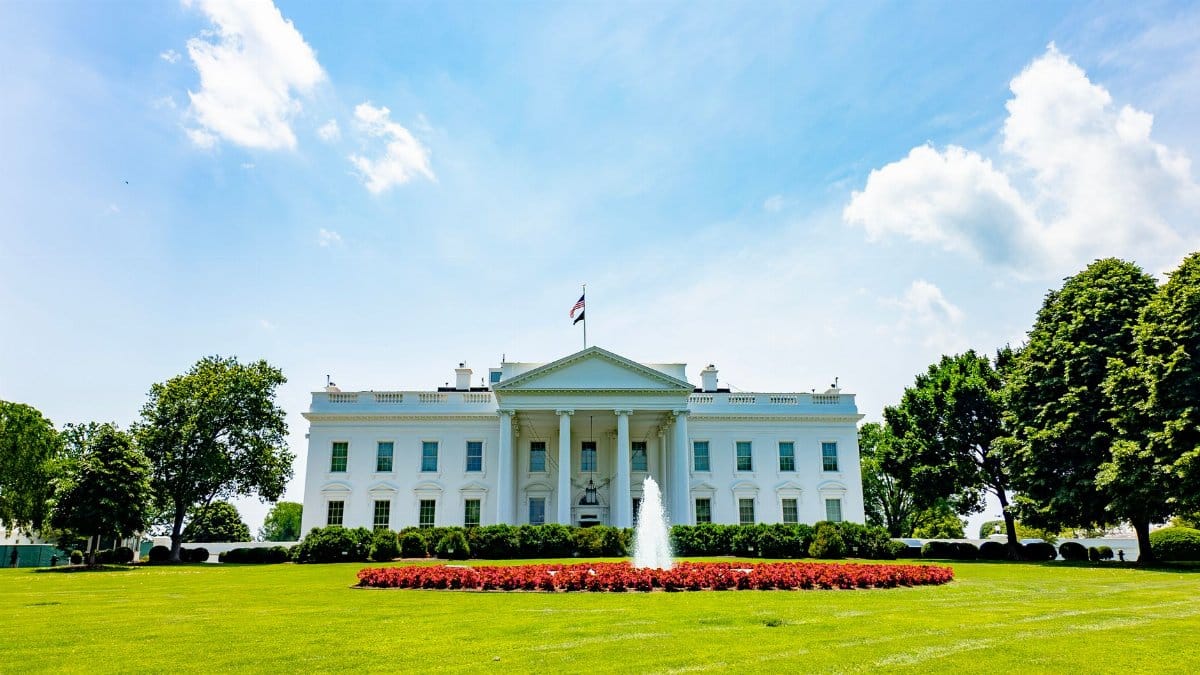
The Supreme Court now faces a request from the Trump administration regarding ongoing work at the presidential residence. This comes after lower courts issued rulings that halted progress on a new addition. Observers note the unusual nature of seeking emergency relief for a construction project tied to the executive mansion. The situation involves the White House ballroom SCOTUS and raises questions about executive power and judicial oversight in matters of federal property management.
Legal Arguments Presented to the Justices
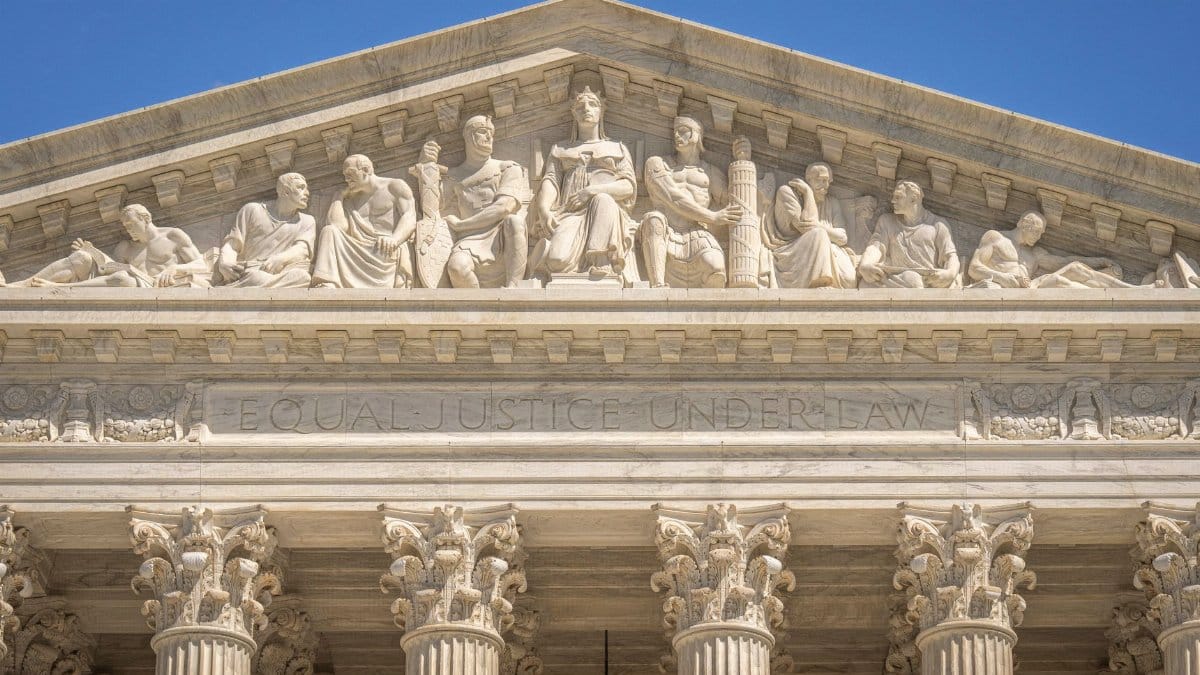
The administration contends that halting the project creates undue financial burdens and disrupts planned timelines for completion. Lawyers emphasize prior instances where building efforts on federal sites received approval to continue amid litigation. They stress that the structure serves official functions and does not alter the core historic elements of the property. Justices are expected to weigh these claims against concerns over separation of powers and the scope of lower court authority.
Background on the Proposed Ballroom Addition
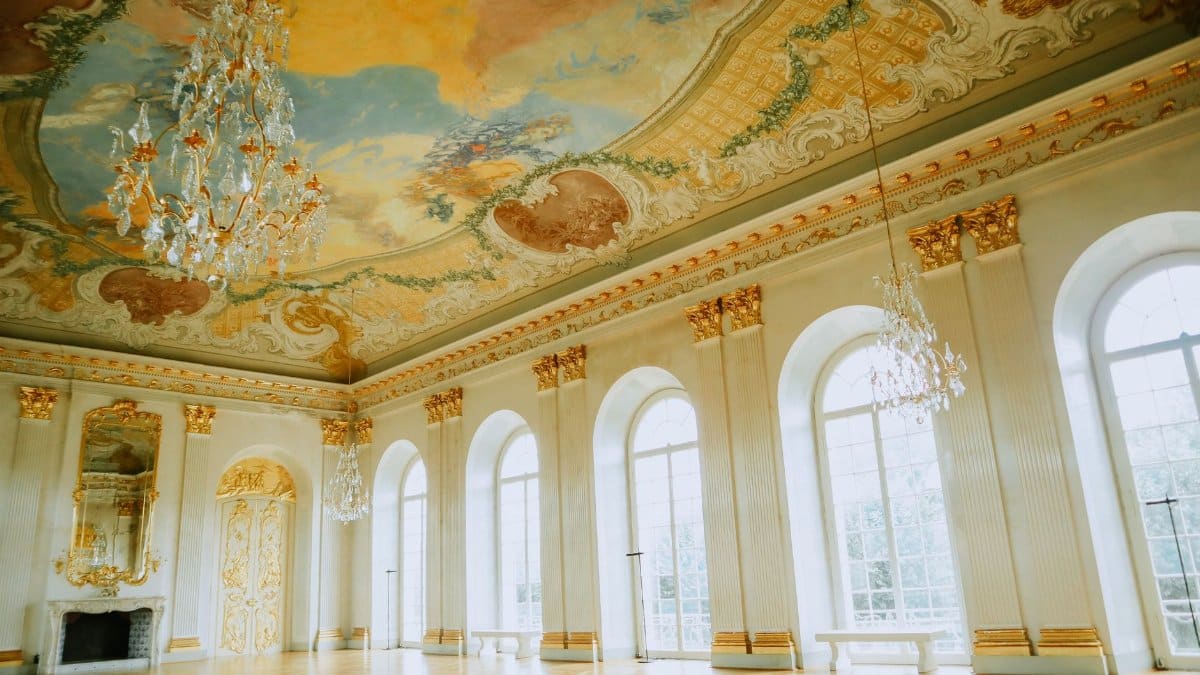
Plans for the addition emerged from efforts to expand event space at the residence for state functions and gatherings. The design aims to accommodate larger groups without relying on external venues. Details show a focus on blending with existing architecture through careful material choices and layout decisions. Supporters describe it as a practical upgrade for modern diplomatic needs while critics question the necessity and expense involved.
Potential Impacts on Historical Preservation
Preservation experts have voiced mixed views on how the addition fits with longstanding guidelines for the property. Some argue that any new construction requires strict review to protect the original character of the building. Others point out that past modifications have occurred over decades without compromising the overall integrity. The case may set standards for balancing updates with conservation priorities in similar government sites.
Public Reaction Across the Country

Polls indicate divided opinions among citizens with some favoring the expansion for practical reasons and others seeing it as an unnecessary use of resources. Social media discussions reflect partisan divides where supporters of the current leadership defend the move while opponents call for greater transparency. Town halls and opinion pieces have highlighted broader debates about government spending on symbolic projects.
Comparisons to Past Presidential Projects
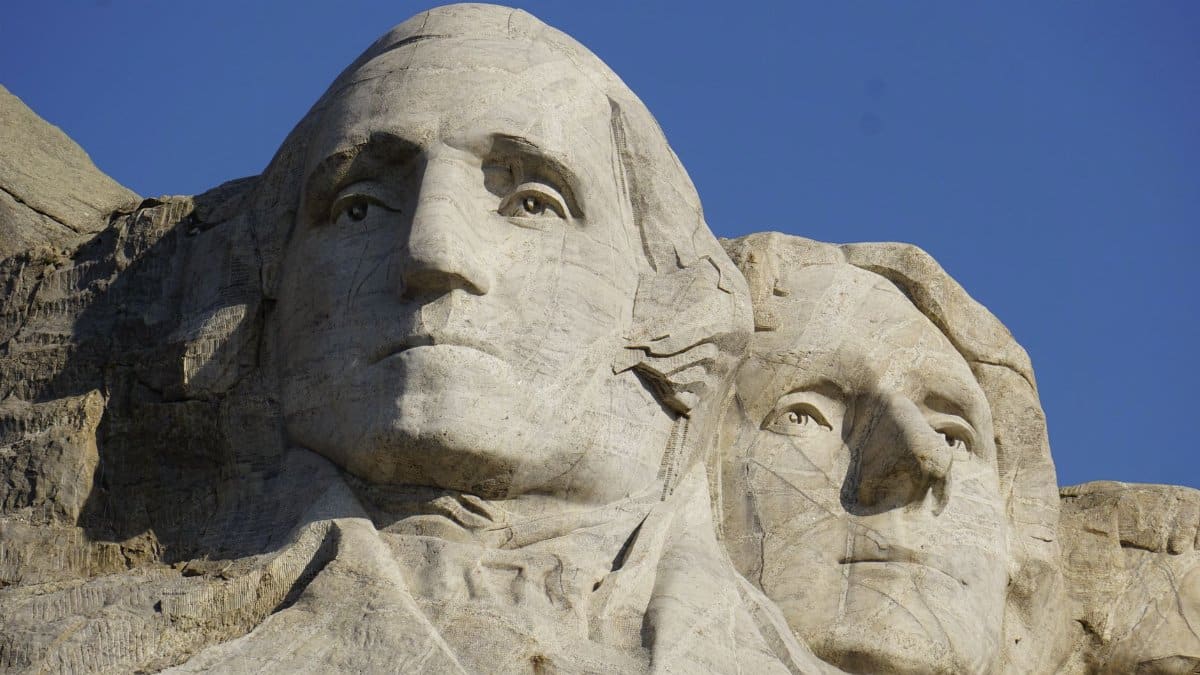
Similar efforts during previous administrations involved expansions or renovations that faced legal challenges yet ultimately proceeded. Records show that earlier additions often received court permission to advance during review periods to avoid waste. This pattern suggests a consistent approach to managing appeals in construction disputes involving official buildings.
Role of Lower Courts in the Dispute
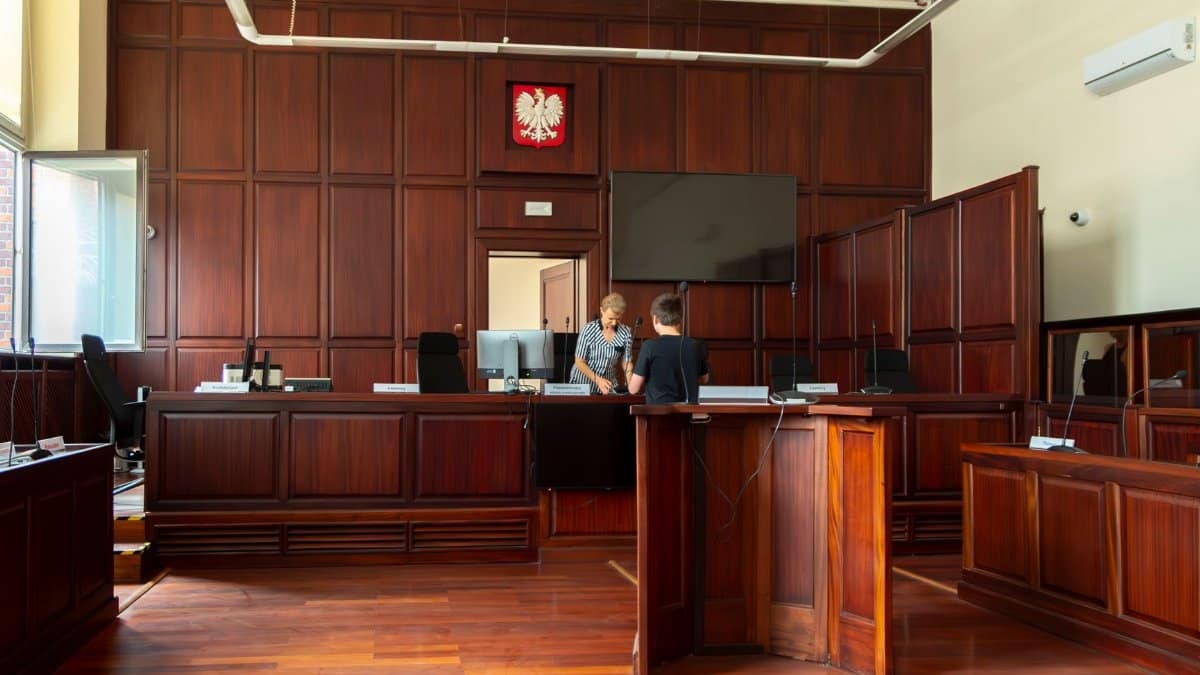
District and appeals court judges have focused on procedural aspects such as permitting requirements and environmental assessments. Their decisions paused work pending full review of compliance issues. The request to the Supreme Court seeks to override these pauses based on claims of irreparable harm from delays.
Implications for Future Executive Actions

A ruling in favor of continued work could influence how future presidents handle building initiatives on federal grounds. It might clarify boundaries for judicial intervention in executive branch operations. Conversely a denial could reinforce the power of lower courts to enforce pauses in controversial projects.
Broader Political Context Surrounding the Case
The request arrives amid ongoing tensions between branches of government over authority and oversight. Lawmakers from both parties have offered statements reflecting their views on the project merits. The outcome may affect discussions about funding priorities and the use of executive discretion in domestic matters.