
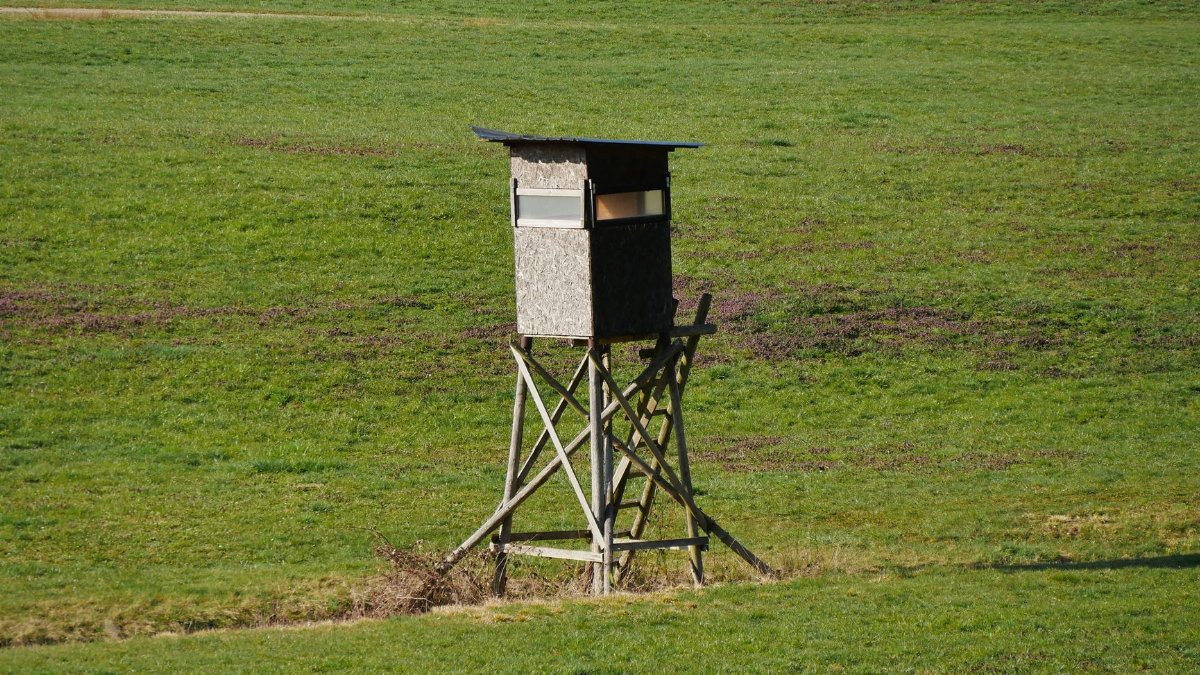
Before sunrise in late October, a pickup idles at a new stoplight where a gravel road used to run straight into corn. The driver is not lost. He is waiting for a window in traffic so he can reach a sliver of woods that still has a willing landowner and enough distance from houses to make a shot legal. That small errand has become the ordinary shape of Twin Cities hunting, a practice squeezed by streets, covenants, and the steady conversion of fields into lots.
The map keeps filling in

For decades the outer ring of Minneapolis and St. Paul grew in a familiar pattern. Farmsteads sold. Township roads were paved. Retail followed rooftops. What looks like ordinary growth on a planning map reads differently to someone who needs open ground, a safe backstop, and permission to be there with a firearm or a bow.
Sprawl does not erase wildlife overnight. It erases the practical conditions that let people pursue it. A forty acre parcel that once sat between two quiet farms may now sit between a school bus route and a row of decks. The animals remain. The social permission and the legal geometry do not.
Residents who moved out for space often did not move out for gunfire at dawn. That tension is not a moral failing on either side. It is what happens when a metro area treats undeveloped land as a temporary pause rather than a use with its own claim on the future.
Open acres do not replace themselves
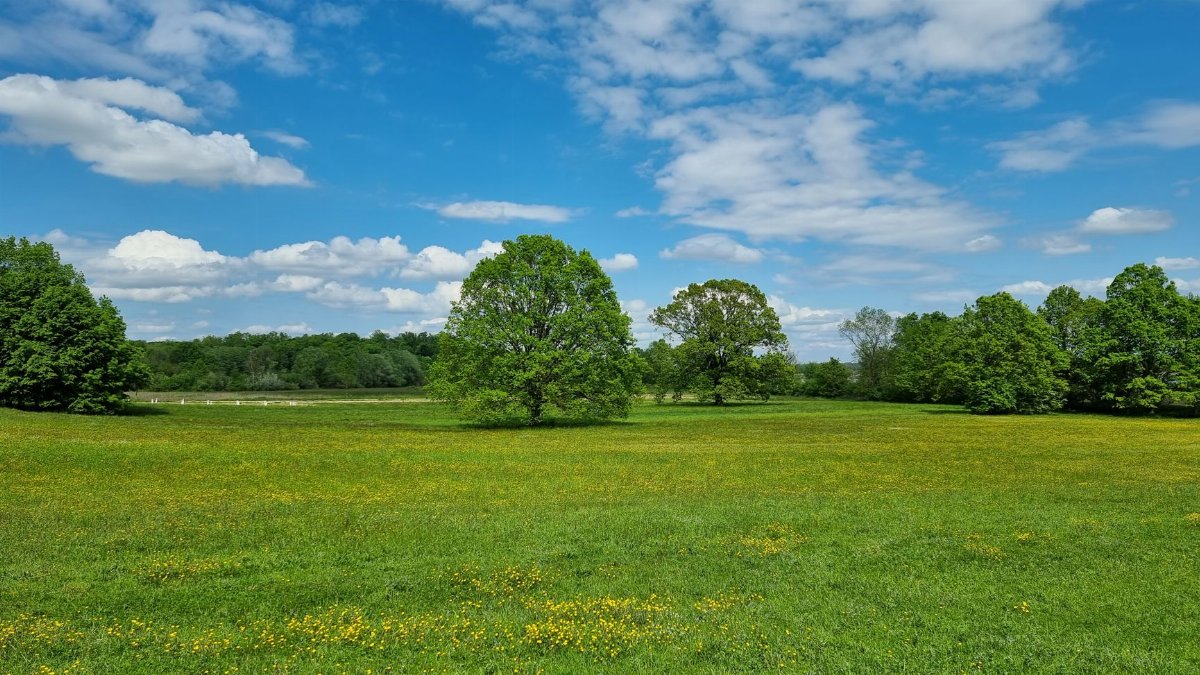
Public wildlife lands exist in and beyond the metro, and they matter. They are also finite, posted with rules, and increasingly busy on opening weekends. A new subdivision does not come with a matching tract of huntable ground a few miles farther out. The next ring of countryside is already spoken for by the same pressures: housing demand, warehouse sites, solar fields, and higher offers than a lease for deer season can match.
Hunters talk about this less as a single crisis than as a slow subtraction. A favorite fenceline is sold. A creek bottom is graded. A parking pull off that nobody officially owned becomes a no trespassing sign. None of those losses makes the evening news. Together they redraw where a legal hunt can start.
The animals have not left

White tailed deer are remarkably at home in edge habitat, and the metro edge is full of it. Turkeys stroll through office parks. Geese treat retention ponds as private lakes. From a distance this looks like abundance, and in a biological sense it often is. From the standpoint of hunting it is a mismatched abundance: animals in places where pursuit is restricted, discouraged, or simply unsafe.
That mismatch feeds a familiar complaint in outer suburbs. Deer browse ornamentals. Geese foul soccer fields. Then the same communities that ask for fewer animals resist the tools that would reduce them near homes. Wildlife agencies can thin herds in some settings. They cannot invent quiet countryside inside a cul de sac.
Safety rules grow stricter as houses arrive
Minnesota law and local ordinances set the frame. Firearm discharge is widely limited near buildings, parks, and roads. Many cities and some counties go further, confining guns or requiring permissions that a casual weekend hunter will never secure. Archery sometimes remains possible where firearms are not, which is why bow seasons have become a larger share of what still happens close to the urban core.
Those rules exist for obvious reasons. A shot that would be ordinary in open country is unacceptable beside a bedroom window. Hunters who ignore that reality do more than break a rule. They hand opponents of any nearby hunting a story that sticks. The careful ones already know the setbacks, the property lines, and the neighbors by name. The careless ones make the whole practice look optional.
Even careful Twin Cities hunting now involves more paperwork and more negotiation than it did when the same ground was simply farm country. Legality is no longer a background condition. It is the main constraint.
Landowners decide what remains possible
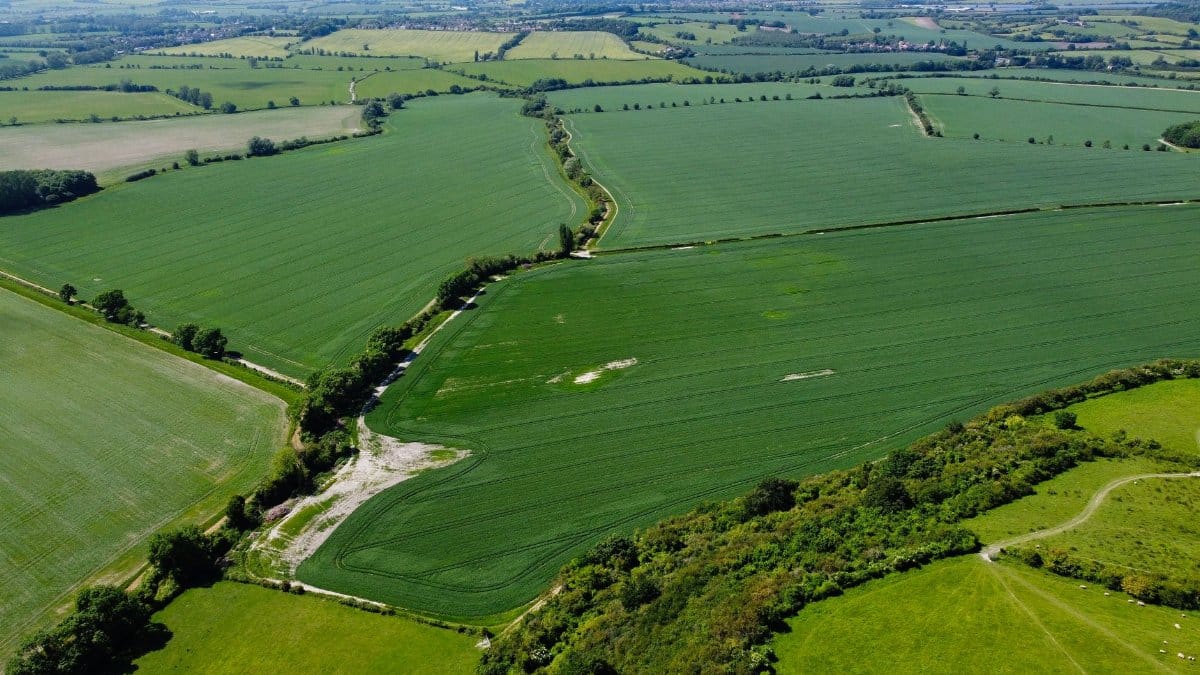
Where public ground is crowded or distant, private permission is the whole season. Farmers and remaining rural owners sit at the center of that bargain. Some still welcome a known hunter who will help with deer pressure and pick up after themselves. Others have been burned by strangers, litter, and cut fences, or they have simply leased to the highest bidder or posted the land and walked away.
Development changes the social math. A landowner who might have said yes to a cousin or a neighbor thinks twice when new residents are watching from three directions and a single complaint can become a township meeting. Liability worries grow. So does the sense that hunting is a hobby imported from somewhere else rather than a local custom.
Programs that connect hunters with owners willing to allow access can help, but they cannot manufacture trust. Trust is built over years of showing up, sharing meat, and leaving gates as they were found. Sprawl shortens the time in which that relationship can form, because the owner may not be there in five years.
More people, fewer places
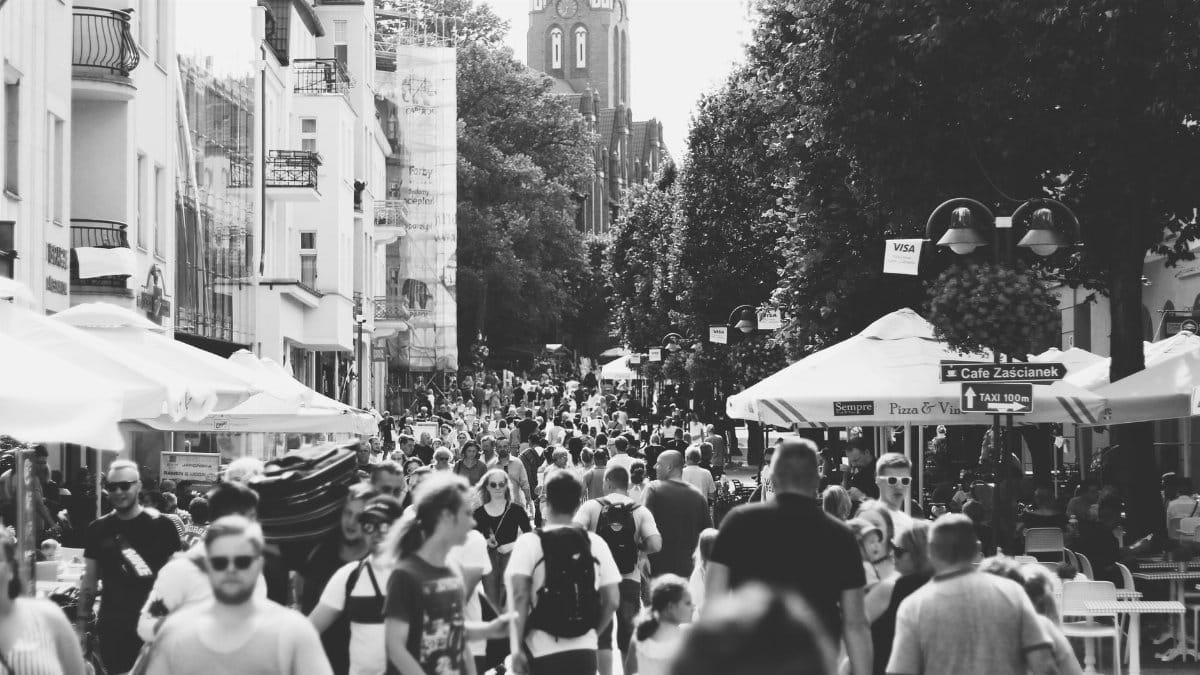
The Twin Cities region keeps adding residents who like the idea of wild food, time outside, and a season with a clear purpose. Interest has not vanished. What has vanished is easy entry. A new hunter who does not inherit a family spot faces a stack of obstacles: education requirements, equipment costs, and then the harder problem of somewhere legal to go.
Crowding follows. The parcels that remain open to the public draw more pressure, earlier arrivals, and shorter tempers. Experienced hunters drive farther, leave earlier, and sometimes skip the near metro altogether. Beginners hear that the good days are gone and many of them believe it. A tradition that depended on proximity becomes a specialty trip.
Competition is not only among people with tags in their pockets. It is among uses. A Saturday that could have been a hunt is also a youth soccer tournament, a trail run, and a leaf blowing marathon. Shared landscapes require sharing time, and hunting is the use most likely to be told it can happen somewhere else.
Conservation money meets a thinner tradition

Hunting licenses and related excise taxes have long helped pay for habitat work and wildlife management in Minnesota, including benefits that nonhunters enjoy: wetlands, public land upkeep, and research. If fewer people living near the cities ever take up the practice, that funding base narrows even while the management job near people grows harder.
This is the awkward civic fact underneath the nostalgia. A metro that wants deer kept in check, wetlands kept wet, and a rural culture kept from becoming a museum exhibit still depends, in part, on people who buy licenses and spend seasons outside. Pushing the activity ever outward does not eliminate the animals or the costs. It relocates both.
None of this requires romanticizing every hunter. Some are careless. Some treat access as a right rather than a favor. The funding argument still holds: a legal, regulated season is one of the few ways a state turns private enthusiasm into public conservation capacity.
What local governments can still choose
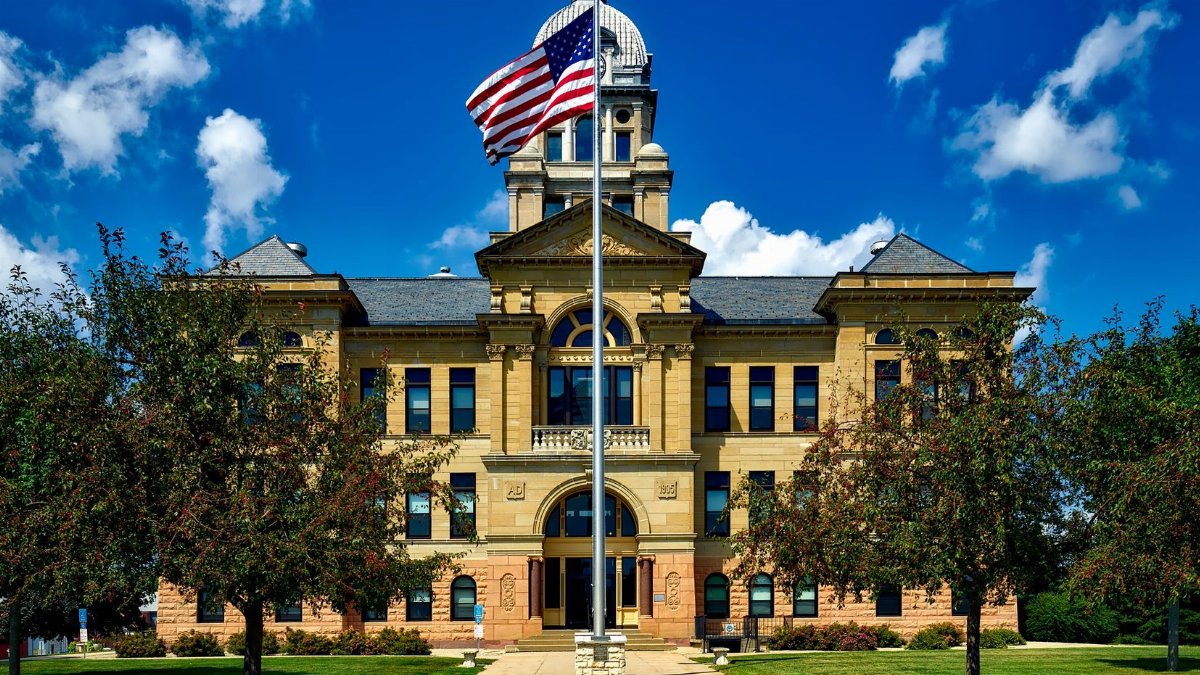
Cities and counties are not powerless spectators. Comprehensive plans can identify agricultural and open space corridors worth keeping, not only as pretty buffers but as working land. Clustered development can leave larger unbroken tracts instead of carving every parcel into lots with a view. Parks departments can be honest about which green spaces are for trails and which, if any, might allow tightly managed hunts when wildlife numbers demand it.
Ordinances can be clear without being theatrical. Residents deserve to know where discharge is forbidden. Hunters deserve rules written in plain language rather than a patchwork that changes at every city limit. Where archery or professional sharpshooting is used to address local deer problems, officials should explain the goal, the safety measures, and the results. Silence breeds rumor, and rumor usually runs against the people holding the bows.
Land trusts and willing sellers offer another path, though not a cheap one. Protecting a farm from the next wave of lots costs real money and real political patience. It is easier to praise open space at a hearing than to tax for it or to turn down a development that widens the tax base.
Adaptation has a limit
Hunters have already adapted. They scout satellite images the way an earlier generation scouted fencelines from a truck. They favor bows in tight cover. They build relationships one landowner at a time. They accept that a season may mean several hours of driving for a few hours of sitting. Some shift toward waterfowl on larger waters or toward trips up north where the suburbs have not yet arrived.
Adaptation is not the same as sustainability. There is a distance beyond which a weeknight hunt stops making sense for a person with a job in the cities and a child who has practice at six. There is a price of gas and tags and missed sleep at which the tradition becomes a luxury. When that happens, the people most likely to quit are not the most dedicated. They are the marginal participants who kept the culture ordinary rather than elite.
Food is part of the loss, though not the whole of it. Venison in a freezer is a tangible argument for the practice. So is the habit of paying attention to weather, wind, and the way a woodlot changes in November. Suburbs can offer trails and bird feeders. They rarely offer that same stake in a particular piece of ground.
A suburb can keep a season if it wants one
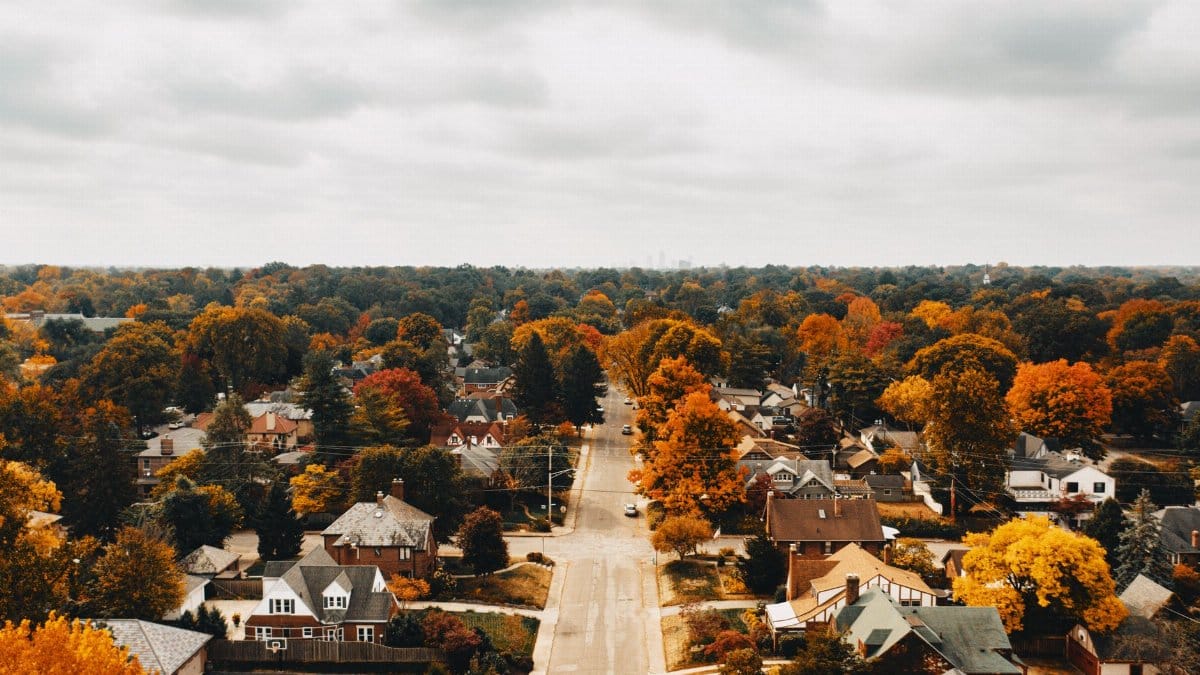
Sprawl is not a natural disaster. It is a series of permits, prices, and preferences. The same region that filled in the fields can decide that some edges should stay edges: farms with long leases, public acres that are actually huntable, and rules that let safe Twin Cities hunting continue where the geometry still allows it.
That choice will not satisfy everyone who wants silence, nor everyone who wants the countryside of their childhood returned intact. It can still be a grown up compromise. Leave enough room, write the rules so a careful person can follow them, and treat access as something a community maintains rather than something it assumes will exist just past the last subdivision. If that work is postponed until the last cornfield is a cul de sac, the argument will already be over, and the only hunters left nearby will be the ones willing to drive until the houses stop.