
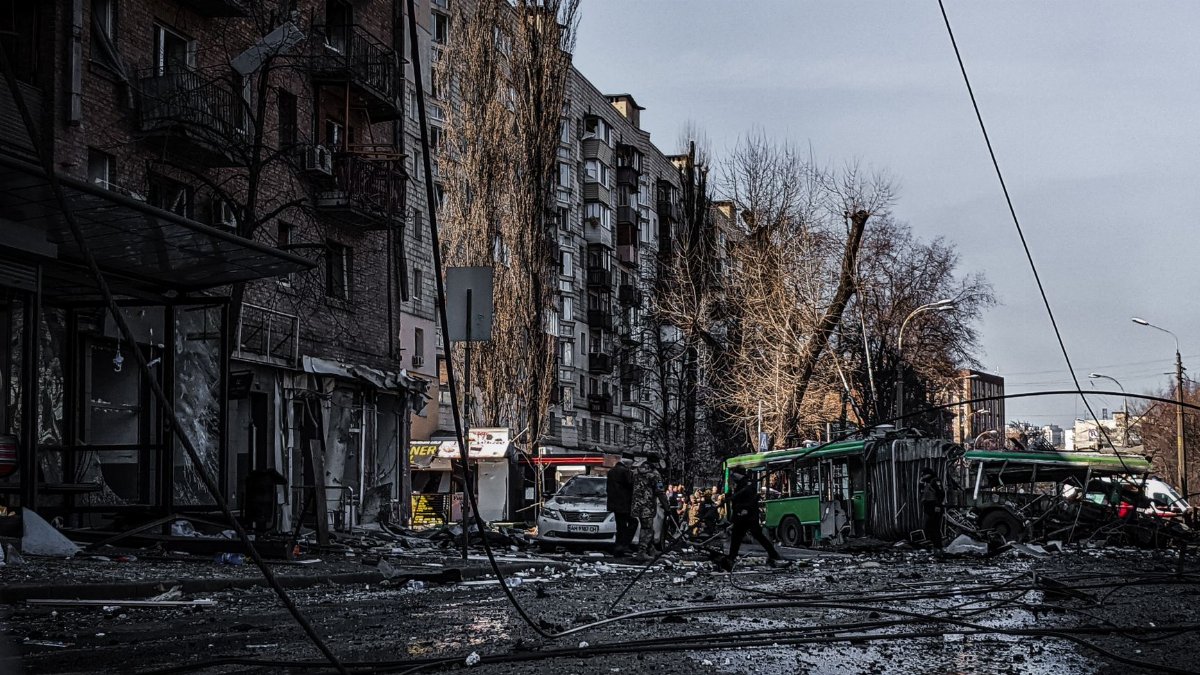
On a gray morning in St. Petersburg, a familiar diplomatic phrase returned to the wire after months of hard silence. The Kremlin said Russia was prepared, in principle, to sit again with Kyiv and Washington. For readers who have watched this war grind through another season, the words Ukraine peace talks carry both hope and a long memory of promises that did not hold. The timing is not abstract. Officials pointed to a window after November 10, following talks that brought an American envoy into the same city as the Russian president. Whether that window opens onto a real negotiation, or merely a photo and a communique, is the question now sitting on three capitals at once.
What the Kremlin actually offered
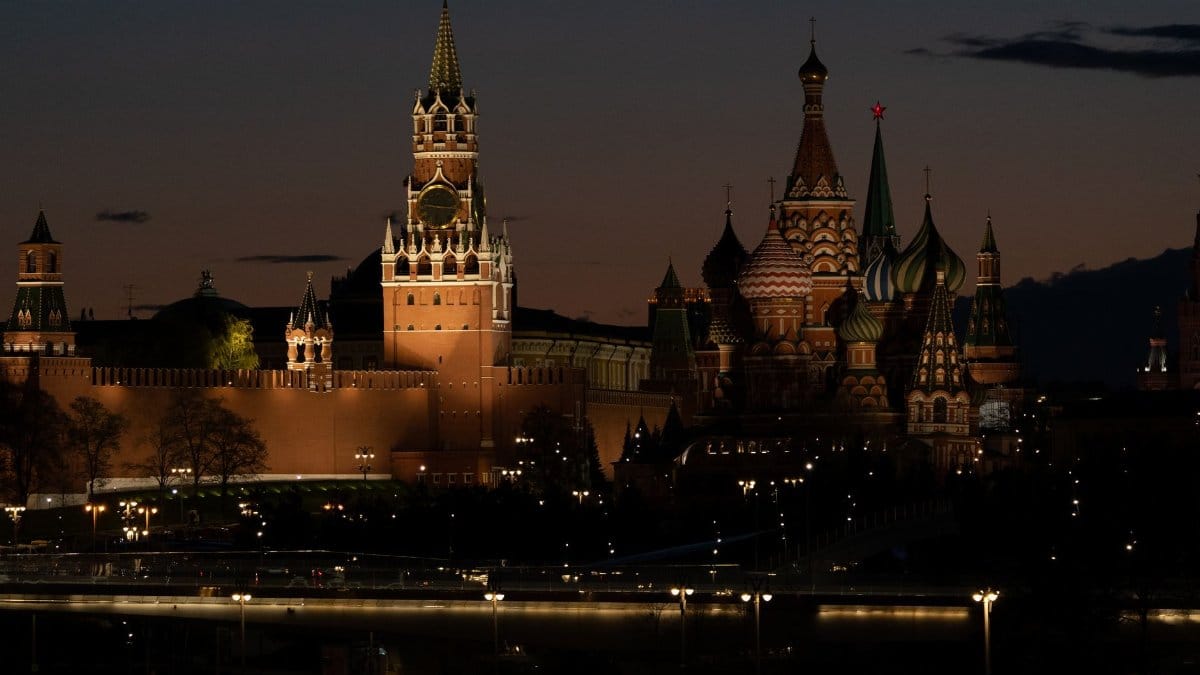
Agreement in principle is not the same thing as a signed agenda. Moscow framed the move as a willingness to resume contact with Kyiv and Washington together, rather than through separate channels that have often produced parallel stories and little movement. The formulation matters. A three way format puts the United States in the room as a participant, not only as a messenger, and it puts Ukraine in the room as a party whose consent cannot be assumed away.
Kremlin language of this kind is usually careful. It signals that a political decision has been made to talk, while leaving the substance for later. Territory, security guarantees, sanctions, prisoners, and the status of occupied land can all be postponed under the heading of procedure. Readers should treat the announcement as a change in posture, not as a draft settlement. Posture can still be important. Wars sometimes shift when leaders decide that refusing a table costs more than sitting at one.
The St. Petersburg meeting and the envoy
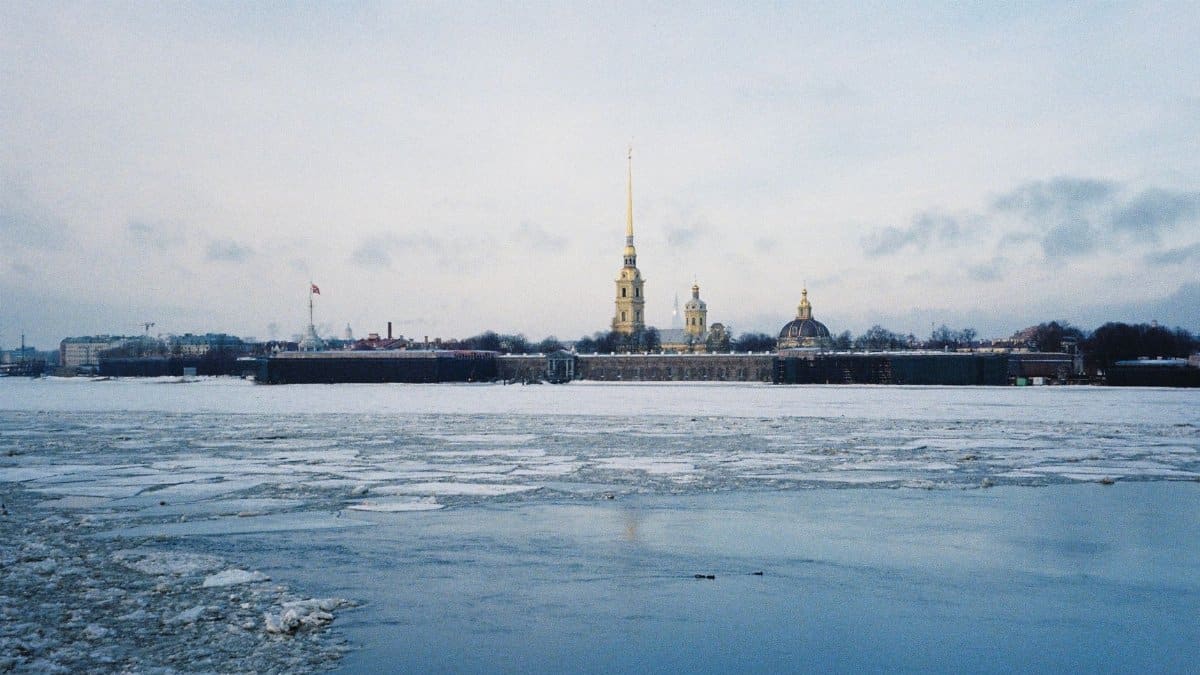
The immediate backdrop is a meeting in St. Petersburg involving a Trump envoy and the Russian president, according to accounts surrounding the Kremlin statement. Envoys are sent when presidents want a channel that is personal enough to move quickly and deniable enough to survive a failure. That is the old craft of shuttle diplomacy, updated for a war that is also fought on television and on social media.
St. Petersburg is not a neutral hall in Geneva. It is a Russian city, chosen by the host, with all the staging that implies. The guest arrives, the cameras record a handshake, and each side writes the story it needs. For Washington, the story is that talking is not the same as conceding. For Moscow, the story is that the United States has accepted a direct conversation on Russian terms of place and timing. Both stories can be true at the level of optics and false at the level of outcomes.
Why the date after November 10 matters

Dates in diplomacy are rarely decorative. A window after November 10 gives each capital a short period to consult allies, brief legislatures, and test whether domestic politics will tolerate another round. It also creates a pause in which expectations can be raised or lowered before anyone has to produce a text. If the talks slip past that window without a clear reason, the announcement will look like a holding action. If they begin on something close to that calendar, the format itself becomes news again.
American politics sits inside that calendar whether diplomats admit it or not. A new administration tests whether campaign language about ending the war can survive contact with maps, casualties, and alliance obligations. Russian politics sits inside it too. The Kremlin does not hold open town halls, but it does manage elites, the officer corps, and a public that has been told the war is both necessary and winnable. Ukraine’s politics are the most exposed of the three, because any concession is felt first by people who have buried neighbors.
What Kyiv is likely to bring to the table
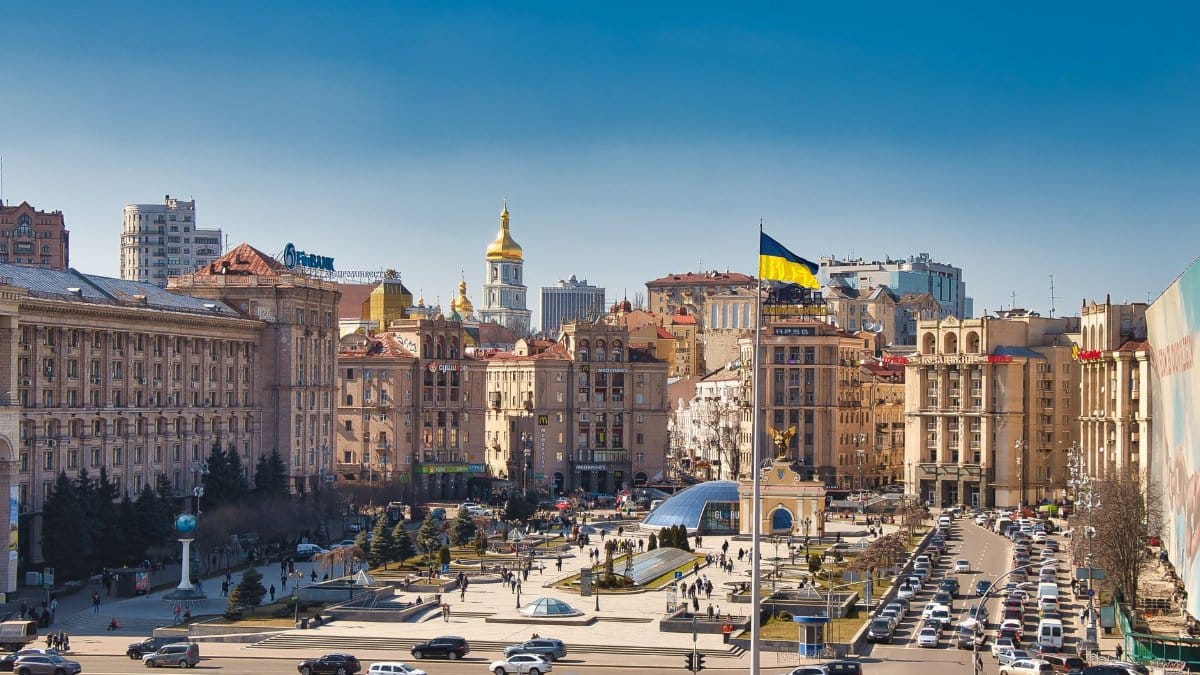
Ukraine has spent years saying that talks without its voice are not talks at all. A three way format answers that objection in form. It does not answer it in substance. Kyiv’s minimum conditions have been consistent in public: restoration of sovereignty, security that does not depend on a promise alone, and accountability for people taken, killed, or deported. Those conditions collide with Moscow’s minimum conditions, which have treated land taken by force as a fact the world should ratify.
Between those poles, negotiators sometimes look for interim steps that do not pretend to solve the war in a weekend. Prisoner exchanges, the return of children, local ceasefires near particular towns, grain corridors, and limits on strikes against energy sites have all been discussed in earlier rounds, with uneven results. None of those steps is peace. Each of them is a test of whether the other side can keep a small promise. Failed small promises are one reason larger promises are met with skepticism in Kyiv.
Washington’s narrow path

The United States enters any revived Ukraine peace talks with leverage and with constraints. Leverage comes from weapons, intelligence, sanctions, and the ability to shape what European partners will accept. Constraints come from the same list. Pull support too fast and Kyiv’s position on the ground weakens before a bargain is written. Keep support unchanged and Moscow can claim that Washington is negotiating with one hand and arming with the other. Both criticisms will be made no matter what the envoy does in the next round.
A serious American approach would separate channels. One channel would press for humanitarian measures that can be verified. Another would test whether security arrangements short of NATO membership can be made credible to Ukrainians who remember the Budapest memorandum. A third would keep European governments from being treated as an audience. None of that is glamorous. It is also the only way a three way photo does not become a two way deal presented to Ukraine after the fact.
The battlefield that speeches cannot erase
Talks do not freeze artillery. In the weeks around a diplomatic announcement, commanders on both sides often try to improve the map they will later call a fact. That pattern is grim and familiar from other wars. It means that a statement from St. Petersburg can coincide with harder fighting in Donbas, along the Dnipro, or against cities whose names American readers learned only after 2022. If casualties rise while envoys speak of calendars, public trust falls on all sides.
Military reality also limits what a negotiator can sell. Lines that have moved little for months create a temptation to freeze them. Lines that are still moving create a temptation to wait. Neither temptation is a strategy. A freeze that rewards the last successful assault teaches the lesson that force works. A refusal to freeze while cities lose power and heat teaches a different lesson, that diplomacy is a press release. The envoy’s job is to find a sequence in which neither lesson becomes the only one.
Europe is not a footnote
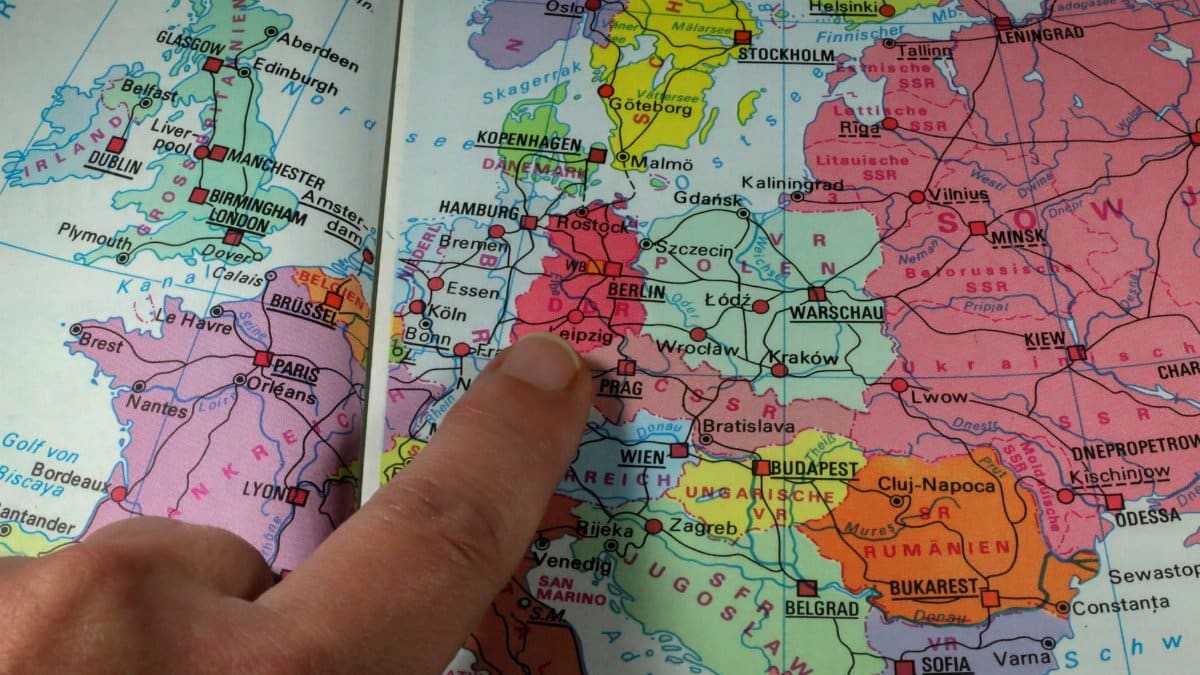
A format built around Moscow, Kyiv, and Washington leaves Brussels, Berlin, Paris, Warsaw, and London in a strange position. They pay for a large share of Ukraine’s budget and shelter millions of refugees. They also live next to the war in a way the United States does not. If a bargain touches EU membership, reconstruction money, or sanctions relief, European capitals will have a veto in practice even if they lack a chair in the first meeting.
That is not a reason to dismiss the three way idea. It is a reason to watch who is briefed, and when. A process that informs Europe after decisions are framed will meet resistance in parliaments that must vote the money. A process that treats Europe as a silent donor will meet resistance of another kind, the quiet kind that shows up as delayed aid and hedged statements. Peace, if it comes, will be financed and policed by more than three flags.
Sanctions, prisoners, and the small print

Large wars are often nudged by small print. Sanctions relief is the lever Moscow wants and the lever Western governments are most reluctant to pull without something irreversible in return. Prisoner lists are the lever families understand without a briefing. Energy infrastructure, ports, and nuclear sites are the levers that turn a military problem into a civilian one overnight. Any resumed contact will be judged, in the first month, by whether one of these files moves.
Verification is the dull word that decides whether movement is real. A corridor that is promised and then shelled is worse than no corridor, because it teaches civilians not to trust the next one. A prisoner exchange that is filmed and then followed by new arrests teaches the same lesson in a different uniform. Diplomats know this. Publics learn it faster than communiques admit.
Public patience in three countries

American readers have lived with this war as a debate about cost, values, and risk of a wider conflict. Ukrainian readers have lived with it as a fact of daily life: alerts, funerals, displaced schools, and a state that must fight and govern at the same time. Russian readers have lived with it through official narratives that admit sacrifice while denying strategic error. Those three publics will not hear the same sentence when a spokesman says talks may resume.
Patience is not infinite in any of them. In the United States, patience is measured in congressional votes and in the attention of people who also worry about prices, borders, and their own towns. In Ukraine, patience is measured in whether a negotiation looks like a path home or like pressure to surrender. In Russia, patience is harder to measure and easier to punish, which does not make it unlimited. A process that ignores any of those audiences will be brief.
What earlier rounds taught

This is not the first time the phrase Ukraine peace talks has been attached to a calendar. Istanbul, earlier contacts through intermediaries, and countless rumors of back channels have produced documents, leaks, and recriminations. The lesson is not that talking is futile. The lesson is that talks fail when one side treats them as a pause to rearm without saying so, and when outside sponsors confuse a meeting with a settlement.
Another lesson is about language. Words like neutrality, guarantees, and demilitarization have been used to mean opposite things in opposite capitals. A resumed format will need plain terms: who controls which ground on which date, who pays for reconstruction, who monitors a line, and what happens if the line is crossed. Plain terms are harder to celebrate. They are also harder to fake.
The risk of a process that exists only to exist

There is a quieter danger than collapse. It is the danger of a process that continues because ending it would be embarrassing. Meetings are scheduled. Working groups are named. Nothing on the ground changes, and each capital claims the other is the obstacle. That pattern can last for years. It can also anesthetize publics that might otherwise demand either a real bargain or an honest statement that none is available.
The antidote is criteria set in advance, even if they are modest. Did the sides meet after November 10, as suggested? Did they publish an agenda that names issues rather than atmospheres? Did a humanitarian file move within a defined period? If the answers are no, the announcement should be described as what it was: an opening that did not open. Journalism that keeps score on those questions serves readers better than journalism that recycles hope on a loop.
How to read the next communique

When the next statement appears, a few checks are worth more than the adjectives. Who is named as attending, and at what rank? Is Ukraine speaking for itself, or being summarized by others? Is the United States described as a mediator, a party, or a guarantor? Are European governments mentioned as partners or omitted? Is there a date for a second meeting, or only praise for a first one? Does the text mention the battlefield at all?
Tone is a weak guide. Warm language can cover a stall. Cold language can cover a real concession that leaders are not ready to celebrate. The map, the prisoner lists, and the flow of weapons and money will tell more than the adjectives. So will the question of whether civilians in Kharkiv, Odesa, and smaller towns notice anything except the next strike.
A narrow opening, not a verdict

Russia’s willingness, as stated by the Kremlin, to resume three way contact with Kyiv and Washington is a fact of this news cycle. It is not a verdict on the war. The envoy’s trip to St. Petersburg shows that Washington is testing whether a direct channel can do what indirect ones have not. Ukraine’s participation, if it holds, shows that Kyiv still prefers a seat to a silence imposed by others. None of those facts predicts a treaty.
For a broad American audience, the useful stance is attentive rather than enchanted. Ukraine peace talks deserve coverage when they are real, and skepticism when they are staged. The difference will show up after November 10, in whether three capitals can agree on a room, an agenda, and one promise small enough to keep. Until then, the war continues on its own clock, which has never waited for a spokesman.