
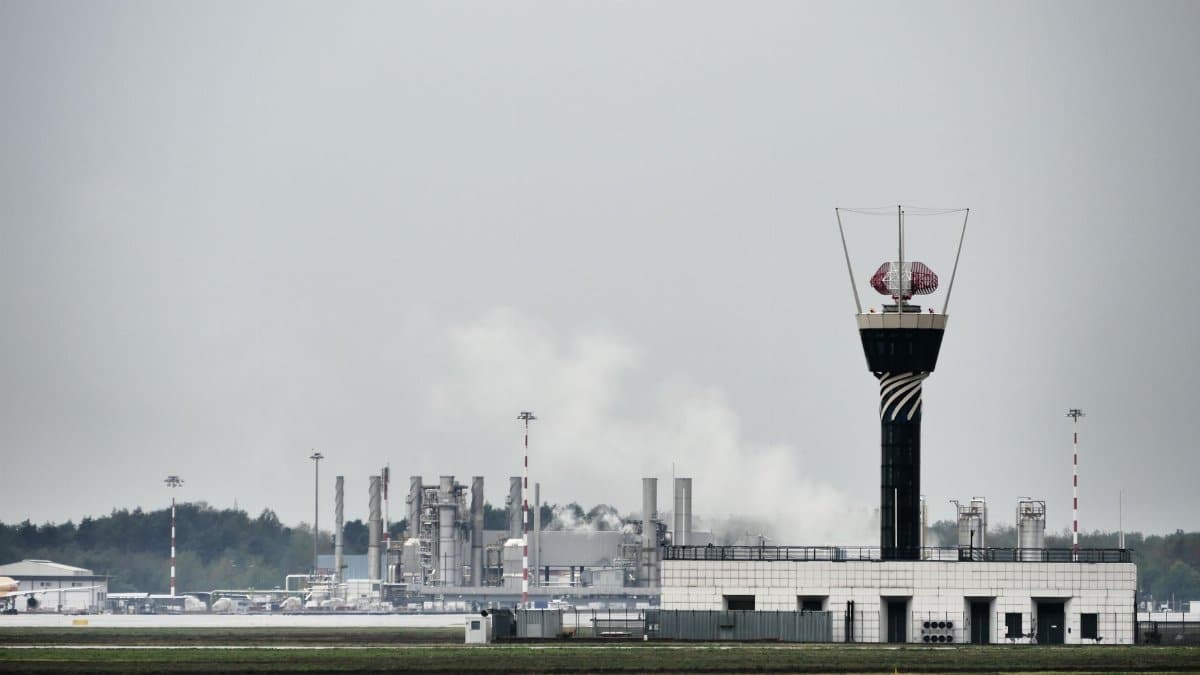
On a clear October morning, the queues at Italian departure gates told a quieter story than the night before. Controllers were back to a normal flow, airlines were rebuilding schedules, and Italy air traffic returned to the ordinary vocabulary of a country that lives by tourism, business travel, and tight European connections. The disruption had been technical rather than meteorological, which made it both easier to explain and harder to shrug off. A data network problem inside the national air navigation system had forced a sharp reduction in capacity. By the afternoon of October 16, the company that runs the system said full capacity was restored. For passengers still waiting on a missed connection in Rome or Milan, restoration on a screen and restoration in the terminal are not the same thing.
A night when the sky slowed

ENAV, the Italian company responsible for air navigation services, reported that an overnight problem in its data network compelled a precautionary cut in traffic. Public accounts put that cut at about half of normal capacity. Half is not a minor inconvenience in a system built on precise spacing. Each aircraft needs a protected bubble of time and distance. When the tools that feed controllers their picture of the sky become unreliable, the safe response is to accept fewer airplanes, not to gamble on memory and radio calls alone.
The timing mattered. Overnight windows are when networks are often updated, tested, or quietly repaired. A fault that surfaces then can spill into the first banks of morning departures, which in Italy feed domestic hops among Rome, Milan, Naples, and Venice and also the first wave toward Paris, Frankfurt, London, and Madrid. A delay at dawn becomes a missed slot at noon somewhere else on the continent.
What full capacity means after a cut

Restoration is a technical statement and a social one. Technically, it means controllers can again accept the volume the system was designed to handle, with the data links and flight plans that make that volume safe. Socially, it means airlines can stop protecting the schedule and start repairing it. Italy air traffic does not snap back like a light switch. Aircraft and crews are already out of position. A plane that should have left Milan for Palermo at dawn may be sitting with the wrong crew limits. A departure bound for New York may have lost its window and now waits for a new slot.
Passengers experience this lag as confusion. The airport display says on time, then delayed, then contact airline. Gate agents, who did not design the network, absorb the frustration. The honest explanation is unsatisfying. The sky is open again, but the airplanes and the people who fly them are still catching up.
Rome Milan and the tourist cities
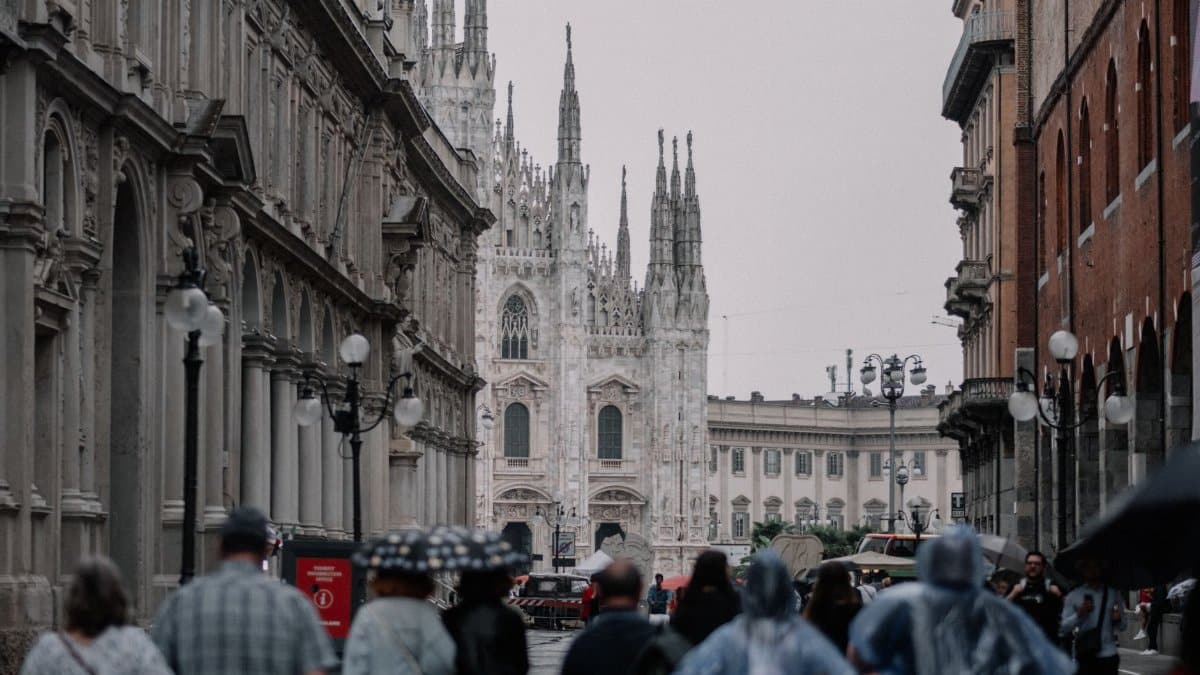
Italy’s largest airports concentrate both the risk and the recovery. Rome Fiumicino and Milan Malpensa handle long distance flights and much of the connecting traffic. Linate, closer to the center of Milan, is a shuttle airport where business travelers expect frequent departures. Venice, Florence, Naples, Catania, and Bologna add seasonal pressure that does not respect a technical timetable. In October the summer crush has eased, but conference goers and families still fill security lines.
A capacity cut hits these places differently. A hub can rebook some travelers if seats exist. A city with fewer daily frequencies cannot. Someone trying to reach Sardinia or Sicily after a morning cancellation may lose the whole day, and with it a hotel night, a family gathering, or a medical appointment. The network failure is national. The injury is local.
Controllers and the tools they trust

Air traffic control is often imagined as a room of headsets and radar screens. The less visible layer is the data network that carries tracks, flight plans, weather, and coordination messages between centers. Italian controllers work within a European system in which neighboring countries must know what is about to enter their airspace. If one nation’s data path degrades, neighbors may have to slow arrivals even when their own equipment is healthy.
That interdependence is a strength on ordinary days and a vulnerability on bad ones. Europe has spent years trying to stitch national systems into something closer to a single sky. Progress is real, and so is the remaining patchwork. When Italy air traffic is constrained, the delay does not stop at the Alps or the Adriatic. It shows up as a longer path into Zurich, a hold near Marseille, or a gate change in Amsterdam that nobody in those cities can fully explain.
Airlines count the cost in more than fuel
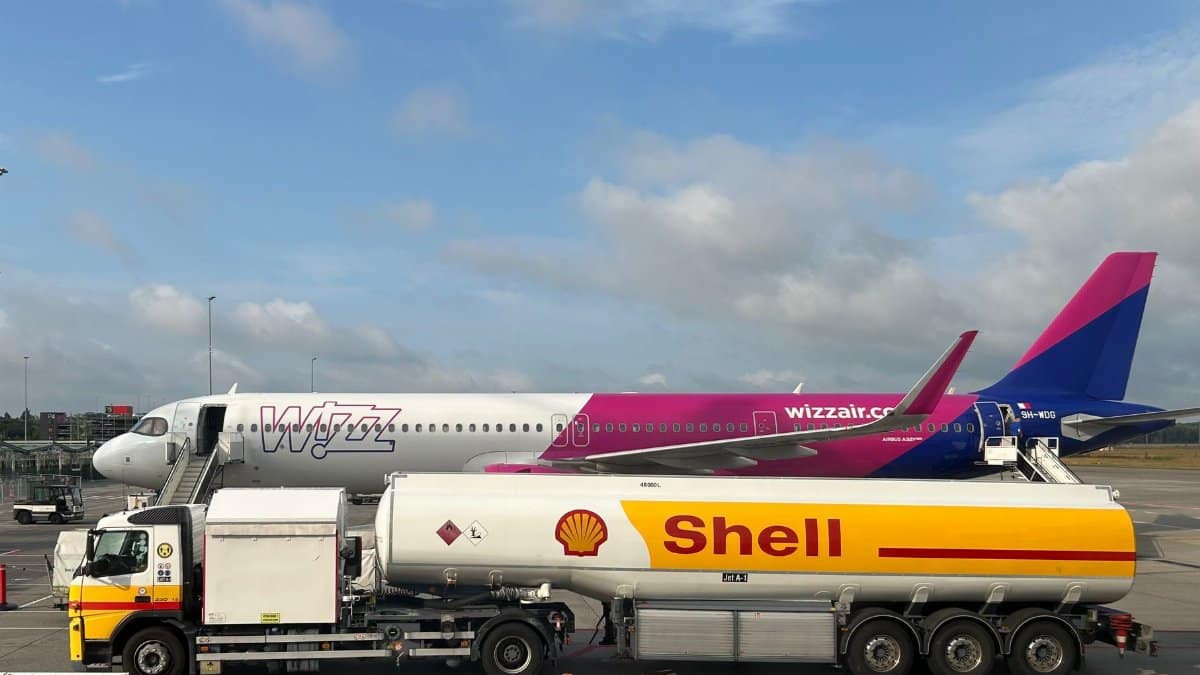
Carriers absorb a disruption in several currencies. Fuel is the obvious one, since airplanes that circle or taxi for long periods burn money. Crew duty time is the quieter cost. A captain who starts the day late may be legally unable to finish the last sector. Spare crews are not waiting in every Italian city for a network to fail. Maintenance plans slip.
Airlines that turn airplanes quickly feel a capacity cut as a broken chain. A single late arrival can knock later flights off their plan. Carriers with more slack can hide some of the pain, then reveal it when connections to North America and Asia are at stake. Neither model is immune. Both will tell passengers the same terse thing. We are sorry, and the delay sits outside our control.
The passenger in the middle

For the traveler, rights and reality diverge. European rules on compensation and care are well known in outline and poorly understood in the moment. A technical failure in air navigation is not the same, legally, as an airline that failed to staff a flight. Whether a passenger is owed money, a hotel, or only a new routing depends on who is judged responsible and on how the airline classifies the cause. That argument happens later, often by email, often after the trip is already damaged.
What matters in the terminal is simpler. A truthful estimate, water, and a path onto another flight. Families with children, older travelers, and anyone with a medical schedule have the least flexibility. Airports can open extra desks. They cannot manufacture seats on a full afternoon flight to London. Italy air traffic can be restored at the national level while a specific person still waits on a bench.
Why data networks are now part of safety
It is tempting to treat a network problem as a footnote, less serious than a storm or a strike. That distinction no longer holds. Modern separation standards assume that controllers see a shared picture and that flight data moves cleanly from tower to approach to en route center. When that assumption fails, capacity must fall. The reduction to about half of normal flow was a safety decision expressed as an operational limit.
Redundancy is the usual answer, and it is incomplete. Backup links can fail together if they share power, a software load, or a vendor. Testing backups during live operations is itself a risk. The public rarely hears about the nights when a switch to backup works. It hears about the morning when the switch does not.
A continent that shares the delay
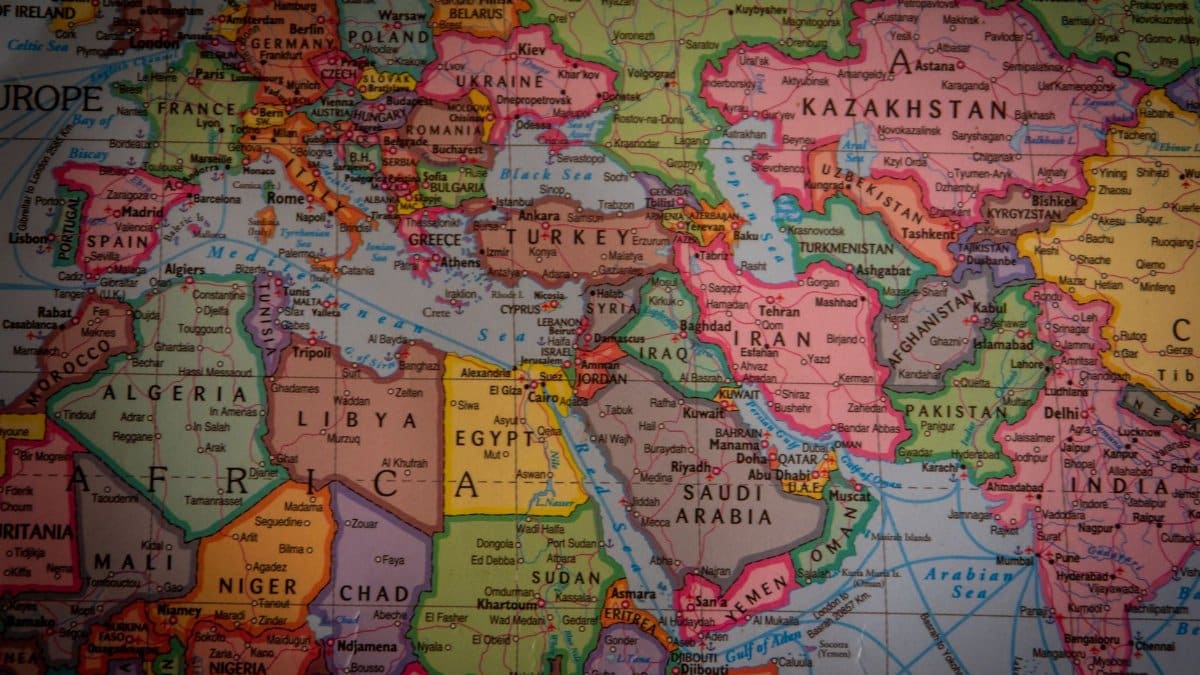
The European network manager exists in part to spread delay when one region cannot take its usual share of flights. Restrictions that keep airplanes on the ground, rather than circling, are the instrument of that sharing. They are also why a traveler in Dublin can be held by a fault in Rome without ever seeing an Italian airport.
This is the logic of a dense continent. Italy sits on routes between northern Europe and the Mediterranean, and on paths that continue toward Africa and the Middle East. Its airspace is not a private room. When ENAV restored full capacity on October 16, the benefit reached airlines and passengers far from Italian soil. The same will be true the next time another country’s center has a bad night.
What travelers can reasonably ask

No report can promise that the next fault will be shorter. Travelers can still limit the damage. A morning cancellation may still leave a same day alternative, while an evening failure often means a hotel. Separate tickets, especially a short hop followed by a long international leg, leave the passenger holding the risk.
Airports and airlines owe clearer language. Operational reasons is a fog. If the cause is a data network at the navigation provider, say so, and say when capacity returned. Italy air traffic is a public service even when a company delivers it. People rearrange work, family, and medical care around it. They deserve a sentence they can understand.