
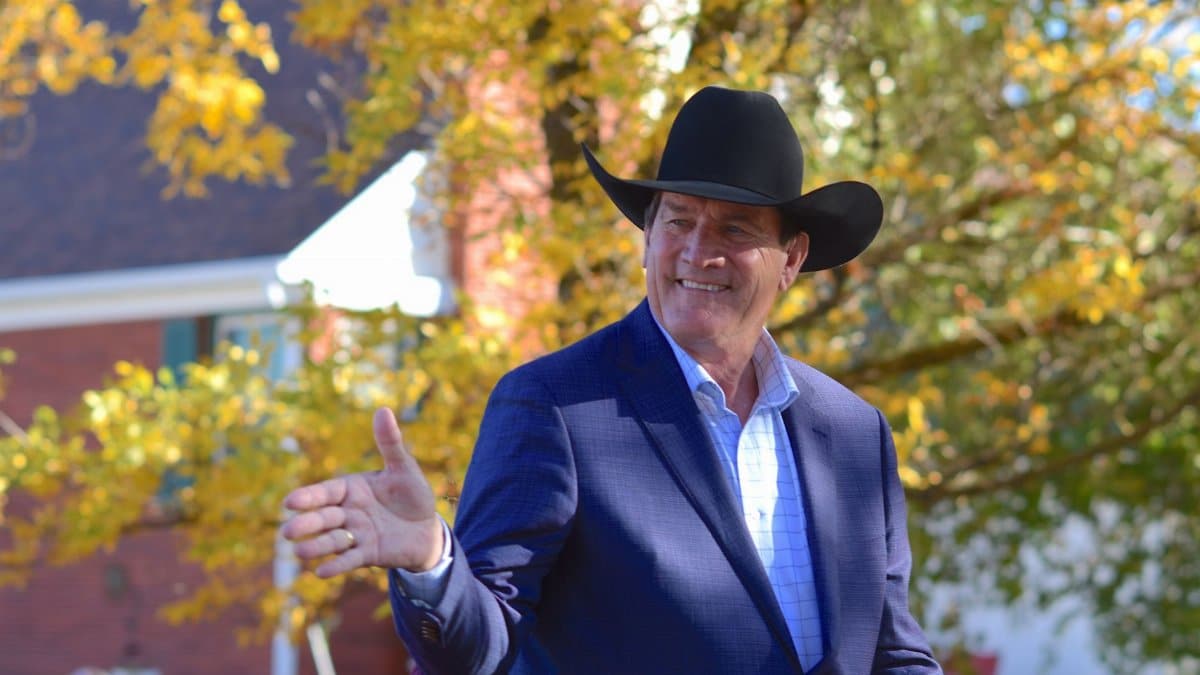
On a gray Saturday in Doylestown, volunteers sorted palm cards outside a row of storefronts while traffic idled near the bypass. The scene looked familiar for a congressional year in Bucks County, yet the resources behind it did not. Reporting in The Philadelphia Inquirer describes Fitzpatrick campaign spending as on pace to surpass the combined cost of his previous three races, a scale that speaks to the national climate as much as to one moderate Republican trying to hold a seat Democrats want back. In a county where yard signs still matter and diners still fill on Sunday, the quiet math of receipts and outlays is becoming the loudest part of the story.
A county that rarely lets a race stay local

Bucks County has long been a proving ground for arguments that begin somewhere else. Presidential campaigns test messages here. Governors treat the river towns and the newer subdivisions as a readout on the rest of Pennsylvania. Rep. Brian Fitzpatrick has built a career on the idea that a Republican can survive that scrutiny by sounding independent, showing up at local events, and keeping some distance from the louder edges of his party. That brand is costly to maintain when the other party believes a wave is forming.
The cost is not only television. It is staff who know which township meetings draw a crowd, mail that has to look neighborly rather than national, and digital ads that follow voters from a school board fight to a congressional spot. When national strategists talk about a blue wave, they are often talking about places like this one, where a few thousand votes can move a seat and, with it, a story about the House. Fitzpatrick has won in that environment before. Winning again, if the Inquirer account of the money holds, will not be a quiet reprise of those earlier nights.
What the reporting actually establishes

The Philadelphia Inquirer has framed the contest between Fitzpatrick and Democrat Bob Harvie as a finance story as well as a personality story. Its account, available in its politics coverage of the Pennsylvania race, says the incumbent is on track to spend more than his last three campaigns combined. That is a comparative claim, not a moral one. It does not, by itself, prove that voters are being bought, nor that the challenger is starved. It does mark a break with the rhythm of Fitzpatrick campaign spending in cycles when the seat looked less like a national prize.
Readers should treat any single snapshot with care. Campaign committees file on a calendar that lags the ads people already saw. Joint fundraising, party transfers, and independent groups sit in different columns. A candidate can look flush in one report and constrained in the next. The useful question is not whether a headline number feels large. It is whether the pace, measured against prior Fitzpatrick races and against the opponent in front of him, suggests a different kind of campaign than the district has recently known.
What heavy spending usually purchases

Money in a suburban House race buys time, repetition, and the ability to answer. A well funded incumbent can stay on television through late summer, when many voters are not yet paying attention, and still have cash for the weeks when they are. He can test a line about taxes in one zip code and a line about public safety in another. He can put a field office in a town that will never make a national segment. None of that guarantees affection. It does reduce the chance that an attack sits unanswered for a weekend.
There is a second purchase that is easier to miss. Scale lets a campaign look inevitable to donors who hate uncertainty. Consultants, vendors, and local party chairs read finance reports the way bettors read a racing form. A steep spending pace signals that the incumbent intends to define the race early, and that allies should not wait for October to decide whether the seat is worth their trouble. In that sense the budget is also a message, sent to people who will never see the ad.
The case Democrats want Harvie to carry
Bob Harvie enters the contrast as a Bucks County figure rather than a celebrity recruit. Democrats have argued for years that Fitzpatrick’s moderation is a costume, useful in even years and thin when party line votes in Washington are counted. Harvie’s task, if he is to make that argument stick, is to sound like someone who already sits in the same civic rooms as the voters he wants, not like a spokesman flown in to recite a wave narrative.
A spending gap, if it persists, shapes how that argument can be delivered. A challenger with less money has to choose. He can chase the incumbent onto television and risk looking small, or he can concentrate on doors, local media, and a shorter list of attacks. I have watched suburban campaigns treat cash as a substitute for trust, and the substitution rarely holds all the way through October. Trust still has to be earned in rooms where a glossy ad cannot follow. Harvie’s disadvantage, if the finance picture stays lopsided, is that he may get fewer of those rooms on his own terms.
Outside groups and the local brand
Incumbents rarely advertise alone. Party committees and outside groups arrive with their own scripts, sometimes helpful and sometimes clumsy. A candidate who has spent years cultivating a local brand can watch that brand get crowded by a national spot that uses his name as a prop. The same is true for the challenger. A wave, if it is real, brings allies. It also brings messages calibrated for a generic swing seat, not for the particular grievances of a township along the Delaware.
Voters seldom sort these sponsors with a lawyer’s care. They remember the claim, not the disclaimer. That is why campaigns obsess over coordination rules even as they publicly shrug at independent spending. The incumbent’s own budget is the part he can fully control. When Fitzpatrick campaign spending accelerates, it is in part an attempt to keep his voice louder than the chorus gathering around the race. Whether voters hear him as independent, or as a man spending heavily to insist that he is independent, is the political risk buried in the invoices.
How earlier cycles still hang over this one

Fitzpatrick’s previous races are not ancient history in this district. Neighbors remember the tone, the mail, the sense of whether the contest felt local or imported. Beating the combined cost of three of those campaigns is not the same as tripling the persuasion. Some of the new money will replace inflation in television rates. Some will pay for tools, data, and compliance staff that simply cost more than they did a few cycles ago. Some will be defense against a map of attacks that did not exist when his coalition looked safer.
Still, comparisons exist because they mean something. A candidate who could win with a leaner operation and now builds a much larger one is telling donors that the old math is not enough. He is also telling opponents that he will not conserve resources for a late surprise. The public record of filings, which the Federal Election Commission posts for anyone willing to read the forms at fec.gov, is the place to test whether that signal survives the next reporting deadline. Journalism can describe the pace. The filings are what keep the description honest.
What voters actually encounter
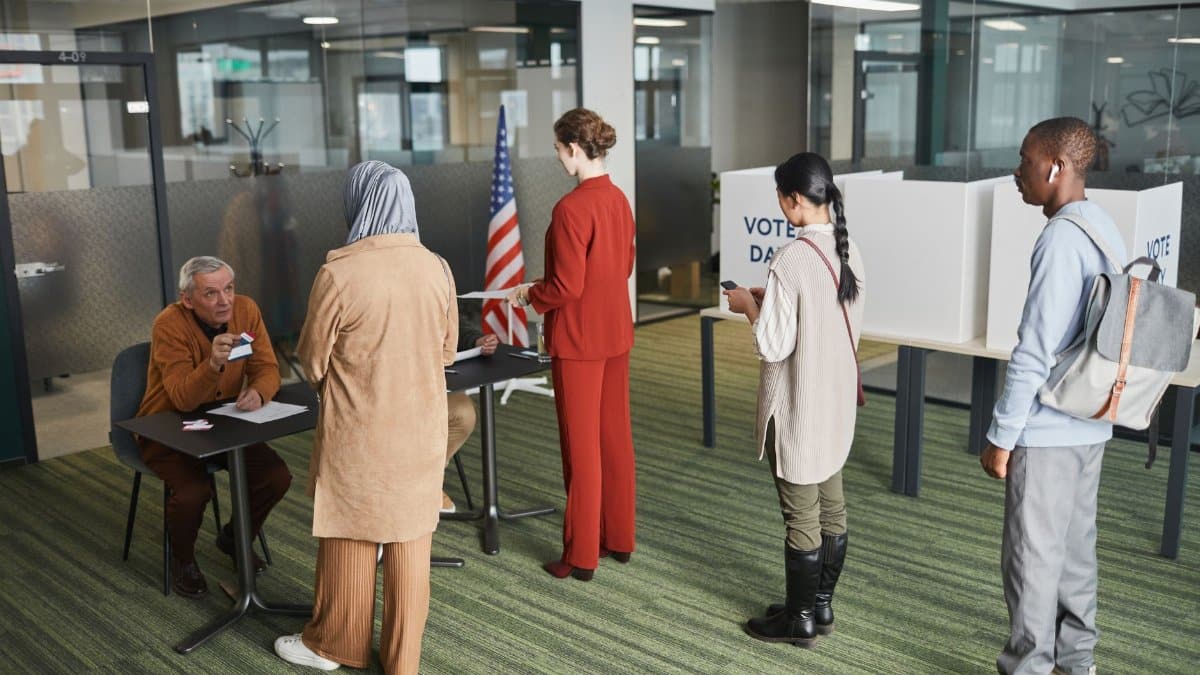
Most residents will never open a finance report. They will meet the race as a commercial during a ballgame, a postcard on the counter, a text that arrives while they are picking up a child, or a knock they may or may not answer. Volume changes that encounter. A household that sees one ad can ignore it. A household that sees the same face for months starts to treat the face as part of the furniture of the season. Familiarity is not endorsement, but it is a head start.
There is a fatigue that comes with that head start. Suburban voters in a place as canvassed as Bucks County have learned to hear the machinery. They notice when every issue, from grocery prices to a local bridge, arrives wrapped in the same urgent music. Heavy Fitzpatrick campaign spending can buy repetition. It can also train people to mute the repetition. Campaigns that forget this tend to confuse a full log of airtime with a full reservoir of goodwill.
The limits of a spending lead

History is full of candidates who outspent the field and lost, and of candidates who looked underfunded until a late shift made the money matter less than the mood. A wave, if one develops, is exactly that kind of shift. It does not erase a financial advantage. It changes the price of every additional vote. An incumbent may need more ads to hold voters who were inexpensive to hold two years earlier. A challenger may find that a smaller buy lands because the audience has already moved.
That is why a spending headline should not be read as a prediction. It is a description of effort and of fear. Candidates spend at this scale when they believe the seat is in play and when they believe the other side will not be polite about it. Fitzpatrick’s allies will call the budget prudence. His critics will call it proof that the moderate pose requires constant paid reinforcement. Both readings can be argued from the same invoices. Neither is settled until ballots are counted.
Donors, small checks, and the story each check tells

A campaign budget is also a sociology of who feels implicated. Large donors often give because a seat affects a majority, a committee, or a regulatory fight they care about in Washington. Smaller donors give because a name feels like their side of a cultural argument, or because a neighbor asked. If Fitzpatrick campaign spending is rising faster than in his recent past, part of the explanation may be national money chasing a majority, and part may be local money worried that a wave will not stop at the congressional line.
Harvie’s donor list, as it fills out in public filings, will tell a parallel story. A base that gives early in small amounts can sustain a ground game even when television remains out of reach. A base that waits for national validation may arrive too late to set the terms. Neither pattern is virtuous by itself. Each reveals whether the race feels owned by the county or rented by people who discovered Bucks County on a targeting spreadsheet.
A finish measured in more than receipts

The weeks ahead will test whether money can still localize a national argument. Fitzpatrick will try to keep the conversation on his record, his accessibility, and the claim that Bucks County is not a backdrop for someone else’s wave. Harvie will try to make Washington votes feel like local consequences, and to do it often enough that a smaller budget still registers. Reporters will keep translating filings into sentences. Voters will keep translating those sentences into a shrug, a yard sign, or a ballot.
What should not get lost is proportion. A pace that exceeds three prior campaigns is news because it marks intensity, anxiety, and the price of a competitive suburban seat in a year when control of the House feels close at hand. It is not, on its own, a verdict on either man. The Inquirer has put the spending comparison in front of readers early enough that they can watch whether the money produces a sharper argument or only a louder one. In Bucks County, those have never been the same thing.