

On a weeknight when many Minneapolis parents would rather have been home with dinner and unfinished homework, they filled a board room instead. The subject was Minneapolis schools closure, and the fear in the room was plain. A familiar building, a short walk, a set of teachers, and a morning routine could disappear before the next school year. By the end of the meeting, that threat had been set aside. The Minneapolis Public Schools board dropped a plan that could have closed as many as 16 schools next fall, after residents made it clear they would not accept the idea in silence. The reprieve is real. It is also incomplete.
A plan that reached the public and then stalled

District leaders had been preparing families for a hard map. Enrollment has fallen. Some buildings hold far fewer students than they were built to serve. Budgets are tight, and the cost of keeping every site open does not shrink just because classrooms are quieter. Closing schools was presented as one way to match the district to the students it actually has.
The scale of the proposal is what turned a budget conversation into a civic one. Up to 16 schools is not a trim at the edges. It is a redrawing of daily life across large parts of the city. Parents heard the number and understood that their own building might be on a list even if no one had yet said the name out loud. That uncertainty did its own damage. Families began asking whether to wait, transfer, or leave the district entirely.
The board did not adopt the closures. Strong community opposition, described in local reporting and visible in packed meetings, pushed leaders to scrap the timetable for next fall. For families who had been counting the months, the decision landed as relief. For administrators staring at spreadsheets, it landed as a delay of a problem that has not gone away.
Why the district believed it had to act

Large urban districts across the country are living with the same arithmetic. Fewer students mean less state aid tied to enrollment. Fixed costs remain. A boiler does not care that a wing is half empty. A principal, a nurse, a custodian, and a bus route still have to be paid for. When too many buildings operate well below capacity, the district spends money on space rather than on the teaching that families notice.
Minneapolis has also been living with years of uneven trust. Pandemic disruptions, debates over academics, and competition from charter schools and suburban districts have all pulled students away. Some of that loss may reverse. Much of it reflects smaller birth cohorts and families who have already made another choice. A closure plan is, in that sense, an attempt to govern the district that exists rather than the district officials wish they still had.
None of that arithmetic is abstract to a finance office. It becomes abstract, and then cruel, when it is translated into a recommendation to shut a school that a neighborhood treats as a landmark. The board heard both versions of the truth in the same week.
The parents who refused a quiet ending

Opposition did not arrive as a single slogan. It arrived as testimony. Parents described children who had already changed schools once and should not have to do it again. Teachers described programs that work because the staff knows the families, not because the building is new. Neighbors described what happens to a block when the school goes dark and the playground is locked on a Saturday.
Some speakers were angry. Some were measured. The common thread was a refusal to treat closure as a technical fix. They argued that the district had asked them to absorb instability while offering too little detail about where students would go, how transportation would work, and which programs would survive the move. In a city where school choice already feels like a second job, another forced change read as one burden too many.
Board members are elected to withstand that pressure and still make hard calls. They are also elected to notice when a proposal has lost the public before it has earned a vote. Scrapping the plan was a recognition that consent matters in a system that depends on families choosing to stay.
Empty seats and a city that has changed
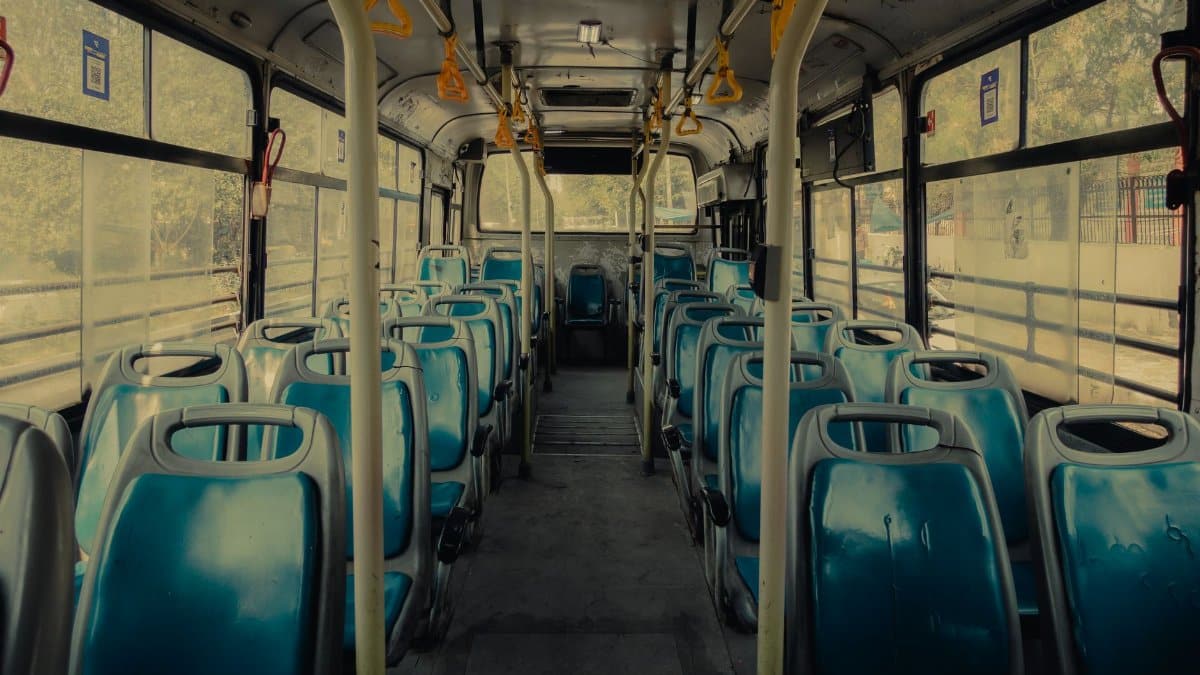
The case for Minneapolis schools closure rested on a visible mismatch. Walk through some buildings on a Tuesday and the quiet is not peaceful. It is expensive. Classrooms designed for larger cohorts sit unused. Specialists split their weeks across sites. Course offerings thin out because there are not enough students to fill a section. Leaders argued that consolidation could restore depth: more electives, more support staff in one place, a fuller roster for teams and clubs.
That argument has force. A half empty high school cannot offer the same menu as a full one, no matter how devoted the faculty is. Elementary schools with very small grade levels struggle to group students well. Consolidation, done with care, can improve what children actually receive during the day.
The trouble is that care is the part families did not yet see. A list of possible closures without a credible story about receiving schools feels like subtraction. Residents were asked to accept loss now and trust that quality would follow later. After years of plans that shifted, that sequence was a hard sell.
What a closed building takes with it
A school is a address, but it is also a schedule. It decides who walks together in the morning and who waits for a bus in the dark. It decides whether a grandparent can pick up a child without a car. It decides which languages are heard in the office and which holidays are understood without explanation. When a building closes, those arrangements do not transfer neatly. They have to be rebuilt, and some of them fail.
Research on school closures in other cities has often found that students lose ground in the years around a move, especially when the new school is not clearly stronger than the old one. The lesson is not that no district should ever consolidate. The lesson is that the academic case has to be specific. Families will ask which school is better, by what measure, and for which children. A district that cannot answer those questions should not be surprised when the gym fills with opposition.
There is also the matter of race and income, which Minneapolis cannot discuss honestly if it speaks only about square footage. Closures in American cities have too often landed hardest on Black families, immigrant families, and neighborhoods with the least political cushion. If the next map repeats that pattern, the pause secured this month will have solved nothing except the timing.
Money that does not stretch

Even with the closures off the table for next fall, the budget does not become generous. The district still has to pay for buildings, staff, and programs with revenue that tracks student counts. Delaying consolidation can mean deeper cuts elsewhere: larger classes, fewer counselors, frozen hiring, or deferred repairs that become emergencies. Those cuts are less visible than a locked front door, which is why they are easier to pass and harder to rally against.
Residents who fought the closures were not, in the main, pretending the budget is fictional. Many said they would rather see the district close underused offices, rethink contracts, or press the city and the state for a fairer share before they shutter neighborhood schools. Whether those alternatives can cover the gap is a question for accountants, not for applause lines. Still, the political point stands. People will sacrifice for a system they believe is sharing the pain. They will not sacrifice first.
A pause that keeps the calendar running

The phrase that fits this moment is not victory. It is reprieve. The board scrapped a plan aimed at next fall. It did not declare that every current building will remain open for a decade. Enrollment trends will be counted again. Another proposal can return with a new list and a new rationale. Families who exhaled this week may be asked to hold their breath next year.
That is why the fight over Minneapolis schools closure is not finished when a vote fails to happen. The district now has time it said it did not have. Time is useful only if it is used. Leaders can publish clear enrollment figures by school, explain which buildings are structurally unsound, and show how any future consolidation would improve the schools that receive students. They can also say, in ordinary language, what will not be cut if buildings stay open. Silence after a retreat breeds the suspicion that the same plan is being rewritten in a quieter room.
Neighborhoods that measure distance in blocks
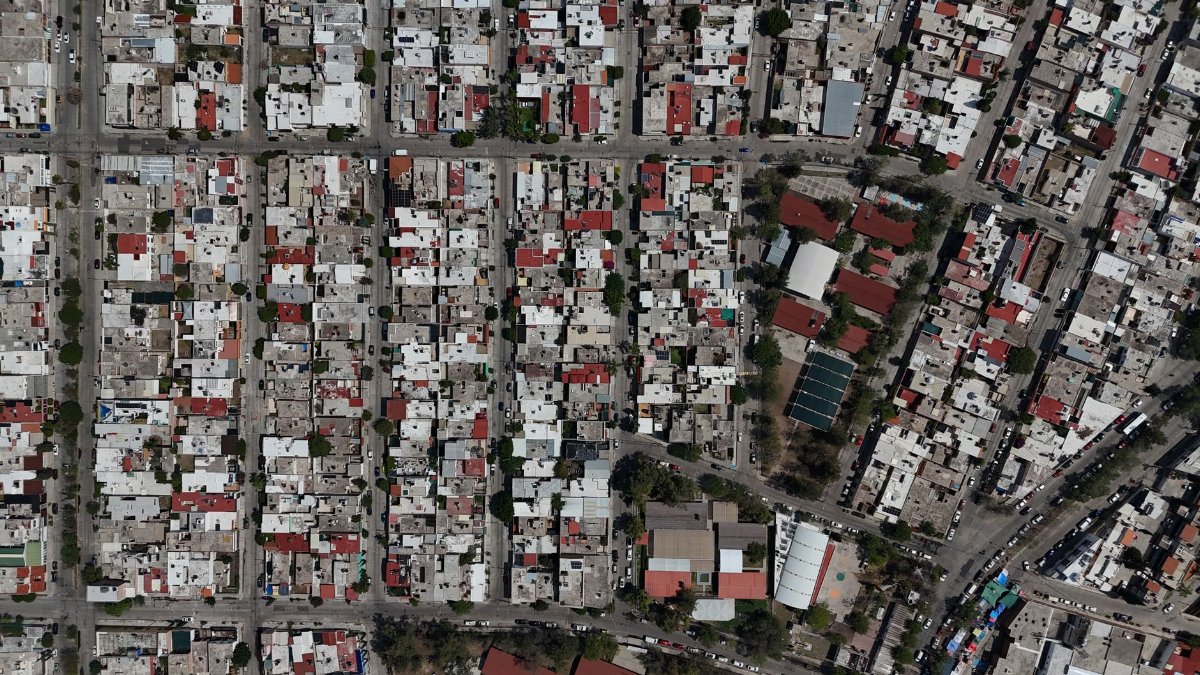
Minneapolis still thinks of itself, in many quarters, as a city of neighborhoods rather than a single school market. That self image is only partly true. Open enrollment and charters have already loosened the old tie between address and classroom. Yet for younger children, distance still governs the day. A closure that adds a long bus ride changes sleep, attendance, and whether a parent can reach the school when something goes wrong.
Those practical facts are also emotional ones. A school on the corner is where people vote, where teams practice, where a winter concert pulls strangers into the same folding chairs. Losing it can feel like a verdict on the neighborhood itself. Officials who describe that feeling as nostalgia miss the point. The feeling is about whether the city still invests where people live.
Any future discussion of Minneapolis schools closure will be judged on that ground. Maps that cluster closures in the same communities, while sparing others with similar empty seats, will be read as politics. Maps that follow the data and come with real support for the students who move may still be painful. They will at least be arguable.
The students who do not get a microphone

Adults dominated the microphones, as they usually do. The children who would have packed a box of classroom supplies were mostly elsewhere, finishing worksheets or waiting in a gym. Their stake is the largest and the least articulated. A stable school is not a luxury item. It is the condition under which learning accumulates. Every transition spends some of that accumulation on logistics.
Teachers sit in a similar bind. Many oppose closures because they know the students by name. Many also know that splitting a specialist across three buildings is a poor way to serve those same students. A honest district invites that tension into the planning instead of treating staff as an obstacle to efficiency. The people who would have to make a merged school work should help design it before any door is locked.
If the board wants the next conversation to be different, it should put student experience at the center of the documents, not only in the speeches. Where will a fifth grader eat lunch. Who will know that a child needs a quiet room. Which language will the office speak on the first morning. Those questions are not sentimental. They are the difference between a merger and a disruption.
What leaders owe the city after the retreat

The board has bought itself a measure of trust by listening. Trust spends down quickly if the listening was only tactical. Residents will watch the next budget, the next enrollment report, and the next facilities presentation for signs that the same outcome is being approached by another path. They will also watch whether academic improvement gets the same urgency that building consolidation once did. A district can keep every school open and still fail the children inside them.
State lawmakers have a part in this as well. Funding formulas that drop the moment enrollment dips leave urban districts with few tools besides closures and cuts. Minneapolis cannot annex its way out of that structure. It can, however, show the Legislature a clear account of what a stable neighborhood school costs and what the city loses when those schools vanish. That is a political argument, and it belongs in public.
For now, the immediate fact is narrower. A plan to close as many as 16 schools next fall is off the table. Children who might have been reassigned can plan on the buildings they know. That is worth saying without decoration. It is also worth saying that a canceled list is not a strategy.
Living with a decision that is only half made

I have sat in enough public meetings to know the particular quiet that follows a board stepping back. People gather their coats. Someone cries in the hallway. Someone else is already asking what the vote means for a sibling in another grade. The institution returns to memos. The families return to alarms set for the same school they feared they would lose.
Minneapolis schools closure did not happen on the schedule that frightened this city. The conditions that made closure seem inevitable to administrators are still in the enrollment files. The anger that stopped it is still in the neighborhoods. Between those two facts is the work of the coming year: a plainer budget, a fairer map if a map must return, and proof that staying open means getting better rather than merely remaining.
The city has been given time. Whether that time is a gift or only a postponement depends on what the district does before another list appears. Parents have shown they will show up. The board has shown it can hear them. The harder test is whether either side can hold that attention when the subject is not a closure vote, but the ordinary, expensive business of teaching children well.