
On a gray morning along the river, tents sit low against the bank while traffic moves above them as if the city had two floors and only one of them counted. That image has returned to council chambers as members weigh a plan to open a St. Paul homeless shelter inside a gym for people now living in a Mississippi River encampment, and to hold off further camp clearances while the temporary site is stood up. The outline is plain and the meaning is heavy. About 150 people could come indoors. A gym is not a home. A pause is not a policy. For people sleeping within sight of the water, the difference between another sweep and a roof is not abstract.
A gym offered as a bridge, not a destination
Council members have described an indoor site pressed into service so people can leave the river encampment without being pushed to the next block or the next wooded slope. The St. Paul homeless shelter idea, as discussed in public, would hold roughly 150 people. That number is large enough to matter and small enough to show what one room can do. A gym has open floor, restrooms, and doors that lock. It does not have private rooms, a clinic built for this work, or the quiet a person needs after months outside. Supporters treat those limits as reasons to move quickly rather than reasons to wait for a perfect building the city does not have this season.
Why the river keeps drawing camps
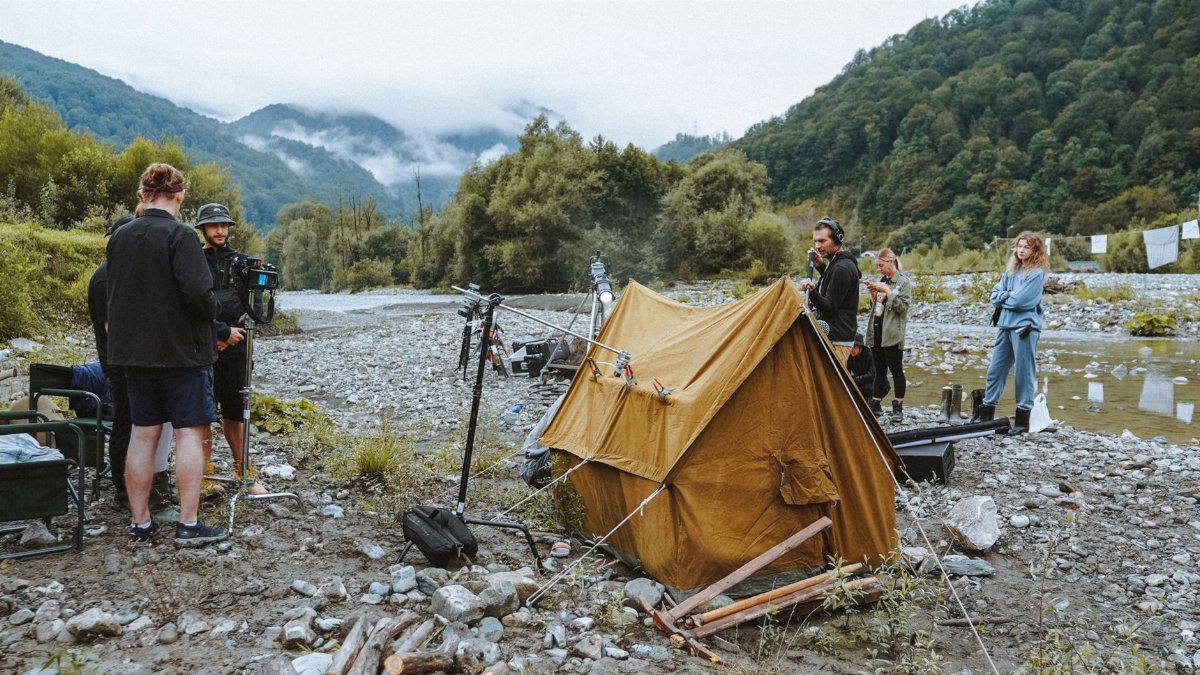
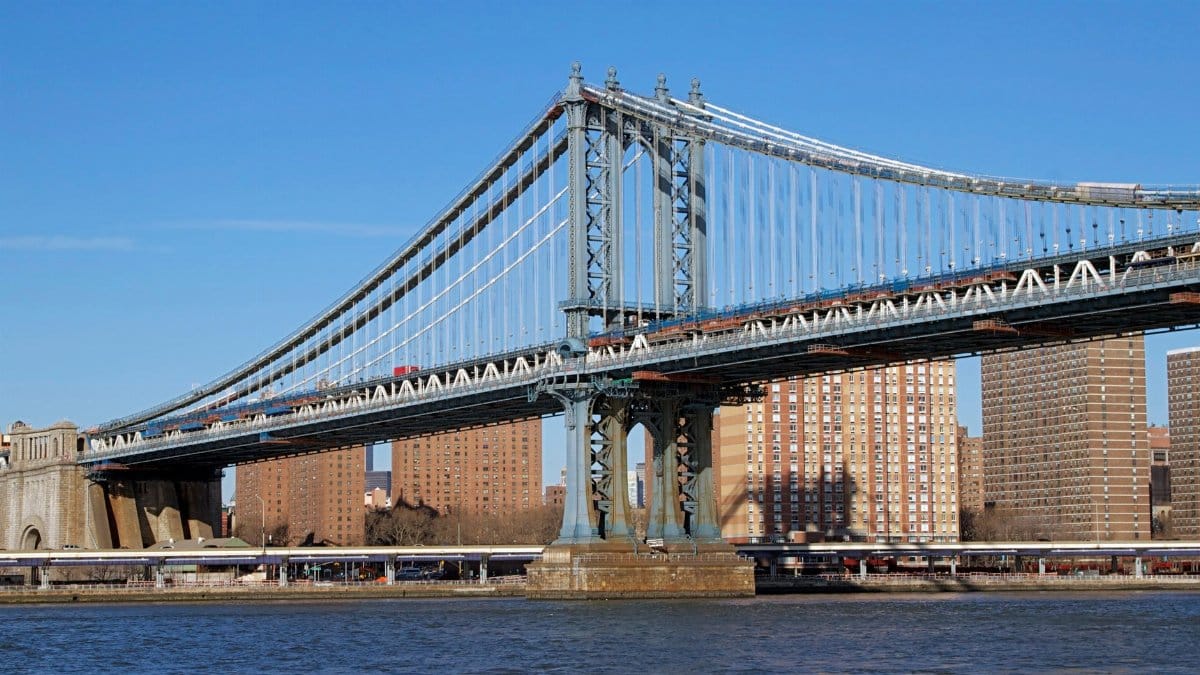
The Mississippi has drawn encampments in St. Paul for years, in part because the bank offers space, tree cover, and a kind of distance from storefronts. Distance is not safety. Fires, illness, assaults, and weather have made these sites a standing emergency for police, outreach workers, and the people who live there. The bank is also visible. Joggers, rowers, and drivers on the roads above see what other corners of the city can hide. Visibility raises pressure on officials and, at the same time, makes it harder to pretend the problem belongs somewhere else.
The case for waiting before the next clearance

The council plan pairs the gym with a delay in further clearances. The logic is sequential. If the city moves people out of a camp before there is a place that will take them, the clearance relocates the problem and often makes outreach harder. A pause can buy time to offer beds, store belongings, and keep workers in contact with the same group rather than searching for them after a sweep. Residents who have watched earlier pauses fail will want proof that this one is different. Proof looks like names on a roster, bags moved with consent, and beds that are actually open on the night the notice goes up.
What a sweep takes with it
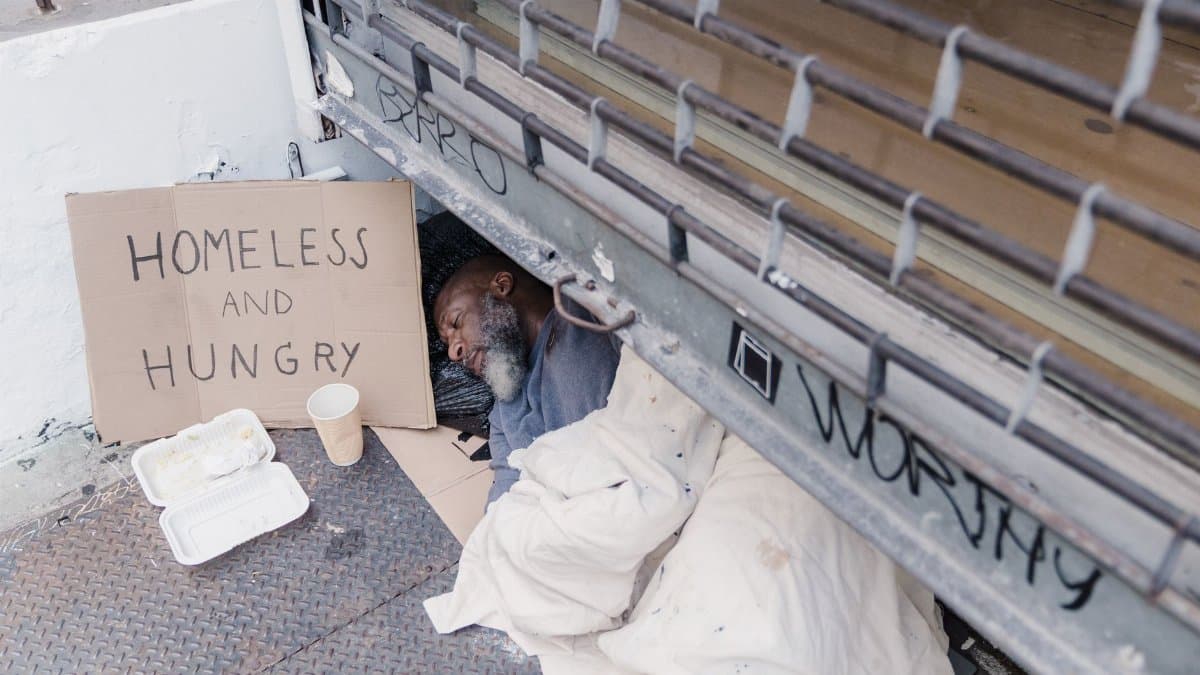
People who have lived through earlier clearances describe a familiar sequence. Notice goes up. Some leave. Some stay until the last hour. Tents come down. Medications, documents, and winter clothes vanish into the disorder. A person who had a regular outreach worker may not be found for days. Officials often say a clearance is about public health and public space, and those concerns are real. Waste, fire risk, and blocked paths are not minor. The harder question is whether a clearance without a ready indoor option reduces harm or only moves it to a less visible corner of the same city.
Neighbors and the memory of a public room

A gym is a public room with a public memory. Students, rec leagues, and weekend games have used floors like this one. Turning it over, even for a limited time, will inconvenience people who counted on that space. Some neighbors will welcome an indoor site because it is easier to manage than a riverbank. Others will worry about loitering, emergency calls, and whether a temporary use becomes an indefinite one. Those worries deserve a direct answer: hours, staffing, rules for entry, and a date when the gym returns to ordinary use. Trust erodes when a city asks for patience and then treats the end date as optional.
Congregations that already know the nights
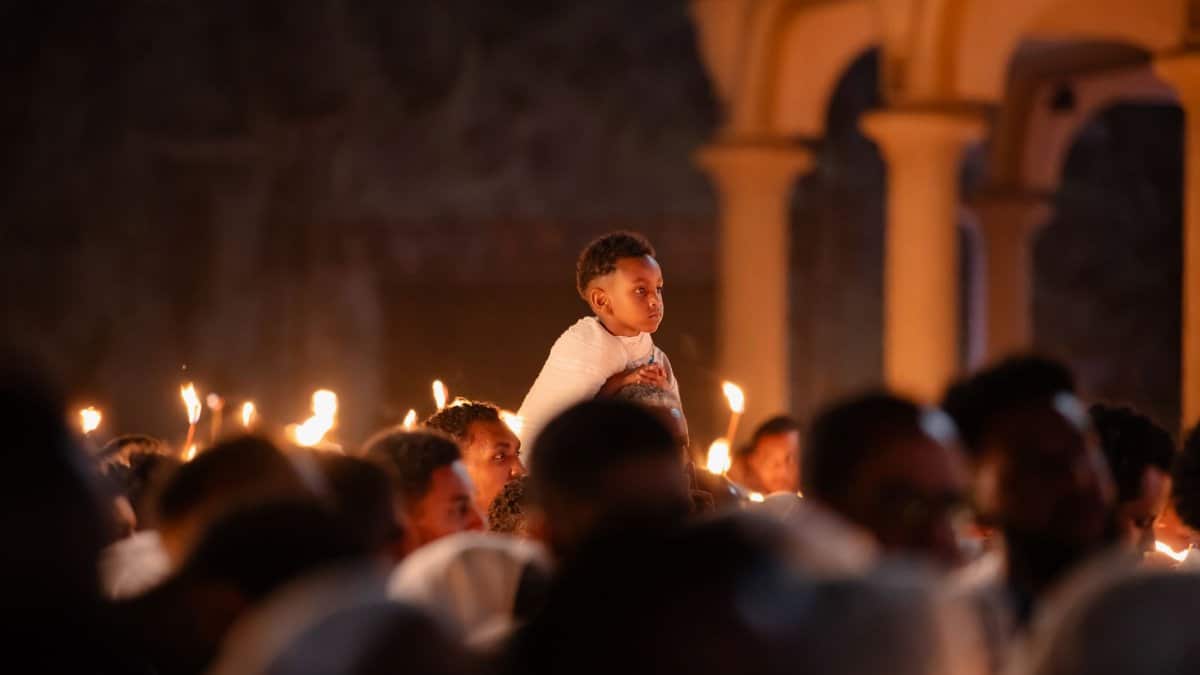
Long before this proposal, congregations across the city opened basements, cooked meals, and sat with people who would not enter a formal program. That history belongs in any honest account of spiritual life here, because the civic question is also a question of neighbor love stripped of slogan. Pastors and volunteers do not replace housing agencies. They do supply something a borrowed gym will need on the first night: people willing to learn names, notice who is missing, and stay when the work is unglamorous. A St. Paul homeless shelter in a gym will rise or fall partly on whether those networks are invited in as partners rather than treated as extras.
Staffing a room built for games

Beds are the visible part. The harder part is people. A site of this size needs overnight coverage, a clear line for medical emergencies, and a way to separate those who want quiet from those in crisis. Outreach teams need space to meet clients without an audience. Laundry, storage, and a place to charge a phone sound small until you have lived without them. The city will also need a rule for pets, couples, and people who will not enter if sobriety is required at the door. Many who remain in encampments have already refused programs that felt punitive. Fewer barriers do not mean no rules. They mean rules a frightened or exhausted person can actually follow.
The housing that still has to exist
No one serious about this issue believes a gym ends homelessness. It interrupts exposure. The path out still runs through rental help, landlords willing to take a chance, treatment available when a person says yes, and income that covers a room in this market. St. Paul, like many cities, has more people in need of a bed than buildings ready to receive them. A temporary site becomes a trap if case management is symbolic. It becomes a bridge if every week inside is used to finish applications, replace identification, and match people to rooms that exist rather than rooms that are only promised in a speech.
A delay that has to be active

Holding off further camp clearances will draw criticism from residents who have waited through previous pauses and seen camps grow. That criticism is not cruelty by default. People who live near an encampment carry daily costs: noise, trash, fear for children walking to school, a park that no longer feels like a park. A delay is justified only if it is active. Outreach should intensify, not idle. The offer of the gym should be repeated, explained, and paired with help moving belongings. A pause that only postpones the same sweep, with no new beds filled, will satisfy neither the people by the river nor the people in the houses above it.
Questions that belong in daylight

Several questions should be answered in public before anyone treats the plan as settled. Who operates the site, the city or a contracted provider? What happens to someone barred for violence? How will success be measured: nights indoors, exits to housing, emergency calls, or all three? When does the gym go back to recreation, and where do remaining guests go on that day? A St. Paul homeless shelter plan that cannot answer the last question risks trading one encampment for another, only this time indoors and on a clock. Transparency is not a courtesy. It is how a council keeps the authority to ask the public for inconvenience.
A season that keeps its own calendar

Seasons in Minnesota do not wait for a perfect ordinance. Cold arrives on its own schedule. People sleeping near the Mississippi will feel that fact in their hands before any committee feels it in a memo. I have stood near enough to camps in other cities to know how quickly a policy debate becomes a medical one, and how little comfort a future housing plan offers on a night when the temperature drops. That is not an argument for careless speed. It is an argument against treating delay as a neutral choice. Every week without an indoor option is a week in which fire, frost, and illness keep their own hours.
A limited yes, stated plainly

The council can approve a gym and still be honest about what it has not solved. A limited yes is better than a grand speech if the yes includes staff, a clear end, and a list of rooms that will exist when the gym lights return to ordinary games. The people in the encampment are not a single story. Some want only to be left alone. Some are ready to move the hour a door opens. A city shows its character in whether it can hold both truths without using either as an excuse. Opening a St. Paul homeless shelter in a gym will not empty the riverbank by magic. It can make the next clearance, if one still comes, less like a scattering and more like a move that someone chose.