
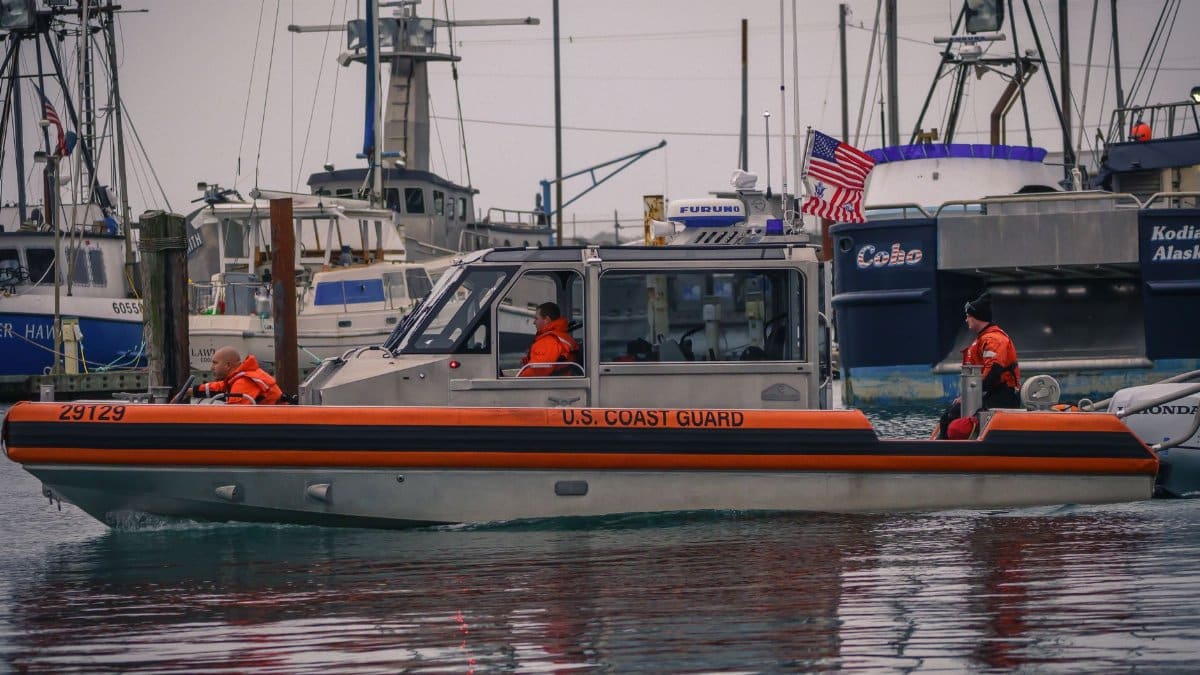
The Pacific does not advertise its dangers. From a distance it can look almost still, a wide sheet of water under a low sun, until a radio call cuts through the quiet and turns an empty stretch of ocean into a map of urgency. That is the setting for the Coast Guard Baja rescue, an operation in which American crews pulled at least 16 people from the water about 140 miles west of Ensenada, Mexico, and kept searching for others who had not yet been found. The public facts are spare. The human stakes are not. Out there, time is measured in body heat, battery life, and whether a small shape on the swells is a person or only a shadow.
What officials have confirmed
The core report is straightforward. The United States Coast Guard said it had rescued at least 16 people floating in the Pacific off the Baja coast and that the search for additional survivors was continuing. The location, roughly 140 miles west of Ensenada, places the scene far from any harbor, pier, or casual passerby. No shoreline witness could have spotted them. Help had to come by air and by ship, guided by coordinates, radio traffic, and the trained habit of looking again after the first group is safe.
In a story like this, early numbers are often revised. “At least 16” is a floor, not a final accounting. It tells the public that a substantial group was found alive, while leaving room for the harder sentence that may follow: some people may still be missing. Journalists should treat that phrasing with care. It is not a riddle. It is a status report written while crews are still working.
Why 140 miles changes everything

Distance is the fact that quietly governs the rest. One hundred forty miles west of Ensenada is not a bay, a channel, or a place where a fishing skiff can limp home before dark. It is open ocean. Waves arrive without the interruption of land. Wind has room to build. A person in the water is a small mark on a surface that keeps moving.
Even a capable vessel needs hours to cover that kind of ground. Aircraft can close the gap faster, but they cannot stay forever, and they cannot lift every survivor in a single pass. The geometry of rescue is unforgiving. Every mile offshore multiplies fuel, fatigue, and the chance that darkness will arrive before the last person is seen. Readers on land sometimes picture the sea as a road with exits. It is not.
How a search takes shape

A maritime search is less dramatic than film versions suggest, and more exacting. Crews establish a last known position, then expand a pattern that accounts for current, wind, and the time already lost. They look for color that does not belong: an orange vest, a pale face, a piece of debris that might mean a boat came apart. They listen for whistles and for voices that are already hoarse.
Coordination matters as much as courage. Pilots, boat crews, and watch standers share updates so that one sector is not searched twice while another is ignored. When people are found, the work splits. Some rescuers pull survivors aboard and begin medical care. Others keep the pattern going, because the moral logic of the job is simple. Finding some does not license abandoning the rest.
The body against cold water
Survival in the Pacific is a physical argument that the body eventually loses. Cold steals heat faster than most people expect, even when the air feels mild. Muscles stiffen. Judgment frays. A person who can tread water at noon may barely lift an arm by evening. Groups sometimes stay together by holding onto wreckage or onto one another, which can save lives and can also hide individuals from a passing aircraft.
That is why the phrase floating in the ocean should not be read as passive. Floating can be an act of will. It can also be the last stage before a person slips under. Rescue crews know both truths. They move quickly not because drama demands it, but because physiology does. A delay that would be minor on a highway can be decisive at sea.
A border that water does not respect
The people were found off Mexico, and the rescuers flew and sailed under an American flag. That fact will draw political comment, as almost everything involving a border does. The sea itself is less interested in jurisdictions. Currents do not stop at a line on a chart. Distress calls cross agencies because drowning is not a national specialty.
In practice, maritime neighbors have long treated rescue as a shared obligation. Mexican and American authorities routinely exchange information when boats go missing along the Baja peninsula and the California coast. The public may never see most of those calls. They appear only when the numbers are large, the images are stark, or the search stretches into another day. The Coast Guard Baja rescue belongs to that visible category, but it sits inside a quieter routine of cooperation that rarely makes a headline.
Who might have been in the water
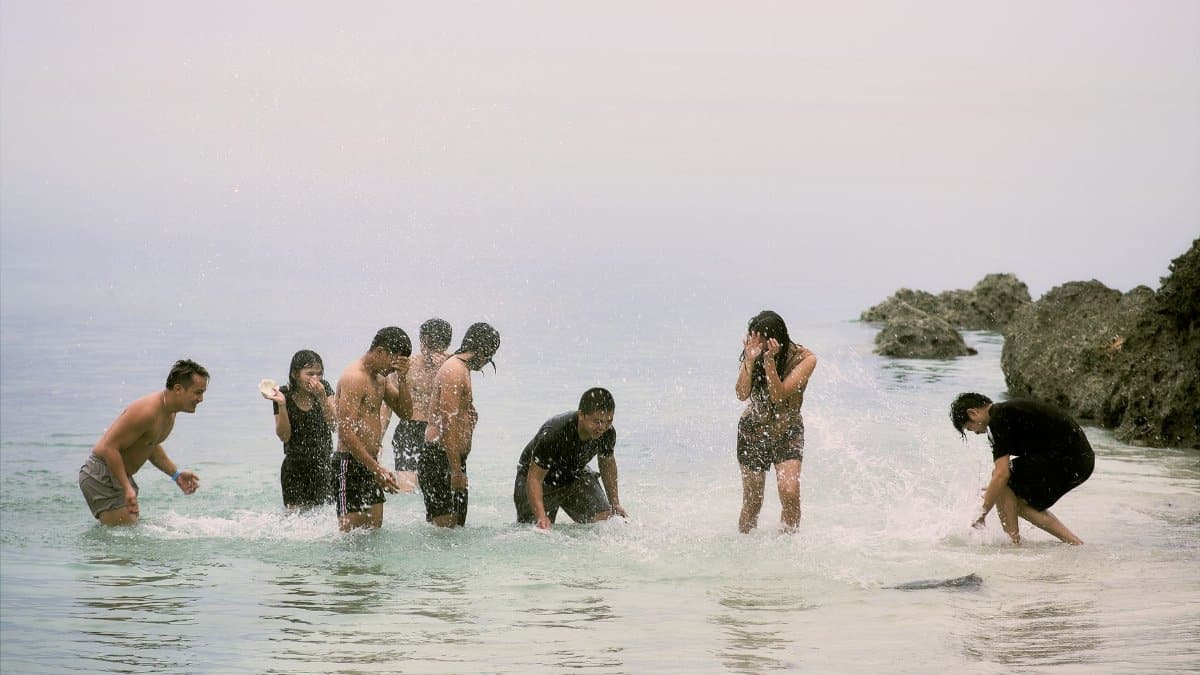
Early reports did not fully answer the questions families ask first. Who were they? Were they fishers, migrants, crew from a disabled vessel, or passengers on a trip that went wrong? Those distinctions matter for policy, and they matter even more for the people waiting on shore. Until names are released, speculation is a poor substitute for reporting.
What can be said without invention is narrower and still important. Sixteen or more people in the water, far from Ensenada, means a group large enough that a boat, a raft, or several small craft likely failed them. It also means that survival, if it holds, will be followed by a second ordeal: medical checks, interviews, and the slow work of notifying relatives. Rescue is the headline. Identification is the chapter that comes after, and it is often the one that hurts in private.
The view from the deck and the cockpit
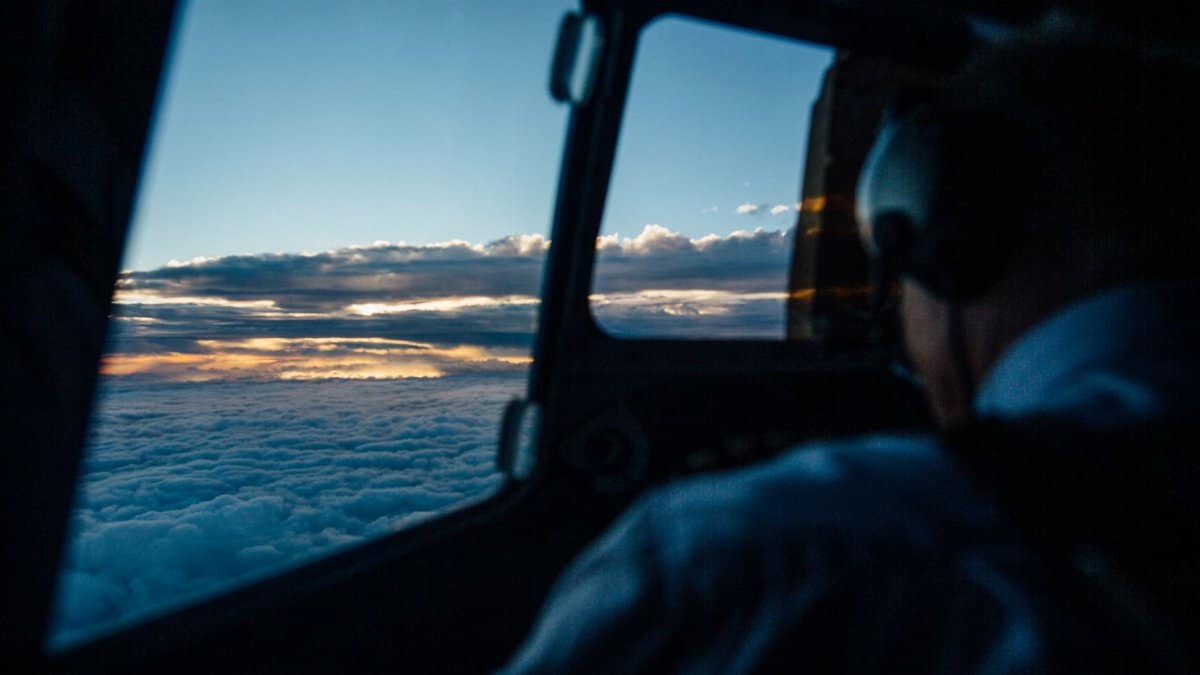
I have stood on enough working boats, though never in a rescue harness, to know that the ocean looks different when you are responsible for someone you cannot yet see. The horizon stops being scenery. It becomes a deadline. Crews scan in shifts because eyes tire and the mind begins to invent shapes. A good search is partly a fight against that invention. You mark what you actually saw, not what you hoped to see.
From a helicopter the water can look almost abstract, a texture of white caps and dark troughs. From a cutter it is noise, spray, and the slap of the hull. Both views are incomplete. Together they are how people get found. The public sees the moment of the hoist or the blanket on the deck. The hours of empty sectors before that moment are the real weight of the job.
What remains unknown

Honesty requires a list of gaps. It is not yet clear, from the initial public account, how the group came to be in the water, how long they had been adrift, or whether everyone who started the voyage has been accounted for. Weather at the time of the incident, the condition of any vessel, and the medical state of those rescued will shape the final story. Those details should come from official briefings and from people with direct knowledge, not from guesswork dressed up as insight.
A continuing search is itself a kind of information. It means commanders still believe there is reason to look. It does not promise a happy ending. Readers should hold both ideas at once: gratitude for the lives already pulled from the sea, and restraint about the lives not yet confirmed.
A pattern larger than one afternoon

Incidents off Baja are not rare enough to treat as freak events. The peninsula sits beside busy fishing grounds and along routes used by people moving north in unsafe boats. Storms, mechanical failure, and overloaded craft all feed the same outcome: a call for help that may arrive late or not at all. Each case has its own cause. Together they describe a coast where ambition, necessity, and bad luck meet deep water.
The Coast Guard Baja rescue will be filed, in newsrooms, beside other alerts from the eastern Pacific. That filing should not flatten it. Sixteen people are not a trend line. They are individuals who spent some number of hours believing the water might be the last thing they saw. Any larger lesson has to pass through that fact or it is only rhetoric.
Mercy as a practical discipline

There is a temptation, in a category of news that reaches for meaning, to turn a rescue into a sermon. The cleaner truth is more demanding. Mercy at sea is a discipline with checklists, fuel calculations, and night vision goggles. It is also a moral choice repeated so often that it becomes institutional. Nations fund it because abandoning people in the water is a line most societies still refuse to cross, even when they argue bitterly about everything that happens after the survivors reach land.
That refusal is worth noticing without romanticizing it. Crews do not need our poetry. They need clear weather, working radios, and a public that understands why the search does not stop at the first success. If there is a spiritual note here, it is plain rather than ornate: a stranger’s life is treated as worth the fuel.
Waiting on shore
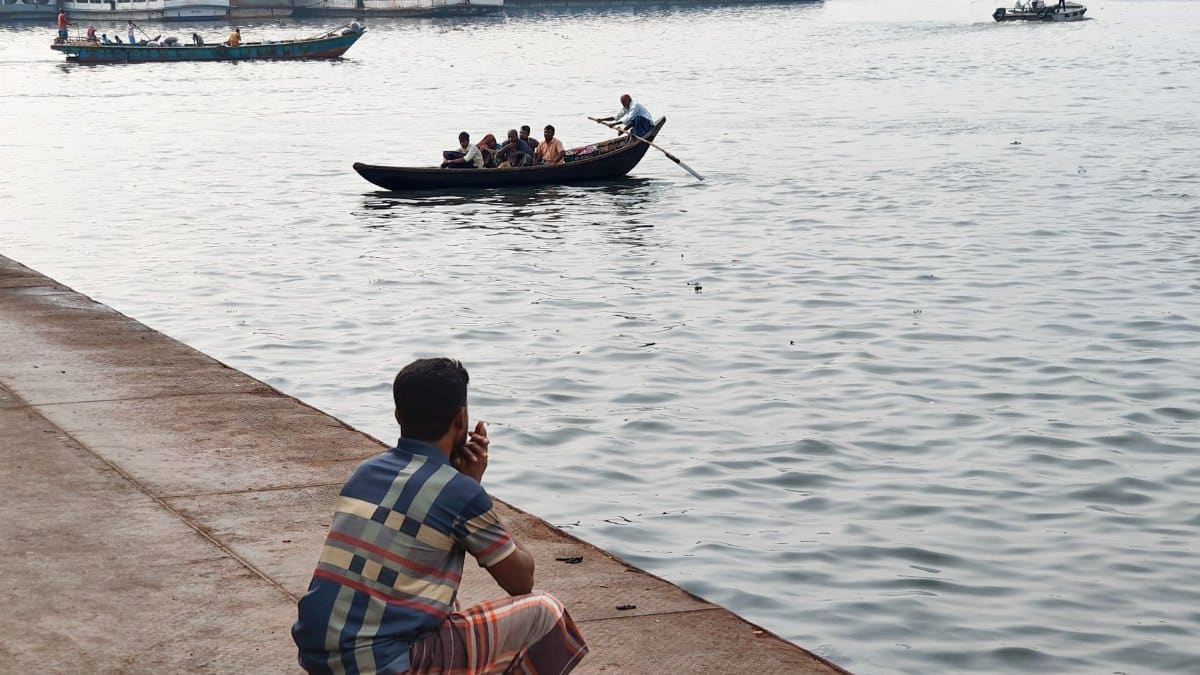
Somewhere inland or along the Baja coast, people are refreshing phones and calling numbers that do not answer. They are doing the arithmetic families always do. If sixteen were found, is my person among them? If the search continues, is that hope or only procedure? Officials are right to withhold names until they are sure. The wait is still brutal. It is the part of the story that does not fit in a helicopter photo.
Communities that live by fishing know this wait intimately. So do families who paid for a crossing they were told would be simple. Different journeys, same kitchen table, same silence between updates. A responsible account keeps those people in view without using their fear as color.
What readers should watch for next

The next reliable developments will be numerical and named. How many were ultimately rescued. Whether anyone was confirmed dead or still missing. Which agency led which portion of the search. Whether a vessel was identified. Those facts will either close the Coast Guard Baja rescue as a completed operation or extend it into an investigation of why the group was in the water at all.
Until then, the honest summary is the one already in hand. At least 16 people were taken from the Pacific about 140 miles west of Ensenada. Others were still being sought when the first reports moved. The ocean did not get quieter because a headline was written. Crews kept flying and sailing across a distance most of us will never see except as a number, doing work that is technical, exhausting, and, in the oldest sense, neighborly.