
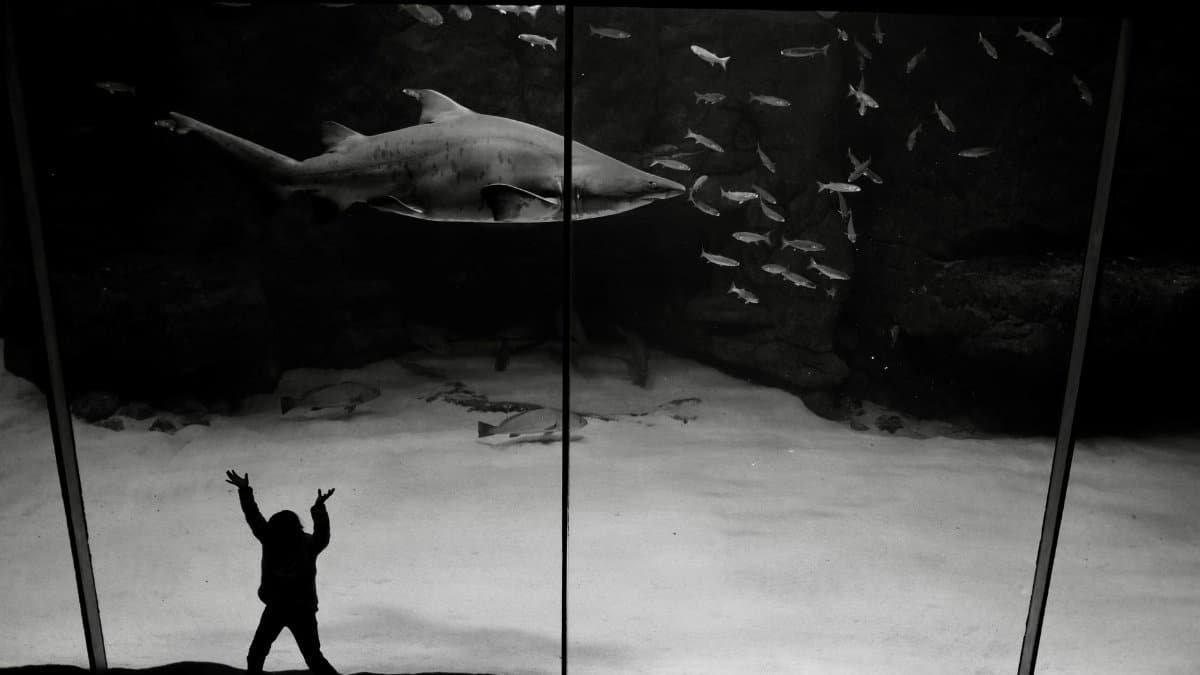
On a gray morning along the industrial edge of a South Korean port, commuters slowed their cars and office workers leaned over railings to watch a dark fin cut the brown water. What began as a local curiosity became a national spectacle within days. Wayward shark South Korea is the phrase that stuck in headlines and group chats, a blunt label for an animal that had slipped from open sea into a narrow waterway and could not easily find its way out. Officials described the shark as roughly ten feet long. Reports put the number of people who came to look above a million. The question was no longer only how the fish had arrived. It was whether a city built for ships could make room, briefly, for a life that did not belong there.
A fin where the ferries turn
Ports are designed for repetition. Tides come in, cargo goes out, and the water is treated as a road with rules. A large shark breaks that contract. It does not follow a channel marker. It does not answer a horn. In the first hours, people treated the sighting as a mistake that would correct itself by nightfall. By the second day, the mistake had a schedule. Families arrived with children. Vendors noticed the foot traffic. Photographers claimed the same stretch of concrete and waited for the dorsal fin to rise between pilings.
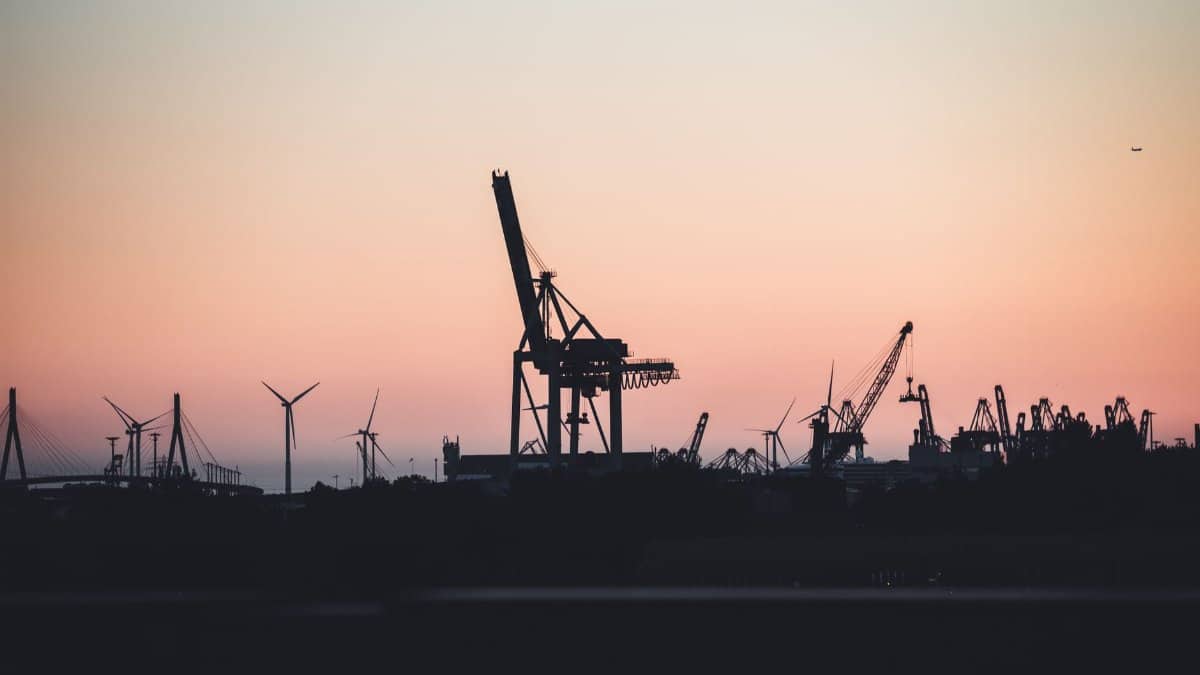
The setting mattered as much as the animal. This was not a remote beach where a stranding can feel like a private tragedy. It was a working waterway, loud with engines and bright with floodlights after dark. The shark moved through a landscape of steel and concrete, and that contrast is what made the images travel. A wild body in a managed place reads, to many viewers, as a message, even when no one can say what the message is.
How a port becomes a theater
Once phones were raised, the event stopped being only local. Clips circulated faster than official updates. People who would never visit the waterfront argued about whether the shark looked stressed, whether the crowds were helping, and whether anyone in charge understood fish. Attention of that scale changes the work on the ground. Every decision is filmed. Every pause looks like hesitation. Every successful nudge toward deeper water looks, for a moment, like a rescue staged for the camera.
Officials faced a problem with two audiences. One audience was the animal, which needed space, quiet, and a path to open water. The other was the public, which wanted updates, reassurance, and a story with an ending. Those needs do not always align. A careful plan can look slow. A dramatic plan can look cruel. The million strong gathering, if the reported figure holds, turned a biological puzzle into a civic one.
What people thought they were seeing
Species talk filled the comment threads. Some viewers were sure they recognized a coastal hunter. Others insisted the shape and the behavior pointed to a fish more often associated with colder water. Without a close examination, public certainty outran evidence. That gap is familiar whenever a rare animal appears in a place people know well. Familiarity with the setting creates a false familiarity with the guest.
Journalists and local authorities were wiser when they stayed with what could be seen. Length near ten feet. A powerful tail. Repeated circuits through the same stretch of water. Attempts to feed the shark, if they happened, would have been a mistake, not a kindness. A stranded or confined predator is not a pet, and food tossed from a railing can draw it toward the very edges officials hope it will leave.
The work of guiding it seaward
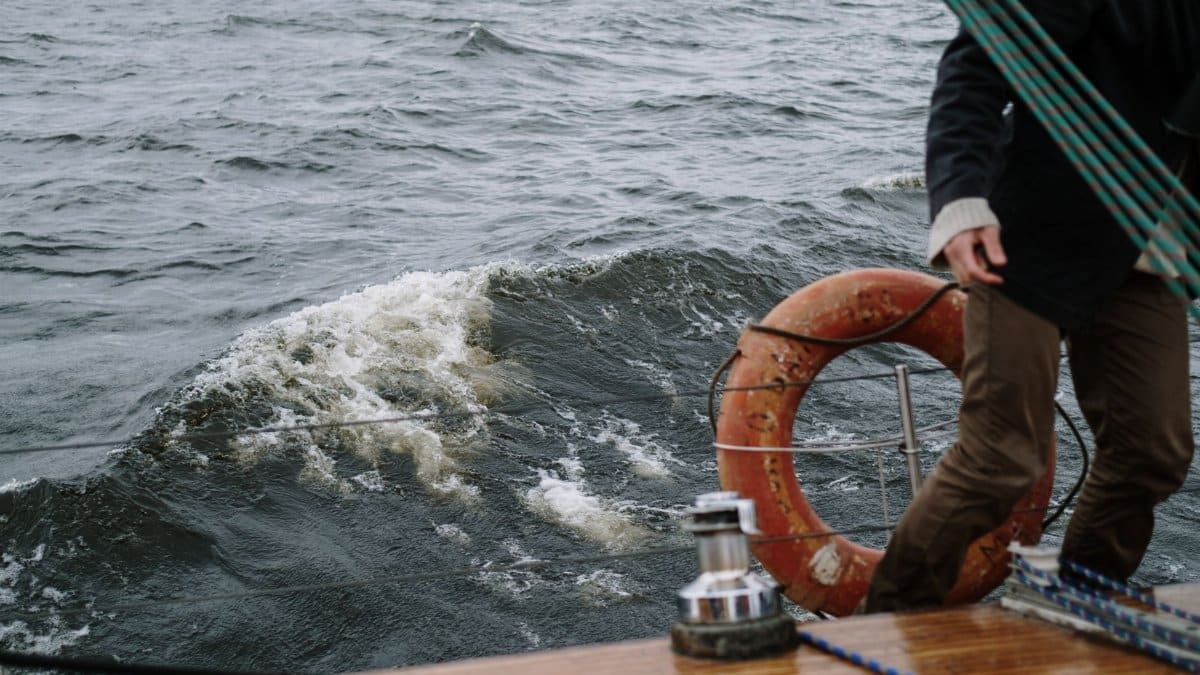
Moving a large shark is not a matter of herding it like livestock. Sound, bubbles, nets, and boats can all do harm if used without judgment. The safer picture, described in broad terms by people who manage marine strandings elsewhere, is patient pressure rather than capture. Boats may form a loose barrier. Engines may be used to discourage a turn back toward the shallows. Nets, if considered at all, carry a risk of entanglement that can kill the animal officials are trying to save.
In this case, the public account centered on guidance rather than removal. That choice respects both the shark and the limits of a port. Hauling a ten foot fish onto a deck in front of a crowd would have been a spectacle of a darker kind. Leaving it alone entirely might have left it trapped among hulls and intake pipes. The middle path is unglamorous. It asks trained people to watch, adjust, and accept that the ocean, not the city, decides the last mile.
Crowds, phones, and a strange tenderness
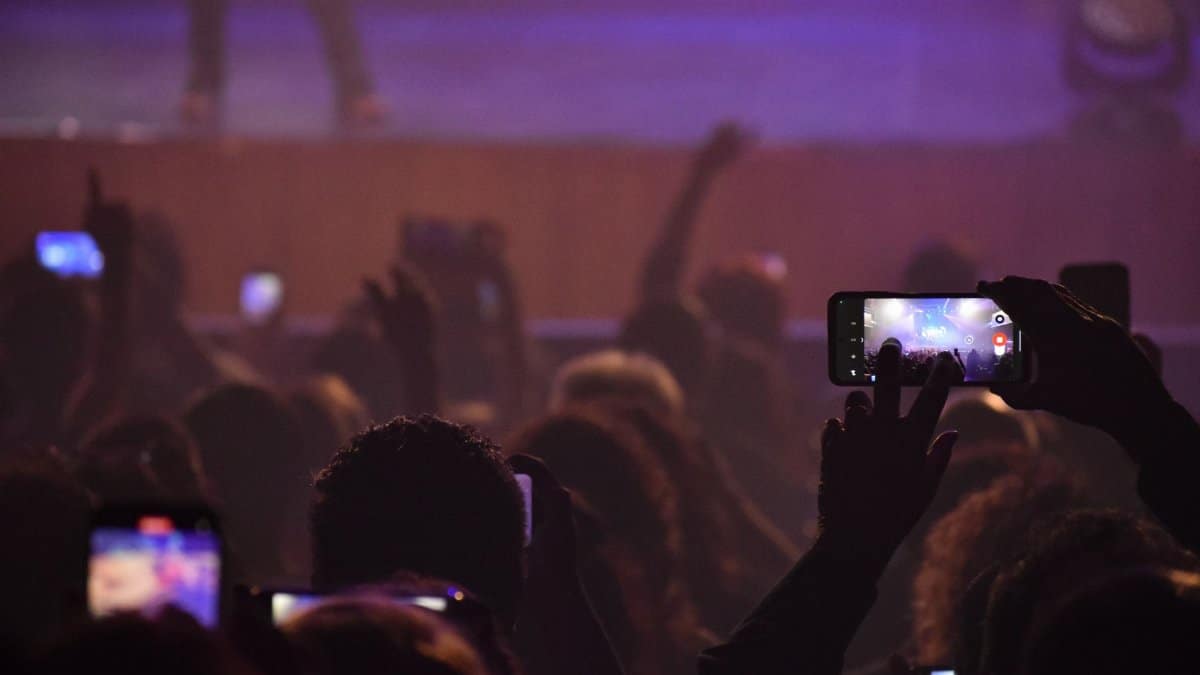
It is easy to scold the spectators. A waterfront packed with people is not ideal habitat, and noise can add stress to an animal already out of place. Yet the turnout also revealed something softer than voyeurism. Many who came seemed genuinely worried. They asked whether the shark was injured. They cheered when it surfaced farther from the docks. They stayed into the evening as if attendance itself were a form of care.
That feeling is not the same as expertise. Care without knowledge can still cause harm. But it is worth noticing, because wildlife news often assumes the public is either indifferent or thrilled by danger. Here the dominant emotion, at least in the images that spread, looked closer to concern. Wayward shark South Korea became a shared watch, not only a shared scare. People projected hope onto a fish that could not know it was famous.
Risk on both sides of the railing
A shark in a confined channel is not a cartoon villain, and it is not harmless. Large sharks can injure people who enter the water, and even a glancing encounter with a thrashing animal near a boat can be serious. Officials were right to keep swimmers and amateur rescuers out. The railing was not a suggestion. It was the boundary that let curiosity remain mostly safe.
The risk ran the other way as well. Propellers, pollution, low oxygen in stagnant corners, and simple exhaustion can kill a fish that cannot find the sea. Every extra hour in a port is a gamble. That is why the story’s tension was real even when no one was attacked. The danger was not only teeth. It was time.
What can be said without inventing a moral

Some commentators reached for symbolism at once. A shark in a harbor became, depending on the writer, a warning about warming seas, a sign of ecological imbalance, or a spiritual visitor testing a nation’s attention. Those readings can be moving. They can also outrun the facts. One animal in one waterway does not prove a climate thesis, and it does not prove a metaphysical one. It proves that coasts are porous, that fish follow temperature, prey, and current, and that human structures sometimes interrupt those paths.
A careful account leaves room for wonder without forcing a sermon. Wonder is not the enemy of accuracy. It is what happens when people notice that the world is larger than the schedule posted at the terminal. The error begins when wonder is asked to do the work of evidence. If researchers later tie this appearance to shifting ranges or to a storm that pushed coastal water inland, that finding should be cited and linked, not guessed in the moment of viral attention.
A city learning to wait

Waiting is an underrated public skill. The port could not pause forever. Ships had routes. Workers had shifts. Yet for a stretch of days the ordinary timetable bent around a single animal. That bend is the part of the story that may last longer than any clip. It suggests that a dense, modern place can still interrupt itself when a wild life is stuck inside its machinery.
Interruption has costs. Delays ripple through logistics. Police and coast guard hours are not free. A crowd of that size needs management so that concern does not become a crush. None of those costs erase the value of the pause. They clarify it. Compassion in a port is not a mood. It is staffing, planning, and the willingness to be filmed while a plan unfolds slowly.
The long look from the railing
I kept returning, in my own reading of the coverage, to the people who stayed after the novelty should have worn off. They were not all influencers. Many were simply unwilling to look away while the outcome was undecided. That impulse can be sentimental, and sentimentality is a poor guide to fisheries policy. Still, it is not nothing. A society that can gather for a stranded shark may be a society that can be asked, later, to care about the less photogenic work of clean water, safer shipping lanes, and honest reporting when the next animal appears.
The phrase Wayward shark South Korea flattens a complicated week into a searchable label. Labels are how news moves now. They are also how nuance gets lost. The shark was not wayward in any moral sense. It was an animal in the wrong geometry. The people on the concrete were not a single crowd with a single motive. Some came for the picture. Some came because they could not stand the idea of a living thing circling until it failed.
After the water goes quiet
If the guidance worked, the ending is quiet in the way good endings often are. A fin moves past the last buoy. The channel looks ordinary again. Phones come down. The port resumes the grammar of commerce. What remains is a memory of how quickly a city can retune its attention, and how fragile that retuning is. Tomorrow’s headline will not be a shark. It will be a price, a vote, a storm.
That is not a reason to dismiss what happened. It is a reason to write it down with proportion. A ten foot shark drew more than a million spectators while officials tried to send it home. That sentence contains the whole event, and also its limit. No one should pretend the waterway became a sanctuary. No one should pretend the public’s fascination solved the underlying pressures on coastal life. The honest achievement is narrower and still worth naming. For a few days, a working port treated an uninvited animal as a responsibility rather than a nuisance or a show.
What the episode asks of the next one

There will be another sighting. Coasts are busy, and large fish do not read boundaries. The useful legacy of Wayward shark South Korea is not a myth about a celebrity fish. It is a short list of habits. Keep people out of the water. Resist the urge to feed. Prefer guidance over capture when capture is likely to injure. Speak plainly about what is known and what is not. Do not let a viral name substitute for a measured account.
Those habits will not trend as easily as a fin between pilings. They are the part of the story that can travel to the next port without needing a million witnesses. If the shark reached open water, the city did its temporary job. If it did not, the lesson is harsher and still the same. Attention is not the same as care, but attention, disciplined and patient, is where care starts.