

Los Angeles has spent years talking about the cost of a place to sleep, and the talk has not lowered the rent. On porches in Boyle Heights and in glassy towers downtown, the same complaint arrives in different accents: the city builds too little, waits too long, and asks families to absorb the delay. Into that argument steps a mayoral contest that campaign strategists now shorthand as Bass Raman housing, a clash over who can turn slogans about shelter into permits, financing, and keys.
A city priced beyond ordinary paychecks
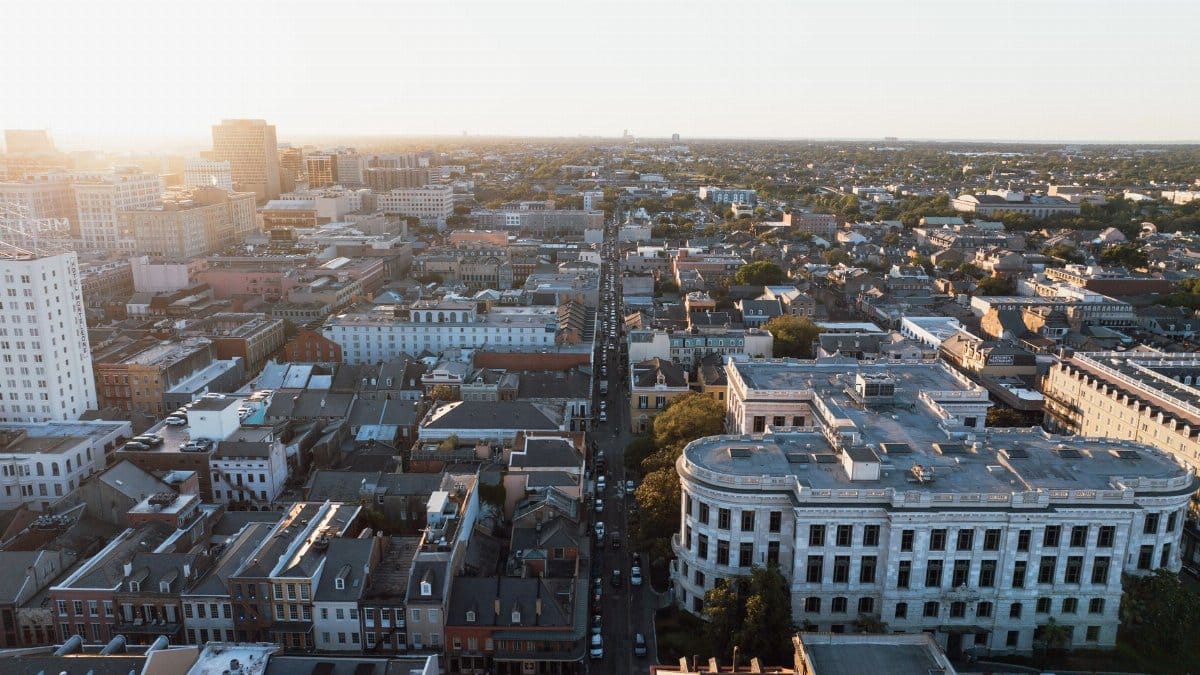
The housing emergency in Los Angeles is no longer a niche worry for advocates. Teachers commute from distant counties. Restaurant workers share rooms that were never meant for three adults. Young professionals delay children because a second bedroom feels like a luxury good. Older residents on fixed incomes watch property taxes, insurance, and repairs climb while their own options shrink. The pain is uneven, but it is wide enough to shape almost every other civic argument, from transit ridership to school enrollment to the simple question of who gets to stay.
Affordability here is not one number. It is the gap between wages and asking rents, the time it takes to approve a building, the cost of land, labor, insurance, and borrowed money, and the political fear that new homes will change a block. Any serious plan has to touch more than one of those levers. A mayor who promises only compassion, or only construction, will leave half the crisis untouched.
What Karen Bass has put at the center
Mayor Karen Bass came into office with homelessness as the defining test of her tenure. Her administration has treated encampments as both a humanitarian failure and a political emergency, moving people indoors through motel and hotel placements and pressing city departments to treat housing as an urgent operational task rather than a distant planning exercise. Supporters say that focus was overdue after years of diffuse responsibility. Critics answer that temporary rooms are not a housing system, and that the deeper shortage of homes keeps recreating the street crisis the city is trying to shrink.
Bass has also used executive authority to speed certain affordable projects, arguing that City Hall procedure was itself a cause of scarcity. That move won praise from builders of subsidized homes and suspicion from neighborhood groups who felt density was arriving without a full public argument. The record, as voters will judge it, is mixed in the way real governing records usually are: some people housed, some projects unstuck, and a market that still feels closed to middle income households who do not qualify for subsidies and cannot buy at current prices.
How Nithya Raman frames the shortage

Councilmember Nithya Raman has built a reputation as a housing liberal who is willing to anger both strict preservationists and pure market optimists. She has argued that Los Angeles cannot voucher and shelter its way out of a structural lack of homes, and that zoning, process, and political vetoes keep the city from adding the apartments it needs. At the same time she has defended tenant protections, warning that a building boom which displaces current residents is not an affordability strategy. That combination is the core of her appeal and the core of the attack on her: too willing to upzone for some, too attached to regulation for others.
If she seeks the mayor’s office, she will have to show that a council record can scale to a city of four million. District politics reward attention to specific streets. A mayor is judged on whether cranes appear, whether rents stop sprinting, and whether agencies that do not report to a single council office actually move. The difference between a sharp critique and a citywide operating plan is the distance Raman would have to close.
Where Bass Raman housing becomes a real choice

The phrase Bass Raman housing matters because it names a choice about sequence, not a choice about whether housing is important. Both women say the city must be more affordable. They diverge on what to do first when money is tight, neighborhoods are organized, and construction costs refuse to fall on a speech schedule. Bass has emphasized getting people off the street and clearing bureaucratic paths for subsidized homes. Raman has emphasized a broader supply agenda, including more homes in places that have long been reserved for single family lots, paired with rules meant to keep tenants from being pushed out while that supply arrives.
Voters who want a moral accounting of street homelessness may prefer the mayor’s framing. Voters who believe the region has underbuilt for decades, and who see high rents as the predictable result, may hear more of their diagnosis in Raman’s. Many Angelenos want both, and will punish whichever candidate treats the other half as a distraction.
Why construction still stalls
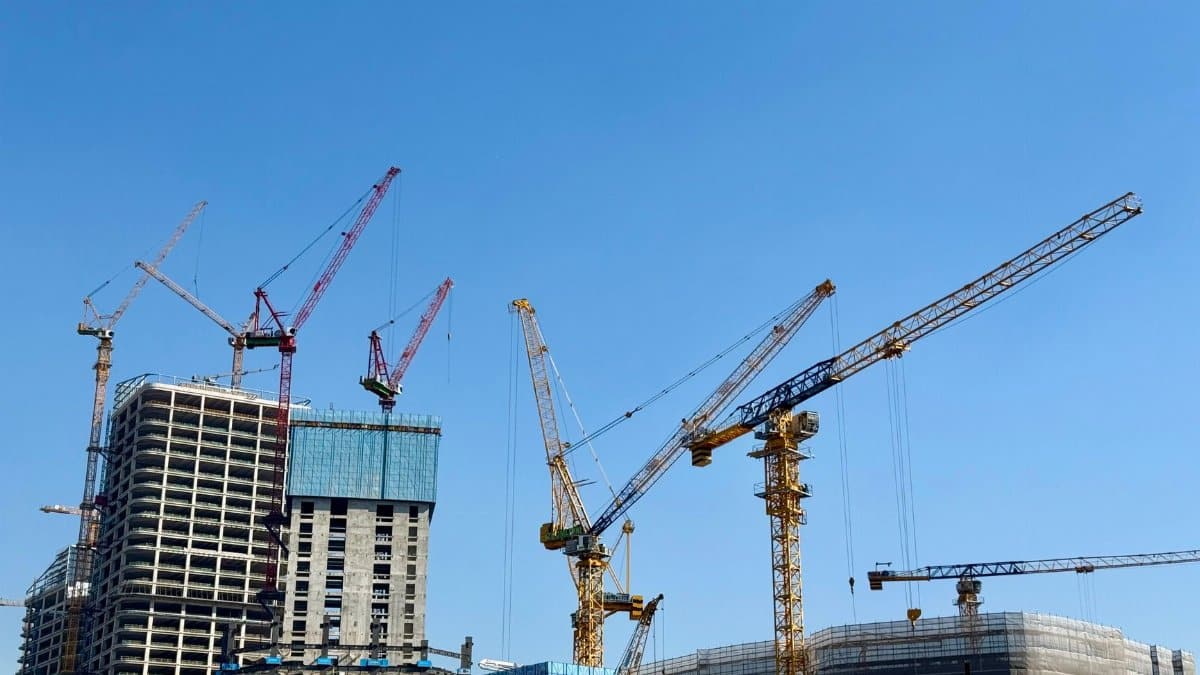
Even when elected officials agree that more homes are needed, projects die in the gap between approval and a loan. Interest rates raised the cost of waiting. Insurance shocks hit owners of older apartments. Construction wages and materials did not return to an earlier era. A parcel that penciled in a hopeful pro forma can fail once carrying costs pile up through appeals, redesigns, and utility delays. Los Angeles did not invent these pressures, but its process multiplies them. A city that takes years to say yes is a city that asks capital to be patient in a market that is not.
That is why arguments about zoning alone can sound abstract to people who have watched approved projects sit silent. A mayor needs planners, yes, but also a building department that answers, a fire review that does not restart the clock without cause, and a political style that does not reopen settled questions every time a neighbor objects. Affordability is partly a design problem and partly a management problem. Campaigns rarely dwell on management because it does not fit on a sign.
Tenants and the fear of being next
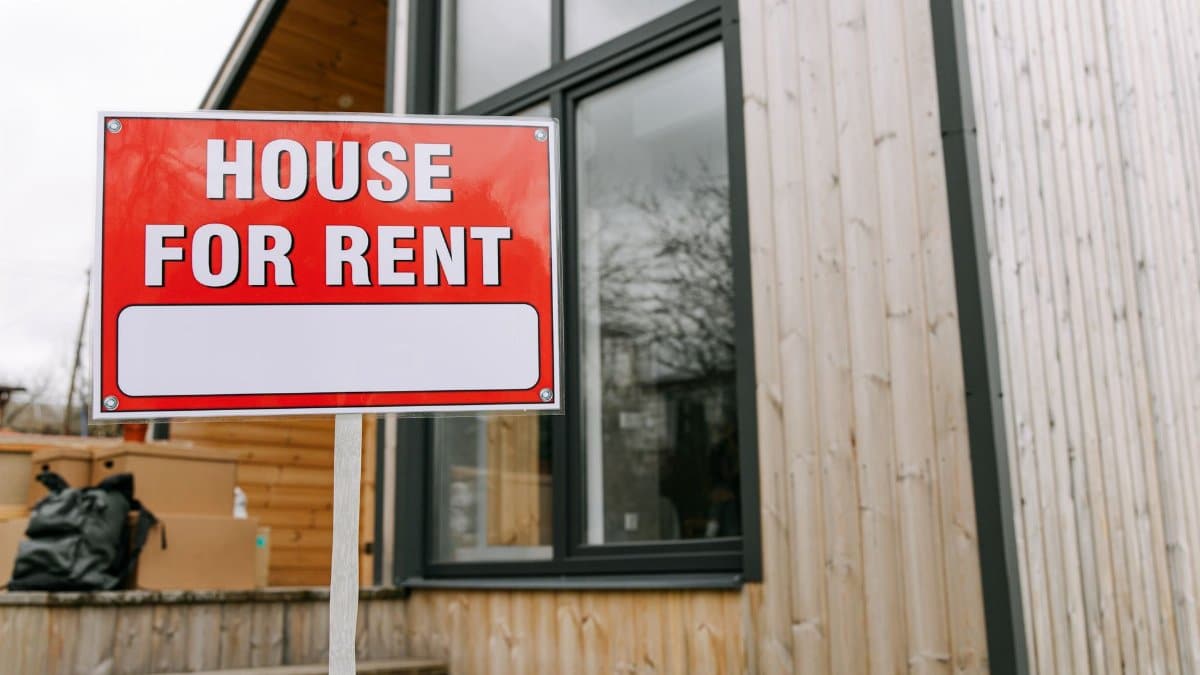
Supply talk lands differently if you are one missed paycheck from an eviction. Los Angeles has a large renter majority in many neighborhoods, and those renters have long memories of renovations used as a pretext to clear buildings, of buyouts that looked voluntary only on paper, and of promises that new luxury towers would somehow ease pressure on older stock. Some of that easing does happen over time when enough homes are added. It does not happen automatically for the household that receives a notice this month.
Any credible affordability agenda has to say what happens to people who already live here while new buildings rise. Stronger code enforcement, legal help, and limits on harassment are not a substitute for construction. They are the condition under which many renters will tolerate construction at all. A candidate who sneers at those fears will lose the very neighborhoods where housing scarcity does the most damage. A candidate who only talks about protection, and never about adding homes, will watch rents keep setting the terms.
The map of who is asked to change

Los Angeles has long asked some corridors to absorb apartments while large stretches of the city remain almost untouched. That pattern is visible from the freeway: dense nodes near old commercial streets, then miles of low roofs. Bass Raman housing, as a political argument, will be tested on whether either leader is willing to spread new homes beyond the paths of least resistance. If new apartments land only where tenants already have little political power, the city will reproduce inequity inside its solution. If every affluent block can veto change, the math of scarcity will not move.
State law has already narrowed some local vetoes, and city officials now operate inside rules written in Sacramento as much as in their own chambers. A mayor still matters. Implementation, local incentives, public land, and the tone set for department heads can speed or smother what the state has allowed. Voters should listen for whether candidates describe those tools in concrete terms or retreat into slogans about community character that never name a number of homes.
Homelessness is downstream and not only downstream
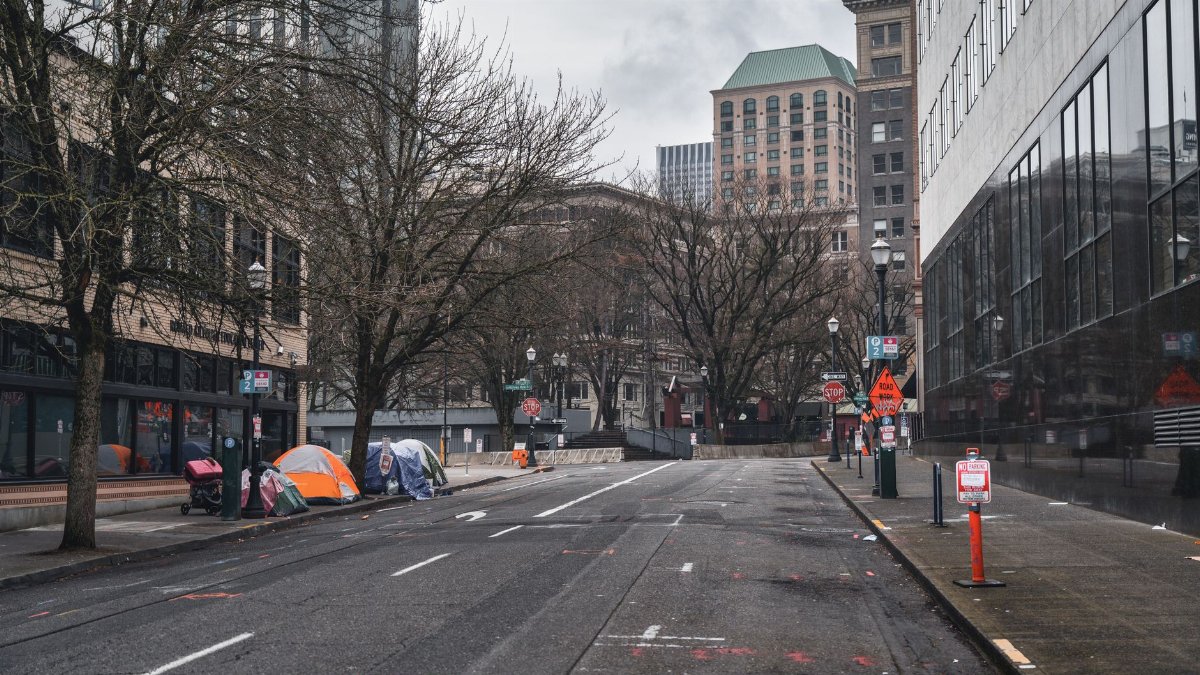
It is tempting to treat street homelessness as a separate tragedy from high rents. The overlap is real and incomplete. Many people outdoors need health care, a path off drugs, and a caseworker who does not vanish. Many others became homeless because a rent increase, a layoff, or a family rupture met a market with no cheap rooms left. A city that builds only supportive housing will miss the workers who are one shock away from a sidewalk. A city that builds only market apartments will miss people who cannot pay even a reduced rent without a subsidy.
Bass has been judged, fairly or not, on visible encampments. Raman would inherit that same brutal scoreboard. Indoors is the metric residents use, because it is what they see. The harder metric is whether the pipeline of permanent homes grows fast enough that temporary placements are a bridge rather than a warehouse. Neither candidate can fake that pipeline for long.
Public land, public money, and private risk
Los Angeles owns parcels that could hold homes if the city were willing to move faster than a typical land deal. Using public land well means picking sites with transit, telling neighbors early what is proposed, and resisting the urge to load every project with so many goals that nothing gets financed. Subsidies remain essential for the lowest incomes. They are not infinite. When every unit requires a deep public check, production stays small and the middle of the market stays locked out.
Private builders, for their part, will not absorb unlimited risk to satisfy a press release. Fee relief, faster inspections, and predictable rules are less romantic than a groundbreaking, and more likely to produce one. The candidate who can explain that bargain without sounding captured by developers, and without sounding hostile to the people who actually pour concrete, will be closer to a workable plan than the candidate who picks a villain and stops there.
What would count as progress
Affordability will not return to the Los Angeles of a generation ago in one term. Voters can still demand signs that are harder to spin. Permits issued and homes completed, not merely units announced. Median rents that stop outrunning wages, at least in the older stock where most people live. Fewer families spending half their income on shelter. Shorter stays in temporary rooms because a permanent lease was actually available. Department wait times published in plain language. A map of new homes that is not confined to a handful of neighborhoods already dense and already poor.
Those measures cut across ideology. They also expose the habit, common to both City Hall allies and insurgent campaigns, of declaring victory at the announcement. Bass Raman housing should be scored on keys turned and rents cooled, not on the elegance of the theory. Residents already know the theory. They have been living inside the shortage.
The argument the city still has to finish

Los Angeles is not short of plans. It is short of permission, patience, and follow through, distributed across a political culture that can stop a building more easily than it can start one. Karen Bass asks to be trusted with another chapter of a strategy built around urgency, executive pressure, and the moral claim of people living outside. Nithya Raman asks the city to treat scarcity itself as the emergency, and to accept more homes in more places while guarding tenants from the transition. The winner will not settle the debate on election night. The winner will inherit a cost structure, a skeptical public, and a clock that families feel every time a lease comes due.
The useful question is not which candidate loves housing in the abstract. It is which one will spend political capital when a specific project, on a specific block, meets the organized fear that has stalled this city before. Until that capital is spent, affordability remains a speech. The rents, unlike the speeches, arrive on the first of the month.