

On a clear October evening, porch lights come on earlier and the air over the Mississippi carries a sharper edge. The National Weather Service has issued a Freeze warning Twin Cities residents and much of southern Minnesota will contend with overnight, as temperatures are expected to fall to about 30 degrees. For people who have spent weeks pretending summer still had a few more errands to run, the notice lands like a closed gate. It is not a blizzard. It is not even a dramatic storm. It is a quiet threshold, and thresholds have a way of reorganizing a household before anyone has finished the dishes.
What the warning is actually saying
A freeze warning is a practical sentence dressed as an alert. The National Weather Service uses it when temperatures are expected to drop to 32 degrees or lower in a way that can damage plants, strain outdoor plumbing, and surprise anyone who left summer habits in the yard. The Twin Cities office, which covers a wide stretch of Minnesota and western Wisconsin, posts these notices when confidence is high enough that the cold will arrive, not merely flirt with the region. Readers can follow the latest wording on the Twin Cities forecast office site, where warnings, advisories, and ordinary forecasts sit side by side.
The distinction matters. A frost advisory often points to patchy cold in sheltered spots, the kind that silvers a windshield and nips basil while the official low stays a little warmer. A freeze warning says the cold is broader and more decisive. When a Freeze warning Twin Cities bulletin goes out alongside southern Minnesota, it is telling gardeners, growers, and anyone sleeping near a drafty window that the season has changed its mind for the night.
How 30 degrees rearranges an ordinary evening
Thirty degrees does not sound extreme to anyone who has waited for a bus in January. In early autumn it feels different because the ground, the walls, and the habits have not caught up. Soil still holds warmth from afternoon sun. Lakes have not given up their summer heat. A clear sky and light wind can still pull the air temperature down fast after sunset, especially away from the urban core, where pavement and buildings release stored heat into the night.
That is why the same warning can mean a hard freeze in a low field south of the metro and a milder reading on a downtown thermometer. Cold air drains into valleys and river bottoms. Open country cools faster than a street canyon. The forecast of about 30 degrees is a regional signal, not a promise that every backyard will read the same number at dawn. People who garden in hollows already know this. They have watched tomatoes blacken on one side of a lot while a bed beside the house survives.
Southern Minnesota under the same sky
The warning is not a Twin Cities story alone. Southern Minnesota shares the night, from river towns to farm counties where the first killing cold can reset a work calendar. Corn and soybeans are often far enough along that a brief freeze is a marker more than a crisis, but late vegetables, apples still on the tree, and flowers grown for market sit in a narrower window. A grower who planned to pick on Saturday may find Monday is the real deadline.
Local reporting has tracked the notice as it spread across the metro and the south. The Star Tribune account of the warning places the cold in that wider map, which is the right scale. Weather does not stop at a county line, and neither do the routines it interrupts. A commuter in St. Paul and a farmer near the Iowa border may share nothing else this week except the same sinking temperature and the same decision about what to cover before bed.
Gardens at the edge of the season
For home gardeners, the practical list is short and slightly mournful. Harvest what cannot take a freeze: tomatoes, peppers, basil, beans, squash that is still tender. Cover what might survive with sheets, overturned buckets, or row fabric, and weigh the edges so wind does not turn the cover into a sail. Watering soil in the afternoon can add a little thermal mass, though it will not save a plant that is already at its limit. Move pots against a south wall or into a garage if the plant is worth the trouble.
University extension offices have published plain guidance on this ritual for years. The University of Minnesota Extension notes on protecting plants describe covering, harvesting, and the difference between a light touch of frost and a freeze that ends the season. None of it is glamorous. It is the work of twenty minutes with a flashlight, which is exactly the scale of most weather wisdom. The plants do not need a speech. They need a barrier between leaf and sky.
Farms, orchards, and a narrow margin
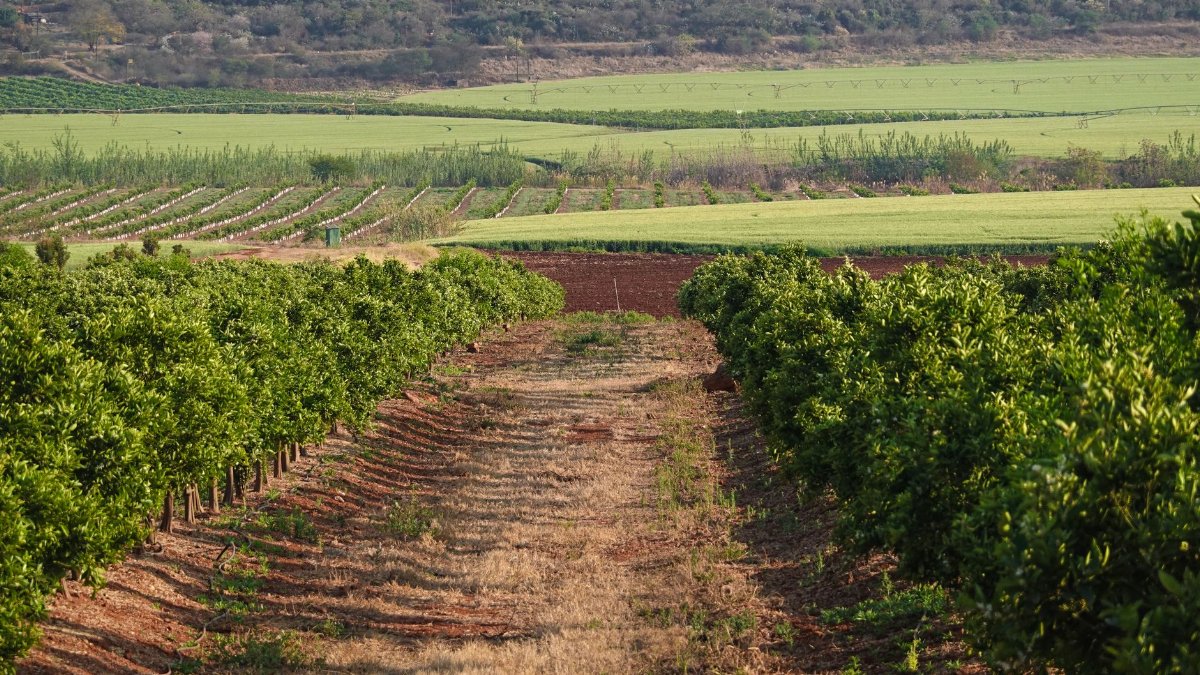
Commercial growers read the same map with more money attached. A vineyard or apple block can sometimes be protected with wind machines, heaters, or irrigation that releases heat as water freezes on the buds, methods that belong to spring more often than to October. In fall, the calculation is usually about harvest timing. Pick now and accept fruit that is a day short of perfect, or wait and risk a soft loss across an entire block.
That margin is where forecasts earn their keep. A Freeze warning Twin Cities meteorologists extend across southern counties gives managers a shared clock. Crews can be called. Markets can be told that the last sweet corn is truly the last. The romance of harvest is mostly logistics: trucks, labor, and a sky that will not negotiate. People who do not farm still live inside that economy every time they buy a pepper in November and wonder why it traveled.
Homes, health, and who feels the cold first

A night near 30 degrees is not a public health emergency on the order of a polar outbreak. It is still enough to matter for people in poorly heated rooms, for anyone sleeping outside, and for older residents whose circulation does not forgive a draft. Pets left on porches, hoses still attached to spigots, and pipes in uninsulated crawl spaces are the ordinary casualties. Disconnect hoses. Open cabinet doors under sinks on exterior walls if a house has a history of freezing lines. Bring animals in.
Cities and counties usually open warmer options when cold is prolonged or extreme. A single freeze warning does not automatically trigger that machinery, which is why neighbors still matter. A check on someone who lives alone is not sentimental policy. It is the oldest weather plan on record. The alert on a phone is useful. It is not a substitute for knowing who on the block has a broken furnace and too much pride to say so.
Why October still surprises a northern city
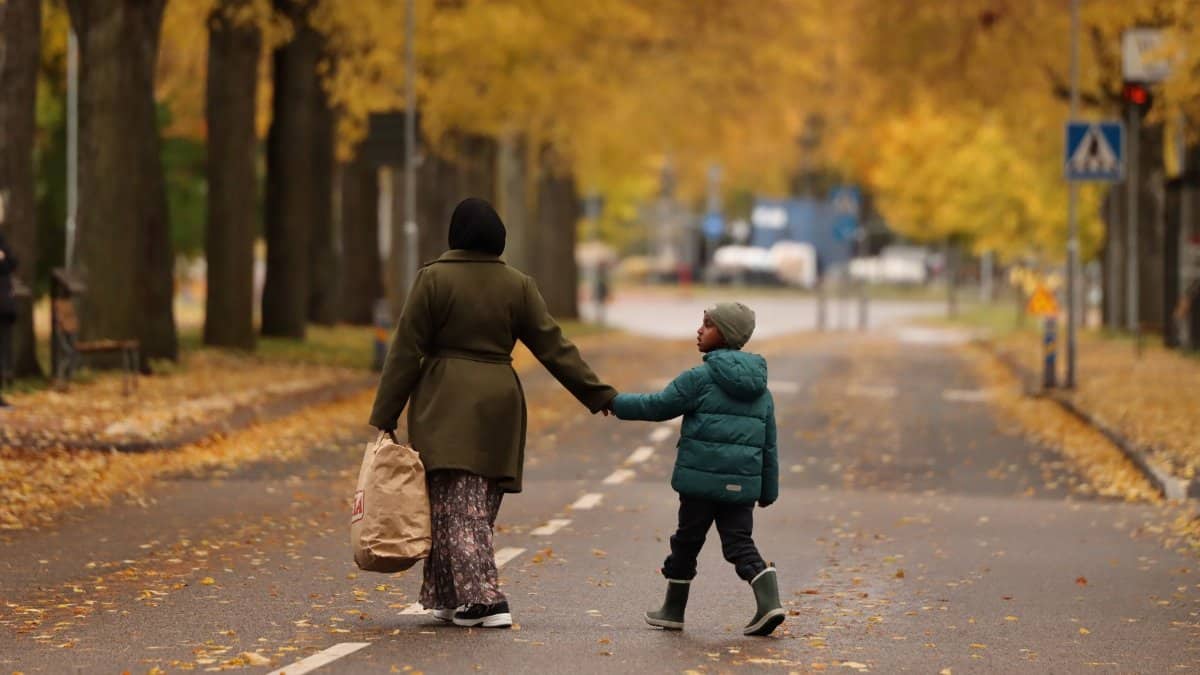
Minnesota knows cold. That knowledge can produce a strange complacency in the shoulder season. People delay the storm windows, leave the summer tires on, and treat the first warning as a rumor. Climate records show that the date of the first freeze wanders. Some years it arrives in late September in outlying areas. Some years the gardens limp into November. A warm September does not sign a contract with October.
The national climate record, kept by the National Centers for Environmental Information, is full of these uneven autumns. Averages smooth the story. A single night does not. Anyone who has lost a dahlia to a surprise freeze understands the difference between a trend line and a thermometer on the back step. The warning is a reminder that memory is a poor forecast model, even in a place that prides itself on endurance.
How to read the notice without panic

Good warnings are specific, temporary, and a little boring if you already did the work. Check the expiration time. Look at the hourly forecast, not only the headline low. Wind, cloud cover, and your exact location will decide whether the grass is white at 6 in the morning or merely damp. If clouds thicken overnight, temperatures may stall above the worst case. If the sky stays clear and the wind drops, the warning was the honest version.
When a Freeze warning Twin Cities readers see on their phones includes southern Minnesota, the useful response is local, not theatrical. Cover the basil. Tell the group chat. Charge the phone in case a later update shifts the timing. Then go to bed. Weather apps are designed to feel urgent. A freeze on a calm night is urgent only for the things that cannot move. The rest of life can wait until coffee.
The morning after, and what the cold leaves behind
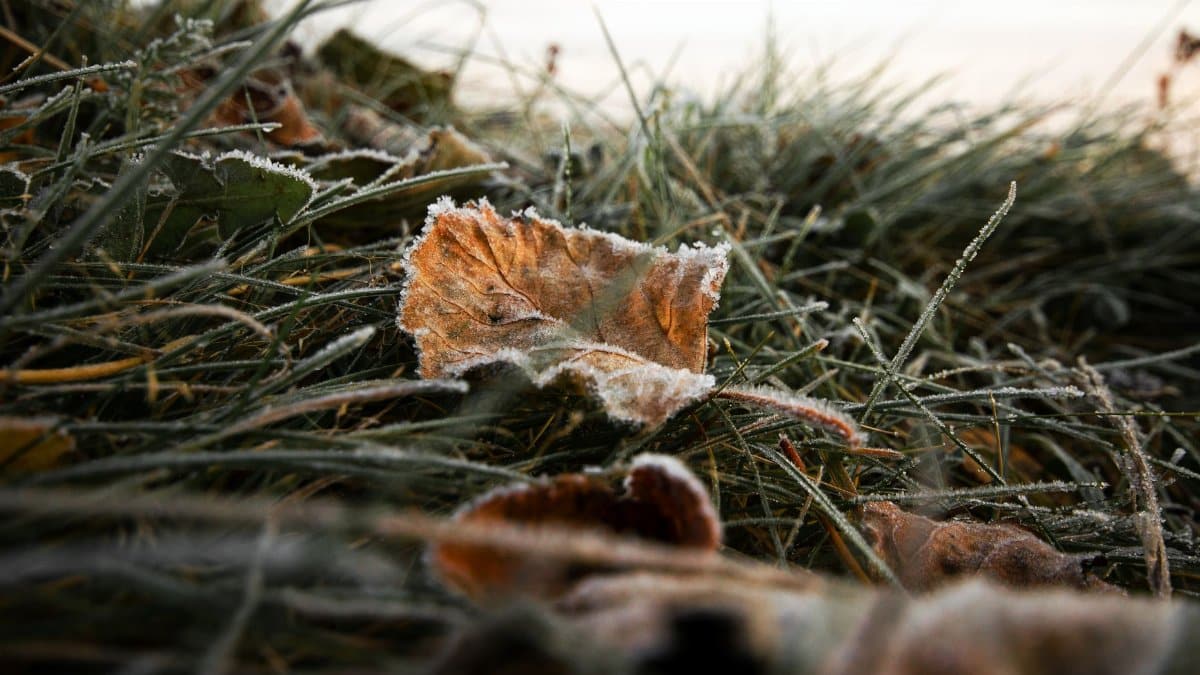
Dawn after a freeze has a particular silence. Leaves that were merely tired look burned. Annuals collapse into dark flags. The lawn may glitter and then go ordinary by the time the commute starts. People walk out, assess the damage with a cup in hand, and begin the small funeral of the season: pulling stakes, coiling hoses, deciding which pots are worth storing. It is ordinary grief, the kind that does not ask for an audience.
There is a spiritual habit hidden in that walk, if the word spiritual can be used without costume. Attention is a form of respect. Noticing which plant survived, which bird is still at the feeder, which neighbor’s light was on late, is a way of admitting that the world is not a backdrop. A Freeze warning Twin Cities life absorbs and then forgets will come again. The practice worth keeping is the ten minutes of looking, before the day files the cold under logistics and moves on.
What remains after the alert expires
Warnings end. The weather does not become safe because a colored banner disappears. Another clear night can repeat the lesson, or a mild stretch can hand the gardens a reprieve that feels like a joke. The grown up response is to treat the first freeze as information, not as a personality test. You were not foolish for planting late tomatoes. You were living in a climate that allows both abundance and a sudden edit.
Southern Minnesota and the Twin Cities will wake, scrape nothing or scrape a little, and continue. Schools will not close. Most commutes will be unchanged. The story is smaller than a storm and larger than a headline, because it touches the private border between outdoor life and indoor life. That border moves every autumn. This time it moved on a night forecast to reach about 30 degrees, under a notice plain enough to obey and quiet enough to miss if you were not looking up.