
On a quiet October morning, the kind of bulletin that once arrived by fax now moved across phones and newsroom screens in a single sentence. The Vatican said Pope Leo would leave the hospital on Saturday, four days after lung cancer surgery, and that he intended to appear the next day for the traditional noon blessing. For a church that measures time in centuries, the speed of the Pope Leo hospital release felt almost abrupt, a reminder that even the most ceremonial office is still a human body under a surgeon’s care.
A bulletin that traveled faster than rumor

The announcement was spare, in the manner Vatican statements often prefer when the subject is the pope’s health. There was a day of departure, a reference to surgery, and a plan for Sunday. There was no long clinical narrative, no parade of specialists, and no attempt to turn a medical event into a sermon. That restraint did some of the work. It told editors what they could print and told the faithful what they could reasonably expect to see with their own eyes.
In Rome, such notes function as both news and liturgy. They set the clock for cameras on the colonnade, for pilgrims who rearrange train tickets, and for bishops who must decide whether a scheduled audience is still wise. The Pope Leo hospital release, as described by the Holy See, was not framed as a miracle or as a crisis averted. It was framed as a timetable. Saturday out. Sunday in the square. The rest, for the moment, left unsaid.
Four days between the operating room and the door
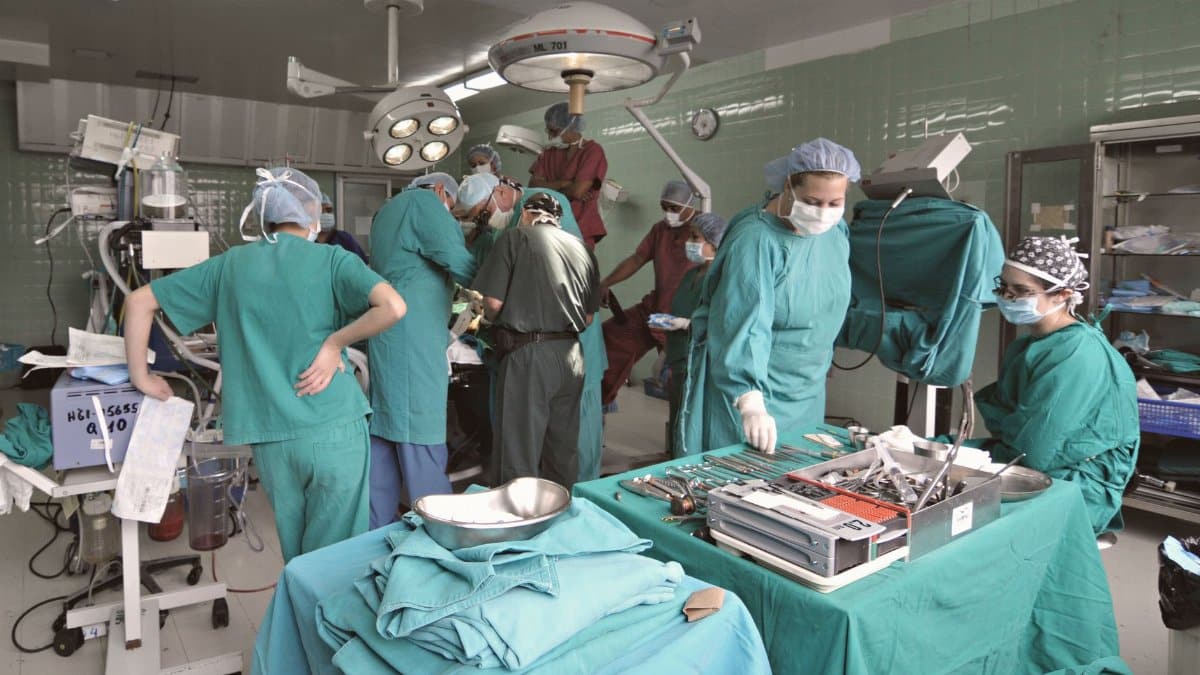
Four days is a short interval after an operation for lung cancer, at least in the public imagination, where major surgery still conjures weeks of hushed corridors and slow walks with a nurse. Medicine has changed that picture. Many patients leave earlier than their grandparents would have, especially when surgeons use smaller incisions and when recovery is measured in breathing exercises rather than in bed rest alone. None of that makes the diagnosis small. Cancer of the lung remains one of the hardest sentences a doctor can deliver, and a pope is not exempt from the fear that sentence carries.
What the public cannot know from a brief note is the stage of disease, the extent of tissue removed, or the plan that follows discharge. Those details belong first to the patient and his physicians. A news audience can still ask a fair question without demanding a chart: is a Saturday departure a sign of smooth progress, or a sign that the Vatican would rather manage the story from the Apostolic Palace than from a hospital lobby? Both readings are available. Only the medical team can say which is closer to the truth.
The Sunday blessing as a public test
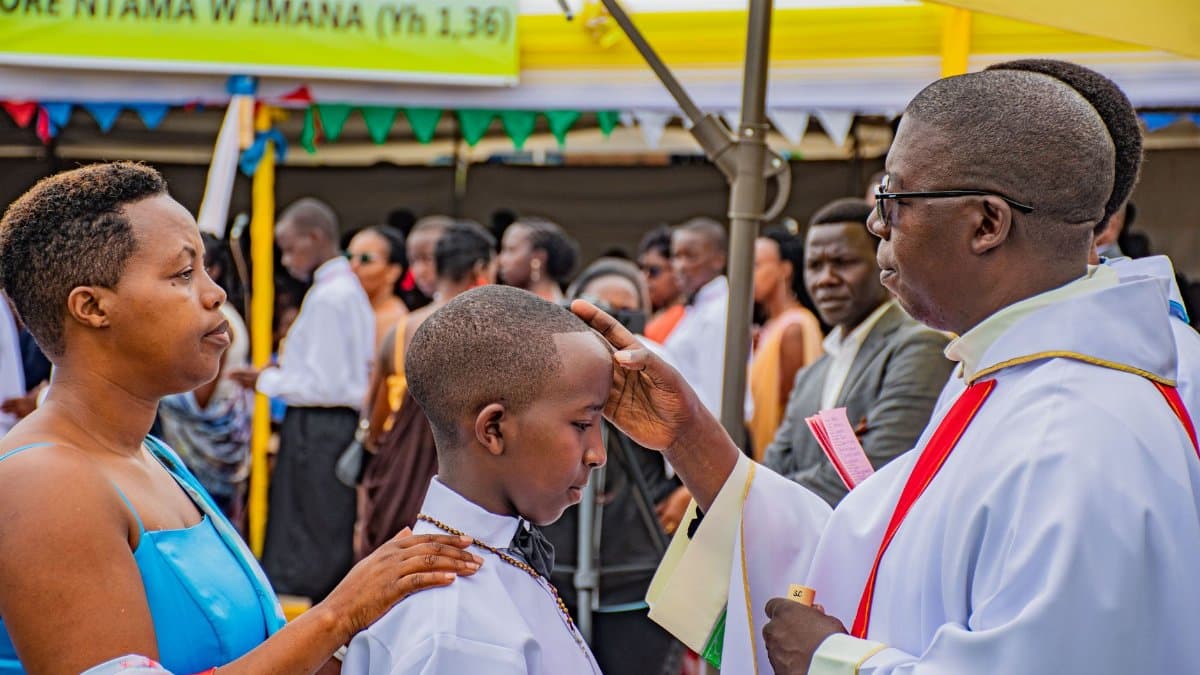
The decision to deliver the Sunday noon blessing from St. Peter’s Square is the most political sentence in an otherwise medical announcement, though political may be the wrong word. It is pastoral, visual, and institutional at once. The Angelus, or the blessing that occupies that hour when the Angelus is not said, is one of the few moments when the pope is both teacher and presence. People do not come only for the text. They come to see whether he can stand, whether his voice holds, whether the smile is effort or ease.
Appearing so soon after surgery sets a high bar. A strong appearance will quiet rumors faster than any communique. A frail appearance will not necessarily contradict the doctors, but it will write its own caption. Vatican officials know this. They have watched it happen with previous pontiffs, when a wave from a window did more to shape global coverage than a page of careful Latin. Scheduling the blessing is a bet that the pope can meet the camera without turning recovery into spectacle.
How Rome talks about a sick pope
The Holy See has spent decades learning, sometimes painfully, how to speak about illness. Too little information breeds invention. Too much information turns a sacrament of care into a rolling press conference. Under recent popes, the tone has shifted toward plainer language: hospital names, procedures, and thanks to staff, rather than the opaque formulas that once suggested a man was resting when he was in fact gravely ill. Even so, the institution still guards the boundary between what the church owes the world and what a man owes only his doctors.
That boundary is not only about privacy. It is about authority. A pope who looks diminished can still govern, but he governs in a louder room. Every delay in a document, every canceled trip, every delegate sent in his place will be read as a symptom. Clear bulletins reduce the space in which faction and guesswork grow. They do not eliminate it. The Pope Leo hospital release will be parsed by people who have never set foot in a thoracic ward and by people who have, and those two groups will not hear the same sentence.
A young pontificate and an old anxiety

Pope Leo XIV is still early in the work of defining his papacy. Early pontificates are usually about travel, appointments, and the first encyclical, the gestures that tell Catholics and everyone else what kind of bishop of Rome they have. A cancer operation interrupts that story without erasing it. It inserts the body into the narrative before the agenda has fully settled. Supporters will say the interruption reveals character. Critics will say it exposes fragility at a moment when the church wanted momentum.
Neither claim is especially useful on its own. What matters is whether the office can absorb a medical pause without pretending the pause is nothing. Modern popes are global figures, but they are also elderly or aging men asked to perform youth for the cameras. Leo’s case is particular because the diagnosis is cancer, a word that does not soften with protocol. The church has buried popes and also watched popes return to full public life after scares that looked final. History offers examples, not guarantees.
What surgery does and does not tell the public
Surgery is a fact. Prognosis is a range. Readers deserve that distinction, because headlines collapse it. An operation can remove a tumor and still leave a long course of treatment, or it can mark the end of the acute crisis and the start of ordinary surveillance. Discharge on Saturday tells us that physicians believed the immediate risks of staying in a ward had fallen enough to send him home, or to the Vatican’s own medical rooms, whichever setting the statement implies by the word release. It does not tell us the five year picture. It does not tell us whether he will travel in the spring.
Journalists should resist the urge to decorate that gap with borrowed expertise. Thoracic surgery is not a metaphor for church reform, and a good recovery is not a verdict on doctrine. The honest frame is narrower. A man had a serious operation. His doctors and his curia believe he can leave on Saturday. He plans to bless the city on Sunday. Everything beyond that is either private medicine or future news.
The square, the cameras, and the faithful
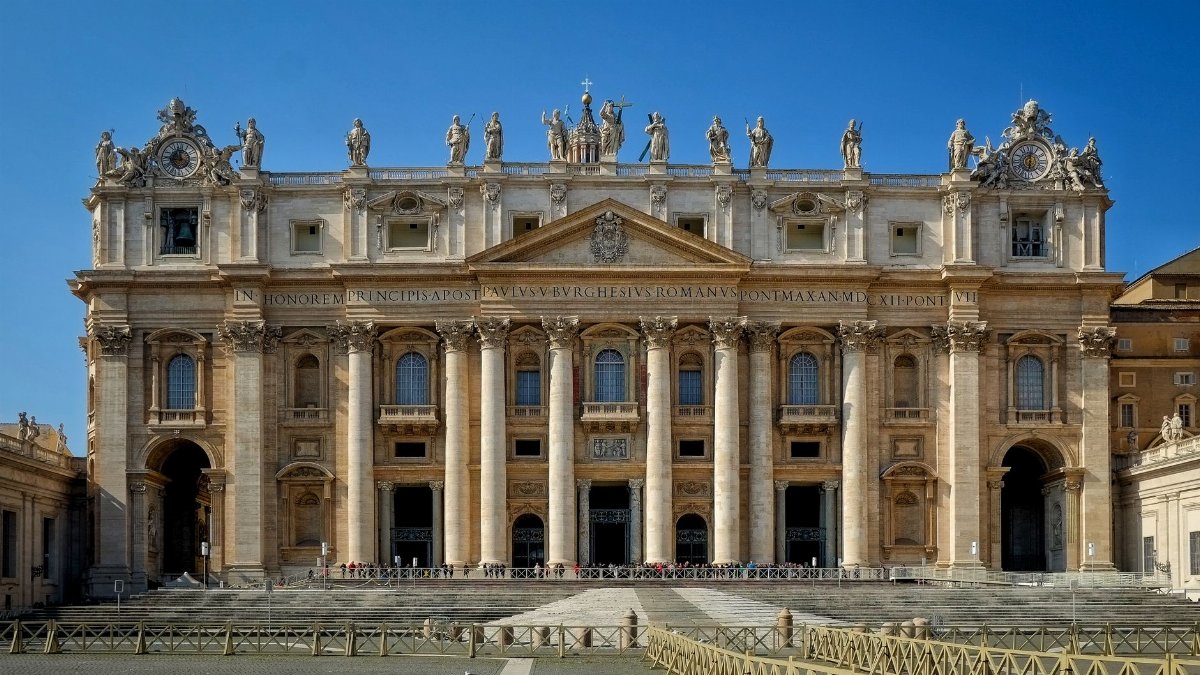
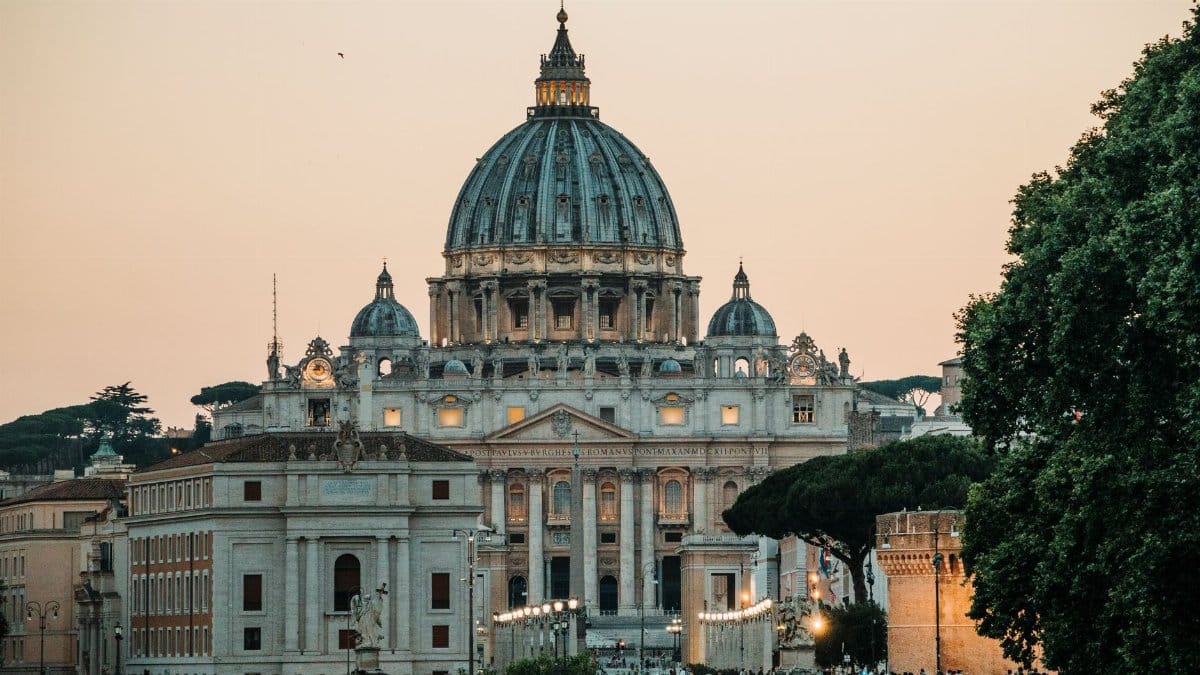
St. Peter’s Square is an odd hospital waiting room. It is open to weather, to tourists who wandered in for the dome, and to Catholics who have been praying by name since the first alert. When a pope returns to that space after illness, the crowd does two things at once. It celebrates, and it inspects. Phones go up. Someone near the obelisk will say he looks thin. Someone else will say he looks himself. Both remarks will travel farther than the homily.
There is tenderness in that inspection, and also a kind of demand. The faithful want reassurance that the church’s visible center is intact. Pilgrims who saved for a ticket want the day they were promised. Journalists want a picture that settles the question for a news cycle. The pope, if he is wise and if he is able, will give them a few minutes and no more. Recovery is not a performance, even when it must pass in front of a crowd.
Memory of other papal hospital stays
Recent memory supplies a template whether Leo’s aides want one or not. John Paul II turned physical suffering into a public theology, appearing when walking was difficult and speaking when speech was difficult, until the image of frailty became part of his teaching. Benedict XVI chose a different path, stepping away from the office when he judged he could no longer carry it, a decision that still unsettles Catholics who had assumed resignation was a historical footnote. Francis normalized the hospital stay as an almost seasonal fact of an aging papacy, with updates that were sometimes blunt and sometimes late, and with a habit of joking from the window once he was back.
Leo does not have to inherit any of those styles. Four days and a Sunday blessing suggest he would rather look continuous than dramatic. Continuity has its own risk. If the appearance is strong, critics of transparency may say the church again asked a sick man to reassure the institution before he reassured himself. If the appearance is weak, the comparison machine will start at once, measuring this pontificate against resignations and long declines that are not yet his story.
A calendar that keeps moving
The Vatican does not pause because its bishop is in a gown. Audiences can be postponed. Letters can wait a week. Some decisions cannot, or will not, because bureaucracies treat emptiness as an invitation. A discharge on Saturday quietly restarts that machinery. It tells dicastery heads that the pope is available again, at least on paper. It tells diplomats that a meeting next month is no longer automatically in doubt. It tells organizers of future trips to keep their drafts and their caution in the same folder.
The danger is not that work resumes. The danger is that resumption is mistaken for full strength. A pope can sign a decree from a chair and still need months before a long flight is responsible. Aides who love the man and aides who love the schedule are not always the same people. The test of this week will be whether the calendar bends to the patient or the patient is bent back toward the calendar. Outsiders will see only the public pieces: the blessing, the next audience, the first trip that is confirmed or quietly dropped.
The limits of a short medical note
A good bulletin answers the questions it can and refuses the ones it should not. This one answers when he leaves and where he plans to be on Sunday. It does not answer how the cancer was found, whether symptoms preceded the operation, or what treatment follows. Those omissions will frustrate some readers and relieve others. Privacy is not a trick, but secrecy is. The line between them is visible only over time, in whether later updates match the first calm tone or arrive only after leaks force the issue.
I have covered enough health announcements, papal and otherwise, to know that the first sentence is rarely the whole story. It is the sentence institutions are ready to live with. The Pope Leo hospital release belongs in that category. It is specific enough to plan a broadcast around and vague enough to protect a patient who did not run for office so much as accept an election by cardinals. Holding both facts in view is the job of the coverage, not a failure of it.
Recovery as a form of governance
If Saturday goes as announced, the image that will linger is not the operating room, which no one outside a small medical circle will see. It will be a man in white at a window or on a balcony, doing a familiar thing after an unfamiliar week. Governance, in that moment, looks like showing up without pretending that showing up is the same as being finished with illness. The church can pray for healing and still tell the truth that healing is not a press strategy.
There will be time later for arguments about travel, about stamina, about whether a papacy touched early by cancer should narrow its map. Those arguments can wait until there is more than a discharge date to argue from. For now the facts in hand are few and sufficient for a weekend. Pope Leo is expected to leave the hospital on Saturday. He is expected to bless the square on Sunday. Between those two appointments sits the ordinary, difficult work of getting well, which no communique can do for him and no crowd can finish.