

On a cool October afternoon in Philadelphia, the argument about housing stopped sounding like a spreadsheet and started sounding like a kitchen table. Older residents described stairs they can no longer trust, rents that outrun fixed incomes, and the wish to remain among neighbors who know their names. AARP seniors housing Philly became the shorthand for a wider claim: that a serious housing plan must treat aging as a design problem, not a side note. AARP chief executive Myechia Minter Jordan carried that message into meetings tied to Mayor Cherelle Parker’s housing initiative on October 14, 2026. The visit did not invent the shortage. It put a national organization behind a local truth many families already live with. Home, for people past working age, is not a lifestyle preference. It is the place where memory, care, and ordinary dignity still have an address.
A city hearing the wish to stay

Philadelphia has spent years talking about production targets, vacant lots, and the price of a new unit. Those debates matter. They also leave out a large share of the people who already live here and intend to die here if the building will let them. Minter Jordan’s appearance was a reminder that senior housing is not a separate silo from the mayor’s broader push. It is a test of whether the push is honest.
The Philadelphia Inquirer reported the visit as an argument for affordable homes and for the chance to age in place. That pairing is easy to applaud and hard to fund. Aging in place only works when the rent stays payable, the boiler stays lit, and the block stays reachable by a person who no longer drives. A speech can name all three. A budget has to choose among them.
What aging in place requires

Aging in place is often pictured as a sentimental refusal to move. In practice it is a set of physical and financial conditions. A person needs a dwelling that can be entered without a flight of stairs, a bathroom that can be used after a fall risk appears, and a landlord or a repair program that answers the phone. None of that is romantic. All of it is cheaper, in many cases, than a forced move into institutional care that nobody wanted.
The phrase also hides a class divide. A homeowner in a paid off rowhouse can age in place if the roof holds and a relative lives nearby. A renter in a walk up with a month to month lease cannot make the same promise to herself. Policy that speaks only to owners will miss the Philadelphians most likely to be displaced by a rent increase or a building sale.
Rent, repairs, and fixed incomes

Social Security and small pensions do not track the private rental market. When a landlord renovates and resets the rent, an older tenant has few levers. Moving means packing a life, finding a unit that accepts a limited income, and hoping the new neighborhood has a pharmacy, a congregation, and a bus that still runs. Staying means absorbing a cost that crowds out food and medicine.
Repair is the quieter crisis. Older housing stock, which is much of Philadelphia, fails in ordinary ways: leaking roofs, bad wiring, stairs without rails, heaters that quit in January. For a younger tenant those failures are miserable. For an older tenant they are dangerous. A city that counts new units and ignores habitability will congratulate itself while people leave homes they could have kept.
Where Parker’s housing plan meets older residents
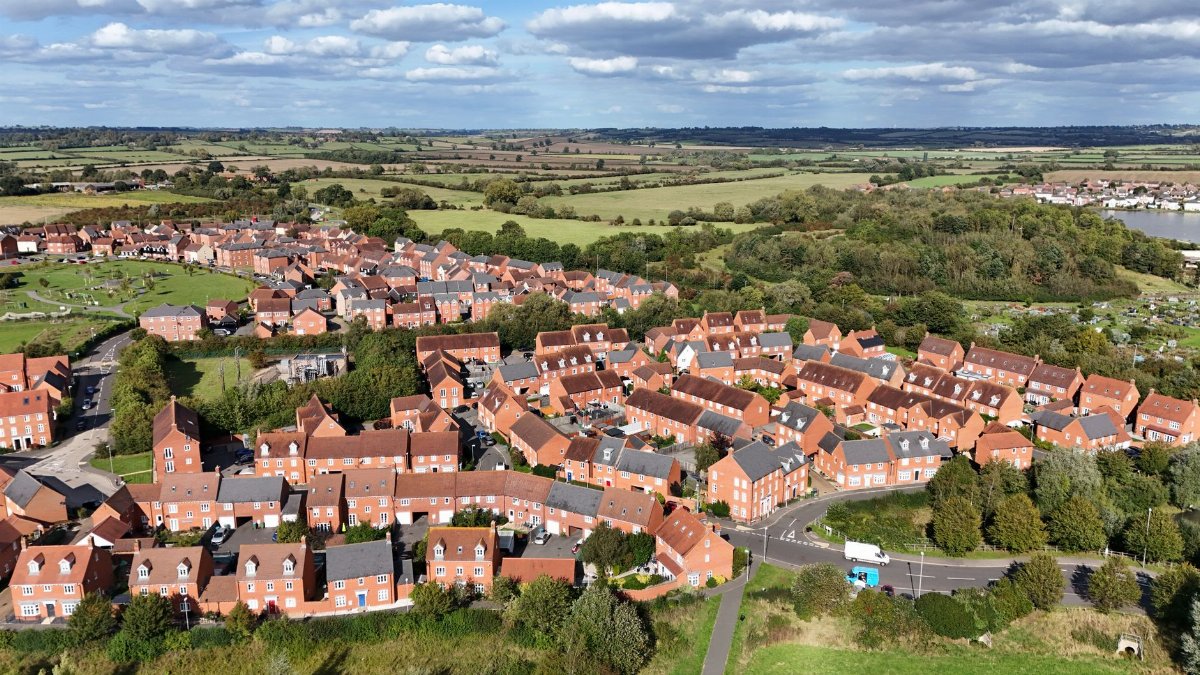
Mayor Parker has framed housing as a central promise of her administration, with attention to supply, affordability, and neighborhoods long treated as afterthoughts. Advocates for older adults are asking that seniors be written into that promise with the same specificity as first time buyers or families with children. A unit that a 30 year old can climb into is not automatically a unit that a 78 year old can live in.
That is the practical content of AARP seniors housing Philly as a civic demand. It is not a request for a single showcase building with a ribbon cutting. It is a request that accessibility, subsidy, and the right to remain show up in zoning talks, in preservation deals, and in the rules that govern publicly supported rentals. If those rules treat age as an afterthought, the city will build past the people who have already waited the longest.
The houses people already occupy
New construction gets the renderings. Most older Philadelphians live in housing that already exists: narrow rowhouses, small apartment buildings, units above stores, homes shared with adult children. A strategy limited to ground up projects will take years to touch them. In the meantime, a grab bar, a ramp, a repaired porch, and a property tax relief program can decide whether someone stays through the next winter.
Preservation also has a moral edge that production numbers do not capture. People are attached to particular corners, particular congregations, particular stoops. Asking them to relocate to a new complex across the city may solve a spreadsheet and break a support system. The support system is not a luxury. It is how medication gets picked up and how loneliness gets interrupted.
Stairs, transit, and the last block home
Housing policy and transportation policy meet on the sidewalk. A subsidized apartment is not affordable in any full sense if the nearest grocery is a dangerous crossing away and the bus has been cut. Older residents in Philadelphia often describe the last block as the hardest part of the day. Uneven pavement, missing benches, and dark stops turn a short errand into a reason to stay inside.
Inside the building, design details decide independence. Elevators that work, doors that a walker can clear, and bathrooms with room to turn are not amenities. They are the difference between living alone and needing a facility. Cities that treat those details as optional will pay later in emergency room visits and in family members who quit jobs to provide care the building should have made unnecessary.
Faith communities as informal housing networks

In a city dense with churches, mosques, synagogues, and storefront congregations, spiritual life is also a housing network. Clergy and lay leaders often know who is behind on rent, who has not left the house since a spouse died, and who is one repair away from a condemnation notice. That knowledge rarely appears in a planning document. It is nonetheless one of the more accurate maps of need.
Some congregations already host meal programs, home visits, and informal matches between older members and younger families. A few have land that could hold small accessible buildings if zoning and financing were less hostile to modest projects. Treating faith communities only as charities misses a chance to treat them as partners with local knowledge. The point is not to hand housing policy to pulpits. The point is to notice where trust already lives.
Caregivers balancing work and a parent’s lease

The housing crisis for seniors is also a labor crisis for their children. An adult daughter in Germantown or Southwest Philadelphia may be covering a parent’s rent, driving to medical appointments, and trying to keep her own job. When the parent is forced to move, the daughter’s commute, childcare, and savings move with her. Policy that imagines the older resident as a solitary case file will undercount the household that is actually paying the bill.
Men carry this load too, though public conversation still defaults to daughters. Either way, the strain is private until it becomes a resignation letter or a late mortgage. Cities that expand in home support, adult day programs, and repair aid are not only serving seniors. They are keeping working age residents attached to the labor force.
What advocates want counted

National groups such as AARP tend to arrive with a familiar list: more affordable units designed for aging, stronger protections against displacement, help with home modification, and transit that does not assume a car. The value of a Philadelphia visit is local translation. Which neighborhoods lose older renters first? Which repair programs have wait lists measured in seasons? Which new projects include elevators and which do not?
Counting matters because uncounted need gets described as preference. If the city does not track how many older tenants leave after a sale, the departure looks voluntary. If it does not track falls on stairs in unrepaired rentals, the injury looks like bad luck. AARP seniors housing Philly, in the narrow sense of a news peg, is a visit. In the wider sense it is a demand that those exits and injuries enter the official story of the housing plan.
The risk of building only for the young
There is a political temptation to aim housing announcements at people the city hopes to attract: workers, students, new families. That aim is not wrong. It becomes a distortion when it implies that people who have already given the city their working years are a residual category. Philadelphia’s older population is not a niche. It is a large, racially varied, economically uneven public whose housing conditions will shape hospitals, transit ridership, and neighborhood stability for the next decade.
Building only for the young also misreads the young. Many of them are caregivers. Many expect to grow old in the same city if the price and the stairs allow it. A housing plan that cannot imagine a resident at 80 is a plan with a short clock.
A standard for dignity

Dignity is a word that can float free of budgets. It should not. Dignity here means a lock that works, a rent that does not require skipping medication, a bathroom that can be used after surgery, and a neighborhood that still contains the people who would notice an absence. Those are measurable conditions. They can be written into requests for proposals, into tax relief rules, and into the scorecards City Hall uses to claim progress.
Minter Jordan’s October visit will fade from the news cycle. The conditions that prompted it will not. Families will keep making private calculations about stairs and leases. Congregations will keep learning, one phone call at a time, who cannot stay. The useful legacy of AARP seniors housing Philly is not a slogan. It is a standard: a housing initiative that cannot say, in plain language, how older residents remain in the city has not finished its work.
What residents can watch for next

Readers who want to judge the follow through have a short list. Watch whether new publicly supported buildings include step free entry and elevators as a rule, not a variant. Watch whether repair and modification aid reaches renters as well as owners. Watch whether property tax relief and rental subsidies are sized to fixed incomes rather than to a theoretical market. Watch whether transit cuts and sidewalk disrepair are treated as housing issues, because for an older person they are.
Watch, too, the language. If seniors appear only in a paragraph about vulnerability, the plan still sees them as objects of care rather than as residents with a claim on the city they built. AARP seniors housing Philly will have mattered if, a year from the visit, an older tenant can point to a rule, a repair, or a unit and say the promise reached the block. Until then the kitchen table conversation continues, and it is more precise than most press conferences.