
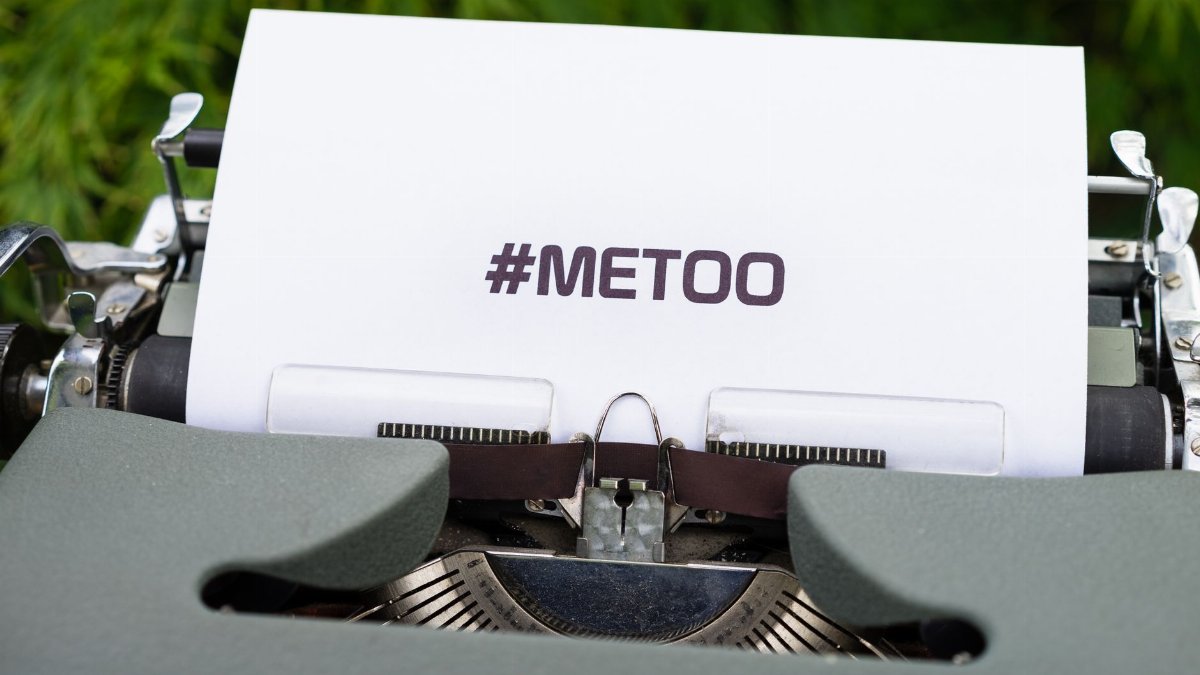
On a quiet Sunday in the fall of 2017, a brief note from an actress asked people to answer with two words if they had been sexually harassed or assaulted. The replies did not trickle in. They arrived in a rush that journalists, employers, and ordinary readers could not ignore. Historians now treat the day when #MeToo goes viral October 15 as the moment a private injury became a public record, written in public view by the people who had carried it.
A message that outran its author
Alyssa Milano posted the prompt on Twitter in the evening, after reports about the producer Harvey Weinstein had already shaken Hollywood. She did not invent the phrase. She asked survivors to show the scale of the problem by saying it out loud, together. Within a day, the hashtag had spread far beyond entertainment. Teachers, nurses, soldiers, students, and retirees added their own lines. Some wrote only the two words. Others attached dates, job titles, or the name of a street where something happened and was never reported.
The speed mattered as much as the volume. Social media had already trained people to share outrage in short bursts. This time the posts were not only commentary. They were testimony. Readers who had never thought of themselves as activists watched friends and relatives join a chorus that cut across party, region, and income. For many middle aged Americans, the feed that week felt less like a trend and more like a roll call.
The woman who had already said the words
Long before that October night, Tarana Burke, a community organizer from the Bronx, had been using Me Too with girls and young women who needed language for harm they could not yet name in public. Her work grew out of youth programs and a belief that survival should not require silence or shame. When the hashtag exploded, Burke risked being written out of a story she had started. She pushed back, and newsrooms eventually corrected the record.
That correction is part of the history, not a footnote. A celebrity prompt can open a door. It cannot replace the slower labor of listening, counseling, and building trust in neighborhoods far from red carpets. Burke has said again and again that the point was never virality. The point was healing and accountability. The day #MeToo goes viral October 15 is incomplete if it is told only as a Hollywood plot twist.
Why the timing felt sudden and overdue
Weinstein was not the first powerful man accused of sexual misconduct, and 2017 was not the first year women described a pattern. What changed was the combination of detailed reporting, a simple digital prompt, and a public ready to believe that isolated incidents might share a structure. The New York Times and The New Yorker had published investigations that named names and described methods: nondisclosure agreements, career threats, and assistants asked to look away. Those stories gave the hashtag a concrete villain and a paper trail.
Still, many posts that week had nothing to do with film. They described bosses, coaches, pastors, customers, and relatives. The common thread was unequal power and the calculation that speaking would cost more than staying quiet. Once thousands of people made the opposite calculation at the same time, the old bargain looked less stable.
The first days of a new public language
In the week after the prompt, the hashtag moved from personal confession to institutional question. What should a company do when a beloved executive is accused by several employees? What should a university do when a star professor is named? What should a newsroom do when its own culture is on the list? Some organizations opened hotlines. Some issued statements that said almost nothing. A smaller number commissioned outside reviews and published what they found.
Readers learned a vocabulary that had lived mostly in human resources manuals and court filings. Nondisclosure agreement. Hostile environment. Retaliation. The words were not new, but they were suddenly attached to faces people recognized from television and from their own offices. That translation, from legal category to lived scene, is one reason the moment stuck.
Work, reputation, and the fear of getting it wrong
Employers faced a practical problem as well as a moral one. A social media post is not a trial. Due process still matters, and false accusations, though not the typical case, can destroy a life. At the same time, waiting for a perfect process had often meant waiting forever. Human resources departments that had treated complaints as risks to be managed found themselves accused of protecting the brand instead of the staff.
Unions, professional associations, and state legislatures began to revisit rules on arbitration and secrecy. Some changes were modest: clearer reporting channels, training that employees actually attended, bans on forced silence after a settlement. None of this erased harm that had already occurred. It did signal that the cost of looking away had risen. When people later ask what #MeToo goes viral October 15 changed inside ordinary companies, the honest answer is uneven progress, not a clean conversion.
Faith, conscience, and communities that preach care
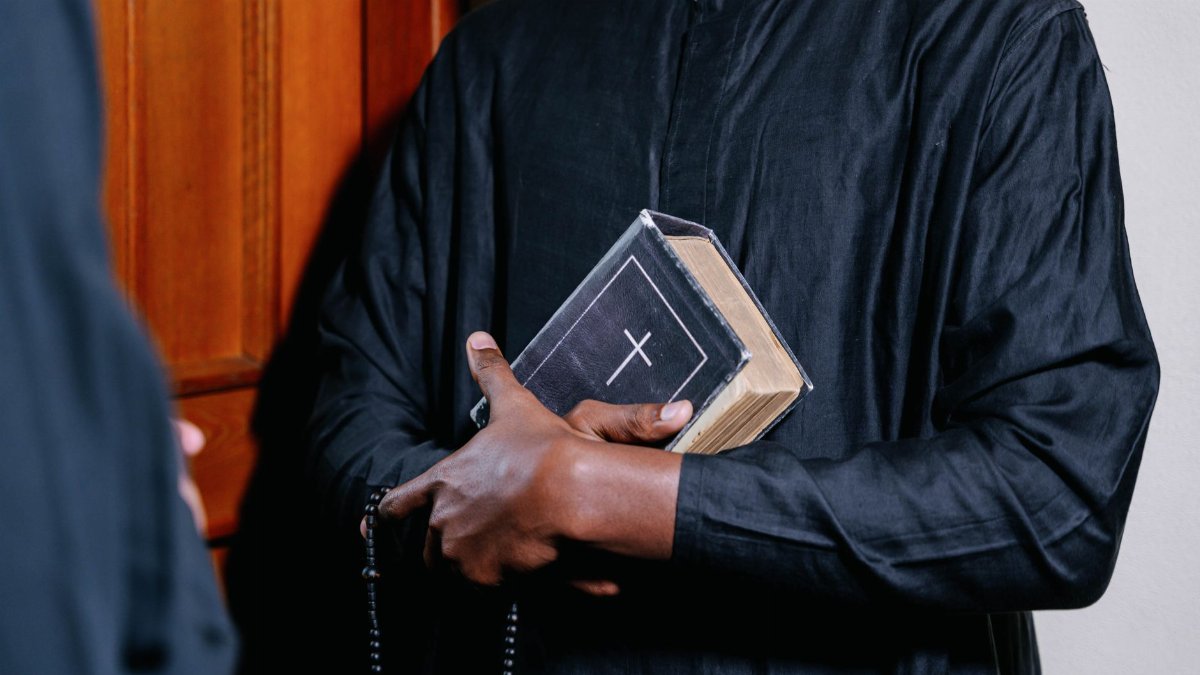
Because this reckoning touched moral language, it also reached congregations, seminaries, and spiritual circles that pride themselves on shelter. Some leaders used pulpits to affirm survivors and to admit that sacred spaces had hidden abuse behind loyalty and reputation. Others warned that public accusation without careful inquiry could become a new form of cruelty. Both worries can be true at once.
Survivors who are religious often describe a second injury: the sense that God, or the community that claims God, preferred peace over truth. Pastors and lay ministers who took the moment seriously did not treat a hashtag as scripture. They treated it as a summons to practices they already claimed: confession, repair, and protection of the vulnerable. In that sense the story belongs, awkwardly but honestly, among the spiritual trends of the decade, not only among media trends.
Global echoes and American limits
The phrase traveled. In some countries it collided with censorship, with laws that punish women for speaking about sex, or with media systems that still treat powerful men as untouchable. In others it joined existing feminist movements that had their own names and martyrs. American readers sometimes mistook a domestic viral peak for a universal liberation. It was not. It was a powerful episode inside a longer and more local struggle.
Inside the United States, the benefits were also unequal. Women with education, fluent English, and some job security found it easier to post and to be believed. Immigrant workers, people with disabilities, and those in low wage service jobs often faced the same risks with fewer microphones. Black women, including Burke herself, noted that their earlier warnings had drawn less attention than a celebrity tweet. Any fair history has to hold that imbalance in view.
Law, culture, and what a hashtag cannot do
Criminal cases still require evidence, statutes of limitation, and juries. Many of the worst stories shared that October could never be prosecuted, because years had passed or because the harm was degrading without being clearly criminal. Culture moved faster than courts. Careers ended on the basis of reporting and admissions. Some of those outcomes look, in retrospect, like justice arriving late. A few look like pile ons that skipped inquiry. Distinguishing the two is adult work, and it does not get easier with time.
Art and entertainment absorbed the shock in their own way. Scripts, casting rooms, and award speeches referenced the moment. Some of that was sincere. Some of it was branding. Audiences learned to listen for the difference. A movement that begins with testimony is easily flattened into a slogan, and a slogan is easy to sell.
Memory, backlash, and the archive we keep
Backlash arrived quickly and has never fully left. Critics argued that flirtation had been criminalized, that young men were now presumed guilty, and that private life had been handed to a mob. Supporters answered that the old norms had never been neutral. They had protected some people and exhausted others. Polls in the years since have shown both wider awareness and fatigue. Fatigue is not the same as resolution.
What remains is an archive. Screenshots, investigations, memoirs, workplace policies, and the memory of a particular autumn when inboxes filled with stories people had rehearsed only in their heads. Students who were children in 2017 now encounter the episode as history, the way earlier generations encountered Anita Hill or the long fight over Title IX. Teaching it well means naming Burke, naming Milano, naming the reporters, and naming the unnamed thousands whose posts made the scale visible.
How to mark the date without freezing it
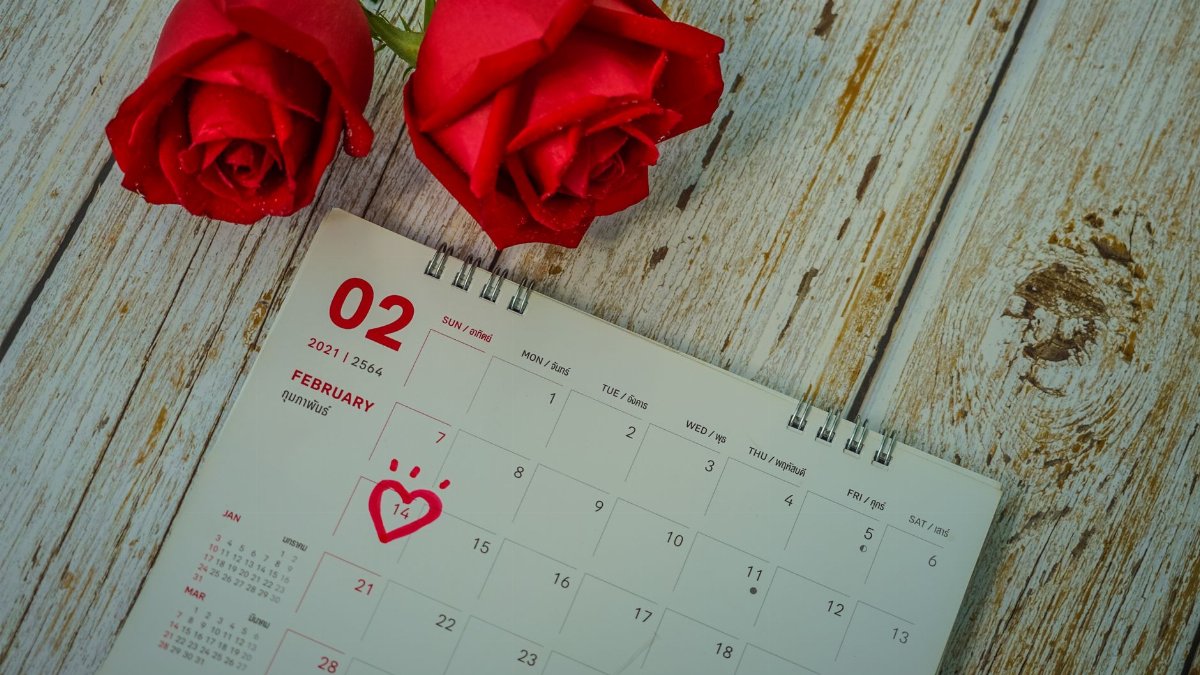
Anniversaries invite simplification. A single day becomes a monument, and monuments can hide the mess around them. It is more useful to treat October 15 as a hinge. Before it, many Americans believed harassment was someone else’s problem or a rare scandal. After it, denial required more effort. That is not the same as safety. It is a change in what can be said in a meeting, a newsroom, a family kitchen, or a sanctuary.
People who want to honor the date can do small, concrete things. They can read Burke in her own words. They can support local groups that accompany survivors through housing, work, and court, not only through awareness campaigns. They can ask whether their own institutions still buy silence. None of that fits in a hashtag. All of it follows from the fact that #MeToo goes viral October 15 because millions decided, for at least one night, that silence was no longer the safer choice.
What the record asks of us now
History is not a moral trophy. The same country that watched those posts also watched some accused men return to public life with little apology, and watched some survivors pay in jobs, friendships, and health. Remembering the viral day without remembering the aftermath is a kind of nostalgia.
A better habit is repetition of attention. When a new case breaks, the question is not whether it can trend. The question is whether the people closest to the harm have a path that does not require them to become content. The phrase still circulates because the underlying problem still does. Marking the day when #MeToo goes viral October 15 is worthwhile if it sends readers back to the harder, quieter work that began before the tweet and continues after the timeline moves on.