

For years drivers approaching downtown Minneapolis have encountered severe slowdowns where two major highways come together. This area known as the I394 bottleneck creates daily headaches for commuters and travelers alike. Officials at the Minnesota Department of Transportation have now stated clearly that expanding this section remains out of reach because of space limitations and high expenses. The decision leaves many wondering what options exist for improving traffic flow in the region.
The Origins of the Traffic Issue
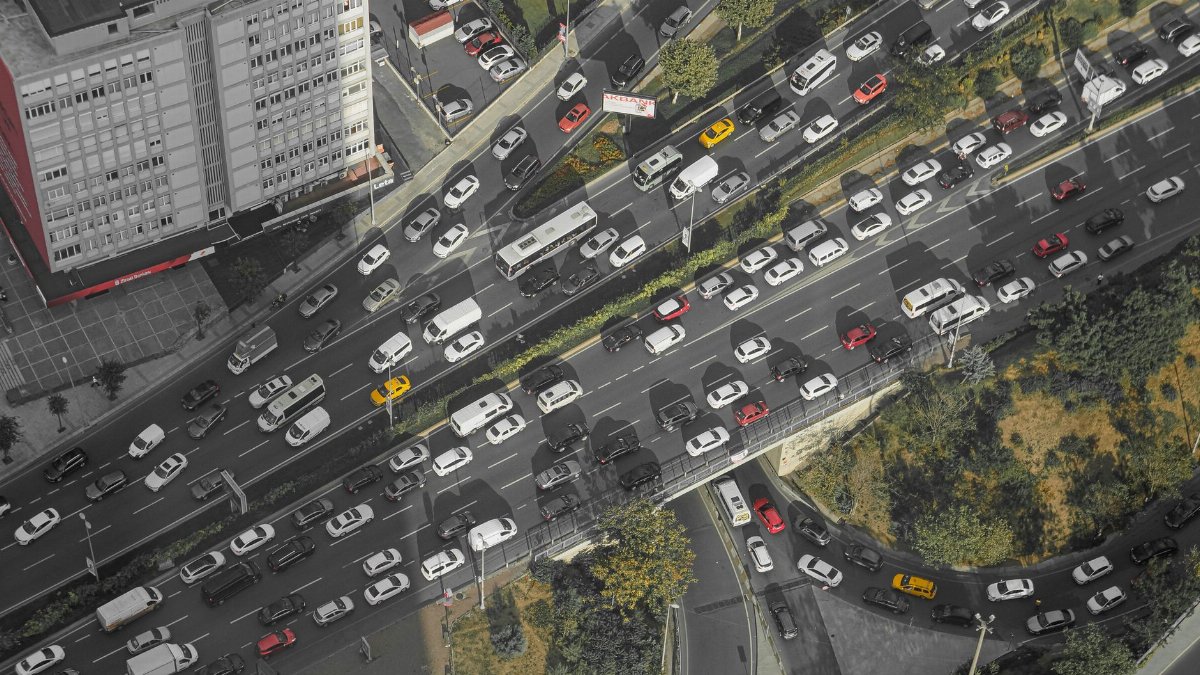
The highways were built decades ago when traffic volumes were much lower. Over time the number of vehicles grew beyond what the design could handle. Engineers have studied the spot repeatedly but found no easy solution for the persistent congestion that forms each weekday.
Physical Barriers to Expansion

Buildings stand close to the roadway on both sides leaving little room for added lanes. Bridges and overpasses further restrict any chance to widen the pavement. MnDOT engineers reviewed multiple designs yet each one ran into these fixed obstacles that cannot be moved without enormous disruption.
Cost Estimates That Deter Action

Early calculations showed that even modest improvements would require hundreds of millions of dollars. Lawmakers weighed these figures against other statewide needs and concluded the price tag could not be justified. Funding remains scarce for projects of this scale in the current budget climate.
Commuter Experiences Along the Corridor

People who drive this route every day describe sitting in stop and go traffic for extended periods. Delivery drivers and transit operators report similar delays that affect schedules and fuel costs. The I394 bottleneck has become a familiar topic of conversation among those who travel into the city center regularly.
Alternative Routes and Their Limits

Some drivers try side streets or parallel roads to avoid the merge area. These paths often fill up quickly and lead to similar slowdowns elsewhere. Public transit offers another choice yet many residents still rely on personal vehicles for work and family needs.
Future Planning by State Agencies

MnDOT continues to monitor traffic patterns and test smaller operational changes. Signal timing adjustments and ramp metering have helped in some cases but do not address the core capacity problem. Long term strategies focus on managing demand rather than adding pavement.
Regional Economic Impacts
Businesses near downtown note that slow commutes can discourage customers from certain areas. Workers who live farther away lose productive time each day sitting in traffic. The overall effect ripples through the local economy in ways that are hard to measure precisely.
Lessons from Similar Highway Projects
Other cities have faced comparable constraints when trying to enlarge older infrastructure. In many cases leaders turned to technology and policy tools instead of construction. Those experiences inform current thinking in Minnesota about realistic next steps.
Public Input on Transportation Choices
Residents have shared views through surveys and public meetings over the years. Opinions vary widely with some calling for bold action and others urging fiscal restraint. Officials listen to these perspectives while weighing technical realities.