
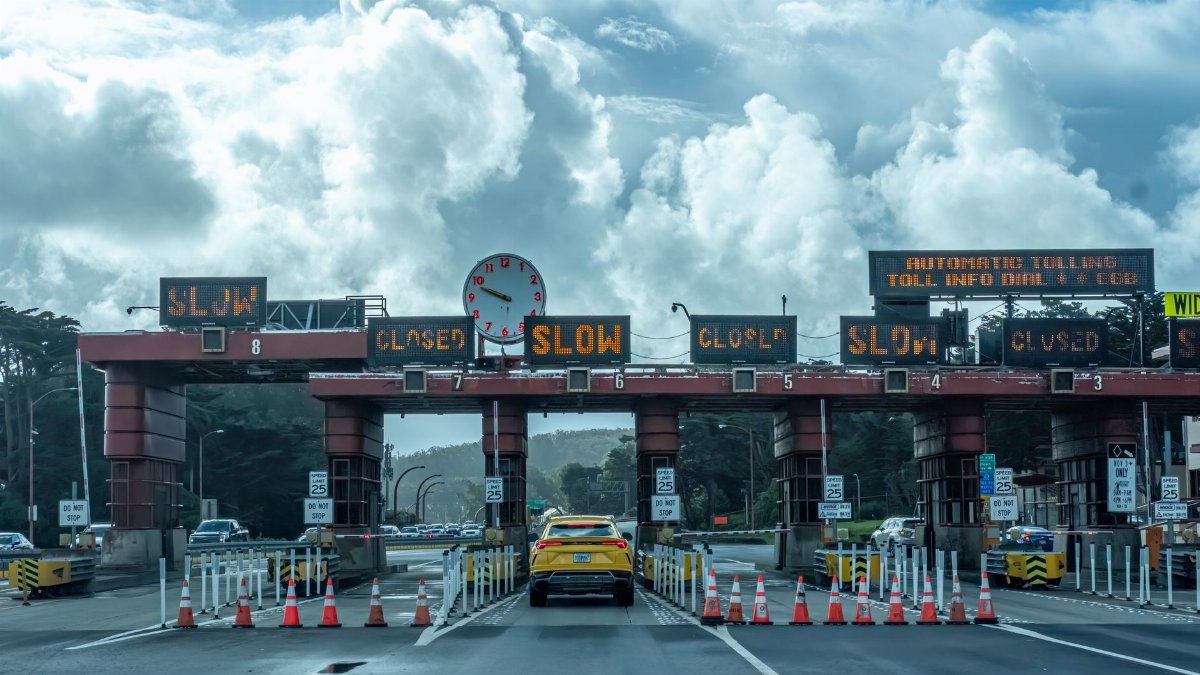
South of the downtown towers, where the freeway bends and the hospital complex sits close to the lanes, a weekend shutdown has a way of rearranging an entire city. Drivers who treat Saturday as the easy day discover that the usual ribbon of asphalt is simply gone. The Highway 101 Hospital Curve closure arrives on top of a season already marked by jams, including the recent tangle near Golden Gate Park, and it asks a familiar question in a sharper form: how many interruptions can a regional road system absorb before routine travel becomes a negotiation.
A bend that already asks for attention
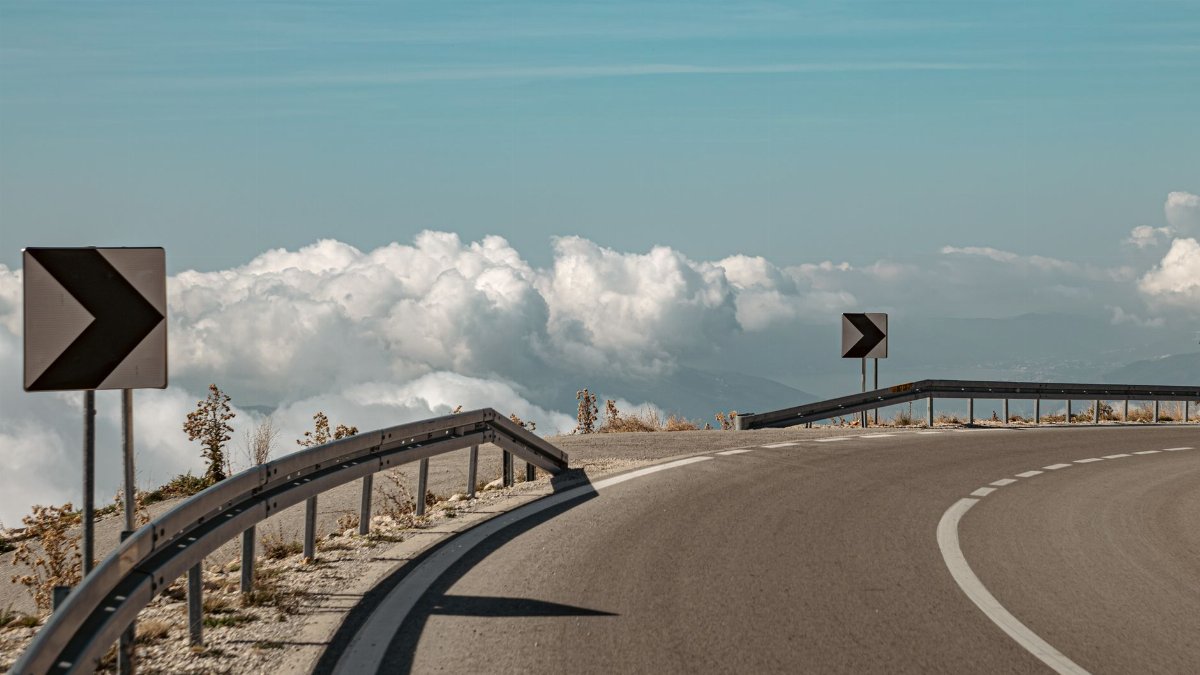
Hospital Curve is not a gentle nickname invented by a traffic reporter. It names a real geometry. Southbound Highway 101 through San Francisco tightens as it passes near a major medical campus, and the road asks drivers to slow, hold a line, and resist the habit of treating every freeway mile as identical. On an ordinary afternoon that bend already collects brake lights. When the lanes themselves are taken away, the problem is no longer a moment of caution. It is a missing link in a route that thousands of people use to cross the city, reach the Peninsula, or come home from the north.
The San Francisco Chronicle has described a southbound closure through the city this weekend, set against earlier congestion and related work. That framing matters. A single barricade is easy to picture. A sequence of disruptions is harder, because each one lands on drivers who have not yet recovered their trust in the last one. People remember the jam. They remember the missed appointment, the child waiting at a curb, the shift that started without them. Memory, in traffic, is a kind of infrastructure.
Why this weekend feels heavier than a routine job

Road work has to happen somewhere in the calendar. Crews prefer hours when commute volumes drop, and weekends often look like the least bad choice. Families, visitors, and shift workers do not experience that choice as abstract planning. They experience it as a Saturday that no longer behaves like Saturday. Grocery runs stretch. Airport trips require a speech no one wanted to give. A person leaving a hospital visit, already tired, finds the direct road closed and the city offering only side streets in return.
The recent Golden Gate Park jam still sits in the background of that calculation. Park roads and freeway lanes are not the same system, yet in a compact city they share the same drivers, the same patience, and the same limited set of alternatives. When one corridor fails, another is asked to pretend it was built for the overflow. It rarely was. The result is not chaos in the cinematic sense. It is a slow, irritating redistribution of delay onto streets that also hold buses, bikes, storefronts, and people trying to cross on foot.
What a closure removes, and what it does not
A freeway closure removes capacity. It does not remove the trips. That distinction is the whole story. Work, caregiving, worship, sport, and ordinary errands continue on the clock they already had. Some travelers can postpone. Many cannot. Nurses finishing a night shift do not get to wait for Monday. Neither do people collecting relatives from a terminal, or small business owners who use the weekend to restock. The Highway 101 Hospital Curve closure, like other limits on 101 through San Francisco, pushes those fixed trips onto whatever remains open.
What remains open is a patchwork. Some drivers swing toward Interstate 280 if their destination allows it. Others drop onto city streets earlier than they planned. A few, if the timing and the geography cooperate, leave the car behind. None of those choices is universally available. A person in the Sunset trying to reach a job in San Mateo does not have the same menu as a person already near a BART station. Advice that treats every driver as interchangeable misses the map.
The hospital in the name is not decoration
Names on freeways are usually dull. This one is not. A curve called after a hospital carries a public obligation that a generic paving job does not. Ambulances, patient transfers, and families in a hurry already treat the area as more than a commute. When lanes close, emergency planners and hospital staff have to know which approaches still work, which ramps are dark, and how long a detour adds when minutes are not a metaphor. That coordination is mostly invisible to the person sitting in a personal car, and it should be. Invisible, in this case, means someone else did the worrying in advance.
Still, ordinary drivers share the space with that urgency. The courteous move is not complicated. Leave a gap. Do not treat a closure zone as a place to improvise. Follow the direction that is actually posted rather than the direction a navigation app preferred last month. Apps are useful until the cone pattern changes faster than the map. On a curve, a last second correction is exactly the behavior the geometry punishes.
Surface streets inherit the surplus
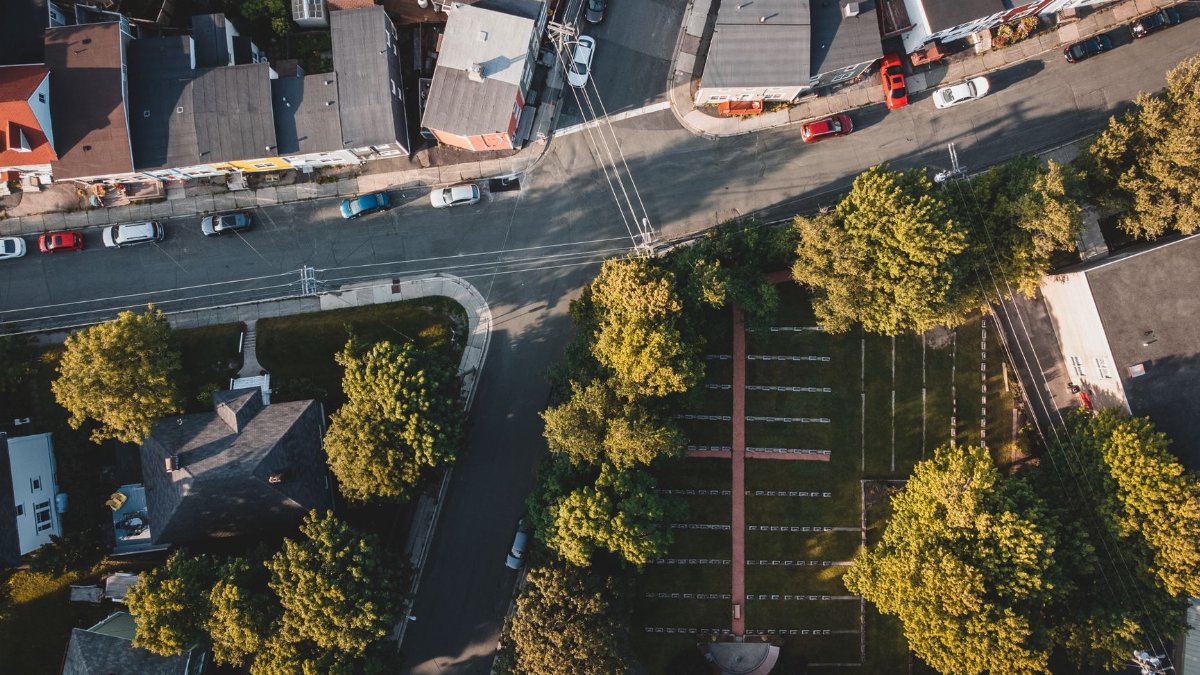
When a freeway through San Francisco goes dark, the surplus does not vanish into the bay. It arrives on arterial streets that already do several jobs at once. They move buses. They hold parking. They front schools, clinics, and corner stores. A wave of drivers who would rather be on 101 changes the temper of those blocks. Signals that were timed for local traffic meet a stream of through trips. Residents hear it before they read about it: the longer queue at the light, the horn that would not have sounded on a quiet Saturday, the bus that cannot leave the stop because a car has edged into the lane.
This is the part of a closure that press releases tend to underdescribe. The freeway is the headline. The neighborhood is the fine print. People who live near the bend already live with engine noise and the occasional hard brake. A weekend of diverted traffic asks them to host a regional problem on a local street. That hosting is not voluntary, and it is rarely compensated with anything more than a promise that the work will end.
Stacked projects and the feeling of never catching up

Bay Area drivers have learned to read closures as a series rather than as isolated events. Paving here, a barrier repair there, a ramp rebuild that overlaps a sign replacement, a park road that seizes up while a freeway is already limited. Each project can be justified on its own sheet of paper. Together they produce a mood. The mood is not outrage so much as weary arithmetic. If this weekend is spoken for, and last weekend was spoken for, when is the ordinary drive supposed to return.
Maintenance cannot be postponed forever. Asphalt fails. Joints open. Drainage clogs. A curve that carries heavy volumes at speed needs more attention than a quiet frontage road, not less. The public interest in doing the work is real. So is the public interest in sequencing it so that one corridor is not asked to fail while another is already closed. Agencies that treat communication as a late add on, rather than as part of the job, pay for that choice in lost trust. A clear map, posted early, is not a courtesy. It is part of the repair.
The Golden Gate Park jam as a recent tutor
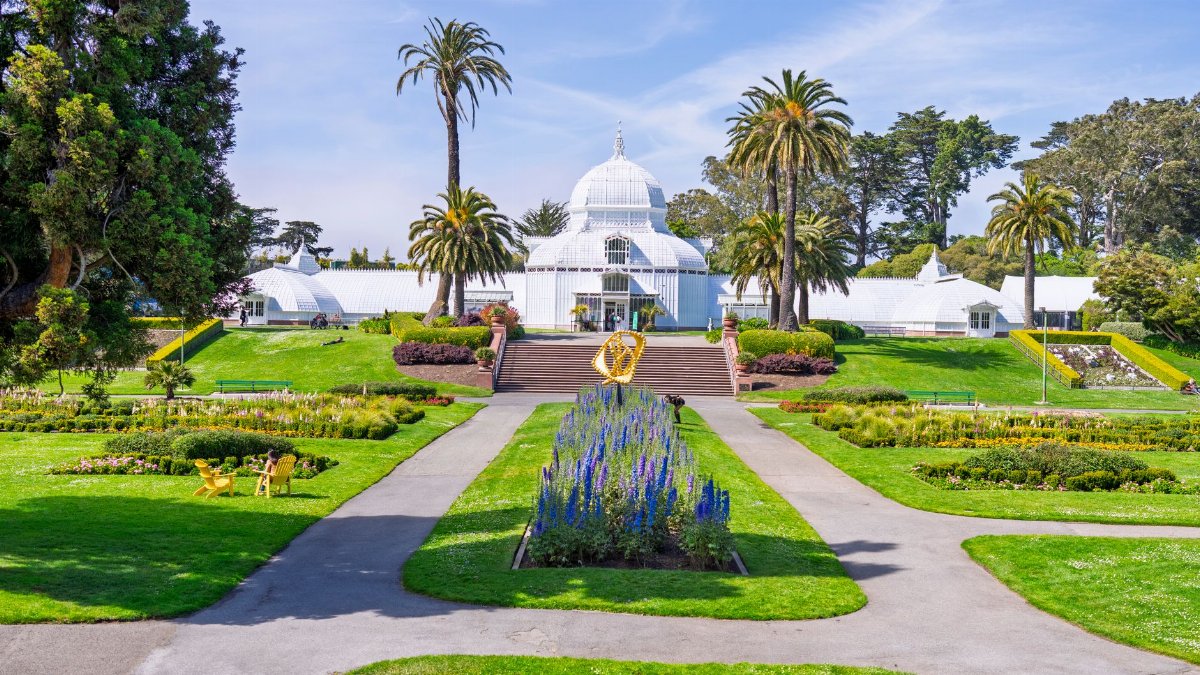
The park congestion that preceded this freeway weekend taught a compact lesson. Scenic roads and recreational corridors can lock up just as thoroughly as a commute freeway, and they can do it on a day when people assumed the city would be kind. Visitors who came for a meadow or a museum became part of a traffic story they did not intend to join. Residents who use those roads as everyday links found their neighborhood converted into a holding pattern.
That memory colors the Highway 101 Hospital Curve closure even for people who will never drive the curve this weekend. It suggests that disruption is no longer a rare bulletin. It is a condition. When conditions pile up, small decisions change. Some households add an hour they do not have. Some cancel. Some discover, not always happily, that a train or a bus was available all along and that the car was a habit more than a necessity. A jam can be a tutor. It is an expensive one.
Transit is a partial refuge, not a slogan
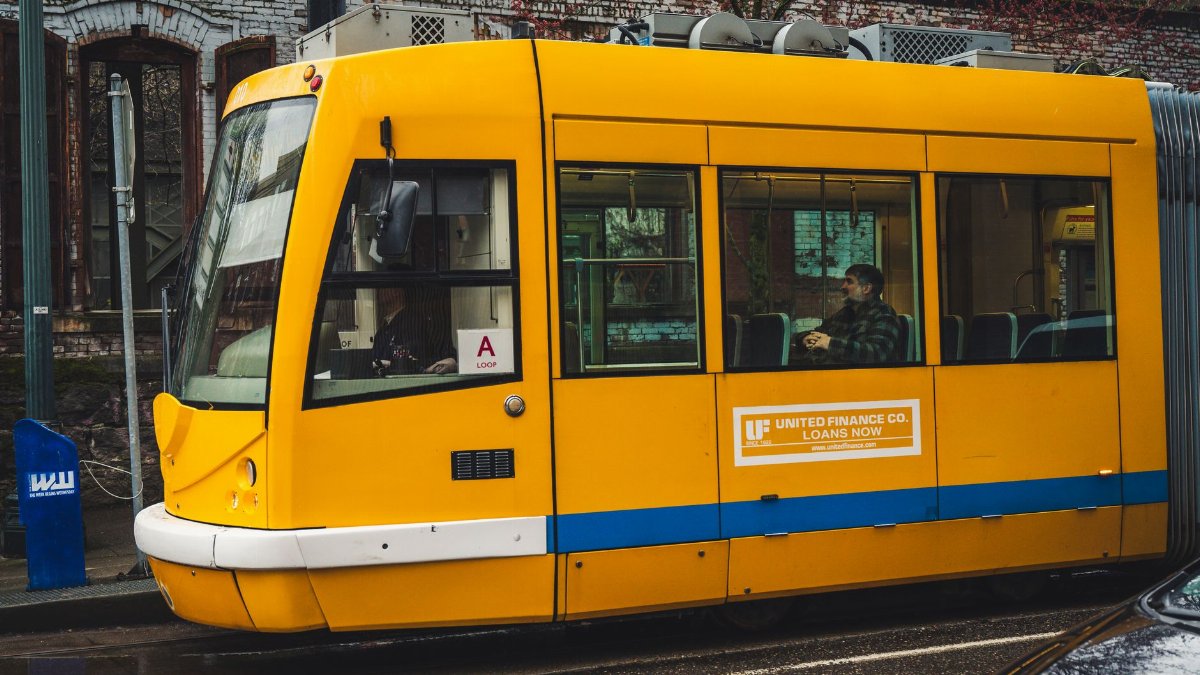
BART, Caltrain, Muni, and the regional bus network can absorb some of the trips that a freeway closure displaces. They cannot absorb all of them, and they should not be described as if they can. A traveler with luggage, a mobility device, a night shift, or a destination far from a station may find transit slower, less direct, or simply absent. Pretending otherwise insults the people who already know their options. What transit can do, on a weekend like this, is offer a reliable path for the trips that match its map. For those trips, leaving the car at home is not a moral performance. It is the smoother ride.
Riders who do switch should expect company. When driving looks worse, platforms get fuller. That is a success of a sort, and also a stress test. Agencies that want drivers to treat transit as a real alternative during highway work have to run the service they advertise, with the frequency and the span that a weekend actually requires. A bus that comes once an hour is not a detour. It is a reason to get back in the car.
How to travel without inventing a shortcut

There is no clever private route that the rest of the region has somehow missed. If a corridor is closed, the cars that used it will try the next corridor, and then the next. The practical steps are plain. Check an official traffic source the morning of travel, not the night before, because cone patterns move. Build time into any trip that must cross the city on southbound 101 or that depends on ramps near the curve. If the appointment can move, move it. If it cannot, leave earlier than pride prefers.
Navigation apps can help once they have ingested the closure, and they can hurt when they route a flood of drivers down a street that cannot hold them. A human still has to look at the road. Posted detours exist for a reason, even when they feel longer than the blue line on a screen. On Hospital Curve, longer is often safer than inventive.
Who pays the time, and who does not
Delay is not distributed evenly. A salaried worker who can open a laptop at the kitchen table loses less than a caregiver paid by the hour, or a driver whose route is the job. Weekend closures are sometimes defended as fair because fewer commuters are present. Fairness depends on which weekends, and whose. Hospitals do not close. Airports do not close. Restaurants staffing a Saturday dinner do not close. The people most exposed to a missing freeway are often the people with the least authority to reschedule the city around their convenience.
That is an argument for better notice and for honest estimates of duration, not an argument against repair. A public that understands why a lane is gone will tolerate more than a public that meets a barricade with no explanation. Tolerance has a limit. When closures arrive as a surprise, stacked on a fresh memory of gridlock, the limit arrives sooner.
A city that moves by habit and by trust
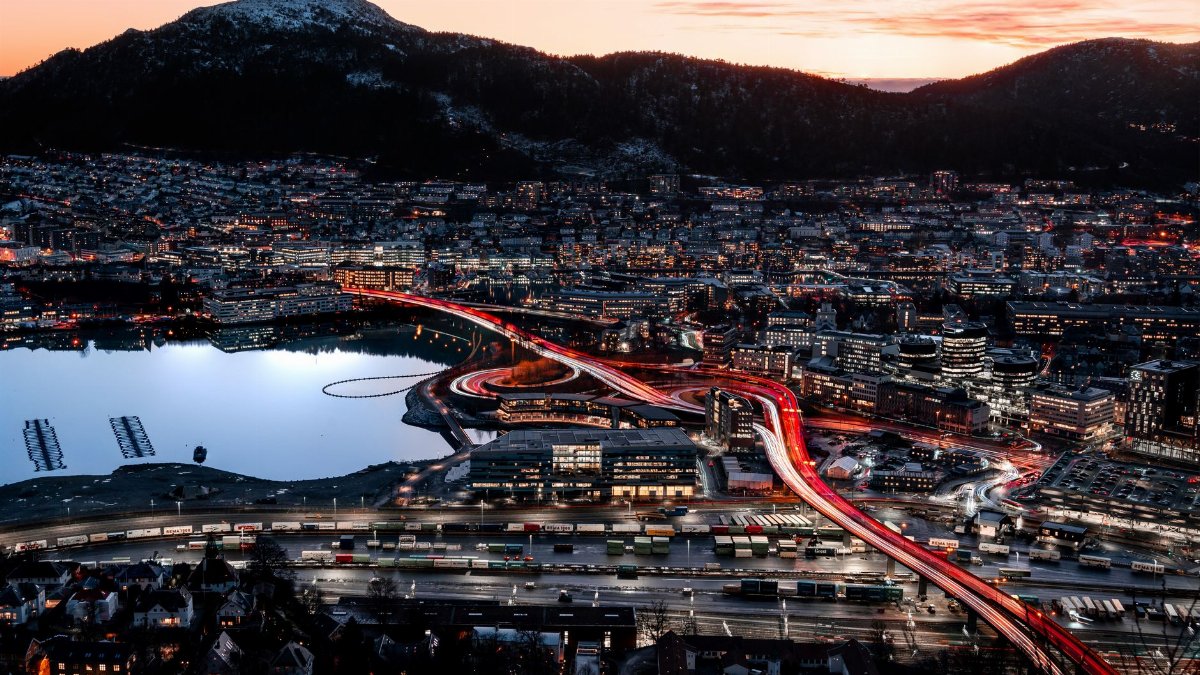
There is a quiet civic ritual in the weekend drive: the visit, the game, the long way home along a road everyone assumes will be there. When that assumption fails, the failure is practical and also slightly personal. People feel managed by a system they fund and rarely see explained in full. The remedy is not a speech about resilience. The remedy is a road that reopens when promised, a detour that is actually signed, and a sequence of projects that does not treat every corridor as simultaneously expendable.
Spiritual language is easy to misuse around traffic, and it should be used sparingly. Still, a closure asks something like patience, and patience is a public virtue only when institutions earn it. Drivers can grant a weekend. They should not be asked to grant an endless one.
What the next clear Sunday depends on

If the work on the curve is finished on the schedule that was posted, Monday can look ordinary again, which is all most people want from a freeway. Ordinary is underrated. It means an ambulance does not have to improvise, a bus keeps its headway, and a driver can cross the city without consulting three apps and a group text. The Highway 101 Hospital Curve closure will be judged less by the drama of the weekend than by whether the lanes come back sound, and whether the next project waits its turn.
Bay Area travel is already a negotiation among freeways, park roads, bridges, and streets that were never designed to substitute for one another. Another closure, arriving while the Golden Gate Park jam is still fresh, makes that negotiation visible. The grown response is not panic and not resignation. It is attention: to the signs, to the people who cannot reroute their lives, and to the simple requirement that a repaired road be worth the hours it took away.