
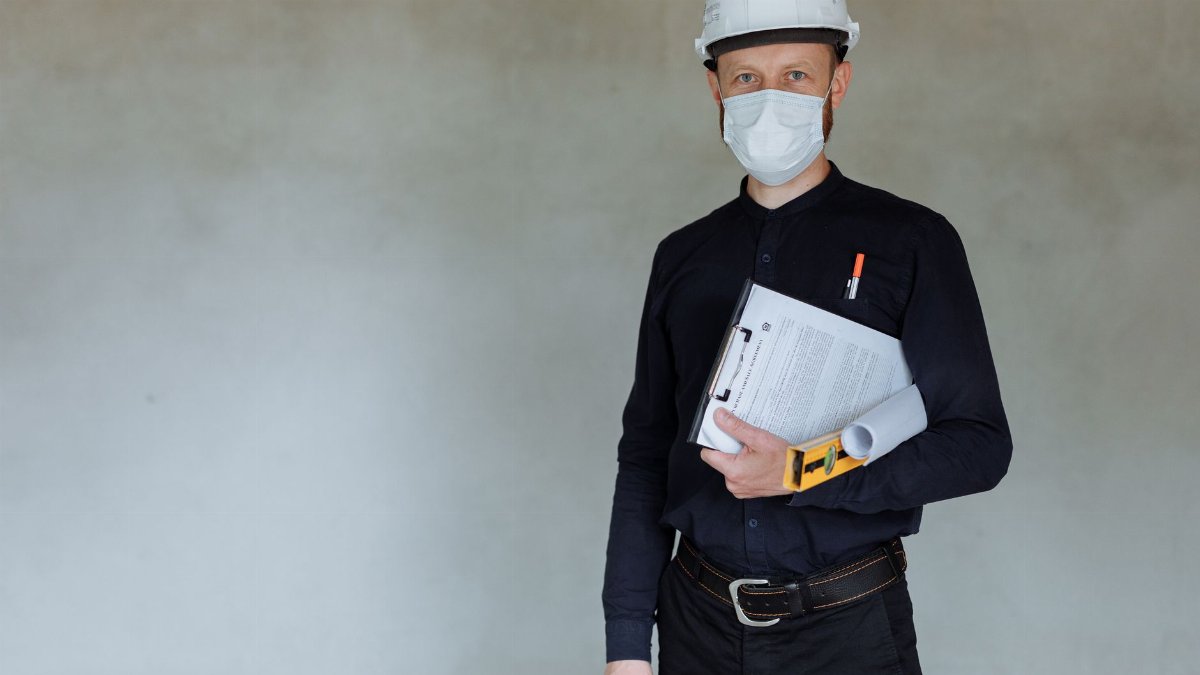
On a bright weekday morning along Brickell Avenue, the cranes over a rising glass tower began to move again after weeks of stillness. For pedestrians below, the change was easy to miss. For the crews who had been sent home, and for the neighbors who had watched emergency vehicles gather in September, it marked a careful return to a project that had become a civic argument as much as a construction site. City and county officials cleared the Citadel Brickell tower safety restart only after reviewing a revised plan meant to reduce the chance of another serious accident.
A skyline pause that felt longer than the calendar
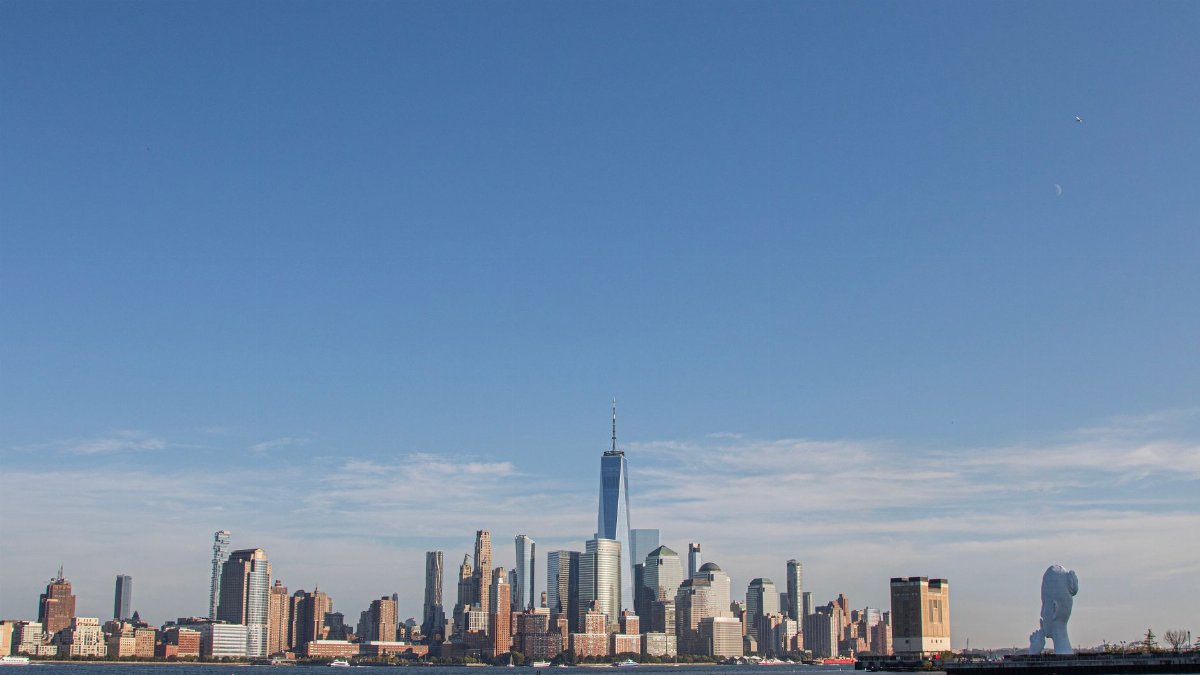
Brickell does not stay quiet for long. Traffic stacks at the bridges, tour boats cut the bay, and new towers compete for the same narrow slice of sky. When work stopped on the Citadel project, the silence was local but conspicuous. A tower of this scale is not a private hobby. It sits inside a dense neighborhood of offices, condos, restaurants, and school routes. An accident on a site like that travels fast, first as rumor, then as a question about whether the pace of building has outrun the habits that keep people alive.
The September incident halted progress on a 52 story tower tied to Citadel, the hedge fund that has been shifting a large share of its presence toward Miami. The firm and its development partners had sold the project as a statement about the future of finance in South Florida. After the accident, that story narrowed to something simpler. Could the work resume without repeating the failure that stopped it?
What the county asked to see before saying yes

Miami Dade regulators did not treat the restart as a courtesy. In projects of this height, a stop work order is a blunt instrument, and lifting it is a formal act. Officials wanted a revised safety plan, not a promise that everyone would try harder. That distinction matters. A plan names responsibilities, sequences risky tasks, and sets out how crews will be trained, supervised, and stopped if conditions turn unsafe.
Public records and local reporting, including coverage by the Miami Herald, described county approval of a revised approach before construction could continue. The exact internal memos are not the sort of documents most residents will read. What they can understand is the threshold. Work does not resume because a developer is impatient. It resumes because an inspecting authority decides the new controls are sufficient to protect workers and people on the street.
Readers looking for the originating report can start with the Herald account at https://www.miamiherald.com/news/business/real-estate-news/article317612052.html. That story is the public anchor for the claim that the tower is moving again under a tighter safety regime.
Why a revised plan is more than paperwork
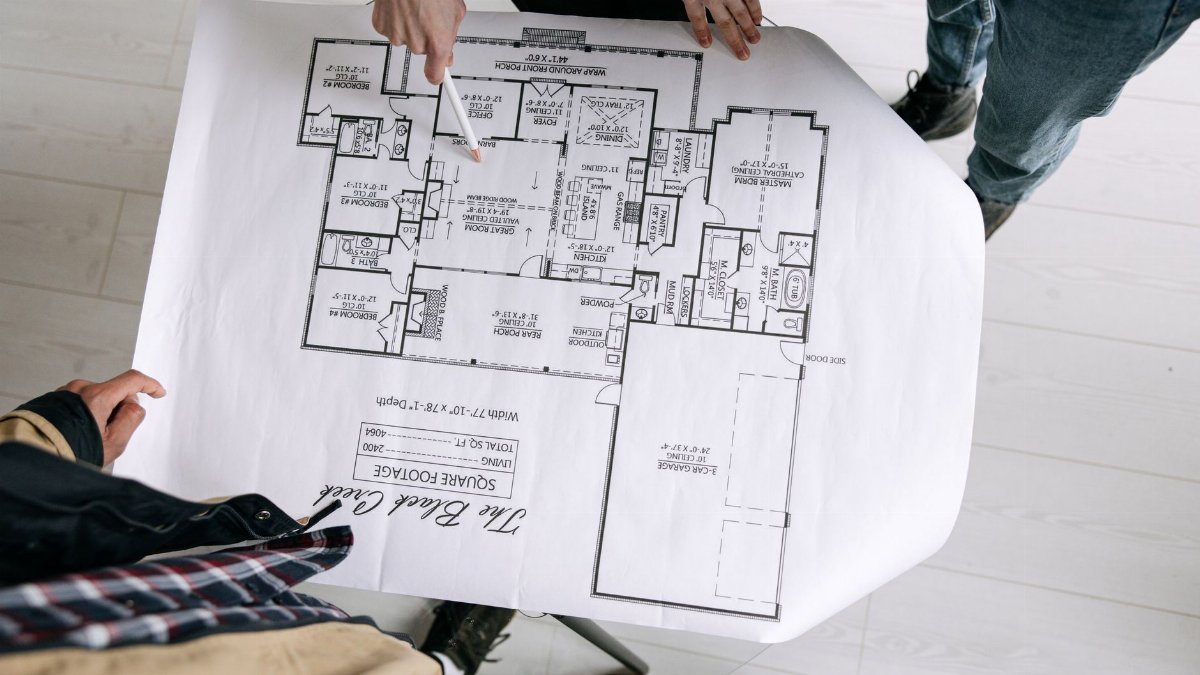
Safety documents can look bloodless. They list harness points, crane procedures, weather limits, and the chain of command when something goes wrong. On a site this tall, those lines are the difference between a controlled day and a catastrophe. Concrete pours, steel lifts, and facade installation each carry different hazards. A plan that worked on paper in the spring may fail once the building climbs into stronger wind and more complex lifts.
A serious revision usually does several things at once. It reorders tasks so that the riskiest work is not stacked on top of other risk. It adds inspections at moments when fatigue and schedule pressure tend to win. It clarifies who can halt a lift without fearing retaliation. None of that guarantees safety. It does change the odds, which is the only honest claim a regulator or a builder should make.
The tower and the bet Miami is making
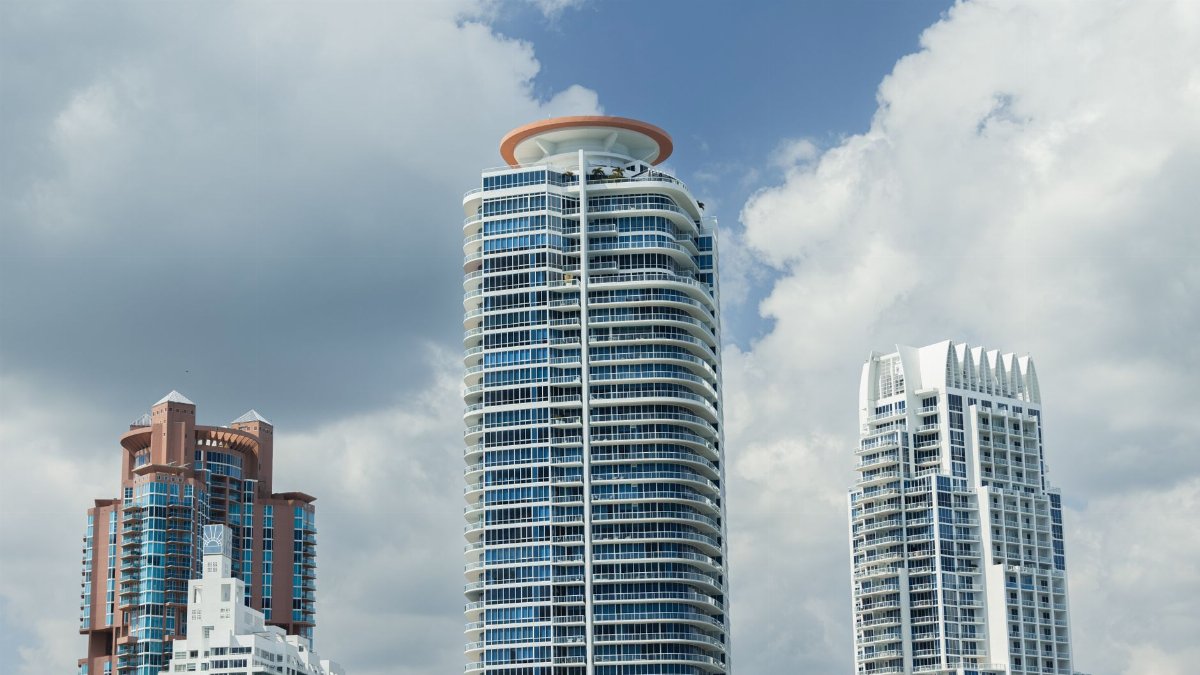
The building itself is part of a larger wager. Citadel and its founder, Kenneth C. Griffin, have treated Miami as more than a satellite office. The Brickell tower is meant to house a financial operation that once seemed permanently rooted in Chicago and New York. For city leaders who courted that move, the project is proof that capital follows climate, taxes, and a certain idea of urban glamour.
Glamour does not pour concrete. The people who do that work are often immigrants, often paid by the hour, often invisible in the renderings that sell a tower to future tenants. When an accident stops a marquee job, the first obligation is to those workers and to anyone who might have been struck below. The second obligation is to the public record. A restart that hides the cause of the stop is not a restart. It is a delay dressed up as progress.
Neighbors who live with the crane in their window
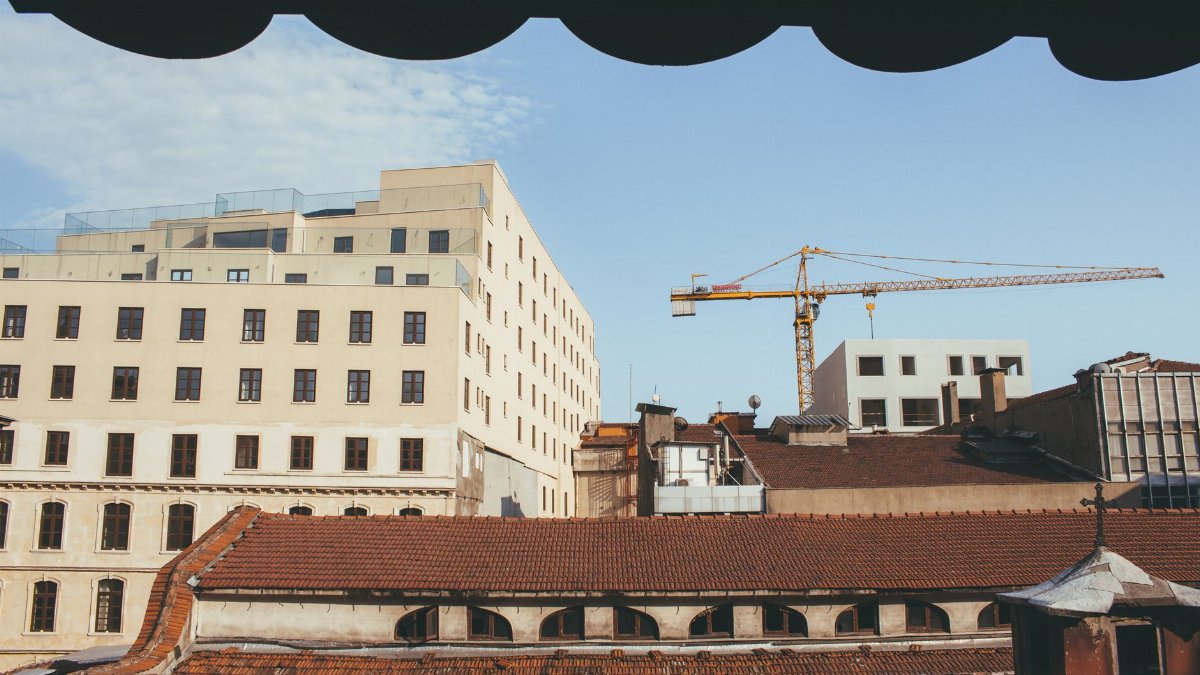
Brickell residents have learned to live with construction the way coastal towns live with storms. They plan around lane closures. They wipe dust from balconies. They learn which streets flood when a pump fails. A safety restart changes that relationship. People who had grown numb to noise suddenly want to know what failed, who was hurt, and whether the same contractor will be back on the sidewalk outside their lobby.
Those questions are reasonable. A tower under construction is a temporary industrial plant dropped into a residential grid. Debris, swinging loads, and delivery trucks are not abstract risks. They are events that happen a few dozen feet from bedroom windows. County approval of the Citadel Brickell tower safety restart should be read as a beginning of scrutiny, not the end of it. Approval says the plan met a standard. It does not say the neighborhood should stop paying attention.
What workers are entitled to hear

The people with the most at stake are the ones least likely to be quoted in a business story. Ironworkers, laborers, electricians, and crane operators return to a site carrying the memory of whatever went wrong in September. A credible restart tells them, in plain language, what changed. It does not bury the answer in a binder that only a safety manager will open.
Good practice, echoed in guidance from the federal Occupational Safety and Health Administration at https://www.osha.gov/construction, treats training and the right to stop unsafe work as operational facts, not slogans. On a 52 story job, that right has to be real at 6 a.m., when a schedule is slipping and a supervisor wants the next lift to go up. If workers believe that speaking up will cost them the shift, the revised plan is theater.
Schedule pressure and the temptation to hurry

Every major tower runs on a clock that money can hear. Interest, tenant commitments, and political expectations all push in the same direction. After a stoppage, that pressure intensifies. Lost weeks do not politely reappear. The danger is that a safety restart becomes a sprint wearing a hard hat.
Citadel has the resources to resist that temptation. A firm of its size can absorb delay in a way a smaller builder cannot. Whether it will is a management choice, not a market law. The public signal so far is that the company accepted a revised plan rather than fighting to reopen on the old terms. That is the minimum. The test will be whether production targets are rewritten to match the new controls, or whether the controls are quietly bent to match the old targets.
How oversight should look after the green light

Approval is a moment. Oversight is a habit. Miami Dade inspectors, the project safety lead, and the general contractor now share a record that will be judged if something else goes wrong. Residents should expect visible signs of that habit. More frequent checks during high risk operations. Clear exclusion zones on the sidewalk. Weather calls that stop work even when the sky looks merely unpleasant rather than extreme.
Journalists and neighborhood groups have a role that is easy to understate. They do not design the lifts. They do ask whether the promises in the plan show up on the street. The Citadel Brickell tower safety restart will be credible if those questions keep getting specific answers. It will fade into public skepticism if the only update is that the crane is moving again.
A boom that keeps testing the same limits
Miami is in a building cycle that has redrawn the waterfront from downtown to Edgewater and beyond. Each cycle produces a familiar debate. Boosters point to jobs and tax base. Critics point to congestion, displacement, and the body count that construction sometimes exacts and then treats as the cost of growth. Both descriptions can be true. A single tower does not settle the argument. It does show how a city chooses when the argument becomes concrete.
Other developers will watch how this restart is handled. If a prominent project can pause, revise, and return under real scrutiny, the standard rises for everyone bidding the next site. If the episode is remembered only as a brief inconvenience on the way to a ribbon cutting, the lesson runs the other way. Ambition will keep outrunning caution, and the next stoppage will feel inevitable rather than preventable.
What the restart does not erase

A return to work does not restore the weeks that were lost, and it does not undo harm to anyone injured in September. Those facts should stay in the foreground even as steel starts to climb. Institutions like to narrate recovery. People who were hurt, and families who waited for news, do not experience a county sign off as closure.
The honest frame is narrower. Officials reviewed a new safety plan. They allowed construction to continue. The tower will either justify that permission through uneventful, tightly managed days, or it will force the city to ask harder questions than it asked this time. There is no third outcome hiding in the renderings.
Watching the next hundred feet
The coming months will be more revealing than the announcement. Watch whether lane closures shrink or sprawl. Watch whether the site posts clear contacts for complaints. Watch whether additional incidents, even small ones, are disclosed rather than absorbed into the noise of a boomtown. A mature project treats near misses as data. An insecure one treats them as public relations problems.
Citadel came to Miami promising a different kind of corporate neighbor, one with the scale to shape a district and the patience to build for decades. Patience is not a press release. It is the decision to let a safety rule slow a pour. The Citadel Brickell tower safety restart is the first public test of that decision after a failure. The tower will keep rising either way. The standard it sets will rise only if the people paying for speed are willing to be seen choosing caution when no one is applauding.
For now, the cranes are moving under a plan the county has accepted. That is news, and it is also an unfinished sentence. Brickell will finish it in the ordinary way cities do, one inspected morning at a time, with the memory of September still attached to the job.