

On October 16, kitchens from Seattle to Nairobi become part of a larger argument about what people eat and what the world can afford to waste. World Food Day food choices hunger sits at the center of that argument, not as a slogan for experts alone but as a prompt for shoppers, cooks, and diners who decide, several times a day, what counts as enough. The Food and Agriculture Organization marks the date each year to draw attention to people who still lack reliable meals, and this season the conversation returns to a stark count: about 645 million people facing hunger. The day is less a lecture than a mirror. What lands on a plate, what is thrown out, and what never reaches a market stall all shape the same global ledger.
A calendar date that reaches past the holiday table

World Food Day falls on the anniversary of the founding of the Food and Agriculture Organization, a United Nations agency charged with food and agriculture. For most readers it is not a public holiday. Stores stay open. School cafeterias still serve lunch. The point is not ceremony. It is a pause long enough to notice that hunger is not a distant weather system. It is a pattern of missed meals, thin harvests, and prices that outrun wages.
In a city like Seattle, abundance can hide that pattern. Grocery aisles stay lit late. Delivery apps promise dinner in under an hour. The contrast with places where a failed rain or a blocked road empties a market is easy to treat as someone else’s problem. The October date exists to make that distance feel less comfortable, and less honest.
What 645 million people actually signals
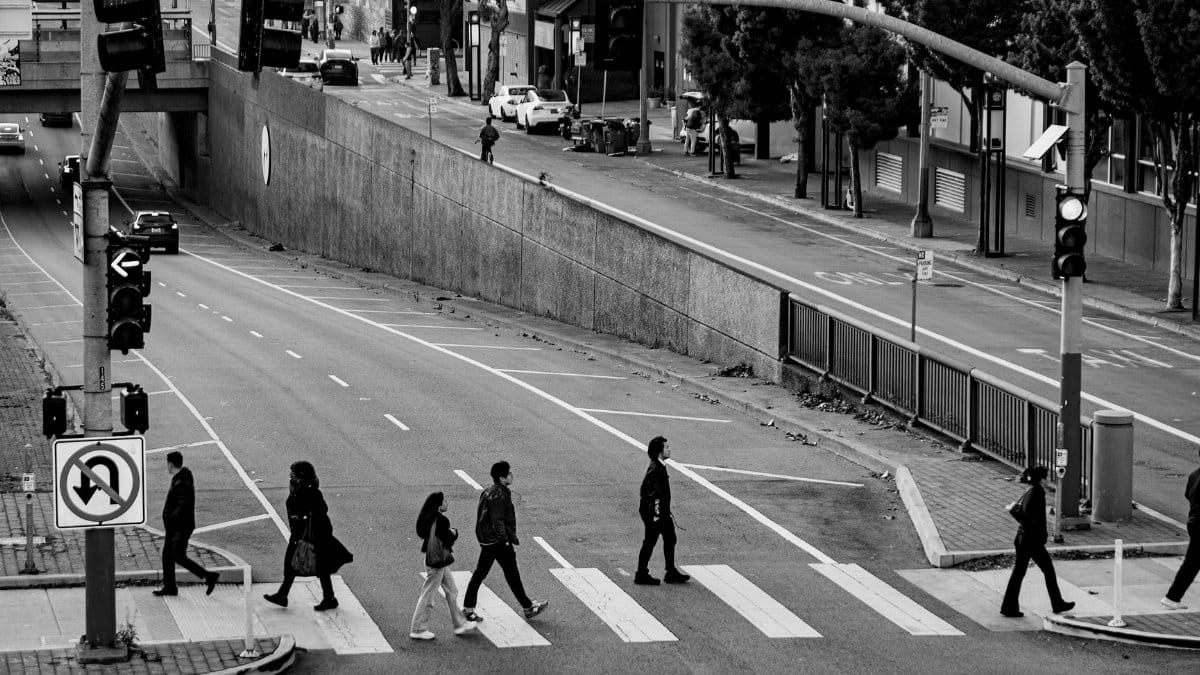
A single number can flatten lives into a statistic. Still, the figure of roughly 645 million people facing hunger is the kind of marker agencies use when they want the public to grasp scale. It does not mean every one of those people looks the same, or that hunger visits them in the same way each month. It means chronic lack of food remains a mass condition, not a fringe hardship.
Hunger here is not only an empty cupboard on a single night. It is the inability to obtain enough calories, and often enough nutrients, across a year. Conflict, climate shocks, and high food prices push families toward cheaper starch and away from foods that carry protein, iron, and vitamins. Children feel that shift first, in growth, attention, and school days lost to illness or fatigue.
Readers sometimes hear such numbers and assume the only response is charity. Charity matters in a crisis. It does not replace the slower work of farms, trade, wages, and diets. World Food Day food choices hunger is the awkward but useful reminder that personal plates and public systems meet in the same supply of grain, oil, fruit, and fish.
Waste that never needed a landfill
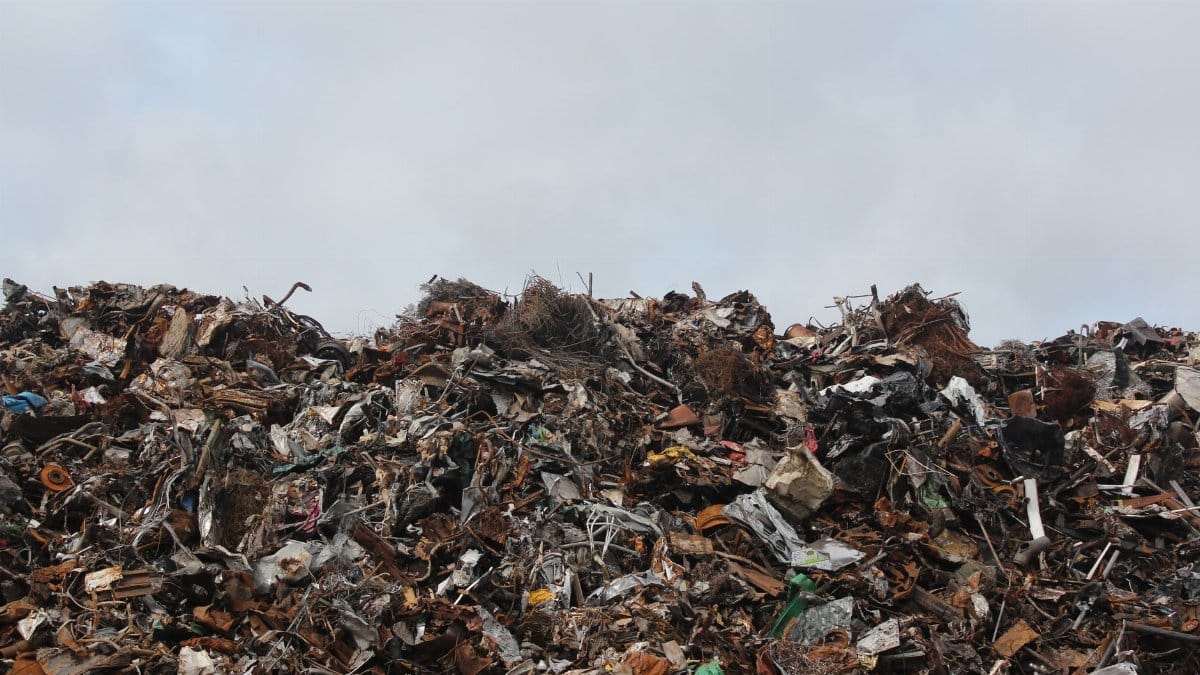
Agencies urging action on this day return, again and again, to waste. Food is lost on farms when storage fails. It spoils in transit when cold chains break. It is discarded in restaurants when portions overshoot appetite. It molds in home refrigerators when plans change and leftovers are forgotten.
The moral sting is obvious: edible food thrown away while hundreds of millions go hungry. The practical point is quieter. Waste is also wasted water, fuel, labor, and land. Cutting it does not, by itself, fill a bowl in another country. Supply routes are not magic tunnels. But waste reduction frees resources, lowers pressure on prices in some markets, and treats food as something earned rather than disposable.
Households can start without a manifesto. Buy what the week can actually use. Learn the difference between a date that signals peak quality and a date that signals danger. Freeze bread, herbs, and cooked beans. Ask restaurants for portions that match hunger rather than spectacle. None of this is glamorous. All of it treats the meal as finite.
Diets that do not rest on three crops
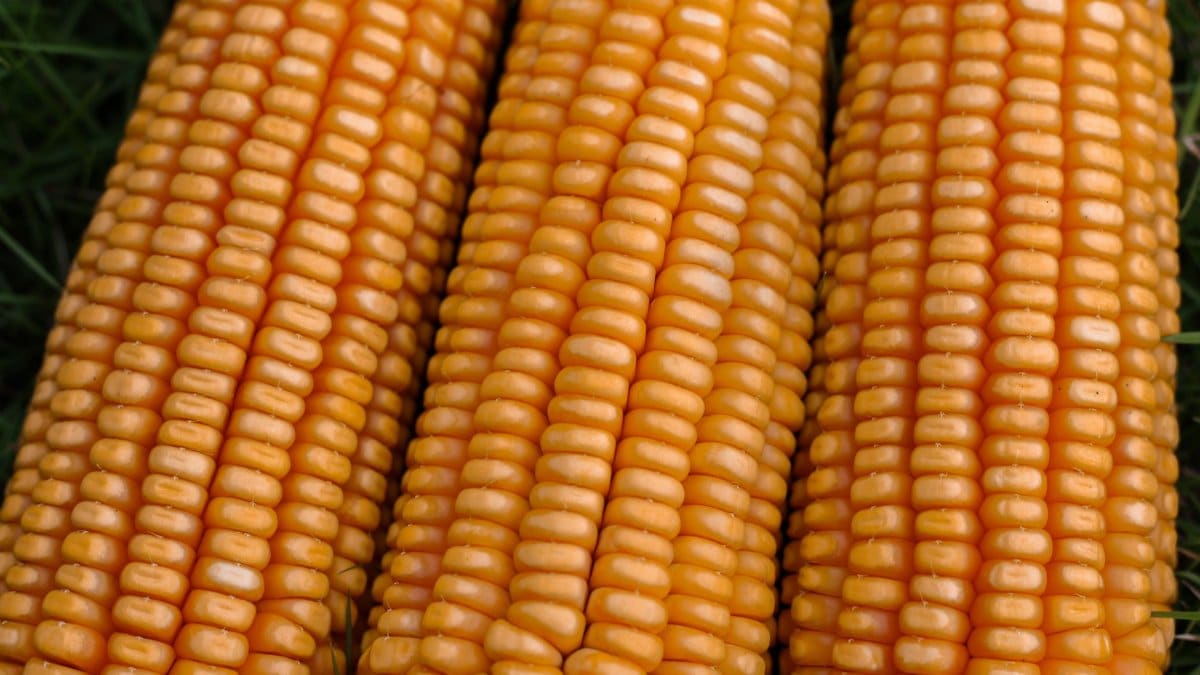
A second theme of the day is dietary diversity. Much of the global calorie supply still leans on a narrow set of staple crops. That concentration keeps people fed when those crops thrive. It also leaves diets brittle when a pest, a drought, or a price spike hits one commodity.
Diverse diets are not a lifestyle accessory for people with large grocery budgets. Pulses, eggs, leafy greens, fruit in season, small fish, and fermented foods have fed ordinary households for centuries. They carry nutrients that white rice or refined wheat alone cannot supply. Public health agencies, including the World Health Organization, have long linked poor diet quality to illness that outlasts a single hungry season.
Choosing variety, when a household can, is a form of resilience. It supports farmers who grow more than one thing. It teaches children that food is a range, not a single branded package. In places where choice is constrained by price, the same principle belongs in school meals, clinic guidance, and public procurement, not only in private kitchens.
The grocery aisle as a civic space

It is fashionable to sneer at the idea that a shopping cart is political. Sneering misses the point. A cart is not a ballot. It is still a stream of money toward certain farms, processors, and labor conditions. Over a year, those streams are large enough to matter to regional growers and to the companies that set what appears at eye level.
That does not mean every shopper must become an auditor of global trade. It means ordinary questions are fair. Where did this apple come from, and in what month? Is this the only form of protein the store treats as normal? Why is the cheapest calorie almost always the most processed one? World Food Day food choices hunger gives those questions a date, so they are less likely to dissolve into background noise.
Local food has real limits. A city cannot feed itself on farmers markets alone, and winter in the Pacific Northwest is not a tropical harvest. Imports are not a moral failure. They are how coffee, citrus, and off season greens reach a northern table. The better standard is clarity: know what is local, know what traveled, and refuse the fantasy that convenience erases origin.
Prices, wages, and the meal people can actually buy
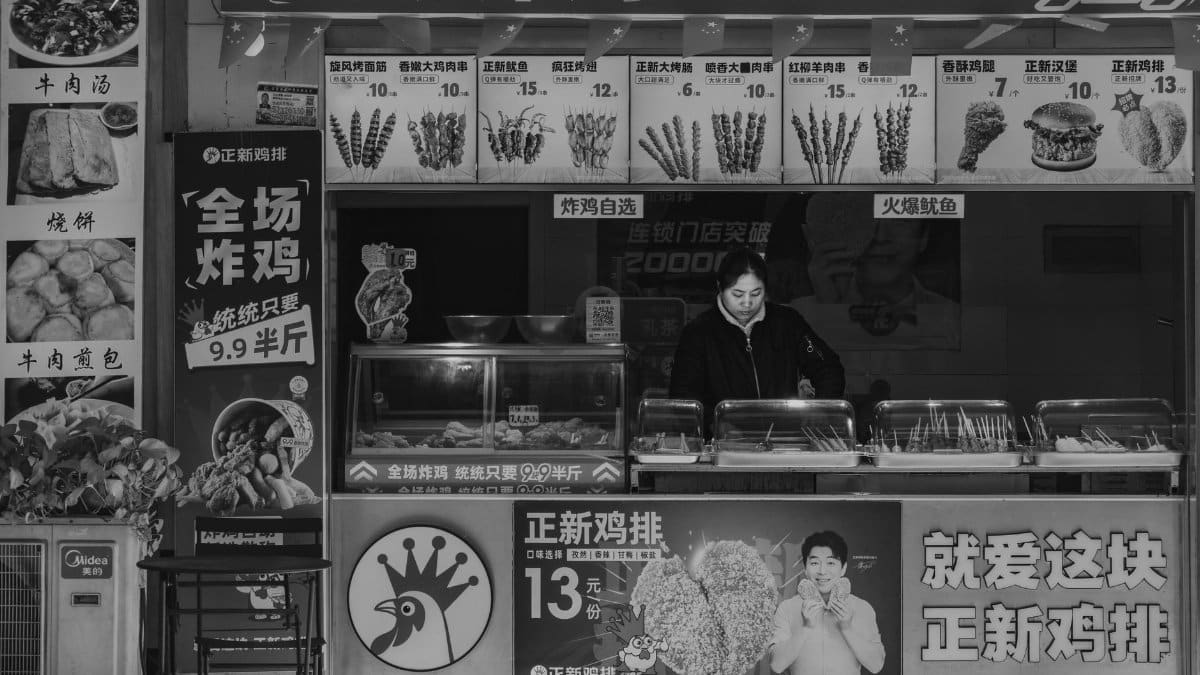
Food choice is a privilege when the budget is thin. A lecture about kale lands badly in a household stretching rice, oil, and eggs across too many days. Any serious talk about hunger has to sit with wages, rent, and the cost of fuel that carries food to town.
In the United States, food insecurity often hides behind a full pantry of cheap calories and a shortage of time. Parents working split shifts do not fail a moral test when dinner is fast and repetitive. They are solving for exhaustion. Policy that ignores that reality, from inadequate benefits to kitchens without equipment, will keep preaching diversity to people who need hours and dollars first.
Globally, the same logic scales up. When conflict or disaster destroys a harvest, emergency aid is the decent response. When the problem is chronic, the durable answers look like stable incomes, functioning markets, and safety nets that do not humiliate the people who use them. The United Nations system repeats that lesson every October because the alternative is a permanent emergency.
Climate stress on the fields that feed cities
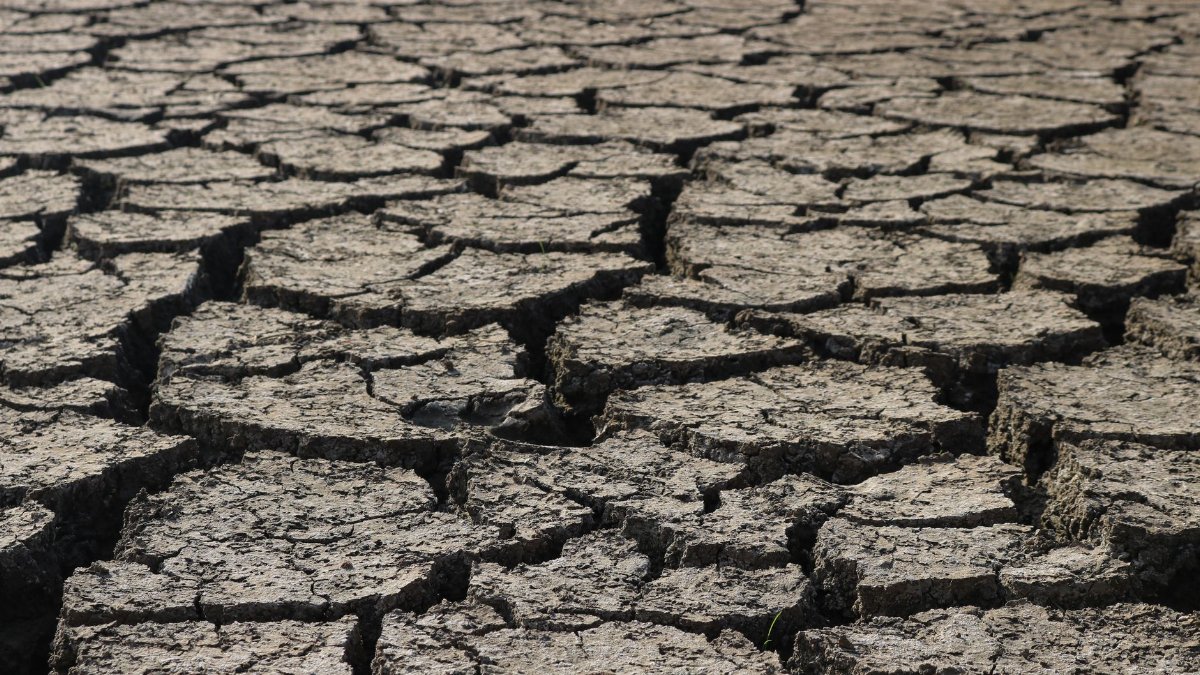
Heat, flood, and erratic rain are no longer footnotes in farm reports. They rearrange planting dates and shrink yields in regions that already live close to the edge. A reader in a mild coastal city may experience climate mainly as smoke season or a hotter August. A farmer dependent on a single rainy window experiences it as a missed crop.
Food choices connect to that stress without requiring anyone to pretend a salad fixes the atmosphere. Diets heavy in waste and in foods that demand intense inputs carry a larger footprint than meals built on what a region can grow with less loss. Reducing waste is one of the few climate actions that also saves money this week. Supporting crops and livestock suited to local conditions is another, and it belongs in agricultural policy as much as in personal taste.
None of this excuses governments that delay harder cuts to emissions. It does refuse the split in which climate is treated as abstract and dinner as private. The field and the plate are one system, viewed from different ends.
Children and the meal that anchors a day

School food programs remain one of the most direct tools societies have against hunger. A reliable lunch does not solve a poor harvest. It does tell a child that the day includes at least one dependable plate. Research and program experience, tracked for years by education and health agencies, tie regular meals to attendance and to the simple ability to concentrate.
Parents already know the household version of that truth. Breakfast skipped becomes a short temper by midmorning. A snack of only sugar becomes a crash before homework. World Food Day food choices hunger is not a scold about perfect menus. It is a case for regularity, for foods that last beyond the first bite, and for public meals that do not treat poverty as a reason to serve less care.
Communities can watch the details: whether a district still offers breakfast, whether summer programs cover the weeks when cafeterias close, whether stigma keeps eligible students from the line. Those details are local, and they are where a global observance becomes a phone call to a school board.
What changes without performance

The risk of a named day is performance. A photograph of a virtuous plate circulates, and the refrigerator returns to its old habits by Friday. A better measure is repetition. Cook one more meal from what is already bought. Share a surplus with a neighbor or a food bank that can use it safely. Learn a pulse, a whole grain, or a vegetable that has been sitting in the ignored part of the produce section. Ask one grower, at a market or through a store label, what this season actually produced.
Restaurants and institutions carry more weight than any single home. Menus that plan for leftovers, cafeterias that track waste, and companies that stop treating ugly produce as unsellable move tons, not ounces. Readers who manage those kitchens have a larger lever than readers who only manage a weeknight dinner. Both levers count.
There is no need to announce the effort. Hunger is not improved by an audience. It is improved by food that arrives, food that is eaten, and food that is not squandered on the way.
After the posts fade

October 16 will pass, and the feeds will move on. The 645 million figure will not move on with them unless harvests, prices, and politics change. That is the uncomfortable gift of the day. It refuses to let ordinary eating pretend it is separate from a world in which hunger is still ordinary for far too many.
World Food Day food choices hunger can sound like a pile of words. Read slowly, it is a sequence: a date, a decision, a condition that should not be normal. The sequence asks for less waste, wider diets, and a clearer eye on who can afford either. It asks journalists, shoppers, and officials to keep the count in view after the banners come down. The table is daily. So is the responsibility that sits beside the plate.