
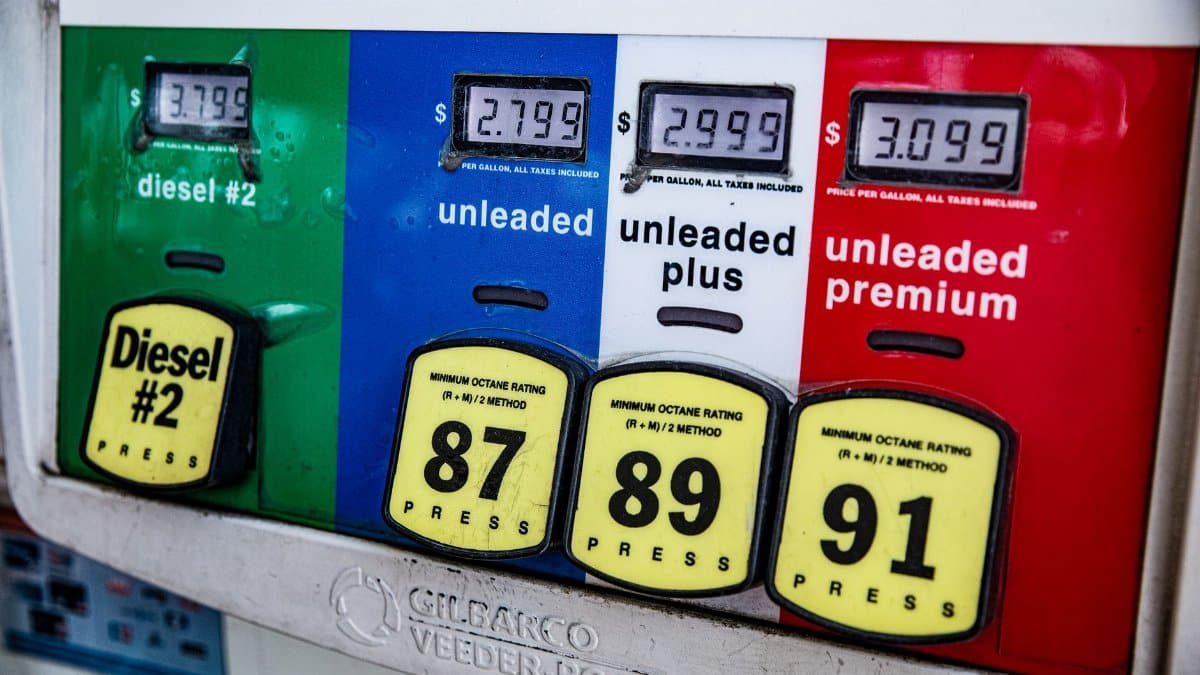
On a humid weekday afternoon in Coral Gables, a shopper watches the register total climb, then glances at the pump price before driving to an open house. That ordinary sequence now sits inside the decision to take on a mortgage. Miami inflation food gas homebuyers are bound by one household budget, and the connection is tighter than a listing photo suggests. Food and gasoline never appear on a closing statement, yet they decide how much cash remains after rent, debt, and savings. For people trying to buy in Miami Dade, the question is no longer only what a house costs. It is what everything else costs on the way there.
A grocery receipt that behaves like a housing signal
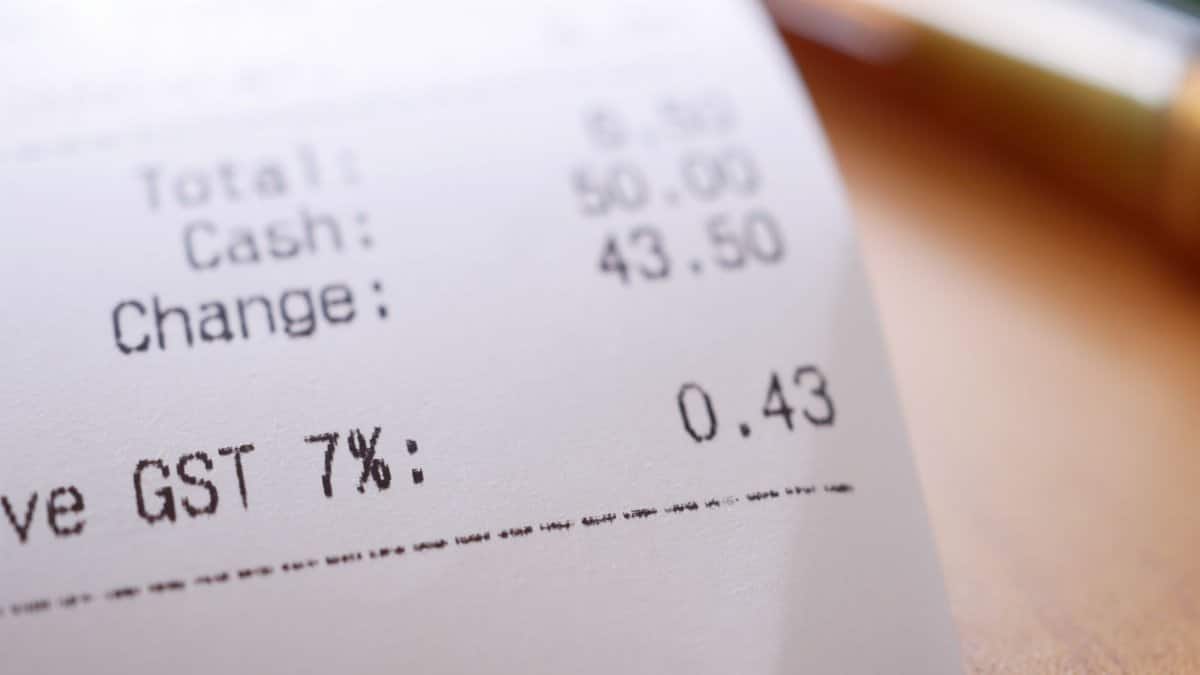
Housing analysts like to separate shelter from the rest of the consumer basket. Families do not have that luxury. When eggs, produce, meat, and pantry staples take a larger share of weekly pay, the surplus that might have gone toward a down payment shrinks. In a city where many households already spend heavily on rent, the grocery aisle is an early warning. A few extra dollars per trip look small until they repeat across a month, then a year. Lenders will not ask what you paid for coffee, but the bank account they review will show the pattern. People comparing Miami inflation food gas homebuyers often start with mortgage rates and forget the cart. The cart is where the squeeze is felt first, before any offer is written.
Gasoline and the geography of a commute

Miami is a driving city. Work, school, and family obligations stretch across neighborhoods that are not served by frequent transit. A higher pump price does not only raise the cost of a weekend trip. It changes the math of living farther from a job in exchange for a slightly lower purchase price. Buyers who once looked north or southwest to find more house for the money now have to price the drive. Insurance, tolls, and maintenance sit beside fuel. None of those lines is optional if the new address depends on a car. The AAA fuel price tracker is a simple public window on that pressure, and it moves faster than most housing reports. A cheap listing that requires a long daily drive can be an expensive house in disguise.
What underwriters actually measure

Mortgage approval is a portrait of residual income, not a vibe about the market. Underwriters look at gross pay, existing debts, and the proposed housing payment. They do not itemize lettuce. Still, food and fuel shape the debts and the savings that show up on statements. Credit card balances rise when monthly costs outrun pay. Savings fall when a household raids the down payment fund to cover a rough quarter. A buyer who looks qualified on salary alone can fail the cash test. That is why conversations about Miami inflation food gas homebuyers belong in the same room as rate quotes. The rate sets the payment. The rest of inflation decides whether the payment can be sustained after closing, when the celebration is over and the receipts keep coming.
Rates, inventory, and a narrow path

South Florida entered this period with scarce listings and strong demand from local workers, remote earners, and investors. Higher borrowing costs cooled some of that heat, but they did not restore a broad menu of affordable homes. When prices for daily necessities rise at the same time, the pool of qualified buyers narrows from both ends. Some owners delay selling because their next purchase looks unaffordable. Some renters delay buying because the cushion they need is gone. The result is a market that can feel stuck: fewer forced sales than a true downturn, fewer easy entries than a true recovery. Public series from the Bureau of Labor Statistics and the Federal Housing Finance Agency describe different slices of this picture. Neither series captures the kitchen table argument about whether this is the year to bid.
Renters standing at the doorway

Many would be owners in Miami are not choosing between two houses. They are choosing between another lease and a first purchase. Rent has its own inflation story, and it often moves before wages do. A renter who spends half of take home pay on housing has little room when food and gasoline also rise. The standard advice, save more and wait for a dip, assumes a surplus that may not exist. Waiting can still be wise if debt is high or the job is unstable. It can also mean watching entry level prices drift while the savings account stands still. The honest frame is conditional. A purchase makes sense when the payment, taxes, insurance, and a realistic grocery and fuel budget all fit without relying on overtime or a future raise that has not arrived.
Insurance, utilities, and the costs people forget

Food and gas are visible. Property insurance and electricity are the quiet partners in a Miami budget. Wind and flood coverage can rival a car payment. Summer cooling bills spike just as some families are trying to close. Those costs do not replace the inflation in the supermarket, and they do not cancel a rise at the pump. They stack. A buyer who models only principal and interest will be surprised in month three. Local agents increasingly walk clients through a full monthly picture, including reserves for repairs in a humid climate. That discipline is not pessimism. It is how a household avoids becoming house rich and cash poor, a condition that higher food and fuel prices make more likely, not less.
How families rearrange the month

Households adapt in small, unglamorous ways. They switch stores, drop delivery fees, combine errands, and postpone nonessential trips. Some take a second shift. Some move in with relatives to bank a larger down payment. These choices are rational, and they have limits. There is only so much efficiency left in a grocery list, and only so many hours in a workweek. When adaptation is exhausted, the housing search changes shape. People look at smaller homes, older buildings, or different zip codes. They ask parents for help with closing costs. They reconsider whether ownership, in this season, is the right form of stability. Miami inflation food gas homebuyers is not a slogan in those kitchens. It is a description of tradeoffs made before anyone calls a lender.
What the data can and cannot tell you

Citywide indexes smooth over differences that matter on a single block. A professional couple with remote income does not feel a gallon of gasoline the way a home health aide with a long route does. A retiree with a paid off condo worries more about insurance and food than about a new mortgage. Aggregate inflation can fall while particular prices stay high, and housing payments are locked in for years once a loan closes. That lag is the risk. A buyer who stretches because this month’s pump price eased may still face a grocery bill and an insurance renewal that do not ease with it. The Freddie Mac mortgage survey is useful for the rate environment. It is silent on whether your personal budget has slack. Read the averages, then audit your own statements for three months before you treat a preapproval as a plan.
A clearer test before you write an offer

A practical test is simpler than a forecast. List the proposed housing payment with taxes and insurance. Add a realistic food budget drawn from recent receipts, not from an optimistic week. Add fuel for the actual commute, plus a cushion for price spikes. Subtract debts you will still carry. What remains should cover savings, medical costs, and ordinary life without a credit card bridge. If the remainder is thin, the house is too expensive for this moment, even if the listing looks fair. Markets turn. Personal math does not have to turn with them on the same day.
The season ahead for Miami buyers
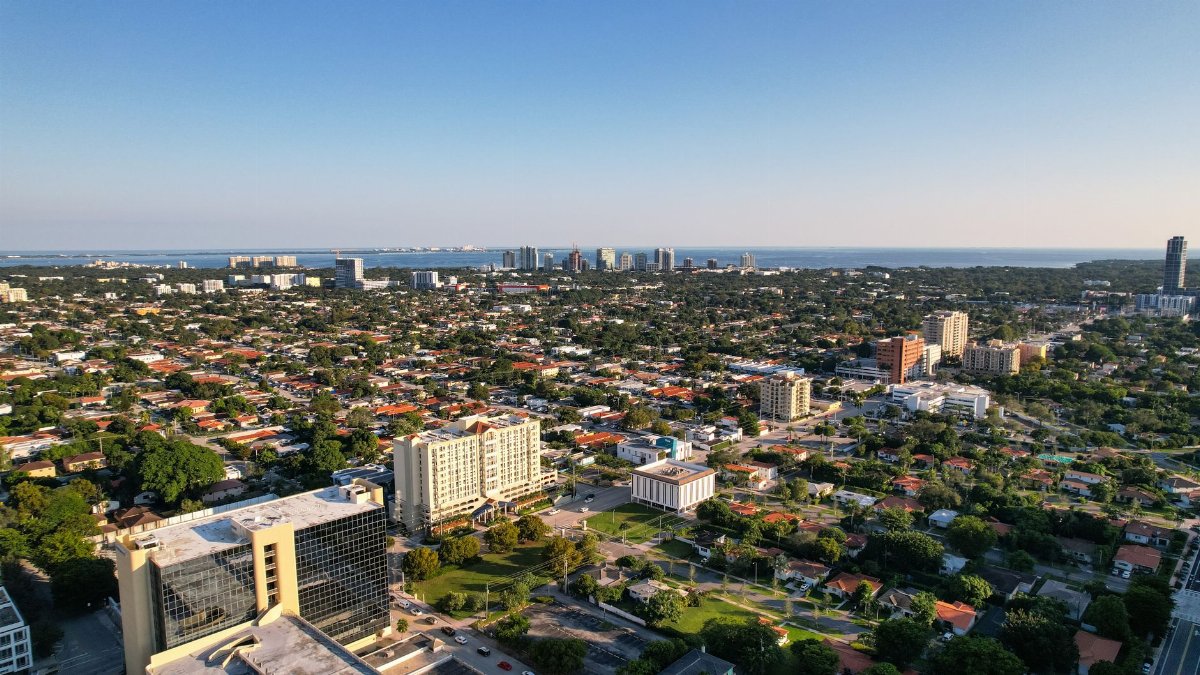
No one can promise that food or gasoline will retreat on a schedule that rescues a particular offer. What can be said is that affordability in this city is a bundle, not a single number on a yard sign. Miami inflation food gas homebuyers will keep colliding as long as daily prices and shelter costs pull on the same paycheck. Buyers who treat those forces as one problem, rather than as background noise, will make fewer brittle decisions. They will walk away from houses that only work if nothing else goes up. They will keep looking where the payment leaves room to eat, to drive to work, and to absorb a surprise. That is a quieter kind of confidence, and in this market it is the kind that lasts past closing day.