

On a weeknight in a Collin County subdivision, campaign mail sits beside a grocery list, each glossy card insisting that the next choice will define the state. Neighbors who used to trade notes about school calendars now trade sharper opinions about indictments, party loyalty, and a local question that will never lead a national broadcast. Texas Prop A Paxton HD 112 is campaign shorthand, yet it reads like a map of what many suburban households are actually weighing. The letters reaching newsrooms this season are not parlor talk. They are arguments about trust, about who may speak for a party, and about whether a House seat and a local proposition belong in the same breath as the attorney general.
What the letters are trying to settle

Reader mail has a particular honesty. It arrives without a pollster attached, often written after dinner, sometimes in a rush, sometimes after a long argument at the table. The pile now landing on opinion desks mixes a local ballot question with statewide names and a single House district. That mix is the story. Voters are not sorting issues into neat folders. They are asking whether the people who want their vote can be believed on taxes, on courts, and on the ordinary business of representation.
A letter is a small civic act. It does not pass a law. It does tell an editor, and anyone who reads the page, which worries have moved from private complaint into public language. In this season the worries cluster. Cost. Character. Competence. The order changes from writer to writer. The cluster does not.
A proposition that outgrows its ballot line
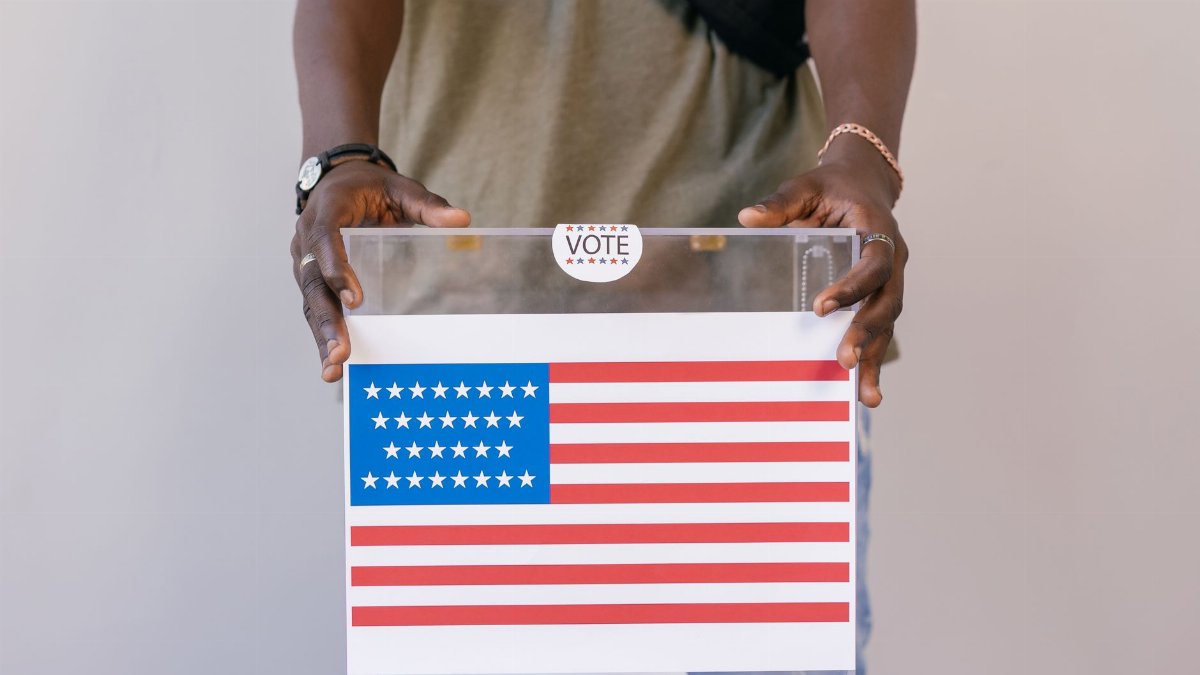
Proposition A, in the letters, is rarely treated as a technical footnote. Writers argue about what a yes or a no would ask of neighbors who will live with the result long after the yard signs come down. Some frame the measure as stewardship, a duty to fund what a community has already promised itself. Others frame it as restraint, a refusal to treat every public need as a reason to spend more. Both camps borrow moral language. Neither camp owns it.
That is why a local question can feel statewide. People writing from kitchens and church parking lots are not only pricing a project. They are testing whether government still feels close enough to answer for its choices. When a proposition is explained in slogans, the letters push back with specifics: schools, roads, debt, and the quiet fear that a ballot box is being used to settle a fight the city council would rather avoid.
Republicans arguing with Republicans

A striking share of the correspondence is not a duel between parties. It is an argument inside one party about what loyalty requires. Some writers want a harder line, a politics that treats dissent as betrayal. Others want a party that can win suburban precincts without demanding a purity test at every door. The letters do not resolve that tension. They document it, often with the bruised tone of people who have voted the same way for years and now feel unwelcome in their own coalition.
National coverage likes a simple map: red country, blue cities, and a purple ring in between. The mail is less tidy. A voter can want lower taxes, distrust a prominent officeholder, and still reject the other party on schools or policing. Campaigns hate that kind of voter because the voter cannot be summarized in a single sentence. Editors should love that voter, because the voter is where the real election lives.
Ken Paxton as a measure of trust

Ken Paxton appears in these letters less as a biography than as a test. Writers who defend him tend to argue that legal trouble has been used as a weapon, and that removing a elected official by scandal is a habit democracies should fear. Writers who oppose him tend to argue that an attorney general must be able to stand in court without becoming the case. Both sides claim the rule of law. They mean different things by it.
The impeachment fight, the acquittal in the Senate, and the long trail of allegations have not faded into background noise for people who write letters. They have become a shorthand for a larger question: does a party correct itself, or does it close ranks and call the correction disloyal? Readers who mention Paxton often pivot, in the next sentence, to a local race or a ballot measure. The pivot is the point. Statewide controversy is being used to judge candidates who will never hold the attorney general’s office.
Why House District 112 keeps coming up

House District 112 sits in the suburban belt where statewide moods meet driveway conversations. It is not a symbol invented by consultants. It is a place with school boards, commute times, and voters who split tickets when they feel talked down to. Letters about the district dwell on tone as much as policy. Writers notice who shows up, who explains a vote, and who treats the seat as a reward for party service rather than a job owed to the people who live there.
In a closely watched district, small choices carry weight. A candidate’s answer on a proposition can signal whether the candidate will be a messenger for Austin or a translator for the neighborhood. Readers writing about HD 112 often sound tired of both performances. They want someone who can disagree without contempt and agree without surrender. That demand is harder to satisfy than a slogan, which is why the letters keep arriving.
When moral language enters a political fight
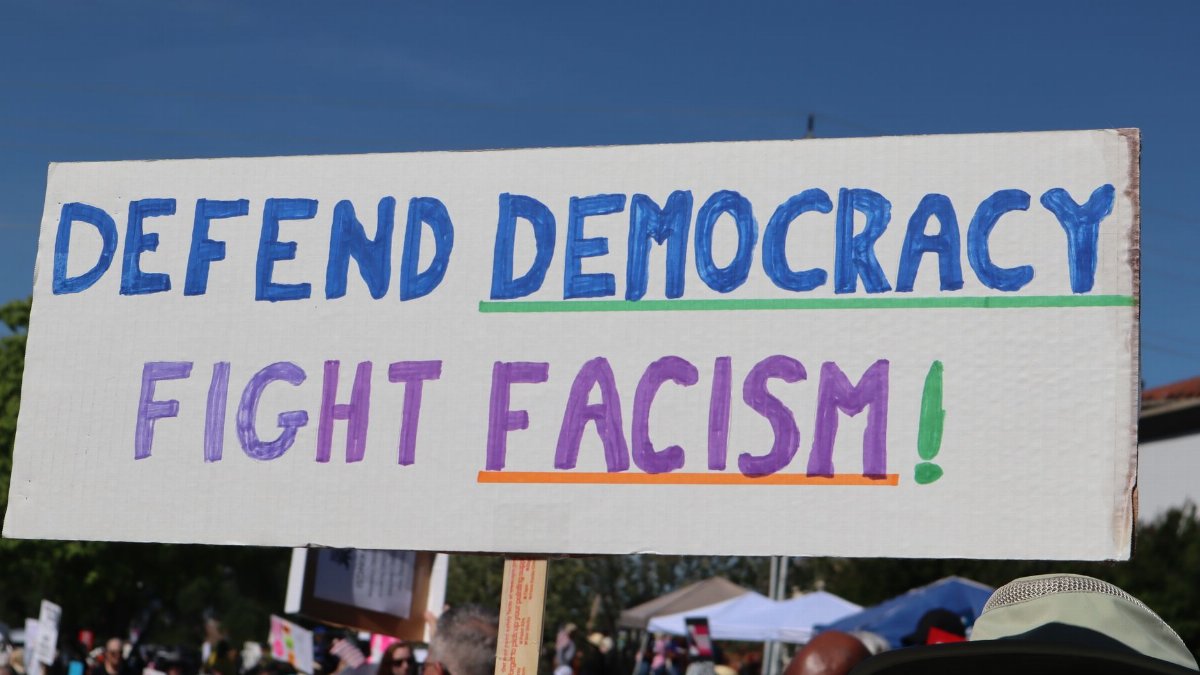
This correspondence sits, awkwardly and honestly, at the edge of spiritual life. Not because a proposition is a creed, and not because an attorney general is a pastor. Because people reach for words like integrity, neighbor, and conscience when the ordinary vocabulary of politics feels too thin. A writer may mention a congregation, a food pantry, or a habit of prayer, then turn immediately to debt service or a House vote. The turn is not decoration. It is how many middle aged Texans decide whether a public argument deserves their name.
Faith language can clarify or it can coerce. The better letters use it to raise the standard, not to end the debate. They ask whether a spending plan is fair to people who will not benefit equally. They ask whether a legal cloud around a powerful official should matter to voters who never meet him. They ask whether a House candidate will tell the truth when the party would prefer a softer version. Those questions belong in a newsroom as much as in a sanctuary.
The phrase that bundles three fights

Put together, Texas Prop A Paxton HD 112 is an awkward bundle, and the awkwardness is instructive. A local proposition, a statewide legal and political controversy, and a House district do not share a single statute or a single electorate in any clean sense. They share a November and a set of voters who refuse to pretend the fights are separate. When a letter writer names all three, the writer is saying that character travels. A party that excuses one kind of failure should not be surprised when voters doubt its promises on another.
Campaign professionals will try to unbundle the phrase. They will tell volunteers to stay on message, to keep the proposition local, to keep the attorney general off the script, to treat the House race as its own math problem. Some of that discipline is wise. Voters still do the bundling at the kitchen table. Mailers do not get the last word. Neighbors do.
What editors owe the people who write

Publishing letters is not a favor to the loudest faction. It is a record of argument in public, with names attached and claims exposed to reply. The duty is accuracy and proportion. A stack of angry notes about one official does not prove a district has flipped. A passionate defense of a proposition does not prove the price is fair. Editors earn trust by letting strong views through and by refusing to let a letter invent a fact.
Readers earn something too. A letter that names a person should be willing to be answered by that person, or by a neighbor who sees the same ballot differently. The healthiest pages this season will not be the ones that pick a side and call it courage. They will be the ones that hold Prop A, the Republican quarrel, Ken Paxton, and HD 112 in the same light long enough for a reader to notice the connections and the limits of those connections.
November as a neighborly exam

Elections flatter themselves as historic. Most of them are local, repetitive, and decisive only in the aggregate. That does not make them small. A proposition can change what a city can build. A House seat can change which bills get a hearing. An attorney general can change how the law is enforced, or how the law is performed. The letters understand the scale even when the writers disagree about the remedy.
If there is a spiritual trend hiding in this political mail, it is not a revival and it is not a collapse. It is a demand that public people live as if someone is watching who cannot be spun. Call that conscience, or call it reputation, or call it the simple fear of being known by the people on your own street. The demand shows up in blue ink and in late night email, and it does not belong to one party.
Texas Prop A Paxton HD 112 will not appear as a single line on any official ballot. It appears in the way voters talk when they refuse to separate money, law, and representation. The letters are already doing that work. November will show whether candidates were listening, or only counting.