
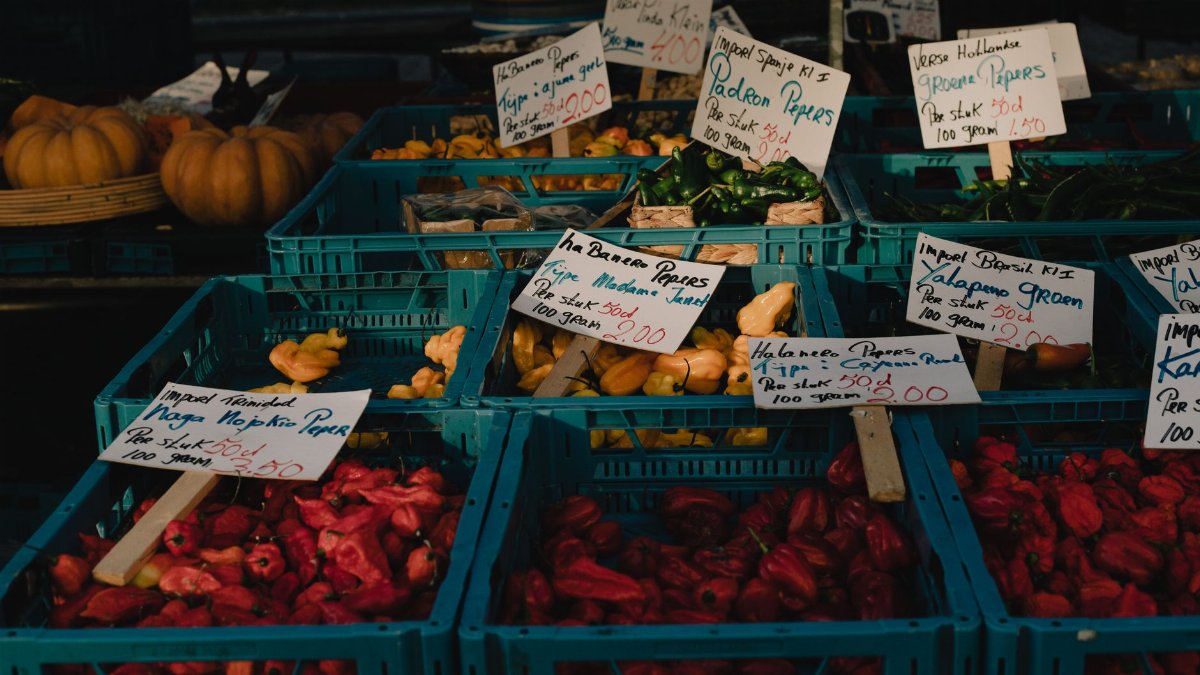
On a wet Tuesday afternoon in Ballard, a digital tag above the milk case changed before a shopper finished crossing the aisle. She had opened the store application on the bus, the way millions of people do without a second thought. Maybe the tag was on a timer. Maybe the number had something to do with her. That uncertainty is what city leaders have tried to close. Seattle grocery fair pricing is no longer only a phrase from a hearing room. It is a municipal standard that tells large grocers they may not use personal data to charge one person a different price from the neighbor standing beside them.
A signature that reaches the aisle

The mayor has signed the measure, placing Seattle at the front of a national argument about what a posted price is supposed to mean. For most of the last century, a grocery price was a public fact. It sat on a card, a sticker, or a chalkboard, and the person behind you paid the same amount for the same can. Digital shelves and phone applications have made that shared fact optional. A chain can know a great deal about a household before the cart reaches the register: what was bought last month, which coupons were opened, how long someone lingered near the prepared foods, even whether a loyalty account suggests a tight budget or a loose one.
The new law draws a line at using that knowledge to set an individual price. City officials describe it as a fair pricing rule joined to a surveillance ban. Large grocers may still run sales. They may still offer a coupon that any shopper can choose to use. What they may not do is quietly assemble a private price for a private person and present it as if it were the ordinary cost of milk.
What a personal price looks like

Personalized pricing is not the same thing as a weekly special printed in a circular. A special is visible. A personal price can be hidden inside an application, a targeted offer, or a digital tag that shifts when a particular phone comes near. One shopper might see eggs at a modest discount because the system has labeled her price sensitive. Another might see a higher figure because past purchases suggest she rarely compares stores. Neither person is told that the number in front of them was built from a file.
That is the practice Seattle grocery fair pricing is written to stop among large operators. The harm is not only the extra dollar. It is the loss of a common reference point. If two people cannot trust that they are looking at the same offer, comparison shopping becomes a guessing game, and the old habit of asking a clerk what something costs starts to feel naive.
The surveillance ban beside the price rule
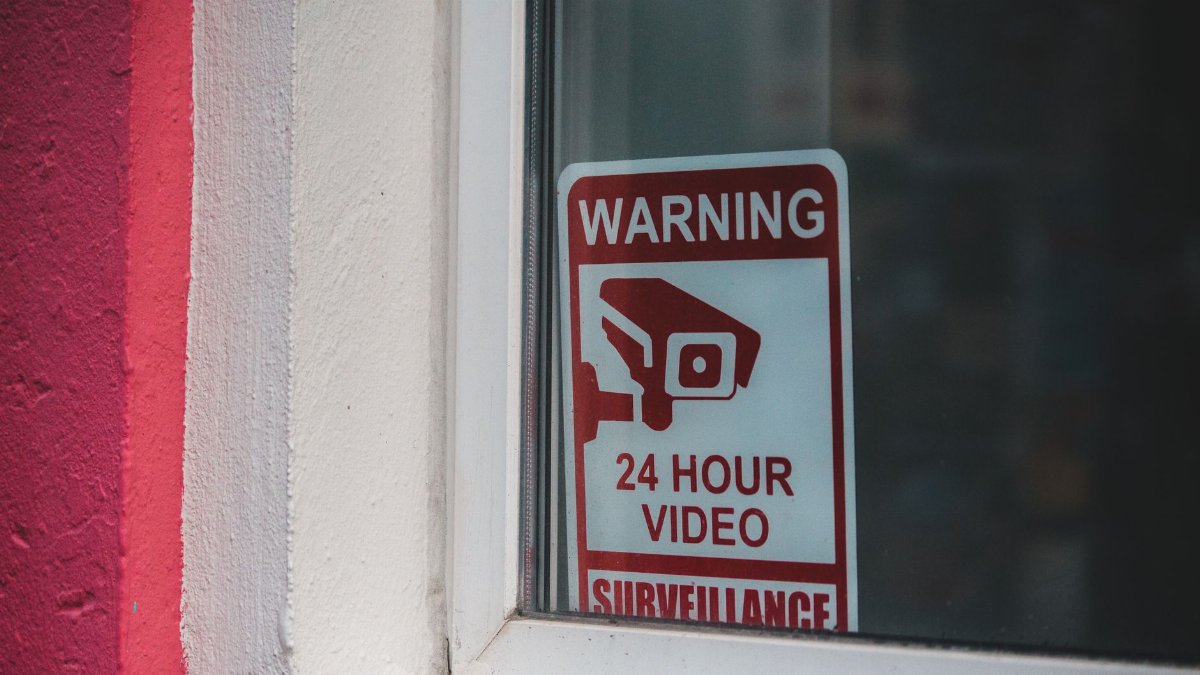
Pricing was only half of the fight. The ordinance also limits how large grocers watch people in order to shape what they pay. Cameras, Wi Fi signals, Bluetooth beacons, and application tracking can be stitched into a portrait of a shopper who never agreed to be studied in that way. A store might say the tools are for staffing, theft prevention, or inventory. Advocates argued that the same tools can follow a person from the parking lot to the cereal aisle and then inform a price.
The surveillance ban is meant to cut that path. It does not pretend that a modern store can operate without cameras or without a payment network. It tells chains that watching customers in order to individualize the cost of food is out of bounds. In a city where many residents already assume their phones are reporting on them, the rule tries to restore a plain expectation: buying groceries should not require surrendering a behavioral dossier.
Why a grocery store became the test
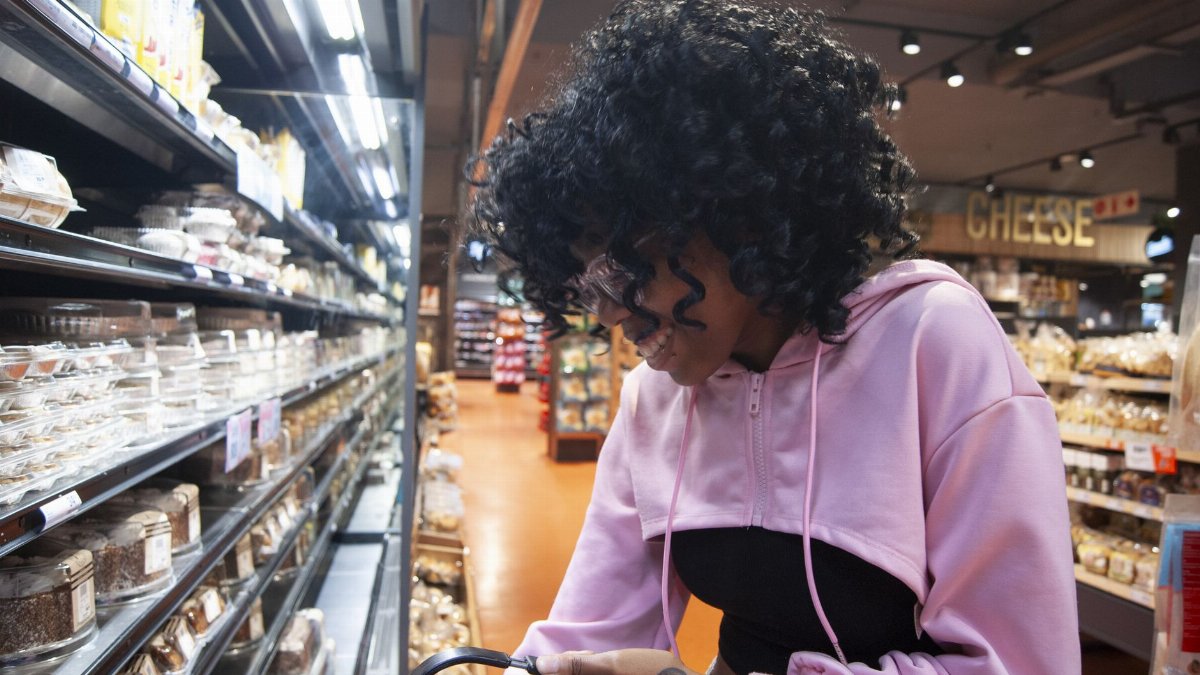
Food is not a luxury good that people can skip when the terms feel wrong. It is a weekly necessity, often bought under time pressure, with children in the cart or a shift starting in an hour. That is why the debate landed here rather than in electronics or travel. A manipulated fare on a vacation booking is irritating. A manipulated price on rice, formula, or produce can decide what a household eats.
Seattle has a long record of testing local rules on wages, scheduling, and renter protections, then watching courts and other cities respond. Grocery pricing fits that pattern. Council members heard from shoppers who felt nickeled by applications they had downloaded for a simple discount, and from workers who said digital tags changed faster than any person could explain. The result is a first of its kind city rule, narrow in its target and wide in its implication.
Large chains, not the corner market

The ordinance is aimed at large grocers, not at the family market with one location and a handwritten sign. That distinction matters. A small store rarely has the data systems, the consultants, or the incentive to compute a separate price for each loyalty account. A national chain does. It can run experiments across thousands of trips and never announce that an experiment happened.
Supporters say the size threshold keeps the rule from crushing independent grocers who already struggle with rent, theft, and thin margins. Critics in the industry reply that size is a clumsy proxy. A regional chain, they argue, may use the same software vendor as a national one. Enforcement will have to decide where a sophisticated pricing tool ends and an ordinary promotion begins. Those arguments will not vanish because a mayor has signed a bill. They will move into guidance documents, complaints, and possibly courtrooms.
The file already living in the loyalty app

Anyone who has traded an email address for a digital coupon has felt the bargain, even if they did not name it. The store gets a way to recognize you. You get a dollar off coffee or a point toward a free item. For years that trade seemed harmless, even friendly. The application remembered that you buy oat milk. It sent a reminder before a holiday. It felt like service.
The fair pricing fight asks whether service has slid into sorting. A loyalty file can estimate income, household size, brand loyalty, and willingness to travel to another store. None of those estimates has to be perfect to be profitable. If the system is right often enough, the chain keeps a little more money from the shoppers least likely to leave. Seattle grocery fair pricing treats that sorting, when it changes the price itself, as a civic problem rather than a clever feature.
What grocers say they will lose

Industry voices warn that a blunt ban will raise costs and dull the tools that help move food before it spoils. Dynamic pricing, they note, is already familiar in airlines and ride services, and grocers face waste that those businesses do not. A digital tag that drops the price of berries near closing can be a public good if everyone sees the same drop. The fear among chains is that regulators and shoppers will treat every changing tag as suspect.
They also argue that personalized discounts help lower income shoppers, and that banning them could leave only the higher shelf price. That claim deserves a hearing, and it also deserves skepticism. A discount that exists only because a company has scored your finances is not the same as a sale announced to the city. If the benefit depends on being watched, the benefit is not free. It is purchased with information the shopper may not understand they sold.
Advocates who wanted a brighter line
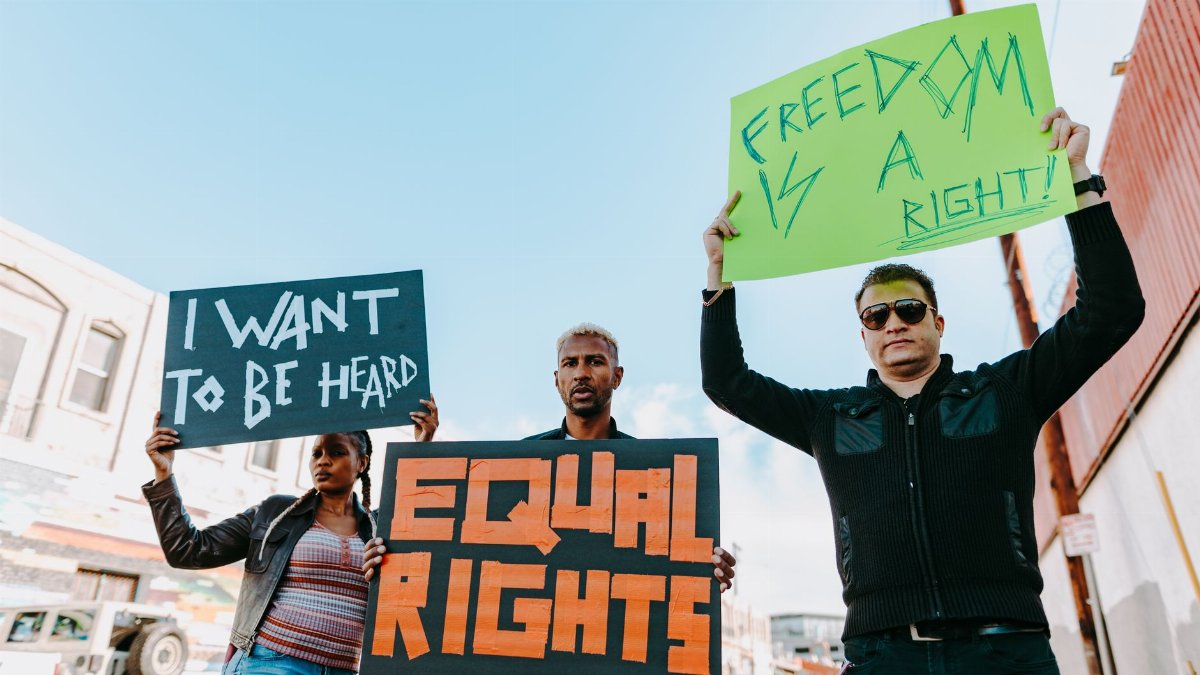
Privacy groups and some labor allies pushed for language tight enough that a chain could not honor the slogan and evade the substance. Their worry was a workaround: keep the shelf price uniform, then deliver a personal markdown through the application, and call the difference a promotion rather than a price. If that path stays open without limits, the law becomes a labeling exercise.
The signed version tries to focus on the use of personal data to set what an individual pays. That is clearer than a vague appeal to fairness, and it is also where lawyers will look for daylight. Does a targeted coupon count if the shopper must tap to accept it? Does a membership tier count if anyone can join? Does location data from the store network count as personal data when it is tied to a device rather than a name? I have listened to enough of these hearings to know that the definitions will matter more than the press conference. A bright line on paper can blur at the register.
Enforcement you cannot see from the sidewalk

A price tag is easy to photograph. A pricing algorithm is not. Shoppers will struggle to prove that their number differed from someone else’s because of a data file rather than a timing glitch or a storewide sale. The city will need a way to demand records, compare offers, and distinguish a legitimate promotion from a hidden individual price. Without that capacity, Seattle grocery fair pricing risks becoming a principle that large companies learn to route around.
Penalties, complaint paths, and audit authority will decide whether the rule has weight. So will the willingness of workers and customers to report patterns that feel wrong. A single strange total proves little. A pattern, repeated across stores and seasons, can show a system at work. The city is betting that sunlight, plus the threat of fines, will change software settings long before a judge has to parse them.
Other cities watching the experiment

Seattle is unlikely to remain alone in the conversation, even if it is early to write the rule into law. Statehouses and city halls elsewhere have been circling the same unease: that the price on the screen is no longer a shared fact. Federal regulators have examined surveillance pricing as a consumer problem, which gives local officials a vocabulary even when they lack a federal statute to copy line by line.
If the Seattle rule survives legal challenge and proves workable, imitators will borrow its structure. If it collapses under a lawsuit or produces muddled enforcement, other cities may wait. Grocers with national systems have a reason to fight the first domino hard. A patchwork of local pricing rules is expensive to code. A single strict city can still force a chain to change settings everywhere, because maintaining two versions of a pricing engine is its own cost.
The ordinary errand and the habit of trust

There is a quieter stake that does not fit neatly into a legal definition. Grocery shopping is one of the last regular civic acts that still happens in person, among strangers, with children and elders and workers on break. People talk in line. They recognize the cashier. They assume, without announcing it, that the store is not running a private auction on their attention. When that assumption frays, the errand becomes a little more cynical, and cynicism is tiring when it attaches to food.
Fairness here is not a mystical claim and not a demand that every item cost the same in every neighborhood. It is the simpler promise that the person next to you is not being charged by a hidden score. Seattle grocery fair pricing puts that promise into ordinance language. Whether it holds will depend on engineers, inspectors, and shoppers who notice when a number does not make sense.
What changes after the signing
In the near term, large grocers serving the city will review loyalty programs, digital tags, and the vendors who sell pricing software. Lawyers will mark the practices that look like individual prices and the practices that still look like ordinary sales. Some chains may simplify offers so that a discount is something any person can see and claim. Others may test the edges and wait for the first enforcement action to sketch the real boundary.
Shoppers will not wake up to a transformed store. Milk will still be expensive in a costly city. Digital tags will still change when a manager marks down fruit. The difference, if the law works, will be the absence of a private adjustment keyed to who you are. That is a modest change in the choreography of a shopping trip, and a large one in the idea of a public price. The mayor’s signature starts the clock. The aisle will show, over months rather than headlines, whether the city meant what it wrote.