
On a mild October week in San Francisco, two audiences discovered they wanted the same building. Basketball supporters were watching a new club climb into late autumn contention. Concertgoers had already circled a Sunday that suddenly belonged to someone else. In the middle of that collision, the Doja Cat Chase Center reschedule stopped reading like a routine ticketing update and started reading like a small map of how this city now shares its nights.
When a pop date met a Finals window
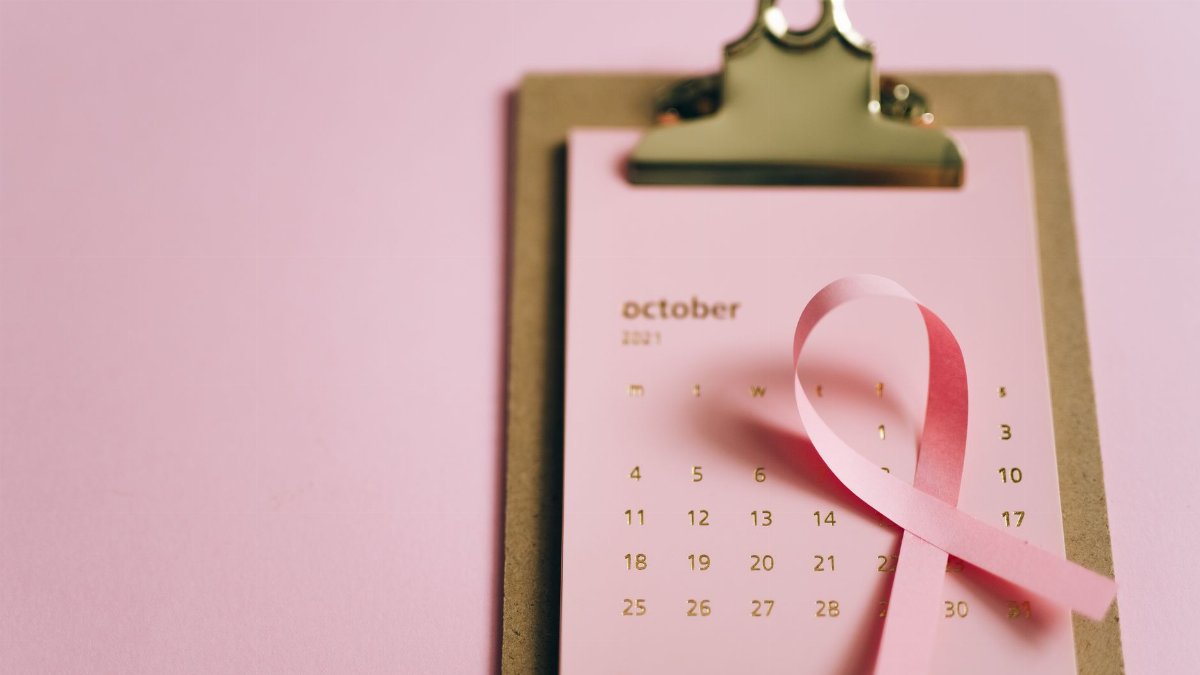
The San Francisco Chronicle reported that Doja Cat’s show at Chase Center, first set for October 19, would move to October 25. The reason was plain. The Golden State Valkyries had reached the WNBA Finals, and the arena needed those dates clear for games. A pop tour and a championship series do not occupy the same square footage at the same hour. Someone had to yield the calendar.
For people who do not follow either circuit closely, the notice can look minor. A performer still comes. A team still plays. The building still fills. Yet the week between those two dates holds work shifts, school nights, flights, babysitters, and the fragile hope that a long planned evening will actually happen. Moving a show by six days is easy to type into a database. Living with the move is another matter.
Chase Center as a shared civic room
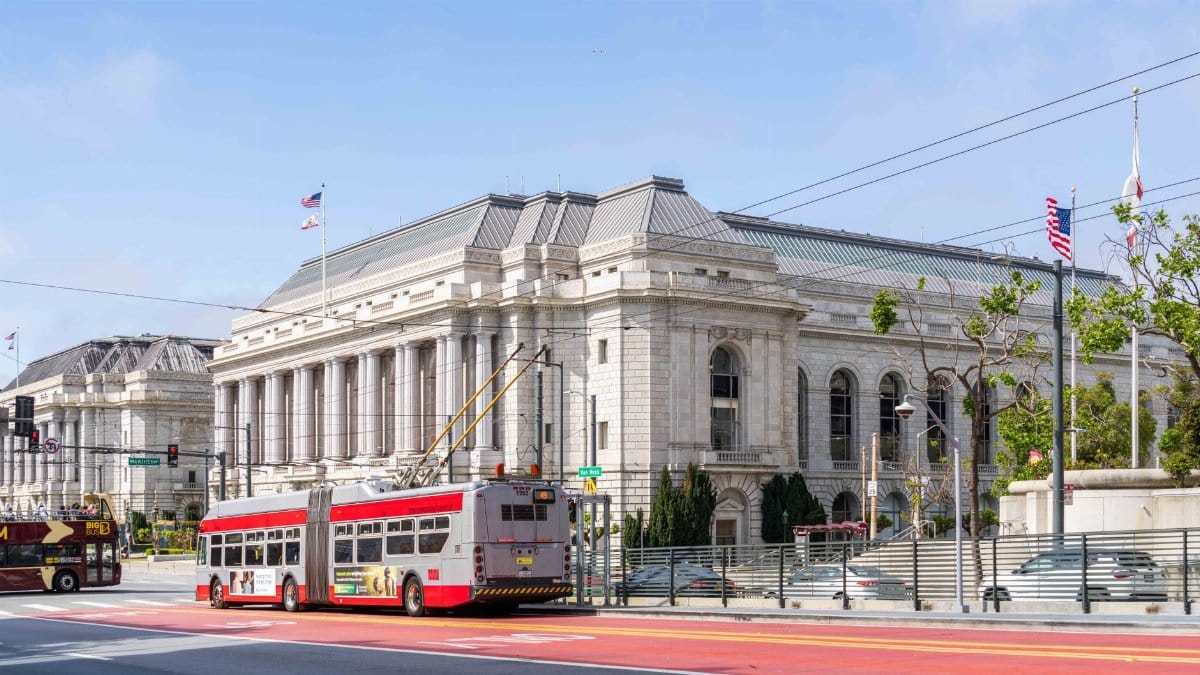
Chase Center sits on the waterfront as more than a venue brand. It is where the region gathers when it wants spectacle at scale. Concerts, basketball, and the occasional civic ceremony all pass through the same doors, the same concourses, the same narrow streets that clog when thirty thousand people arrive at once. The building was designed for that kind of rotation. It was not designed to make every rotation feel fair to the person holding a ticket from months earlier.
That fairness question sits underneath the Doja Cat Chase Center reschedule. Arenas sell certainty. You buy a seat, a date, a start time. Sports sell uncertainty, and that uncertainty is the product. A Finals berth is not known when a summer tour is routed. When the two products collide, the arena’s job is to protect the event that cannot be moved without breaking a league schedule, then to repair the event that can.
What fans were asked to absorb
Concert audiences have grown used to a certain kind of disruption. Weather delays, illness, and production problems have trained people to check their inboxes before they check their outfits. A sports displacement is different in tone. No one is sick. The stage did not fail. Another city’s joy, or this city’s joy in a different uniform, simply outranked the original plan.
Some buyers will shrug and keep the new Sunday. Others will find that October 25 collides with travel, a child’s game, or a shift that cannot be traded. Refund paths exist in modern ticketing, but a refund is not the night itself. It does not replace the friend who was flying in, or the rare alignment of a favorite performer and a free evening. The loss is ordinary and still real.
A new team and an old hunger
The Valkyries are new to the WNBA map, which is part of why their rise has felt electric in the Bay Area. Women’s professional basketball has spent years building audiences that arenas once treated as a side booking. A Finals appearance says the side booking era is over, at least in this building. Prime dates are no longer automatically reserved for visiting pop stars and long established men’s schedules.
That shift will keep producing awkward weeks. Tours are plotted far ahead. Playoff brackets are not. If more women’s teams fill large rooms in October, more concerts will slide. The cultural gain is obvious. Girls and women see a Finals game treated as the main event, not a courtesy. The cultural cost is paid by whoever already printed the other date on a calendar. Both facts can be true without either audience being cast as the villain.
The quiet labor behind a moved night
Rescheduling looks clean from the outside. Inside, it is a chain of phone calls. Stage crews rebook trucks. Local unions adjust calls. Hotels release and rehold room blocks. Merchandise printers watch a ship date. Opening acts, if any remain on the bill, renegotiate their own gaps. Security staffing, transit planning, and neighborhood noise expectations all tilt by a week.
None of that labor appears in the short public note that a show has moved. It should. The smoothness of a modern arena depends on people whose names never reach a marquee. When fans complain, they are often complaining past those workers and toward an institution. When institutions answer with a form letter, they miss a chance to explain the constraint without sounding indifferent.
Why six days still changes the feeling

October 19 and October 25 are close on a wall calendar and far apart in a life. A Thursday or a Sunday, a midweek recovery or a weekend morning after, a paycheck cycle or a school holiday: small differences decide who can come. Pop shows also live on mood. A date tucked against a championship series carries a different charge than a date that had the city to itself.
There is a spiritual dimension here, if the word is used modestly. People do not only buy sound. They buy a rite. They dress, travel, stand, sing, and leave feeling briefly joined to strangers. Sport offers a parallel rite, with its own vestments and chants. When one rite displaces another, the disappointment is not only logistical. It is the sense that a promised gathering has been edited by a power the ticket buyer does not share.
How the phrase moved through the city
Search interest and group chats did the rest. The Doja Cat Chase Center reschedule became a shorthand, passed among people who might never attend either event. Some treated it as proof that basketball had finally claimed equal urgency. Others treated it as another example of fans being asked to stay flexible while institutions stay profitable. Both readings flatten a more ordinary truth. Buildings have finite nights. Success creates traffic.
Journalists reach for conflict because conflict is legible. The more interesting story is coordination. A league, a promoter, an artist’s team, and a venue found a later evening rather than canceling outright. That is not heroism. It is the minimum competent response. It still beats a dark arena and a scattered refund.
Artists in a sports town
Doja Cat’s career has been built on quick turns of style and a refusal to sit still inside one genre. A tour date that also refuses to sit still fits the public image more neatly than it fits the fan’s schedule. Performers of her stature can usually absorb a slide of a few days. The risk is cumulative. If every championship market starts bumping major shows, routing a national tour becomes a negotiation with leagues as much as with promoters.
San Francisco has lived this tension before, under different team names and different headliners. What feels new is the claimant. A Valkyries Finals run asks the city to extend the same deference it has long given to other flagship sports. Extending that deference is overdue. Explaining it clearly to concert buyers is part of earning it.
Tickets, trust, and the next announcement
Trust in live events is thinner than promoters like to admit. People remember the show that vanished, the fee that was not obvious, the entry line that did not move. A clean date change, with a real option to decline, repairs some of that trust. A muddy one spends it. The test is not the headline. The test is whether buyers can see the new date, the old seat, and the exit ramp without a scavenger hunt.
Readers who only meet this story through the Doja Cat Chase Center reschedule may never buy a ticket to either night. They still live in a culture where shared rooms are scarce. Libraries, theaters, churches, and arenas all ration time. The rationing becomes visible when two beloved uses overlap. Visibility is useful. It reminds a comfortable city that attention is a resource, not a background hum.
What October 25 can still be
If the later date holds, Chase Center will do what it was built to do. It will empty after basketball and fill again for music, or the reverse, depending on the series. The floor will change. The sound will change. The crowd will change clothes and vocabulary. That turnover is the ordinary miracle of a multipurpose hall, easy to mock and hard to replace.
None of this requires fans of one event to borrow the devotion of the other. A person can want the Valkyries to have a home court worthy of a Finals and still wish a concert had stayed put. A person can love the songs and barely follow the standings. Civic life is wide enough for both, provided the people who control the doors say plainly why a night moved and what the holder of a ticket may do next.
A small decision with a long echo
Years from now, few will recite the original date. They will remember whether the games felt historic and whether the concert still felt like theirs. The Doja Cat Chase Center reschedule will survive mainly as a marker: the week a new basketball club’s arrival on the biggest stage was allowed to rearrange a pop itinerary in the same building. That marker matters. It says whose gatherings this region is now willing to protect when the calendar runs out of room.
Protection is not the same as exclusion. Music will be back under those lights. Basketball will leave and return. The standard worth keeping is simpler than a slogan. When a city must choose, it should choose in public, move what can be moved, and leave both audiences with a night they can still recognize as their own.