
On an ordinary school morning in San Anselmo, the walk toward class carried a message no child should have to parse before the first bell. The episode now discussed as the San Anselmo Brookside graffiti case has pulled Marin County into a sharper conversation about hatred, youth, and what a town owes the students who pass its walls each day. Two suspects, ages 12 and 13, have been identified in connection with antisemitic markings reported on October 3 at Brookside Elementary and treated by authorities as a hate crime. For a place known more for creek paths and volunteer coaches than for police tape, the news landed with unusual weight. Parents did not only ask who held the marker. They asked where such language is learned, and whether a community can answer it without turning children into symbols.
What the campus revealed
Brookside Elementary sits in a town small enough that many residents can name the route a child takes from home to the front door. That intimacy is part of why graffiti there feels less like anonymous vandalism and more like a rupture in a shared routine. Officials have described the October 3 markings as antisemitic and have pursued the matter as a hate crime. The public record, as summarized in regional reporting, centers on youths from Marin rather than on outside agitators passing through. The precise wording has not been replayed here, and it should not be. Repeating slurs gives them a second life. What matters for readers is the category of harm: speech aimed at Jewish identity, placed where children gather, and serious enough for investigators to treat intent and bias as part of the case.
Two suspects and a careful public record
The identification of 12 and 13 year olds as suspects changes the moral weather of the story. Adults who spray hatred on a school wall invite a relatively straightforward condemnation. Children force a more complicated sentence. They can cause real fear and still be people whose judgment is unfinished. Investigators tying Marin youths to the San Anselmo Brookside graffiti have given the county names in an age bracket, not a finished portrait of motive. Families, counselors, and courts will sort what was copied, what was meant, and what was understood. Neighbors are left with a narrower certainty: someone young enough to be in middle school or just leaving elementary years is alleged to have marked a school with antisemitic content. That fact alone is enough to disturb a town that likes to believe its children are buffered from the worst national arguments.
A school day interrupted
Schools are built to be predictable. Bells, attendance, lunch lines, and the ordinary friction of recess create a kind of civic shelter. Hate markings break that shelter because they announce that a group of students, or the families who love them, are not fully safe in the place assigned to protect them. Jewish children do not need a lecture to understand the signal. Neither do their classmates, who learn quickly which words are treated as jokes and which words empty a hallway. Staff members face a practical burden as well as a moral one. They must secure a campus, inform families, and resume teaching without pretending the wall was never touched. The return to math and reading is itself a form of resistance, though it does not erase what was seen.
Why the category of hate crime matters

Calling an act a hate crime is not a rhetorical flourish. In California, bias motivations can shape charging decisions and the way prosecutors describe harm to a community, even when the people accused are juveniles and the public will see few details. The label tells Jewish residents that the state recognizes an attack on identity, not merely on paint and masonry. It also warns everyone else that slogans borrowed from extremist culture are not harmless mischief when they land on a school. None of that requires the public to know every procedural step. It does require honesty about impact. A swath of graffiti that targets Jews at an elementary campus is aimed, whether the writers fully grasp history or not, at a people whose memory includes exclusion, violence, and the misuse of children as audience.
Faith voices in a secular town
Marin is not a single congregation, and San Anselmo does not speak in one theological register. Still, houses of worship often become the rooms where fear is named without a press conference. Rabbis, pastors, and lay leaders have a vocabulary for neighbor love that civic statements sometimes lack. They can say, without spectacle, that antisemitism is a spiritual failure as well as a legal one: a refusal to see a neighbor as fully human. They can also resist the temptation to use a juvenile case as proof of national collapse. A serious religious response asks what formation failed. It asks which jokes were tolerated at dinner tables, which videos were left running, which silences taught a child that certain people are fair game. That inquiry belongs to every household, not only to Jewish ones.
What children absorb before they choose
Twelve and thirteen are ages of imitation. Humor, status, and the desire to shock travel faster than formal doctrine. A child can reproduce a symbol or a slur without possessing the history that gives it weight, and still inflict that weight on someone else. Adults who rush to say the youths did not understand miss the point that understanding is not required for harm. Adults who rush to treat the suspects as finished ideologues miss a different point: moral agency at that age is real and also unfinished. The San Anselmo Brookside graffiti allegations sit in that narrow space. The community can insist that antisemitism is never a phase to be shrugged off, and still insist that punishment without teaching is a poor answer to the young.
Parents and the privacy of other families
In a small town, curiosity hardens quickly into identification. People want to know which households, which friend groups, which phones. That hunger is understandable and dangerous. Juvenile matters are shielded for reasons that survive even when the offense wounds a whole campus. Public shaming can spill onto siblings who had no part in the markings and can make honest accountability harder, not easier. Parents of Jewish students have a different and legitimate demand: they want assurance that school leaders will not minimize what happened in the name of calm. Those two needs, privacy for the accused and clarity for the targeted, are not opposites if adults keep their focus on conduct, support, and prevention rather than on spectacle.
The classroom after the investigation
Curriculum is a clumsy word for what children need next, but the substance is plain. Students deserve age appropriate history of antisemitism that does not turn trauma into a worksheet and does not stop at slogans about kindness. They need adults who will interrupt a joke in real time. They need libraries and lessons that treat Jewish life as living culture, not only as a catalogue of suffering. Teachers cannot carry this alone, and they should not be asked to improvise a moral education between bells while also managing fear. District leaders can set time aside, invite credible educators, and tell families what will be taught. Silence after a hate incident teaches its own lesson: that the institution hopes memory will fade before the next school picture day.
Repair that does not chase cameras

Repair is slower than outrage. A cleaned wall is necessary and insufficient. Jewish families may want visible solidarity, a meeting with principals, a clear statement that the campus belongs to their children without condition. Other families may need guidance on how to talk at home without amplifying the original message. Faith communities can host listening that is not a rally. Civic groups can fund education rather than another round of statements that say hatred has no home here and then move on. The test is whether the San Anselmo Brookside graffiti case changes habits in May as well as in the week of the report. If the only legacy is a headline, the town will have mistaken attention for care.
Juvenile justice and the public mood
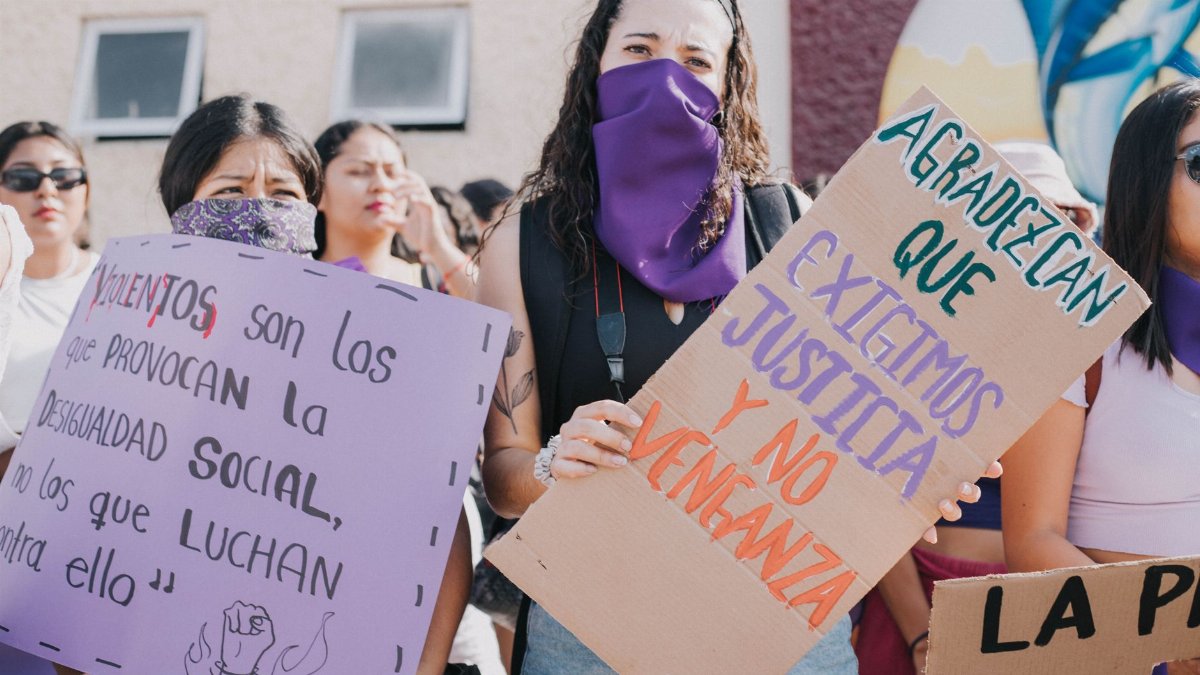
Americans argue, often past one another, about youth crime. One camp wants swift condemnation and a record that follows. Another wants context, services, and a path back. A hate crime at an elementary school scrambles easy alignment because the victims are children and the suspects are children too. The legal system will decide charging, supervision, and what the public is allowed to know. Residents can still hold a civic standard outside the courtroom. They can reject antisemitism without demanding that minors be displayed as warnings. They can support victims without inventing details the investigation has not released. Proportion is not the same as indifference. It is the discipline of matching a response to both the harm and the age of the people accused.
A town measuring its own story
San Anselmo will be tempted to treat this as an aberration, a stain on an otherwise gentle reputation. Aberration is a comforting word. It can also be a way to avoid asking how national poison reaches a local campus. Antisemitic language does not require a large organized cell to appear on a wall. It requires permission, somewhere, to treat Jews as a punch line or a threat. That permission can be granted by a video, a chat, an older sibling, or an adult who laughs and changes the subject. A community that wants credit for being welcoming has to audit those small permissions. The audit is unglamorous. It happens in kitchens, team benches, and the moment a child repeats a phrase and waits to see who flinches.
What staying power looks like

The suspects are young. The students who saw the markings are young. The adults around them will decide whether this becomes a story about two youths or a story about a standard. Staying power looks like counselors who remain available after the first week, like clergy who keep the subject alive without turning worship into commentary, like school boards that fund teaching instead of hoping outrage will substitute for it. It also looks like restraint: no recycled images of the graffiti, no hunt for family names, no claim that a single case explains an entire county. Marin can hold grief and proportion at the same time. The children walking into Brookside deserve both.