

Workers across the Cook County Forest Preserve District have resumed their roles after securing an agreement that concluded a sixteen day work stoppage. The resolution arrived just ahead of the Labor Day holiday and addressed core concerns for the roughly two hundred thirty employees involved. In this case the forest preserve strike deal reflects months of stalled talks that finally yielded ground on wages health coverage and staffing levels. Observers note the timing helped avoid further disruption to park maintenance and public access during a busy season.
Roots of the Work Stoppage

The action began when contract talks broke down over pay adjustments that had not kept pace with regional living costs. Employees cited increased responsibilities in land management and visitor services without corresponding compensation. Union representatives emphasized that many staff members juggle multiple duties in remote areas where support remains limited.
Union Strategy During Talks

Teamsters Local Seven Hundred coordinated daily presence at key sites to maintain visibility without blocking essential services. Members shared personal accounts of overtime burdens and equipment shortages that affected daily operations. This approach kept pressure on district officials while preserving public support for the cause.
Effects on Daily Preserve Operations
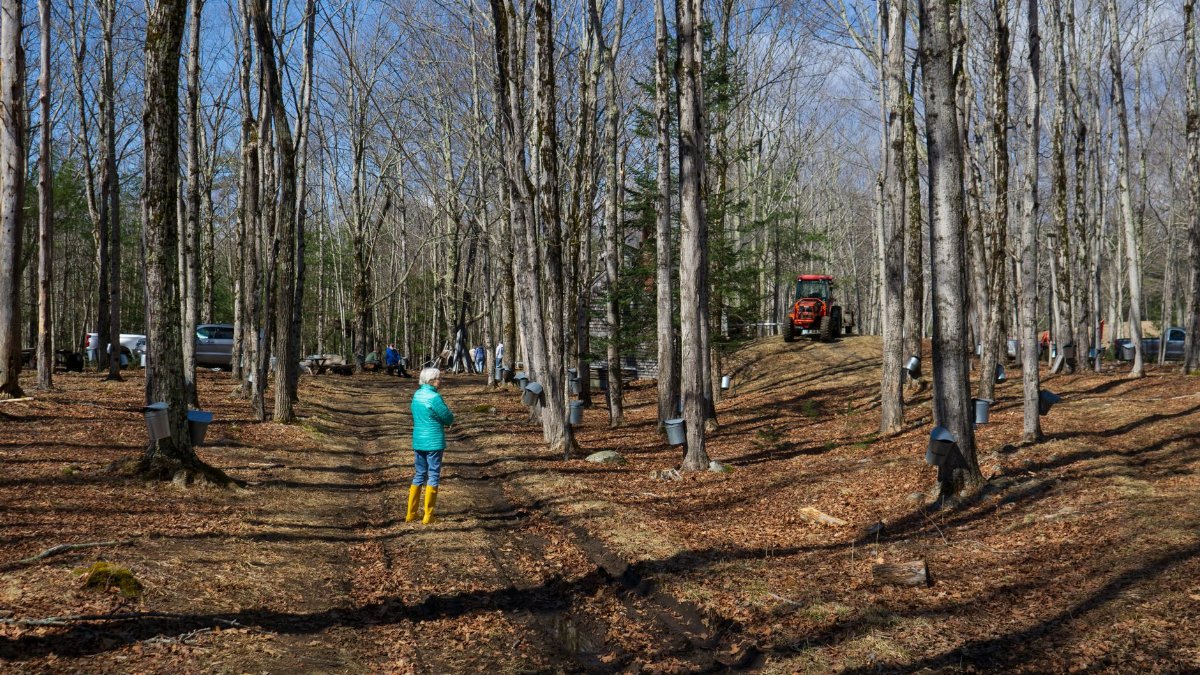
With staff absent certain trail cleanups and habitat monitoring tasks fell behind schedule. Visitors encountered temporary closures at some facilities though core roads stayed open through limited supervisory coverage. District leaders rerouted resources to prioritize safety and emergency response during the period.
Key Terms in the Final Agreement

The pact includes gradual wage increases over three years along with improved contributions toward retirement accounts. Additional provisions cover training programs for new equipment and clearer guidelines on overtime distribution. Both sides described the outcome as a balanced compromise after extended sessions.
Community Response and Local Views

Residents who frequent the preserves expressed relief that access would return to normal soon. Local business owners near trailheads noted a slight dip in foot traffic during the stoppage yet voiced understanding for worker priorities. Some volunteers offered to assist with light cleanup to bridge the gap until full staffing resumed.
Broader Context for Public Sector Labor

Similar disputes have surfaced in other Illinois agencies where budgets face competing demands from infrastructure and social programs. Analysts point to rising insurance costs as a recurring friction point in negotiations. The current case may serve as a reference point for upcoming contracts in neighboring counties.
Path Forward After Ratification

Implementation begins with orientation sessions for returning staff to review updated protocols. District managers plan to accelerate delayed projects such as invasive species removal before winter sets in. Union leaders have scheduled follow up meetings to monitor adherence to the new provisions.
Lessons for Future Negotiations

Both parties acknowledged the value of early mediation in preventing extended absences. Regular check ins on workload distribution could reduce friction in subsequent cycles. The episode underscores how public land agencies must weigh operational needs against employee retention in competitive job markets.