
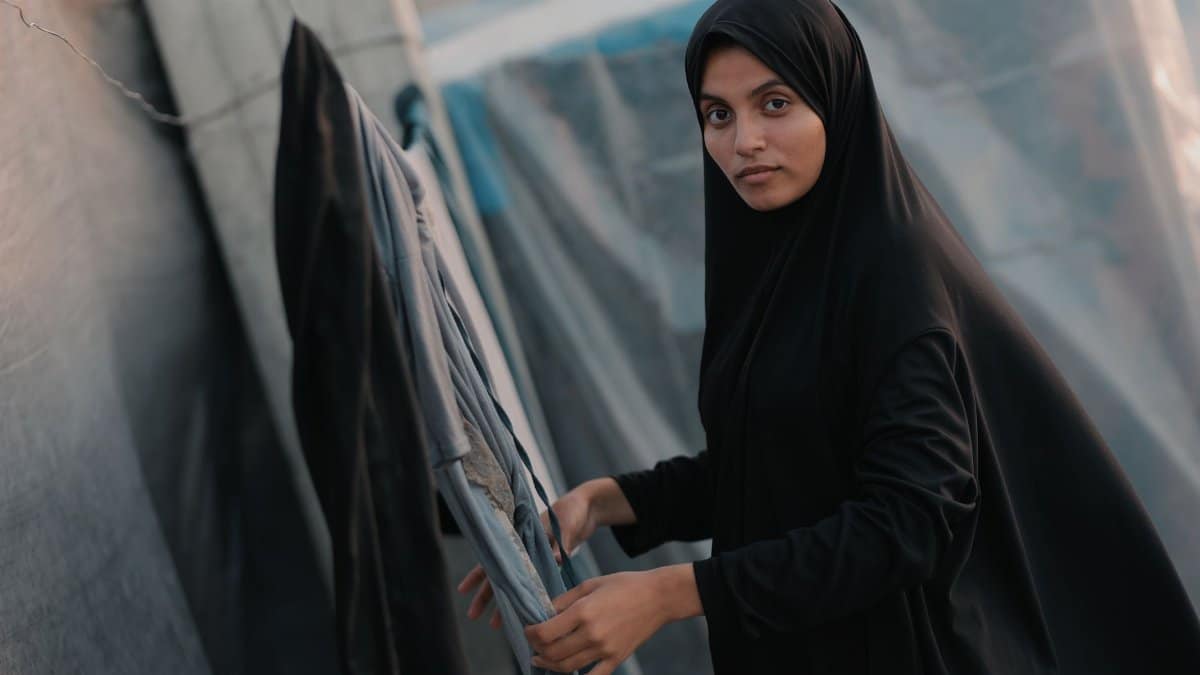
Before dawn in a damaged neighborhood, a generator coughs and then holds. A baker sets out flatbread. A father counts the steps to a clinic that opens only on certain mornings. None of this looks like victory, and none of it looks like the worst days of bombardment either. Gaza ceasefire one year later reads, from the ground, as an unfinished sentence. Diplomats call the pause a foundation. Families call it a waiting room. The distinction matters, because a year is long enough to judge whether a bargain changed lives or merely postponed the next argument.
What the handshake was supposed to buy

The ceasefire that Washington helped broker was sold as more than a silence of guns. It was meant to open a sequence: a halt in major fighting, a path for hostages and detainees to come home, a wider flow of food and medicine, and a political track that would not collapse the moment cameras left the room. Supporters said a powerful American push could do what months of quieter mediation could not. Critics warned that a deal built on exhaustion and leverage would stall once each side had taken what it needed most.
A year on, the first promise is the one most people can see. Large scale bombardment is not the daily fact it was. That is not a small thing. Parents who slept in stairwells know the difference between a fragile quiet and a night of strikes. Yet the later promises, the ones that turn a pause into a settlement, have barely moved. Reconstruction plans sit in briefing books. Governance questions remain sharp enough to cut any draft. The handshake bought time. It did not buy a shared picture of the morning after.
A quieter front that is not a settled peace

Quiet, in this conflict, has never meant safety in the ordinary sense. It can mean fewer sorties and still mean a checkpoint that does not open, a fishing limit that shrinks without notice, or a raid that officials describe as limited and residents experience as terror. Gaza ceasefire one year later is therefore easy to misread from a capital city. A drop in headlines is not the same as a rise in ordinary life. People measure the ceasefire by whether a child can cross a street to school and come back.
Armed groups and military planners have used the year to regroup, reargue, and test red lines. Each test is explained as defense of the deal or as proof that the other side never meant it. That logic is familiar, and it is how pauses die without a formal funeral. Commanders keep options warm. Politicians keep rhetoric hot. Civilians live in the gap between those two habits, waiting to learn whether the next incident will be absorbed or treated as a reason to start again.
Rubble, clinics, and the slow work of repair
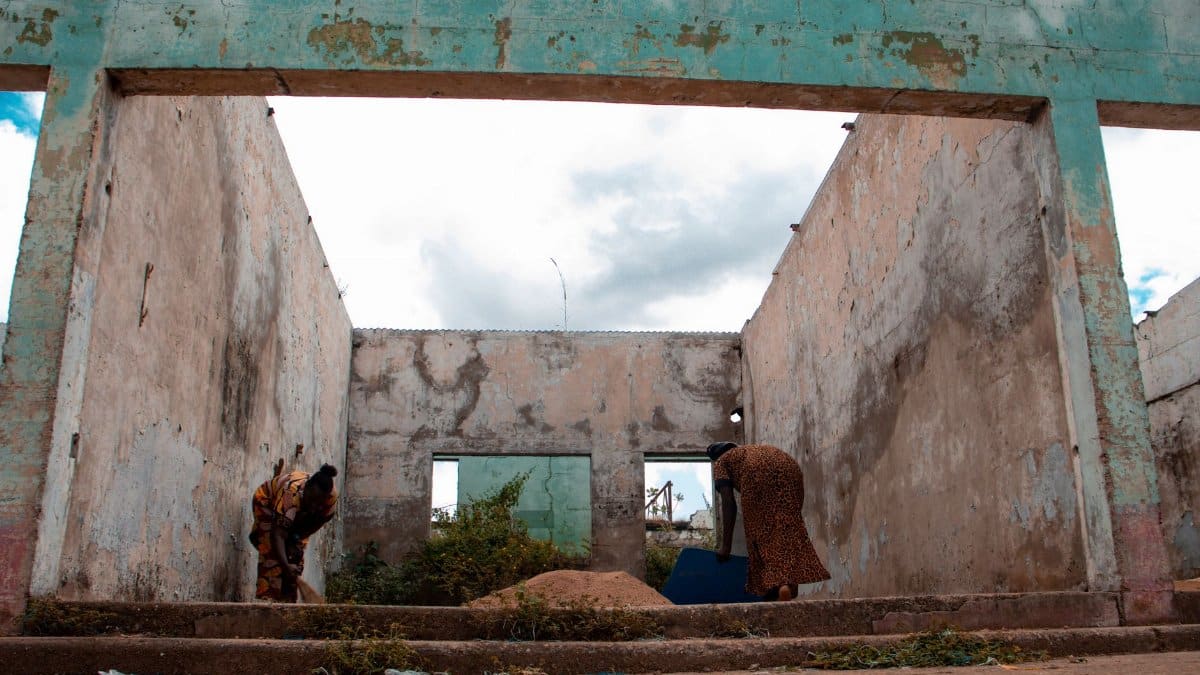
War destroys faster than any ministry can rebuild. A year of relative calm has not produced a year of recovery. Neighborhoods still show the geometry of collapse: staircases to nowhere, rebar like dry branches, apartments open to weather. Clearing debris is not only an engineering task. It is a question of who pays, who enters, who controls the border crossings, and which materials are treated as civilian and which are treated as a security risk. Those arguments have slowed cranes more effectively than any shortage of plans.
Clinics improvise. Teachers divide rooms. Water and power arrive in intervals that families learn to memorize. Aid workers describe a system that can prevent the worst hunger spikes and still leave people one disruption away from crisis. I have heard versions of this story from other wars, and the pattern is stubborn. Emergency relief becomes a substitute for politics. Trucks move. The underlying map of control does not. Until crossing regimes, security arrangements, and local administration are settled enough for builders to plan past a season, rubble will remain a political fact as much as a physical one.
Hostages, detainees, and grief without a calendar

No clause in a diplomatic text can tidy the human ledger. Families of hostages have spent the year in a special kind of public privacy, grateful for any sign of life and furious when momentum fades. Families of Palestinians held in detention tell a parallel story of waiting rooms, lawyers, and nights organized around a phone that might ring. Prisoner exchanges, when they happen, are both mercy and theater. They prove that deals can move people. They also prove how easily people become chips.
Grief does not honor phase lines. A ceasefire can return the living and still leave the dead uncounted in any way that satisfies those who loved them. Memorials in Israel, in Gaza, and across a diaspora have become arguments as well as rites. Some demand accountability before any further concession. Some demand concession as the only way to stop adding names. A journalist can report both demands without pretending they reconcile. They do not. Any lasting arrangement will have to carry that contradiction rather than wait for it to dissolve.
The political freeze on both sides of the line

Territory is only part of the stall. Politics is the rest. In Gaza, the question of who governs after the guns cool has been postponed so often that postponement itself looks like policy. Armed authority, civil servants, clan networks, and outside patrons do not add up to a single address where a donor or a neighbor can send a plan. Without that address, reconstruction money hesitates, and hesitation is then cited as proof that the territory cannot be rebuilt. The circle is tight, and it serves those who prefer limbo to a rival’s victory.
Israeli politics has its own freeze. Security officials and elected leaders do not speak with one voice about what a durable quiet requires, or about how much Palestinian political life can be tolerated beside Israeli towns. Coalition arithmetic punishes compromise. Public trauma punishes abstraction. Gaza ceasefire one year later sits inside that domestic argument as much as it sits inside international communiques. A deal negotiated abroad still has to survive a parliament, a cabinet, and a public that has been asked to trust guarantees before.
Mediators, neighbors, and a narrowing corridor
Egypt, Qatar, and other regional actors remain essential because geography and relationships make them so. They can pass messages when Washington cannot, and they can fail in public when a principal decides that failure is useful. Over the past year their corridor has narrowed. Each mediation round must satisfy not only the parties under fire but also patrons who fund, arm, or shelter them. A proposal that looks reasonable in a hotel conference room can die in a capital that was never in the room.
Neighbors watch for spillover: rockets, naval incidents, militia fire, and the political contagion of a cause that can inflame streets far from the strip. That watchfulness cuts both ways. It creates pressure to keep the ceasefire alive. It also creates incentives to manage the conflict rather than resolve it, so long as the fire stays on someone else’s street. Management is not nothing. It is also how a temporary line becomes the only line anyone knows how to draw.
Washington after the announcement
American brokerage brought attention, aircraft, and the threat of displeasure. It did not bring an endless supply of political capital. A year later, officials still describe the ceasefire as a strategic win and a moral necessity. They also have other files: rivalry with major powers, elections and their aftermath, budgets, and wars that do not pause because Gaza is quiet. Attention is a resource, and this file has had to compete.
The risk is familiar to anyone who has covered American peacemaking. The announcement is treated as the achievement. Implementation is treated as a technical follow up, assigned to envoys while principals move on. Gaza ceasefire one year later exposes the cost of that habit. Guarantees decay if nobody senior is willing to spend friction on them. Allies notice. Adversaries notice faster. A broker who wants the deal to outlast the press conference has to stay in the unglamorous work: border hours, vetoes on spoilers, money that arrives when promised, and public honesty when a partner cheats the text.
Prayer, protest, and a divided moral witness
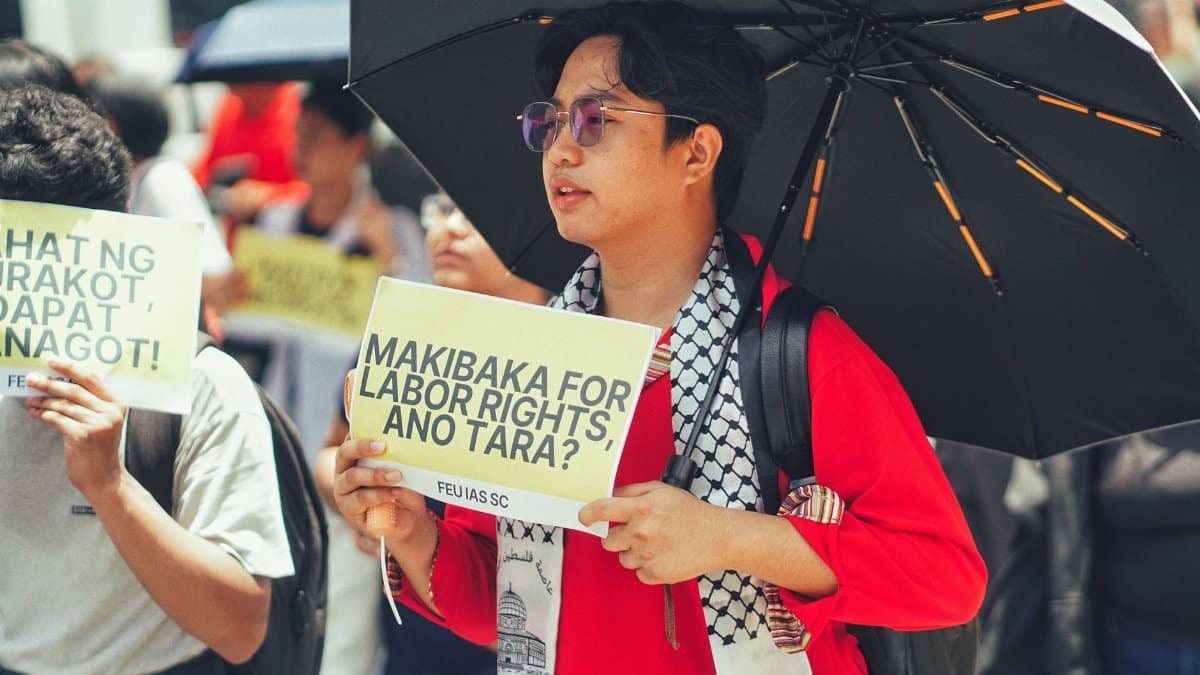
Because this anniversary is being marked in sanctuaries as well as in foreign ministries, the stall is also a spiritual story. Mosques, churches, and synagogues have held prayers for the dead, for captives, and for a peace that their own congregants define in conflicting ways. Clergy who call for ceasefire permanence are accused of naivete. Clergy who emphasize security first are accused of blessing endless dominion. Young people leave services angry that the sermon was too political or not political enough.
That division is not a distraction from the news. It is part of the news. In the United States, faith communities have supplied some of the loudest demands for humanitarian access and some of the firmest defenses of Israel’s campaign against armed groups. Both camps claim the language of conscience. A year of stalled diplomacy has not reconciled them, and it should not be asked to. What it can do is strip away the comfort of distance. A moral argument that never meets a map, a budget, or a border regime is only a mood. The harder witness is to say what one would actually accept: which risks, which neighbors, which limits on force, which form of Palestinian self rule beside Israeli safety.
The year ahead if the pause is to mean anything

Anniversaries tempt people to declare failure or to declare patience. Neither slogan builds a pier or writes a security protocol. If the next year is not to resemble this one, several unglamorous things have to happen at once. Crossings need predictable rules. Local administration needs enough legitimacy to receive repairs without becoming a shell for militants or a proxy for occupation. Armed groups need constraints that are enforced, not merely announced. Israeli leaders need a public case for a political horizon that is more than indefinite control. American and regional mediators need to treat violations as events, not as atmosphere.
None of that is inspiring language, and that is a virtue. The people living under this pause do not need another metaphor. They need calendars that hold: school days, clinic days, paydays, visiting days. Gaza ceasefire one year later will be remembered as a mercy if those calendars start to fill, and as a pause between catastrophes if they do not. The difference will not be decided by a headline. It will be decided by whether the governments that shook hands are still willing to spend power on the dull machinery of an ordinary life.