
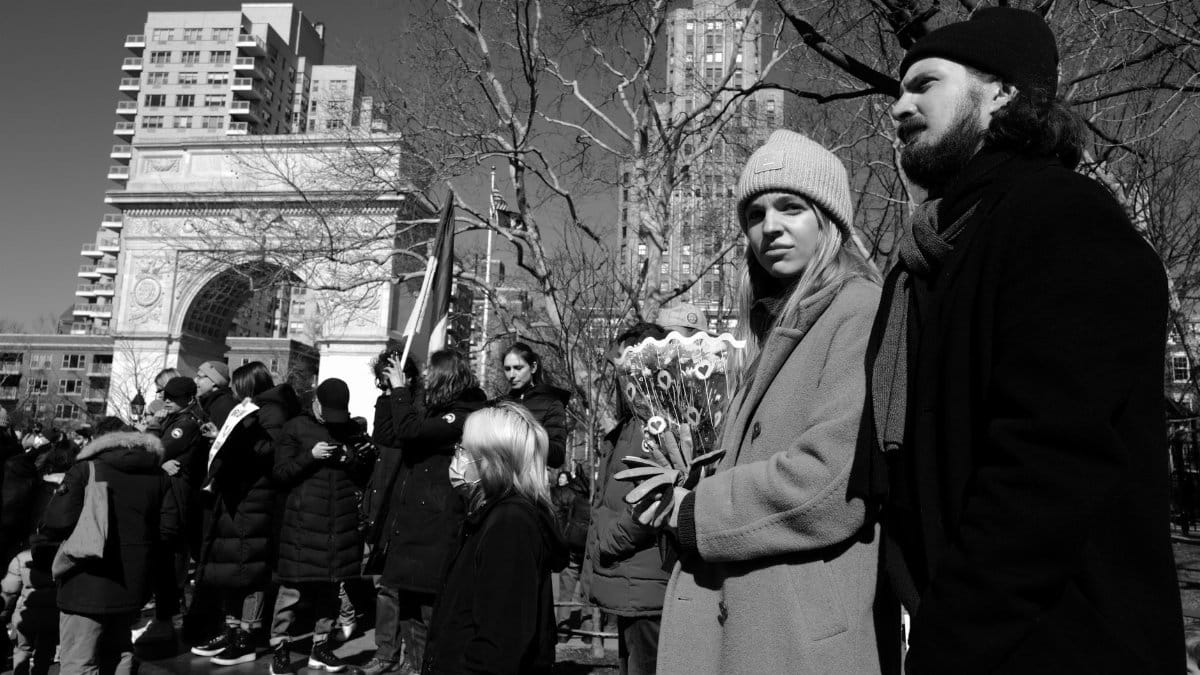
On a mild afternoon in Center City, a small circle of women sat on the grass with tissues and paper cups, not staging sorrow for a camera so much as refusing to hide it. The gathering, passed around online as Sad girls Washington Square Park, drew about twenty people after a TikTok of public crying suggested that grief might be easier to carry in company. Job loss, stalled careers, and the quiet panic of starting over hung over the lawn. What could have been a passing joke became, for an hour or so, a modest civic ritual in a city that usually asks people to keep their worst days indoors.
A square that already knew how to hold a crowd
Washington Square has long been a place where Philadelphia gathers without an appointment. Tourists drift through on the way to Independence Hall. Office workers eat lunch under the trees. On ordinary days the lawn absorbs noise and then gives it back as ordinary city sound. The crying meetup used that habit of sharing space. No stage. No microphone. A few blankets. A loose agreement that tears did not have to be explained before they were allowed.
The scale mattered. About twenty women is large enough to feel like a public act and small enough that a stranger can still hear a sentence. In a park, that size also keeps the event from becoming a spectacle that swallows the people inside it. Passersby could look, or they could keep walking. Both choices were part of the scene.
How a short video became an invitation

The spark was a TikTok of someone crying in public, the kind of clip that usually lives for a day and then vanishes into the next scroll. This one did something quieter. It named a feeling that many viewers already had and offered a place to put it. Sad girls Washington Square Park traveled as a phrase before it traveled as a plan. People recognized the mood before they recognized the logistics.
That is how a lot of gatherings begin now. A private moment is filmed. Strangers reply with their own versions. Someone proposes a time. The comment thread becomes a bulletin board. None of that replaces the older ways people find one another, through churches, unions, neighborhood groups, or friends of friends. It does change the speed. A person who would never post a flyer on a lamppost can still show up if the invitation feels specific and kind.
What they carried onto the grass
The Inquirer account of the meetup tied the tears to job loss, and that detail is worth staying with. A layoff is often treated as a paperwork problem. There is a last day, a benefits letter, a LinkedIn post written in the bright language of new chapters. The feeling underneath is messier. Income drops. Identity thins. Mornings lose their shape. Friends ask how the search is going, and the honest answer is too long for a text.
Public crying does not solve any of that. It does mark the loss as real in a culture that prefers resilience stories with a clean ending. Several of the women, by the simple fact of arriving, treated sorrow as something that could sit beside other people without being fixed on the spot. That is a small permission, and for some afternoons it is the only one available.
Job loss and the grief that does not fit a resume

Work in American life is more than a paycheck. It organizes time, status, and the story a person tells at dinner. When the job disappears, the story goes with it. The park meetup made that plain without turning anyone into a case study. Grief here was not only romantic or familial, the kinds of sadness movies already know how to film. It was economic, and therefore easy to dismiss as temporary, even when the months stretch.
I have sat through enough newsroom conversations about employment numbers to know how quickly a human week gets flattened into a rate. A rate cannot cry. A person can. Putting those two facts in the same paragraph is not sentiment. It is accuracy. The women in the square were living inside a statistic that rarely gets a face until someone decides the face belongs outdoors.
Why crying together still startles a city
Cities train people in a particular kind of composure. You do not sob on the subway if you can help it. You apologize if your eyes are red in a meeting. The rule is not written down, but it is enforced by glances. A group that breaks the rule on purpose creates a brief confusion. Is this art? Is this a protest? Is this a joke at someone else’s expense?
The answer, in this case, seems closer to care than to performance, though the two can share a lawn. Crying in company has older roots than any app. Wakes, vigils, and lament traditions all assume that sorrow is a social act, not only a private malfunction. Sad girls Washington Square Park borrowed that assumption and dressed it in the language of a feed. The surprise is not that people cried. The surprise is that a park lawn still works as a room.
Spiritual hunger without a pulpit
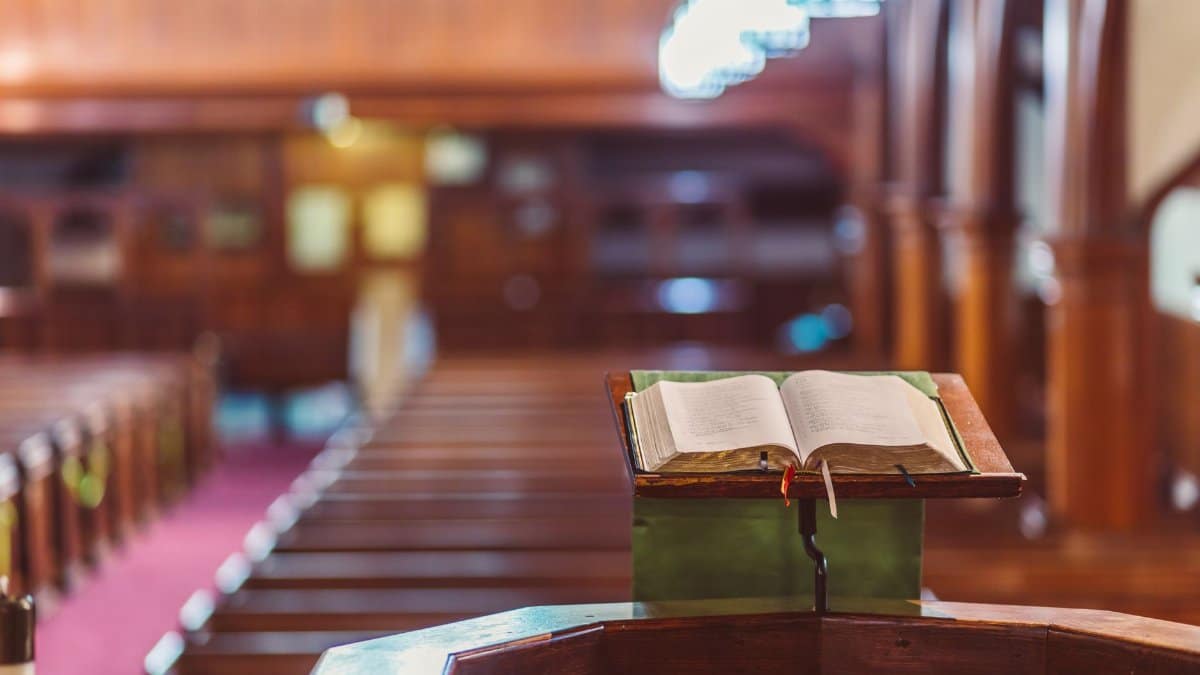
Call it spiritual only if the word is allowed to stay modest. There was no sermon in the reporting, no creed, no collection plate. What there was, by the shape of the gathering, was a hunger to be witnessed. Many people now live far from the institutions that once held that job. Congregations have thinned. Extended families are scattered. Therapy helps, and it is also an appointment with a clock.
A park hour does not replace those structures. It can still answer a narrower need. You arrive as a stranger. You leave having been seen in a state you usually edit out of photographs. For some, that is close enough to prayer. For others, it is simply relief. Both readings can be true without turning the meetup into a movement it did not claim to be.
The line between witness and content

Any gathering born on TikTok has to live with a second audience, the one that was not on the grass. Clips travel. Comments judge. A tender hour can be remixed into a punch line by someone who was never there. That risk is real, and it is unfair to pretend that posting erases it. The women who came anyway accepted a trade. Visibility bought them company. Visibility also bought them the chance of being misunderstood.
Journalists face a related trade. Describe the scene too brightly and you turn grief into color. Describe it too coldly and you miss why anyone bothered to come. The useful middle is concrete. About twenty women. A Philadelphia square. A video that named public crying. A shared reason that included job loss. From those facts a reader can decide whether the hour was brave, foolish, or both. The decision does not require a moral from the writer.
What community looks like when it lasts one afternoon
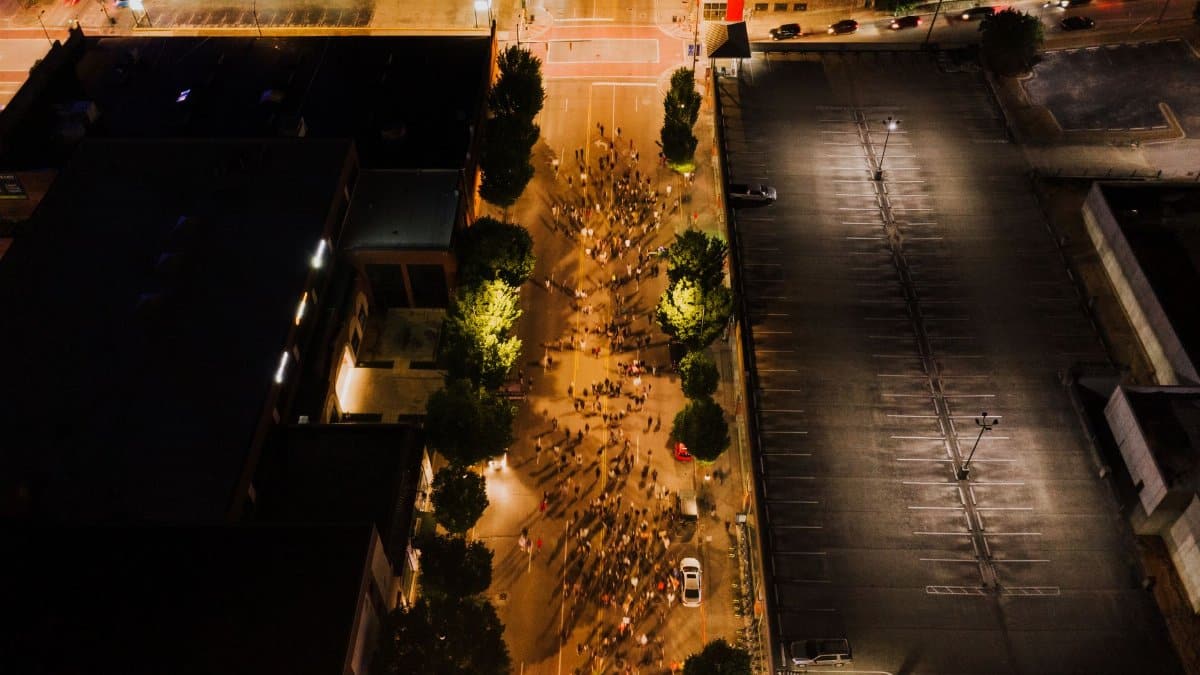
Community is a word that gets heavy fast. It can mean a church that buries your parent. It can mean a group chat that goes quiet in a month. The park meetup sits nearer the second scale, and that is not an insult. Some forms of belonging are seasonal. They appear when a feeling is too large for one kitchen, and they dissolve when the feeling changes shape.
Still, an afternoon can teach a habit. If you have once cried next to strangers and not been punished for it, the next hard week may feel slightly less sealed. You might text a friend. You might sit longer on a bench. You might notice that other people are also performing fine when they are not. Those are small transfers. They are how a city stays habitable.
Who gets to be sad in public
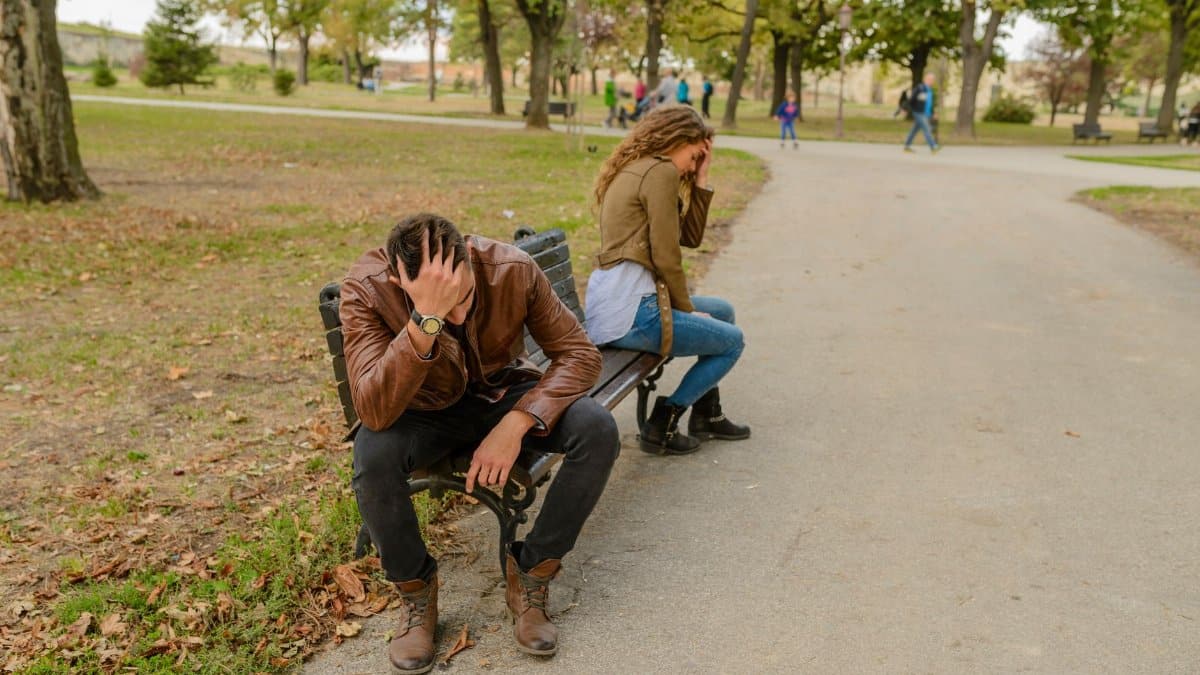
The phrase Sad girls Washington Square Park is specific about gender, and that specificity is part of the story. Women are often permitted a narrow range of visible emotion and then criticized for using even that range. A meetup that claims the permission openly pushes back on the criticism. It also leaves questions at the edge of the blanket. Where do men put a layoff they cannot joke away? Where do people who are not girls, and not comfortable with that word, put a comparable ache?
A single event does not have to answer every question to be worth describing. It does reveal a gap. Public grief is still sorted by who is allowed to show it without losing status. The square made one sorting visible. Other sortings remain, including race, age, immigration status, and the simple fact of who can spare an afternoon when rent is due.
The park after the tissues are packed
When a small gathering ends, the lawn goes back to its other jobs. Dogs, tourists, people on phones. Nothing in the grass records that twenty women spent part of a day refusing to be privately efficient about pain. That erasure is ordinary, and it is also why reporting matters. Without a written account, Sad girls Washington Square Park would survive mainly as a caption, easy to mock and easy to forget.
The caption is not nothing. It is a map. It tells a later reader that in Philadelphia, in a season of job loss and thin patience, a group of women tested whether a public square could hold a private collapse for a little while. The test was imperfect. It was also legible. Cities are built from such tests more often than from monuments.
A modest claim, and a true one
No one should romanticize crying as a cure. A meetup will not restore a salary, rewrite a rejection, or make the next interview less frightening. Friends still have to help with rent. Policy still has to decide what a safety net owes a person whose industry shrank. Those are larger rooms than a lawn.
Inside the smaller room, something happened that is easy to underrate because it does not scale. People arrived with a feeling they had been managing alone. They left having shared it. Sad girls Washington Square Park will not appear in a budget hearing. It might appear, years from now, in the way one of those women talks about the week she stopped pretending she was only busy. That is a thin legacy. For the kind of afternoon it was, thin is enough.