
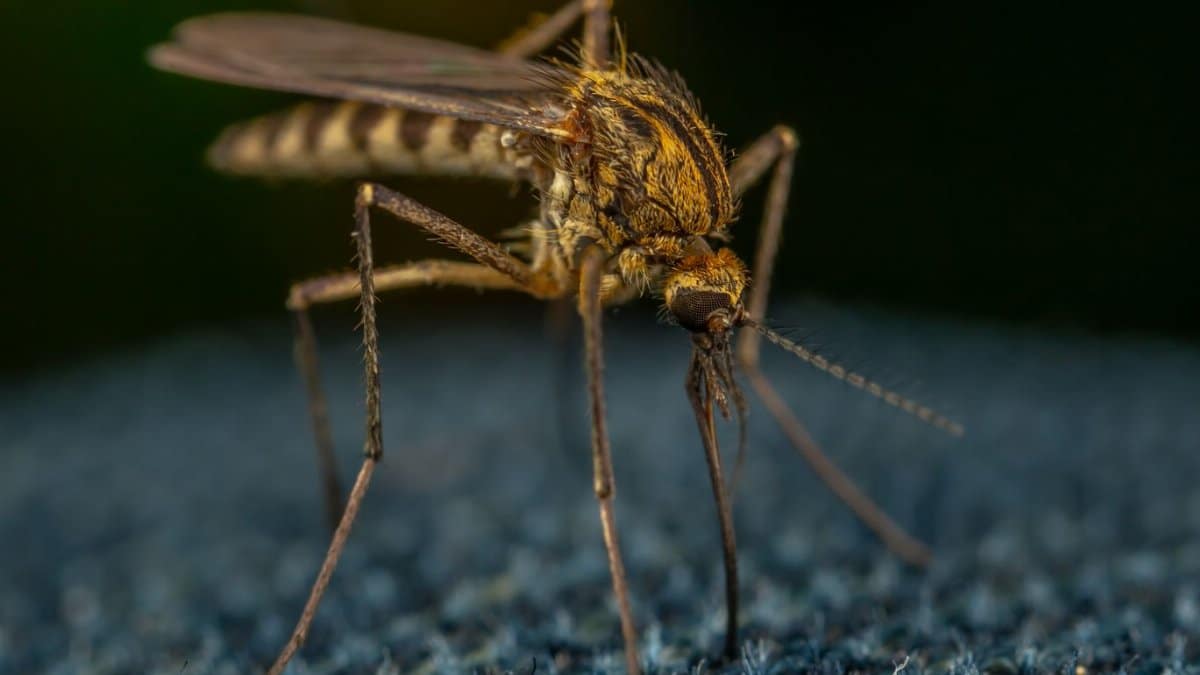
In the quiet suburbs south of Houston, families have begun altering evening routines after an unexpected invasion of insects turned backyards into zones of constant swatting. Officials moved quickly to address rising complaints and health concerns, issuing a formal declaration that frames the situation as a Mosquito Emergency requiring coordinated response across Fort Bend County.
Declaration Details and Local Response

County leaders activated emergency protocols after trap counts showed mosquito populations far above normal levels for the season. The move allows faster allocation of resources for spraying and public notifications. Residents received alerts through phone messages and local media, urging them to empty standing water and use repellents during peak hours.
Environmental Factors Behind the Surge

Heavy spring rains created widespread pockets of stagnant water across lawns, drainage ditches, and construction sites. Warm temperatures accelerated breeding cycles, allowing multiple generations to mature in a short span. Experts note that such conditions often follow periods of flooding, though the current scale exceeds typical patterns observed in recent years.
Health Risks Tied to Increased Populations

Greater numbers of mosquitoes raise chances for transmission of viruses such as West Nile. Local clinics reported a modest uptick in patients describing fever and fatigue after outdoor exposure. Health departments emphasize that most cases remain mild, yet they urge prompt medical attention for severe symptoms like confusion or neck stiffness.
Control Measures Now Underway

Aerial and truck mounted sprayers began operations in targeted zones, focusing on areas with the highest trap readings. Crews also treated catch basins and roadside pools with larvicides designed to interrupt development before adults emerge. Officials stress these steps complement individual actions like repairing window screens.
Community Adaptation and Daily Impacts

Parents adjusted youth sports schedules to avoid dusk hours when activity peaks. Some neighborhoods organized volunteer cleanups to remove discarded tires and containers that collect water. Local businesses selling fans and netting noted stronger demand as households sought immediate relief without waiting for official crews.
Comparisons to Prior Seasons

Records show similar declarations occurred during past periods of unusual rainfall, yet the speed of this escalation stands out. Data from continuous monitoring stations indicate counts roughly triple the five year average for the same month. Such figures prompted the county to act before hospital admissions could climb.
Guidance for Residents and Visitors

Authorities recommend long clothing during early morning and evening outings along with approved repellents containing DEET or picaridin. Property owners are asked to check gutters, flower pots, and bird baths weekly. Pets should remain indoors during spraying windows, and any dead birds found on lawns should be reported for testing.
Broader Implications for Regional Planning

The episode highlights ongoing needs for improved drainage infrastructure in rapidly growing subdivisions. Planners are reviewing older retention ponds that may require redesign to limit mosquito habitat. Discussions also touch on public education campaigns that could run year round rather than only during peak threats.
Looking Ahead to Summer Conditions

Forecasts suggest continued warmth and possible additional storms, conditions that could extend the current pressure. County teams plan to maintain heightened surveillance through at least the end of September. Updates will appear on the health department website as new trap results become available.