
On a warm afternoon along the industrial edge of Pilsen, the smell of hot metal and diesel can linger over the sidewalk long after the trucks have gone. Neighbors who live a few blocks from the scrap yard say they have learned to read the air the way other people read the weather. Their latest demand is plain: more testing, in more places, before the state signs a permit. The argument over Pilsen Sims Metal pollution has moved from kitchen tables to public hearings, and it now sits with regulators who must decide how much evidence is enough.
A street that already knows the yard

The facility in question sits on Paulina Street, in a part of the city where homes, schools, and heavy industry have shared the same blocks for generations. Scrap metal work is not new here. Towers of crushed cars, the clank of shears, and the rumble of loaders are part of the daily soundtrack. What has changed, residents say, is their patience with assurances that the air is fine because a monitor somewhere nearby has not tripped an alarm.
People who walk dogs past the fence, who open windows in summer, and who wait for buses with children in tow want measurements that match the places they actually breathe. A single sampler on a roof, or a model built from company records, does not feel like an answer when the wind shifts and dust settles on a porch rail.
What a permit really decides

An air permit is easy to treat as paperwork. In practice it is a boundary. It tells a company which pollutants it may emit, in what amounts, under what controls, and with what duty to report. Once the Illinois Environmental Protection Agency issues that document, changing the terms becomes harder. Neighbors understand the timing. They are asking for a wider net of sampling before the signature, not after a year of operations under rules they already distrust.
The agency’s job is to apply state and federal standards, review emission estimates, and decide whether the proposed controls are adequate. Community groups want that review to include fresh, independent measurements of what leaves the yard on ordinary days and on the worst days, when shredders run hard and trucks queue at the gate.
Why residents want more than one kind of test
Air around a scrap yard is not a single substance. It can carry fine dust from roads and piles, metal fragments, diesel exhaust from heavy equipment, and fumes from cutting and torching. Some of that material is visible. Much of it is not. A person can wipe a windowsill and see grit without knowing whether that grit holds lead, cadmium, or nothing more concerning than soil.
That is why the call for testing is broader than a slogan. Residents want sampling at the fence line and farther into the neighborhood, on weekdays and weekends, upwind and downwind. They want labs that can distinguish road dust from metal bearing particles. They want the raw numbers posted where a neighbor can read them without filing a records request. In hearings, that package is what people mean when they talk about Pilsen Sims Metal pollution as a question of proof rather than rumor.
How scrap work puts material in the air
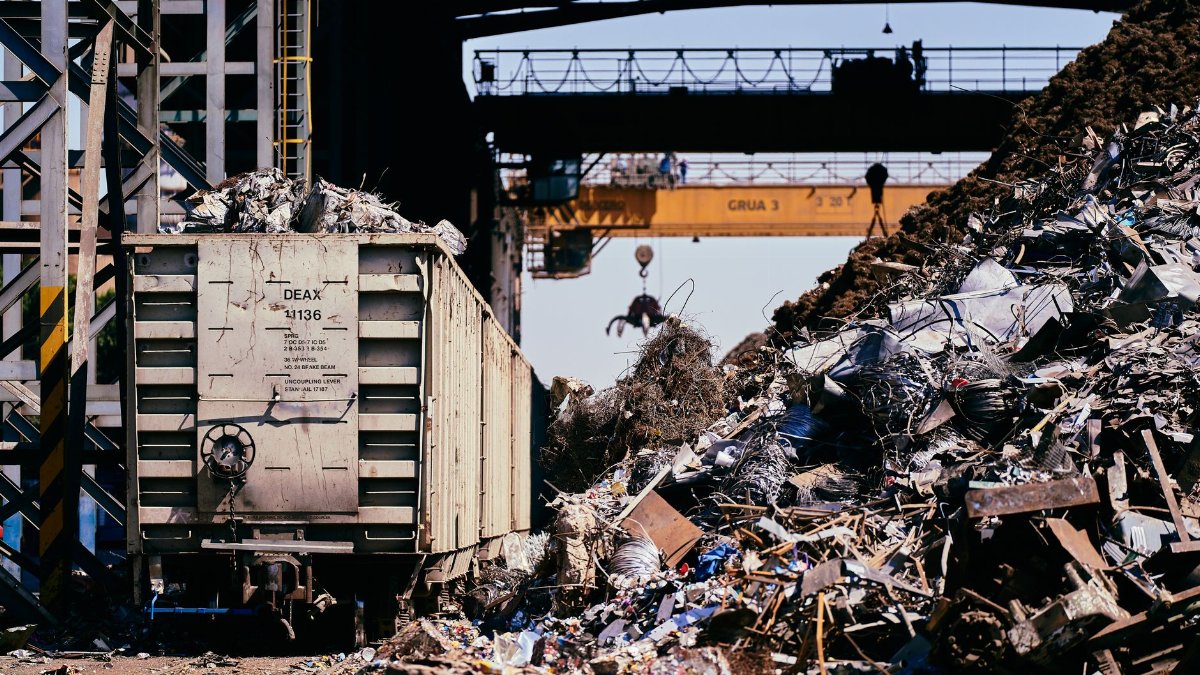
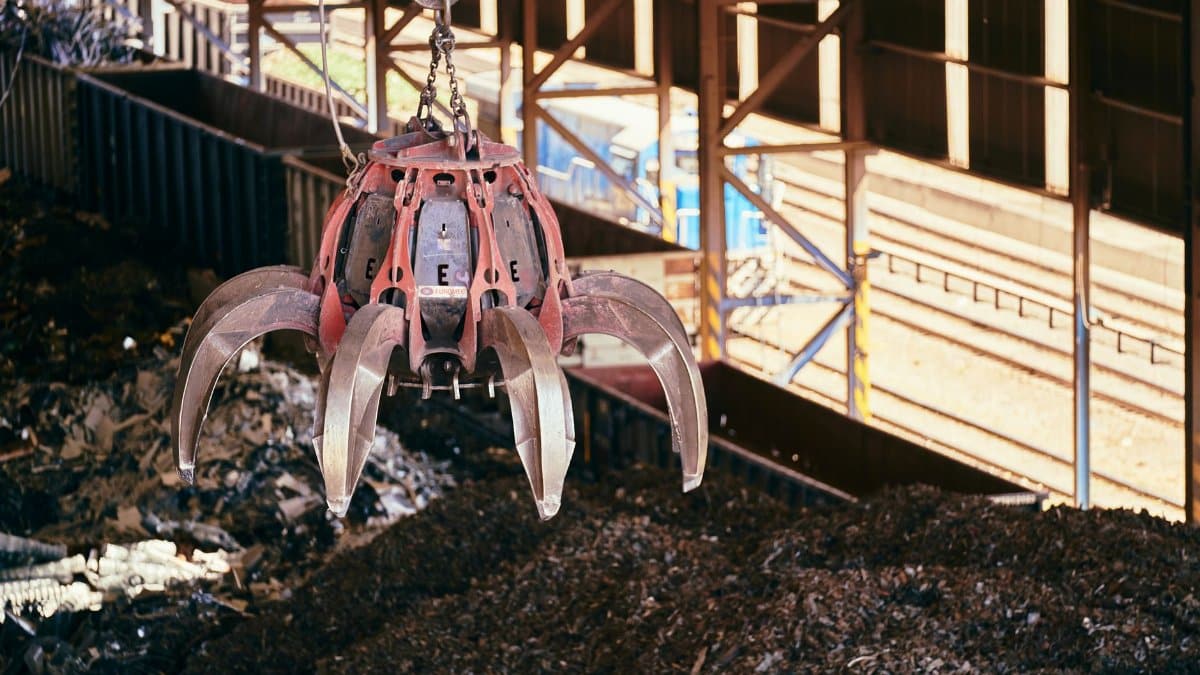
A modern scrap operation is a system of receiving, sorting, shredding, and shipping. Each step can disturb material that was quiet a moment earlier. Shredders pulverize auto bodies and appliances. Conveyors drop fragments. Loaders push piles. Trucks grind across unpaved or poorly swept surfaces and lift dust that traffic then carries down the block.
Controls exist. Water sprays can knock dust down. Enclosures can limit what escapes a shredder. Sweeping and wheel washes can cut track out. The dispute in Pilsen is less about whether those tools exist than about whether they are used consistently, whether they are enough on windy days, and whether anyone outside the company is measuring the result in real time. A permit condition that sounds strict on paper can still fail if inspections are rare and monitors sit in the wrong place.
The health questions testing can narrow

Doctors and public health agencies have long linked fine particulate matter and certain metals to asthma attacks, heart strain, and developmental risks for children. Those links are about exposure over time, not a single bad afternoon. No neighborhood monitor can diagnose a person. It can, however, show whether levels near homes are higher than levels a few blocks away, and whether spikes line up with yard activity.
Parents in Pilsen do not need a lecture on toxicology to know why that matters. They already count inhalers in backpacks. They already notice which kids cough more after recess on days when the industrial smell is strong. Testing will not settle every family story. It can stop the conversation from circling the same unanswered claim: that the air is acceptable because no one has looked closely enough to say otherwise.
I have covered enough of these hearings to recognize the moment when technical language starts to sound like a closed door. People are not asking to run the plant. They are asking to see the measurements that justify trust.
A neighborhood with a long memory
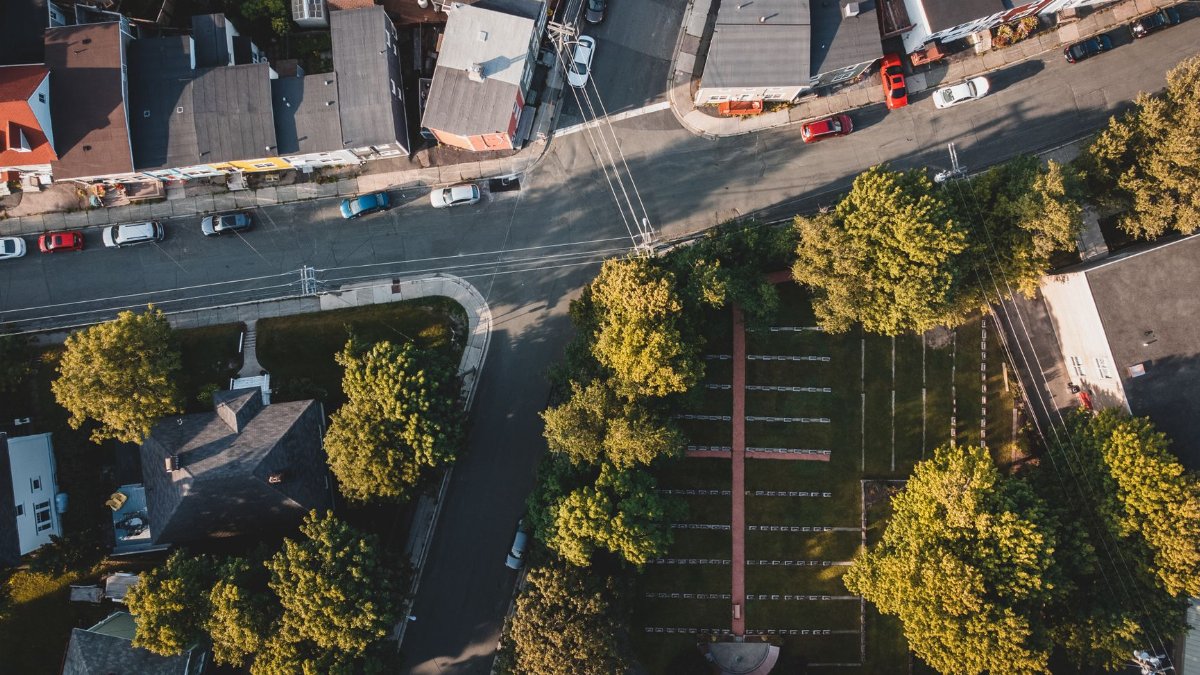
Pilsen’s industrial history is not a backdrop. It is the reason skepticism runs deep. For decades, residents on the Near Southwest Side have organized around soil, air, and the feeling that burdens land on the same blocks again and again. Some past fights produced cleanups and new rules. Others ended in meetings that felt courteous and changed very little on the street.
That memory shapes the current permit fight. When officials say existing data are sufficient, older neighbors hear an echo. They remember being told that odors were temporary, that dust was only a nuisance, that the next study would settle it. Younger organizers, many of them bilingual and fluent in both agency jargon and block club politics, translate those promises into a shorter demand: sample first, then decide.
What the company and the agency each control

Sims Metal, like other large recyclers, can point to a public purpose. Scrap recovery keeps metal out of landfills and feeds mills that would otherwise dig and smelt new ore. That benefit is real, and it does not erase local impacts. A yard can serve a regional economy and still be a poor neighbor if dust, noise, and truck traffic fall hardest on the people living closest to the gate.
The Illinois EPA does not design the business. It decides whether the application meets the law, whether emission estimates are credible, and whether added conditions are warranted. Residents want those conditions to include expanded monitoring, clearer public reporting, and triggers that require the company to slow or change operations when readings climb. They also want inspectors who show up when complaints spike, not only on scheduled days when the yard expects a visitor.
The gap between a model and a sidewalk

Permit applications often rely on emission factors and computer models. Those tools are legitimate. They are also abstractions. A model can estimate an annual average and still miss the hour when a shredder housing is open, a water spray is down, and a south wind pushes a plume toward a schoolyard. Neighbors live in hours, not in annual averages.
Broader testing is a way to check the model against the sidewalk. If measured levels match the estimates, the company gains something it cannot buy with a press release: credible evidence. If they do not match, the agency has a reason to tighten controls before a permit locks in a weaker standard. Either result is more useful than another round of competing assertions. That is the practical core of the debate over Pilsen Sims Metal pollution, and it is why delay without data satisfies almost no one.
Who gets heard before the deadline

Public comment periods are supposed to be the community’s formal voice. In practice they favor people who can read a technical notice, rearrange a work shift, and speak into a microphone without losing the thread. Pilsen has skilled organizers who do that work. Even so, many of the most affected residents never enter the hearing room. They send a child to a relative’s apartment on bad air days, or they keep the windows shut and hope the permit fight turns out well.
A fair process would meet people closer to home. Evening sessions in the neighborhood, materials in Spanish and English, and a plain account of what each proposed test would show would not weaken the science. They would widen it. Regulators who want their decision to hold up should want that wider record, not a thin file that looks complete only because few people managed to file.
What more testing would not do

It is worth being honest about limits. Extra monitors will not erase truck traffic. They will not rewrite zoning that put industry beside housing. They will not guarantee that every reading stays below a health guideline, and they will not tell a family whether a particular illness began at the fence line. Overpromising turns a reasonable demand into a disappointment.
What testing can do is narrow uncertainty at the moment when uncertainty is most expensive. A permit issued on thin local data invites years of conflict, complaints, and supplemental reviews. A permit issued after a serious sampling campaign, with public numbers and clear consequences for high readings, gives both sides a shared starting point. That is a modest goal. It is also the one neighbors say they have not yet been given.
A standard other blocks will notice

Chicago is full of places where recycling, warehousing, and freight sit against porches and parks. Whatever the Illinois EPA does on Paulina Street will be read elsewhere. If the agency treats expanded testing as a nuisance, other companies will hear that community evidence is optional. If it treats testing as a normal price of operating beside homes, the precedent is quieter and more useful: show your work where people live.
Recycling will remain part of the city’s economy. The question is whether that work can proceed without asking one neighborhood to accept a fog of maybes. Residents organizing around Pilsen Sims Metal pollution are not asking the state to pick a side in a slogan war. They are asking for measurements broad enough to match the size of the yard and the closeness of the homes.
Before the signature

The weeks before a permit decision are when leverage is real. Afterward, neighbors are left with complaints, inspections, and the slow machinery of enforcement. Beforehand, they can still insist that the file contain air samples from the blocks that will live with the outcome. That insistence is specific. It names metals and dust, fence lines and school routes, wind directions and ordinary operating days.
A city that recycles its metal should be willing to measure what that recycling costs the people next door. Pilsen has already supplied the political pressure and the local knowledge. The remaining piece is technical and public at once: test widely, publish clearly, and only then decide. Until that happens, the argument over Pilsen Sims Metal pollution will keep returning to the same corner of Paulina Street, where the trucks idle and the windows stay shut a little longer than they should.