
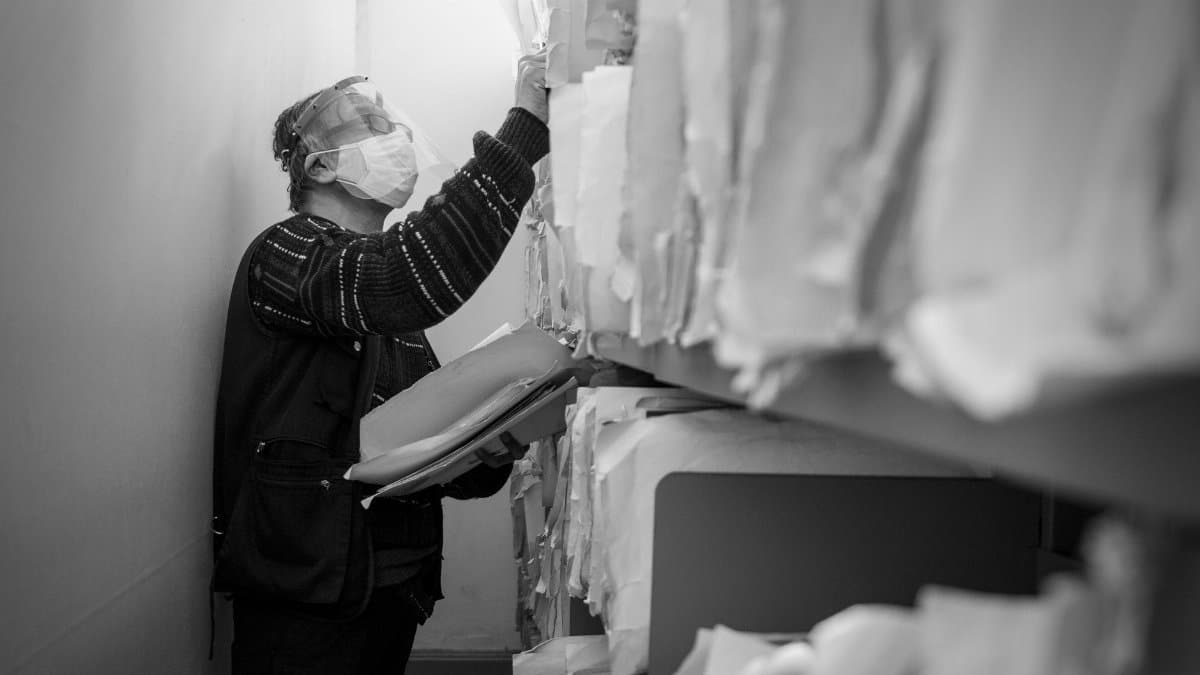
On a gray morning in San Bruno, a genealogist waits for a box that may hold the only surviving trace of a grandparent who passed through Angel Island. The reading room is quiet. The tables show the wear of decades of pencils. Staff move with the care of people who know a torn page cannot be replaced. That ordinary patience now sits under a larger uncertainty: the San Bruno National Archives closure, a federal plan to send a major West Coast collection to Kansas City across two to three years.
A warehouse of arrivals and absences
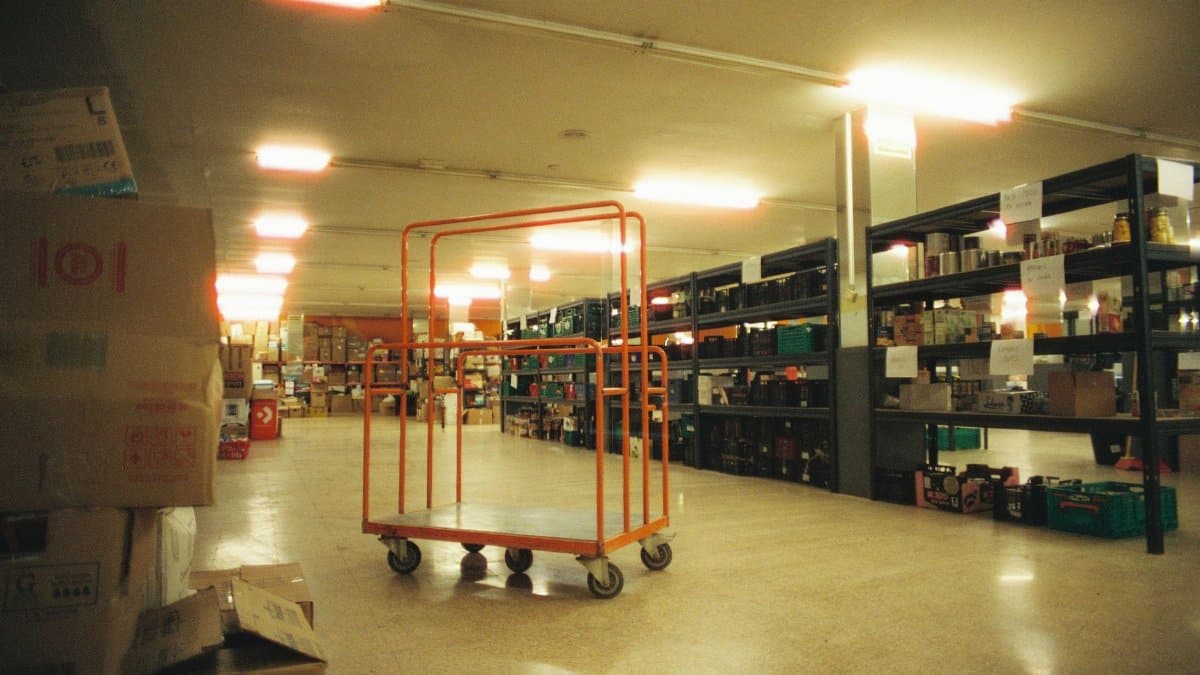
The San Bruno facility, formally part of the National Archives and Records Administration, has long served researchers who cannot easily reach Washington. Its holdings include federal court files, land records, and immigration case files that document Chinese, Japanese, Filipino, Mexican, and European arrivals along the Pacific. For many families, these are not abstract documents. They are the paper trail of a name spelled three ways, a hearing that decided whether someone stayed, a photograph attached to a file that no living relative still owns.
Angel Island case files draw particular attention. Interviews from the exclusion era, coaching papers, and appeals sit in folders that genealogists treat with something close to reverence. Historians of labor, wartime incarceration, and Indigenous land claims use the same building. A closure is therefore not only a real estate decision. It rearranges who can sit with the original page.
The savings number that drives the plan
Agency officials have framed the relocation as a way to save more than $4.7 million. In a federal budget where storage, climate control, security, and staffing all cost money, that figure is large enough to move a headquarters conversation. Records would go to an existing Kansas City operation rather than remain in the Bay Area under the current cost structure.
Consolidate. Reduce rent. Put similar collections under one roof. Supporters of the plan can say, with some justice, that preservation is expensive and that a file kept in a proper vault in Missouri is safer than a file left in a building the agency struggles to afford. The dispute is not whether money matters. It is whether the savings count the full price of distance.
What San Bruno National Archives closure would actually move
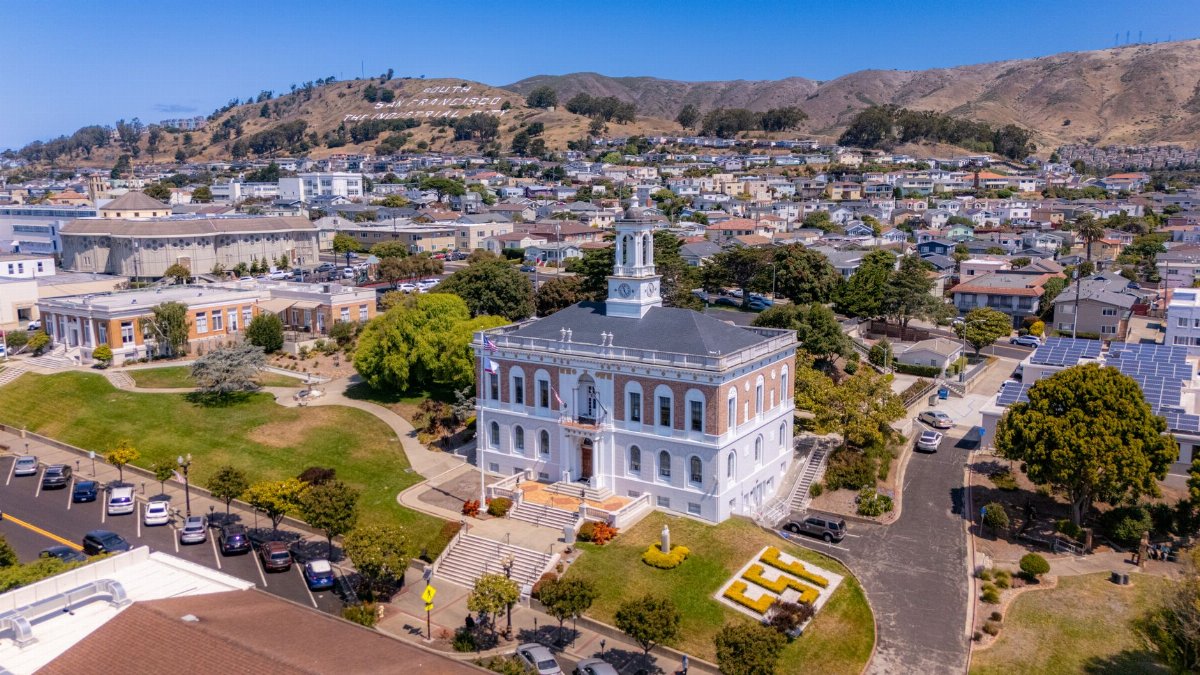
The proposal is not a sudden padlock on the door. NARA has described a move lasting two to three years, with records shipped in stages. During that span, some series may be unavailable while they are packed, transported, and reshelved. Researchers who have learned the quirks of San Bruno finding aids will have to learn a different system, and some materials that are now requested in person may become available only by written request or through later digitization.
Digitization is the promise that often accompanies such shifts. Scans can travel farther than boxes. Yet scanning a century of immigration files is slow, costly, and uneven. A plan justified by rent savings does not automatically fund a complete digital surrogate. Until that surrogate exists, the original folder remains the working copy, more than 1500 miles from the communities it most concerns.
Families who built their histories in that room
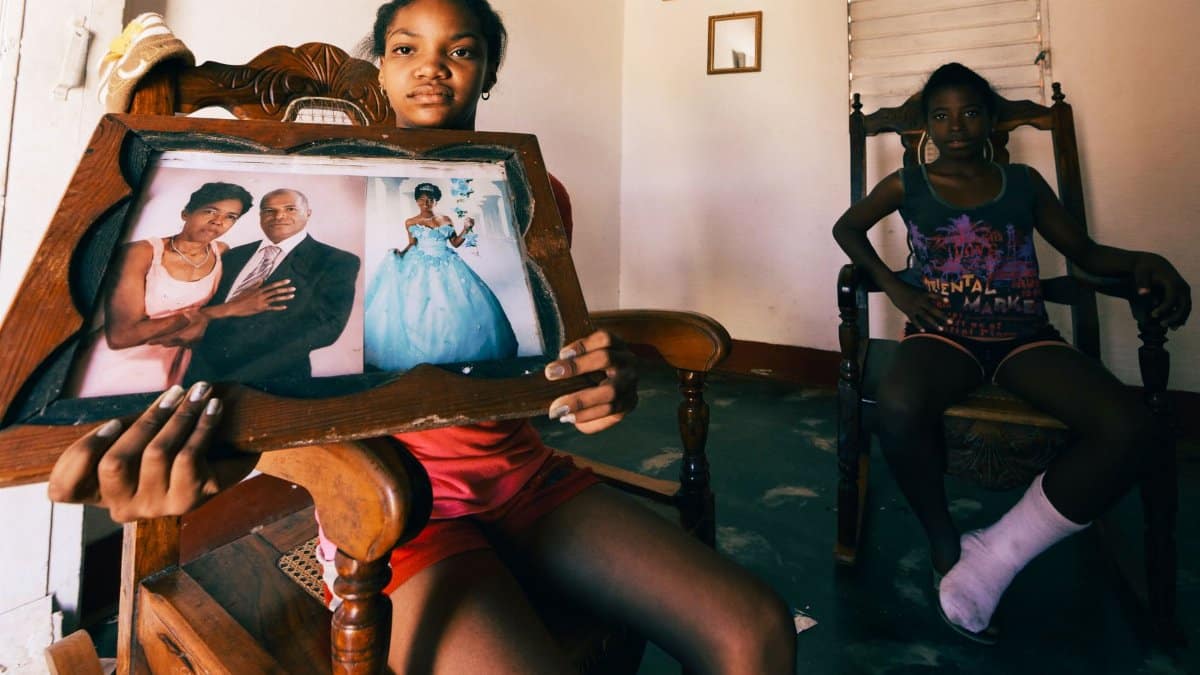
Bay Area history is crowded with people who found a parent, a village, or a denied entry in those files. Chinese American family associations have sent volunteers to San Bruno for decades. Japanese American researchers have traced confiscation, loyalty questionnaires, and camp paperwork. Latino genealogists have used naturalization petitions and case files to reconstruct migrations that parish registers never captured.
I have watched, in other reading rooms, the moment a person recognizes a relative’s handwriting. It is a small event with a large afterlife. It changes how a family talks at dinner. Moving the papers does not erase that possibility, but it raises the fare, the hotel bill, and the number of vacation days required to try.
Kansas City is not a neutral address
Kansas City already holds major federal records, and staff there know how to care for paper, film, and photographs. The city is not a backwater, and treating it as one would be unfair to the archivists who work there. Geography still matters. A same day trip from Oakland, San Jose, or San Francisco becomes a flight, a rental car, and a research appointment that must be planned months ahead.
For retirees on fixed incomes, for students without travel grants, and for community historians who research on weekends, that friction is decisive. They will not all stop looking. Many will simply look less often, and with less ability to follow a surprise from one box to the next.
A timetable that will test patience
Two to three years sounds orderly on a briefing slide. In practice, multi year moves of fragile records involve inventory, conservation review, custom boxing, climate controlled trucks, and reprocessing on arrival. Any one of those steps can slip. Researchers need plain schedules: which record groups leave first, which stay readable, and how to request a file that is in transit.
Uncertainty itself has a cost. Graduate students choose dissertation topics based on what they can reach this semester. Family reunions plan research days around elders who may not travel again. If the agency publishes a clear sequence and sticks to it, the harm shrinks. If dates stay vague, people will assume the worst and abandon projects that the San Bruno National Archives closure would strand.
Local response and the politics of access
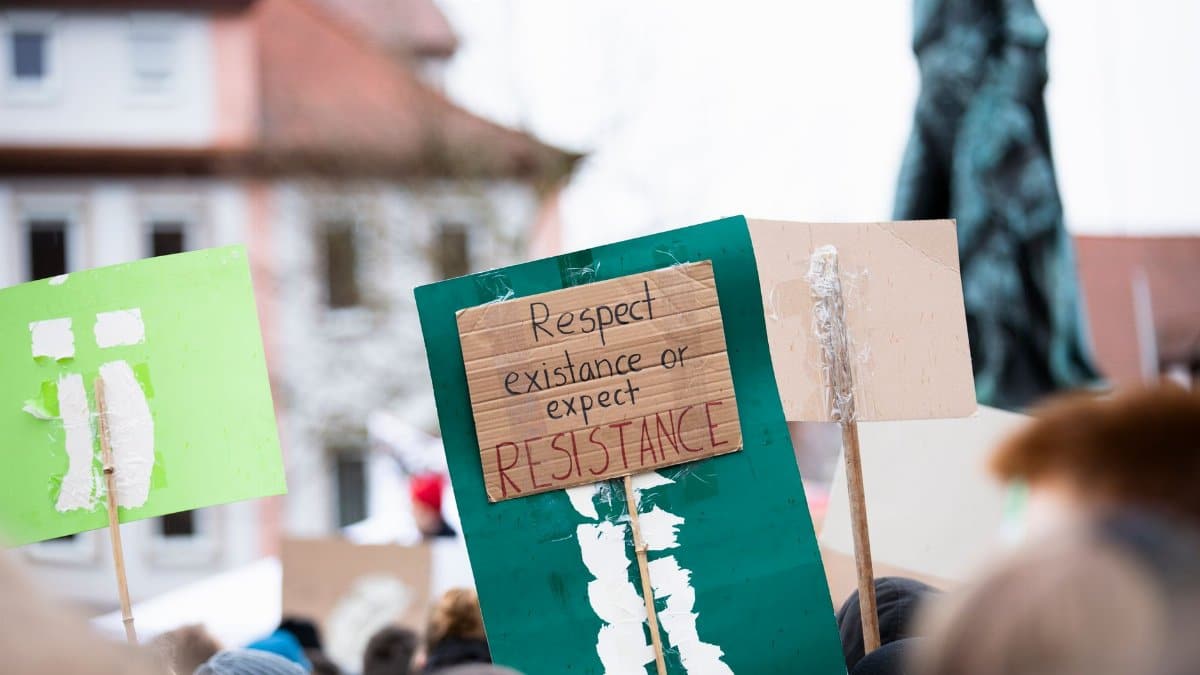
News of the San Bruno National Archives closure has already stirred historians, genealogists, and civic advocates who see the facility as infrastructure, not surplus space. Their argument is straightforward. The federal government collected these records because it exercised power over immigrants, landowners, and defendants. The least it can do is keep the evidence near the people most affected.
That argument will not automatically win against a savings target. It can, however, shape the terms of the move. Pressure can push for funded digitization of high demand immigration series, for traveling staff, for longer notice, and for a commitment that scans remain in California libraries. Access is negotiable even when the lease is not.
Immigration paperwork as a public trust
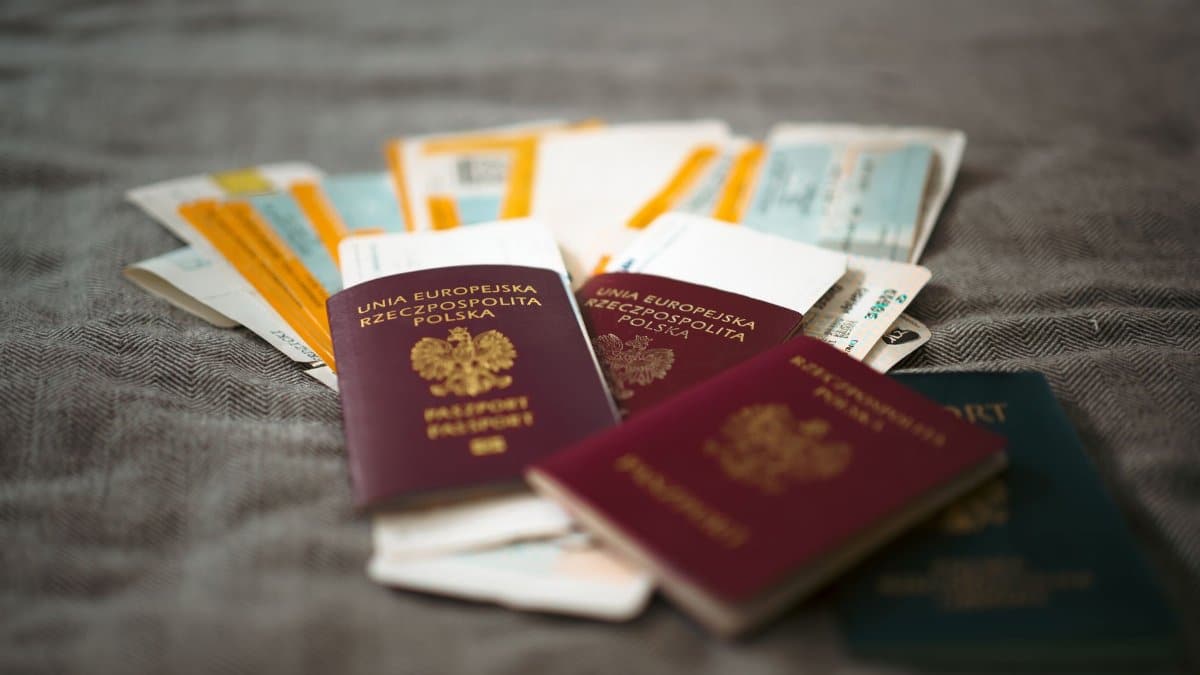
Immigration files are unusually intimate. They contain medical notes, witness statements, photographs, and sometimes accusations that were never proved. They also contain proof of presence that later generations need for citizenship questions, reparations research, or simple belonging. Treating them only as storage units misses the trust implied when the government required people to surrender their stories.
The San Bruno National Archives closure therefore lands harder than a shift of ordinary agency memos. These folders are often the state’s own record of exclusion. Relocating them without a robust plan for public use risks repeating, in a milder key, the distance those policies once imposed.
What researchers can still do
Nothing in the announced plan erases the legal right to request federal records. People can still write to NARA, still use online catalogs, and still ask reference archivists to pull specific files. Local historical societies, university libraries, and family history centers can pool requests so that one funded trip serves many questions. That cooperation will matter more, not less, if the boxes leave.
It also helps to request records by precise citation rather than by a broad hope. A file number, a court case, a ship, a year: those details let staff in Kansas City work efficiently.
Memory pilgrimage and a thinner commons
There is a reason people speak of archives in a near spiritual register, even when they are not religious. A reading room is a kind of commons. Strangers sit beside one another, each chasing a private name inside a public system. The closure will not end that practice. It will make the pilgrimage longer and, for some, impossible.
Saving more than $4.7 million is a real public good if the money protects records elsewhere. It is a thinner good if it purchases neat shelves and empties a regional room where immigrants’ grandchildren learned to read the government’s handwriting. Stewardship includes climate control and payroll. It also includes the simple fact of being near.
A decision that should stay visible
The next years will show whether this relocation is managed as a technical shipment or as a civic event. Residents of the Bay Area deserve schedules, not rumors. They deserve to know which series will be scanned before they leave, which will be dark for months, and which questions can still be answered by mail. Transparency will not restore the short drive from the city to San Bruno.
The records of arrival on this coast have already survived wars, fires, and the indifference of earlier decades. They can survive Kansas City. Whether the public relationship to them survives is the question the savings figure does not answer.