
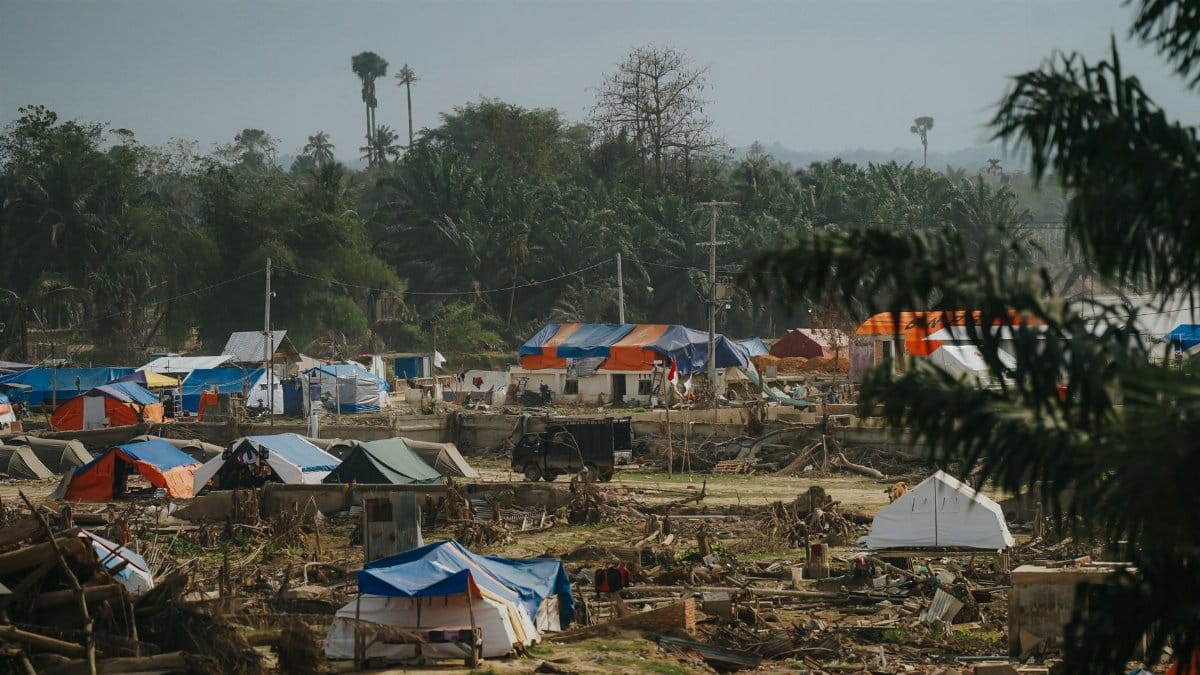
On a humid August evening south of Chicago, water rose over porch steps before families could carry photo albums upstairs. Roofs peeled back. Basements filled with a brown mix of rain and sewer backup. Months later the federal answer arrived in spare language that left little room for appeal in the moment: FEMA denies Illinois storm aid. For towns still hauling soaked drywall to the curb, the sentence felt less like a bureaucratic notice than a door closing.
What the August storms left behind
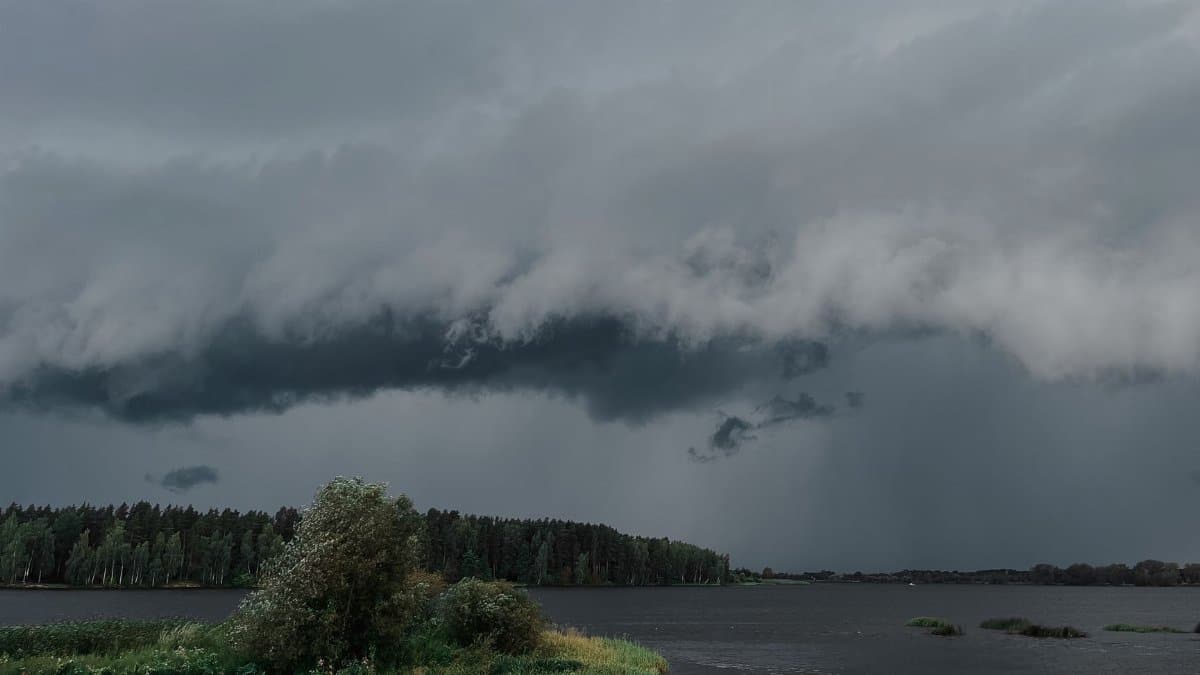
The storms swept across Cook County, Will County, and six other counties in a stretch of violent weather that state officials later judged severe enough to seek a major disaster declaration. Residents described wind that lifted shingles in sheets and rain that overwhelmed drains built for a calmer climate. In some blocks the damage looked scattered, a fallen limb here and a flooded rec room there. In others it clustered, turning whole streets into a single recovery project.
That uneven pattern matters. Federal disaster law is built to distinguish hardship from catastrophe. A family that loses a furnace can feel ruined. A region can still fall short of the thresholds Washington uses to decide whether national help is warranted. Illinois argued that the August outbreak crossed that line. The denial says the administration did not agree.
How a disaster request reaches Washington
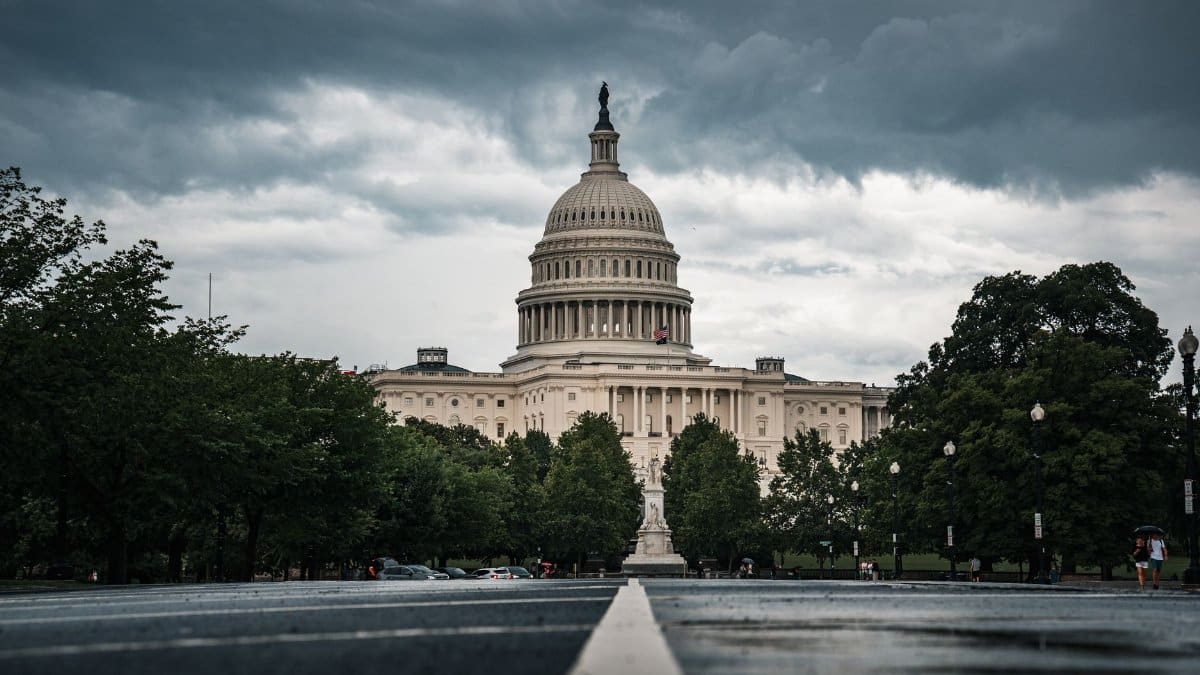
A governor does not simply phone for a check. State emergency managers survey damage, ask counties for estimates, separate insured losses from uninsured ones, and compare the totals with formulas that have guided declarations for decades. Public assistance covers roads, schools, and other government facilities. Individual assistance, when granted, can help households with temporary housing and essential repairs that insurance does not reach.
Illinois assembled that record after the August storms and sent it to the Federal Emergency Management Agency. Career staff review the packet. Political appointees sit above them. The final letter is short by design. It either opens the federal spigot or it does not. In this case it did not.
Why federal officials said no
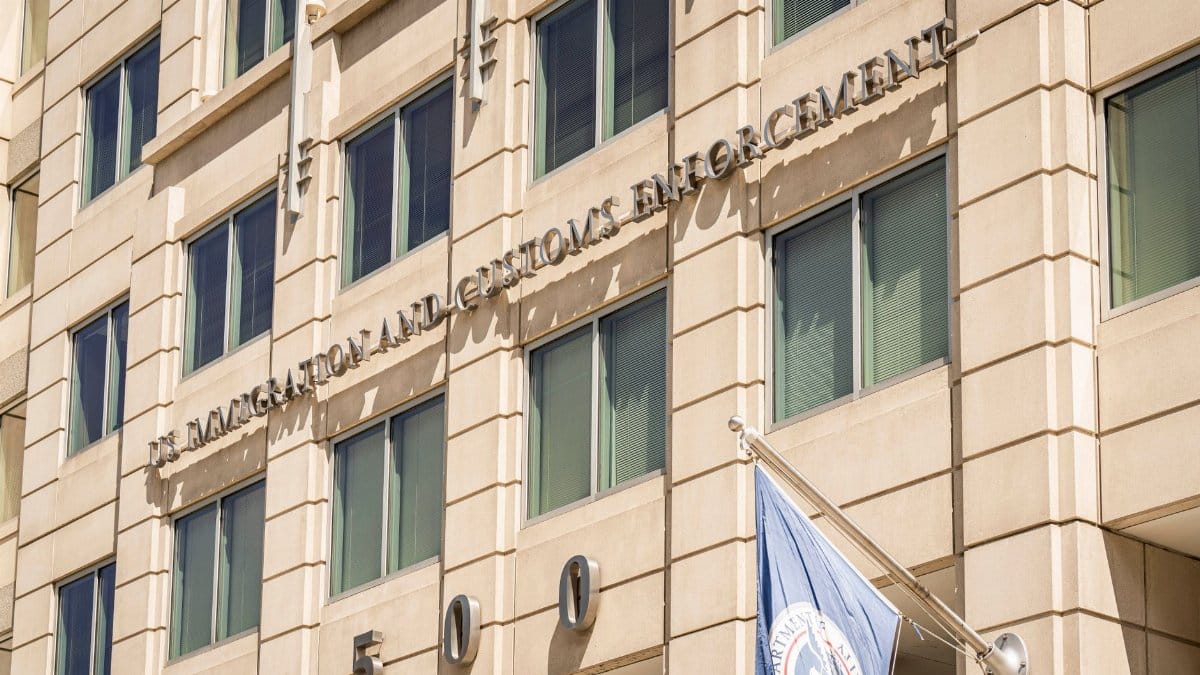
FEMA’s position, as described by state leaders relaying the decision, is that federal help is not warranted for the August storms. The agency did not dispute that people suffered. It disputed whether the suffering met the legal and fiscal test for a presidential declaration. That distinction is cold comfort in a wet basement, but it is the distinction the statute requires.
When FEMA denies Illinois storm aid, the practical effect is immediate. Counties cannot draw on the standard federal cost share for eligible public repairs tied to that request. Households cannot apply through the individual assistance portal that would have opened if the declaration had been approved. Local governments keep the bills they hoped to share.
The counties still counting losses

Cook and Will carry much of the region’s population and much of its aging infrastructure. Smaller counties in the request face a different math. A washed out culvert that is a rounding error in Chicago can consume a rural highway budget. State officials included those places because disaster math is supposed to look at the whole event, not only the biggest city.
Local emergency managers spent weeks walking properties, photographing foundations, and asking residents to document what insurers would not cover. Some of that paperwork now sits in filing cabinets with no federal program attached. The labor was not wasted if the state appeals or if a later review reopens the file. It feels wasted to people who filled out forms on kitchen tables still smelling of mildew.
What a declaration would have unlocked

A major disaster declaration is not a blank check, but it is a framework. It can reimburse a large share of eligible public costs, bring in federal specialists, and, when individual assistance is included, give households a place to apply for limited grants. It can also signal to nonprofits and insurers that the event is being treated as more than a local inconvenience.
None of that arrives automatically after a storm. It arrives after a yes. The no from Washington leaves Illinois with state programs, charity, insurance, and whatever municipal reserves survived the last hard year. Those tools are real. They are also smaller, slower, and more uneven than the federal package the governor sought.
How Springfield answered the rejection

State officials treated the letter as both a policy defeat and a political one. They argued that the damage surveys were thorough and that communities had done what the process asks. They also signaled that an appeal remains possible, a step that requires new evidence or a sharper case that the original packet was misread. Appeals succeed sometimes. They fail often. Either way they take time that wet houses do not have.
The phrase that traveled fastest was not a legal citation. It was the plain outcome: FEMA denies Illinois storm aid. In Springfield that line became a rallying point for legislators who want a sturdier state backstop when Washington declines. In county buildings it became a budget problem with a deadline.
The strain on local budgets

Towns do not pause payroll because a culvert failed. They divert money from paving schedules, park repairs, and hiring plans. Overtime for public works crews shows up in the same ledgers as lost sales tax from shops that stayed closed during cleanup. A federal cost share would not have erased those hits. It would have kept some of them from becoming permanent cuts.
Bond markets do not panic over one denied declaration. They do notice a pattern if a state keeps absorbing events that used to draw national help. Illinois already carries heavy pension and infrastructure obligations. Another season of self funded recovery narrows the room for everything else voters were promised.
Insurance gaps that grants sometimes fill

Homeowners with decent policies will rebuild faster than renters in garden apartments and seniors on fixed incomes. Wind claims and flood claims follow different contracts, and many people discover the difference only after the adjuster leaves. Federal individual assistance was never meant to replace insurance. It was meant to cover a narrow band of essential, uninsured need.
Without that band, the safety net is churches, township offices, and whatever state emergency dollars lawmakers can spare. Those channels help. They also ask neighbors to prove poverty in public, a ritual many families would rather skip. The denial does not create that indignity. It removes one alternative to it.
Congregations filling the quiet hours

In the weeks after the storms, basements of churches, mosques, and synagogues became sorting rooms for bleach, fans, and cots. Pastors and imams did not wait for a declaration to decide whether a soaked mattress counted as a moral emergency. Volunteers who know the block by name often reach people who will never file a government form.
That work belongs in any honest account of recovery, especially in a season when public aid is in doubt. It is also finite. Donation tables thin out once the cameras leave. Faith communities can companion the grieving and house the displaced for a while. They cannot rebuild a county road system or replace a school boiler at scale. Treating charity as a substitute for a declaration flatters neither the volunteers nor the families still sleeping upstairs.
Politics around a technical decision

Disaster declarations have always lived near politics, even when the paperwork looks technical. Presidents of both parties have been accused of favoring allies or punishing critics when the yes and no letters go out. Illinois, a state that has clashed often with President Trump, heard this denial through that history. Supporters of the administration answer that the formulas are the formulas, and that sympathy is not a statute.
Both claims can be partly true. A review can follow the manual and still land in a way that deepens distrust. When FEMA denies Illinois storm aid after a visible outbreak, residents do not parse cost thresholds. They ask who is seen and who is not. That question will outlast the appeal window.
What residents can still pursue

A denied request is not the end of every avenue. Insurers remain obligated to honor valid policies. State emergency management can point people toward existing housing, food, and small repair programs that do not require a presidential declaration. Counties can document further damage if hidden mold and foundation cracks appear after the first survey. Lawmakers can fund a state match or a direct appropriation if they choose to spend political capital that way.
None of those steps replicates the package that would have followed approval. They are the remaining map. People sorting through that map deserve clear language, not a shrug. The clearest sentence is still the hardest one: FEMA denies Illinois storm aid, and the work of recovery continues without the federal tools Illinois requested.
The larger question for the next storm season
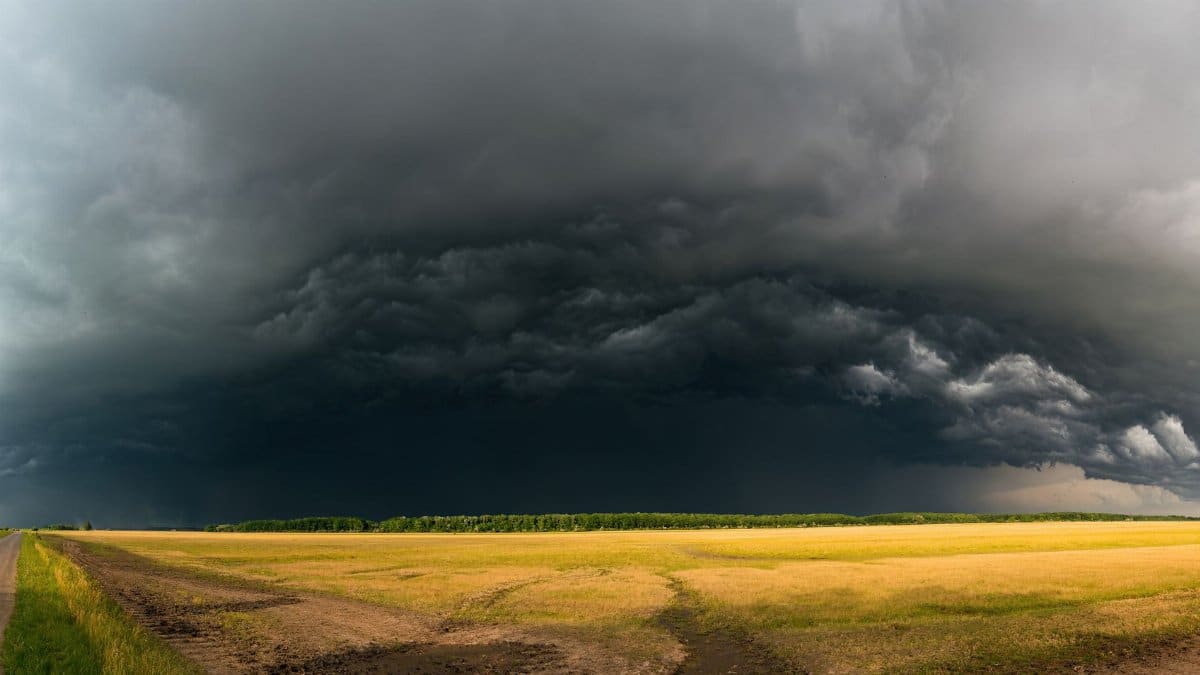
August will not be the last hard month. Heavier rains and sharper wind outbreaks are already rearranging what counts as a routine summer in the Midwest. If the bar for federal help rises while the weather grows rougher, states will face a choice between building their own disaster treasuries and accepting slower, patchier recoveries. Illinois is arguing that choice in public now because the letter forced it.
Readers far from Cook County should not treat this as a local quarrel. The same statute, the same agency, and the same political weather will shape the next request from a coast, a prairie, or a mountain town. A denial teaches every governor what evidence to gather and every household what not to count on. It also teaches a harder civic lesson: the difference between a storm and a disaster is not only what fell from the sky. It is who agrees to help pick it up.