

On a gray afternoon in Center City, the old Wanamaker Building still does what it has done for more than a century. It gathers people under a roof that once sold gloves, sheet music, and the idea of a modern city. A quieter kind of gathering is now being prepared upstairs. The Wanamaker Room event venue is planned as a 5,000 square foot addition, a project priced at $4 million and aimed at an opening in early 2027, set beside the Crystal Tea Room. For a building that already knows how to host a crowd, the new room reads less like a rupture than another chapter in a long habit of assembly.
A room added to a building that already hosts memory
Philadelphia has no shortage of rented halls, hotel ballrooms, and converted warehouses with string lights and a bar in the corner. What this project offers is location inside a landmark that still organizes the emotional map of Market Street. Shoppers, organ listeners, office workers, and wedding guests have all passed through the same stone shell. Adding a purpose built event room does not erase that layered use. It makes the private gathering an official part of the building rather than an occasional tenant of leftover space.
The price tag, $4 million, is modest beside the cost of a new tower and large beside the budget of a neighborhood nonprofit. It sits in a middle register that city watchers should take seriously. This is not a speculative skyscraper. It is a bet that people will keep paying to mark important days inside a historic interior, and that the building can earn its keep by hosting those days with more intention.
What early 2027 actually means

An opening set for early 2027 is close enough to feel real and far enough to absorb delays. Construction beside an operating landmark is rarely a straight line. Historic fabric, elevator capacity, fire rules, and the simple problem of moving materials through a building that was not designed as a construction site can all slow a calendar. Readers should treat the date as a public commitment rather than a guarantee carved in stone.
That commitment still matters. Event planners book seasons ahead. A named room with a stated size and a neighboring hall already famous in the city gives couples, corporations, and civic groups something to put on a short list. Until doors open, the promise is mostly architectural and financial. After they open, it becomes a test of service, acoustics, kitchens, and whether the room feels like Wanamaker or like a generic suite that happens to share an address.
The Crystal Tea Room as neighbor, not rival
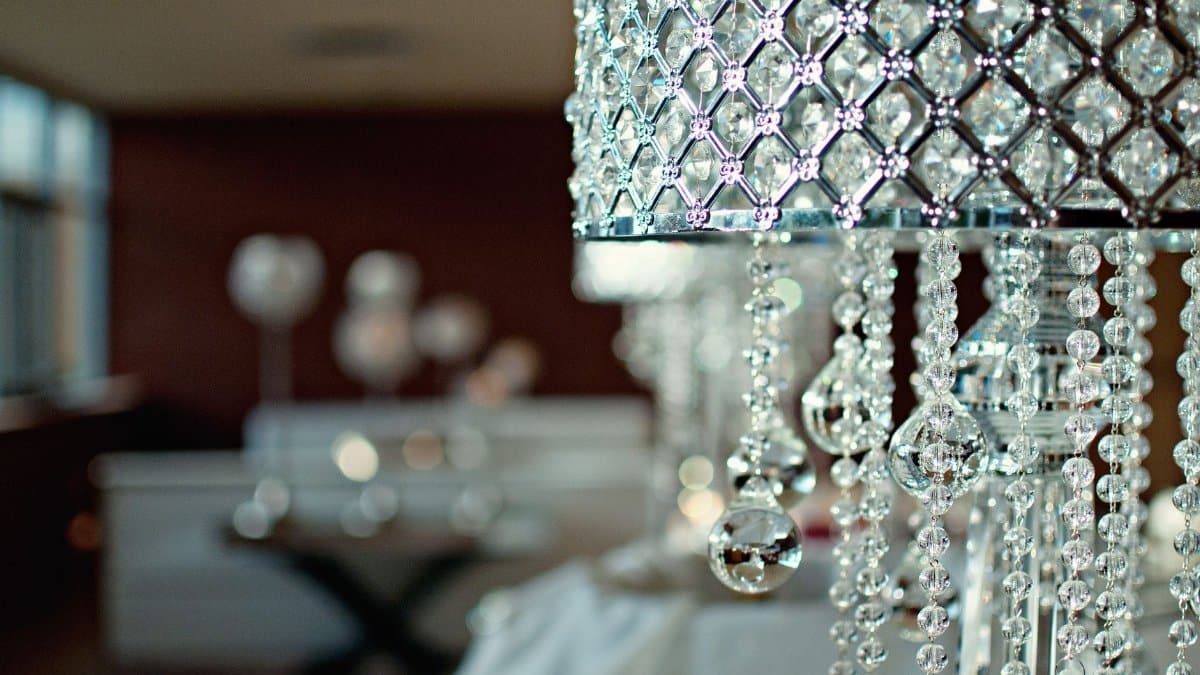
The new space is described as sitting beside the Crystal Tea Room, which is the detail that gives the project its local meaning. The Tea Room has long been one of the city’s ceremonial addresses, a place associated with luncheons, galas, and the slightly formal pleasure of being above the street in a grand old store. Placing another room next to it suggests a campus of gatherings rather than a single ballroom that must stretch or shrink for every client.
Neighbors of this kind can complement or cannibalize. A smaller or differently proportioned room can take the meetings, rehearsals, and receptions that do not need the full theater of the Tea Room. It can also give a large event a second chamber for speeches, quiet conversation, or a meal that should not compete with a dance floor. The commercial question is whether the building can sell both rooms on the same night without making either feel like an overflow closet.
Five thousand square feet and the scale of a gathering
Five thousand square feet is a human number if you have ever tried to seat a crowd. It is large enough for a substantial reception and small enough that a thinly attended function will not rattle around like a convention in an empty arena. Scale is a moral fact as well as a logistical one. Rooms that dwarf their guests make celebration feel corporate. Rooms that pinch them make ritual feel rushed. The announced size aims at the middle, which is where most Philadelphia gatherings actually live: not stadium spectacles, not living room dinners, but the weddings, retirements, fund raisers, and award nights that stitch a city together.
Furniture, sight lines, and ceiling height will decide whether that square footage feels generous. A plan on paper cannot tell you if a toast will land or if a string quartet will fight the air handling. Those judgments wait for the finished room. What can be said now is that the developers, whoever stewards the lease and the fit out, have chosen a size that matches the building’s tradition of hosting many people without pretending to be a stadium.
Money, maintenance, and the cost of staying grand

Historic buildings do not stay grand by sentiment. They stay grand because someone pays for elevators, roofs, plaster, and the unglamorous systems that guests never praise unless they fail. A $4 million event room is, among other things, a revenue strategy. Ticketed organ programs and office rents have their own logic. Private events bring a different stream: deposits, catering minimums, weekend premiums, and the repeat business of institutions that like a reliable address.
There is a civic bargain buried in that strategy. If private celebrations help keep a public landmark solvent, the city gains a building that does not slide into vacancy. If the bargain tilts too far, the landmark becomes a backdrop available only to those who can write the check. Philadelphia has watched both outcomes. The honest frame for this project is not nostalgia and not cynicism. It is a question of whether a new room widens the building’s usefulness or merely monetizes its aura.
Gathering as a civic and spiritual habit
The category of news that tracks belief and communal life has a stake in rooms like this, even when no pulpit is installed. People still need places to promise, to mourn, to thank a colleague, to raise money for a cause that will not fit in a group chat. Those hours are not church, and they are not nothing. They are among the remaining rituals that ask strangers to dress with care and sit in one room until a shared story is finished.
A department store once trained the city in a different ritual, the stroll past counters under a decorated ceiling. Event space trains a related habit: arrival, greeting, a meal, a speech, departure into the night. The Wanamaker Room event venue will succeed spiritually, in the modest sense of the word, if guests leave feeling they were present to one another rather than processed through a package. Architecture can help. Hospitality decides.
Design pressure inside a famous shell
Any new room in this building will be judged against memory. Visitors carry images of the grand court, the organ, the eagle that children were told to meet under, and the Tea Room’s own ceremony of linen and light. A fresh interior that ignores those memories will feel imported. A fresh interior that copies them will feel like a theme park. The harder path is a room that is clearly of this century and clearly of this address.
Materials will do much of that work. Stone, wood, plaster, and glass each carry a different promise about durability and noise. Lighting will do the rest. Event rooms fail when they offer one cruel overhead wash and succeed when they can dim for a toast and brighten for a lecture without looking like a television studio. None of those choices have been published in enough detail to review. The standard, though, is already public, because the building itself is the standard.
Who is likely to fill the calendar

The likely clients are not a mystery. Law firms, hospitals, universities, and cultural boards already rotate through Center City hotels. Families planning weddings look for a room with a story they can tell relatives from out of town. Political committees and professional associations want a downtown address that photographs well and sits near transit. A new room beside a known hall can enter that rotation if pricing, catering rules, and load in access are sane.
Competition is real. Hotels sell packages that include bedrooms. Museums sell distinction. Restaurants sell intimacy. The Wanamaker advantage is continuity. Guests can say they celebrated in the building where the city once shopped for Christmas and still gathers to hear the organ. That sentence is worth money only if the night itself is competent. A famous address cannot rescue a cold entree or a microphone that fails during the only speech that mattered.
What the public still does not know
A responsible account of this project has to mark the blanks. The announcement establishes size, cost, timing, and adjacency to the Crystal Tea Room. It does not, in the facts available here, settle the full design team, the catering model, the rental rates, or how the room will share corridors and elevators with whatever else occupies the building on a given day. Those omissions are normal at the start of a fit out. They are also the difference between a press milestone and a place you can book.
Neighbors and preservation advocates will want to know what is touched and what is left alone. Event planners will want floor plans, ceiling heights, and a clear answer on whether the room can be combined with the Tea Room or must stand apart. Until those answers arrive, praise and worry should both stay proportional. A $4 million room is a serious alteration of how the building earns and how it is used. It is not, by itself, a verdict on the building’s future.
A landmark that keeps learning how to be occupied
Department stores receded. Offices arrived. Cultural programming found a home around the organ. Private events never fully left. The next step, a dedicated room opening in early 2027, fits that pattern of adaptation. Cities that love their old commercial palaces have to decide whether love means freezing a postcard or funding a use that keeps the lights on. Philadelphia has generally chosen use, sometimes clumsily, sometimes with real care.
The Wanamaker Room event venue will be judged on that standard. If the room is beautiful, bookable, and honest about the building around it, the $4 million will look like maintenance of a civic habit rather than a novelty. If it is merely expensive square footage with a historic name on the contract, the city will have gained another hall and lost a chance. The building has hosted both kinds of ambition before. Early 2027 will show which one got the commission this time.