
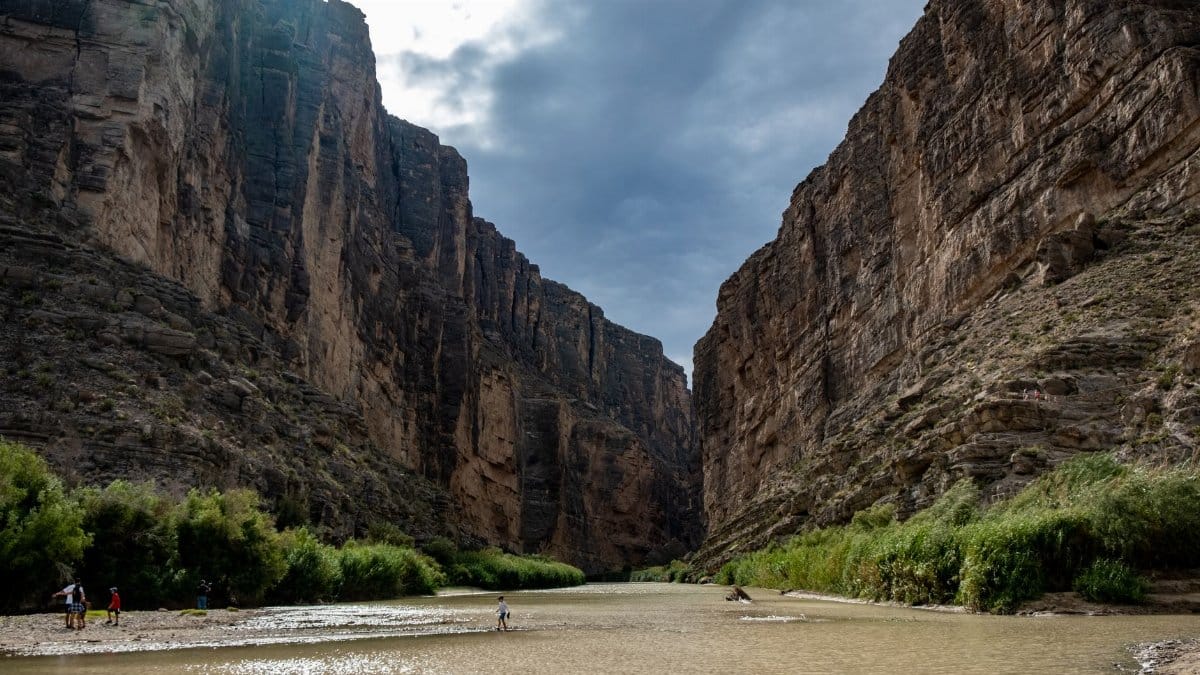
At dusk the Rio Grande narrows to a brown ribbon between canyon walls, and the only sound is wind moving through creosote. Rangers in Big Bend National Park have spent the summer answering the same question from visitors and neighbors: whether steel will soon interrupt that view. A decision on Big Bend border construction is expected in early October, after officials paused plans for six weeks to weigh vehicle barriers inside one of the most remote parks in the country.
A calendar reset, not a settled fight

The pause did not erase the project. It moved the argument into a shorter window. Agency staff, park advocates, and border officials have used the weeks to trade maps, traffic counts, and comments from people who live hours from the nearest city. Early October is when that paper is supposed to become a choice: proceed with barriers meant to stop vehicles, revise the route, or send the plan back for more study.
People who follow federal land decisions know that a date on a calendar is not the same as a signature. Lawsuits, appropriations, and shifts in Washington can still stretch a timeline. Even so, the date matters because it forces a public answer. Silence has been the default in a park where cell service fails and news arrives late.
What the barriers are supposed to do
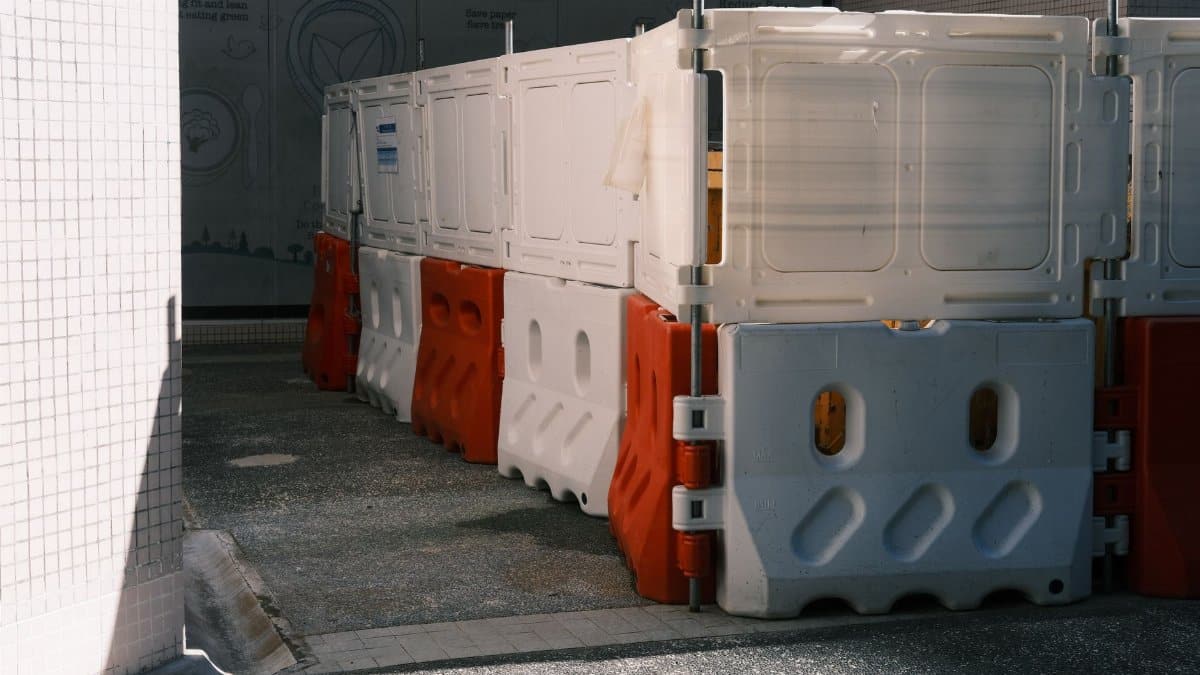
Vehicle barriers are not the tall pedestrian wall that dominates photographs from other stretches of the southern line. They are lower structures, often bollards or rail, meant to block trucks and cars from leaving the river road and cutting across park land. Supporters say the design matches the terrain. Much of this country is already hard to walk, and the practical problem, they argue, is vehicles that can cover miles of desert before anyone sees them.
Critics answer that a barrier is still a barrier. Once steel is set in concrete, it changes how animals move, how floods behave, and how a national park looks to the people who came for emptiness. The fight is less about a single height measurement than about whether a wilderness park should host permanent security hardware at all.
Why this corner of Texas is different
Big Bend sits where the river bends south and the Chihuahuan Desert climbs into mountains. Towns are small. Distances are long. Crossings here have never resembled the urban ports farther east or west. For decades, federal policy treated the park as a place where geography did much of the work that fencing does elsewhere.
That assumption is now under pressure. Officials point to smuggling routes that shift when other sectors tighten. Local residents point to the same maps and see a place where a wall, or even a line of rails, would scar land that Congress set aside for a different purpose. Both descriptions can be true at once. Remoteness slows an incursion. It also slows a rescue, a fire crew, and a maintenance truck.
The park as a civic argument
National parks carry a promise that is easy to state and hard to keep: the public owns something that should outlast a single administration. Big Bend border construction tests that promise because the park boundary and the international boundary are not the same line in every mind, even when they nearly coincide on a map. Visitors from Houston and Dallas drive eight hours for stars and silence. People in Study Butte, Terlingua, and Presidio live with the consequences every week, including the jobs that federal projects bring and the restrictions they impose.
I have stood on the river road at noon when the heat makes the distance shimmer, and the argument feels less abstract there than it does in a hearing room. The land does not take sides. The people who speak for it do, and they do so with real stakes: livelihoods, safety, and a landscape that cannot be rebuilt if the wrong choice is poured in concrete.
Wildlife, water, and the dark sky
Biologists who work this desert talk about corridors more than about single species. Mountain lions, black bears, and smaller mammals use the river and the side canyons as travel routes. A continuous barrier can pinch those routes even if gaps are left for drainage. Floods on the Rio Grande are sudden. Structures that catch debris can redirect water onto roads and habitat that were stable before.
The park is also an International Dark Sky place, a designation that depends on the absence of light as much as on the presence of stars. Construction brings temporary lighting, generators, and traffic. Permanent barriers bring patrol roads and, often, more illumination over time. None of that is a reason to ignore security. It is a reason to ask whether the design on the table treats darkness, flood, and animal movement as constraints or as afterthoughts.
Neighbors who do not share one sentence
Ranchers near the park have described cut fences and nighttime traffic for years. Some want a physical line they can see and maintain. Others fear that a federal project will bring more agents, more roads, and more attention to land they would rather keep quiet. In river towns, shop owners worry that headlines about a wall will scare off the visitors who keep cafes open in winter.
Across the river, communities in Mexico watch the same bend and hear a different story about sovereignty and neighborliness. A decision made in Washington lands on both banks. The early October deadline will not settle that cross border feeling. It will only decide what steel, if any, appears on the American side first.
Memory of earlier wall fights
This is not the first time Big Bend has been drawn into a national border plan. Earlier proposals for fencing in the park drew fierce pushback from conservation groups, some local officials, and members of Congress who argued that the park was the wrong place for a showcase project. Those fights left a record: environmental reviews, public comments, and a habit of delay.
The current pause sits in that history. A six week stop can look like caution or like politics, depending on who is speaking. What it cannot do is erase the earlier record. Any choice in October will be read against years of promises that this particular landscape would be handled with more care than a straight line on a spreadsheet.
Law, land, and who gets to say no

Much of the relevant ground is already federal. That simplifies acquisition and complicates accountability. When the builder and the landlord are arms of the same government, the internal argument over mission becomes the real contest. Park law asks managers to conserve scenery and wildlife. Border statutes ask other agencies to control entry. Neither statute cancels the other. The October decision is, in practice, a choice about which duty leads.
Public comment periods and environmental reviews are the tools ordinary people have. They are slow, and they frustrate everyone who wants a quick yes or a quick no. They are also the difference between a project that can survive a court and one that collapses after the cameras leave. Readers who care about the outcome should watch the administrative record, not only the press release.
Money, crews, and the practical sequence

Even a yes would not mean barriers next week. Contracts, staging yards, and access roads take time in a park where the nearest hardware store is a long drive. A no, or a demand for redesign, would send engineers back to elevations and flood models. Either path spends public money. The question is whether that money buys a tool that works in this terrain or a symbol that photographs well and functions poorly.
Workers who would build the line are not abstractions. In a region with few large employers, a construction season is income. So is a full campground. A honest account has to hold both facts. Big Bend border construction is a security proposal, an environmental proposal, and a local economy proposal at the same time.
How to read the October answer

When the decision arrives, the useful questions are concrete. Where, exactly, would barriers stand? How wide are the gaps for water and wildlife? Who maintains them after the contractors leave? What happens to visitor access on river roads? What standard will officials use, a year from now, to say the project worked?
A vague announcement that praises both security and stewardship should be treated as incomplete. This landscape punishes vague plans. Heat, flood, and distance expose weak designs faster than a press conference can explain them.
Faith, place, and a political deadline

In pews and kitchen tables across West Texas, people talk about this country in language that is older than any agency memo. Some call the desert a gift. Some call the border a duty. The category of spiritual concern is not a substitute for policy, but it explains why the argument feels personal. A park is a kind of commons. To alter it is to alter what a generation hands to the next.
That does not tell the administration which box to check. It does explain why a six week pause drew so much attention in a place with so few people. Residents are asking to be treated as stewards, not as obstacles. Visitors are asking that a drive across the state still end in a view that feels unowned by the news cycle.
What remains unsettled after the date

Early October can produce a decision. It cannot produce consensus. If barriers move forward, lawsuits and monitoring will follow. If they do not, pressure will shift to other sectors and the park will remain a symbol for those who wanted a harder line. Big Bend border construction will keep surfacing whenever national politics needs a picture of resolve or of restraint.
The better measure is quieter. Does the river road stay passable for families and for rangers? Do animals still find the canyons? Do neighbors on both banks recognize the result as something a democracy can defend in daylight? Those tests take longer than a news cycle, and they are the ones worth keeping.