
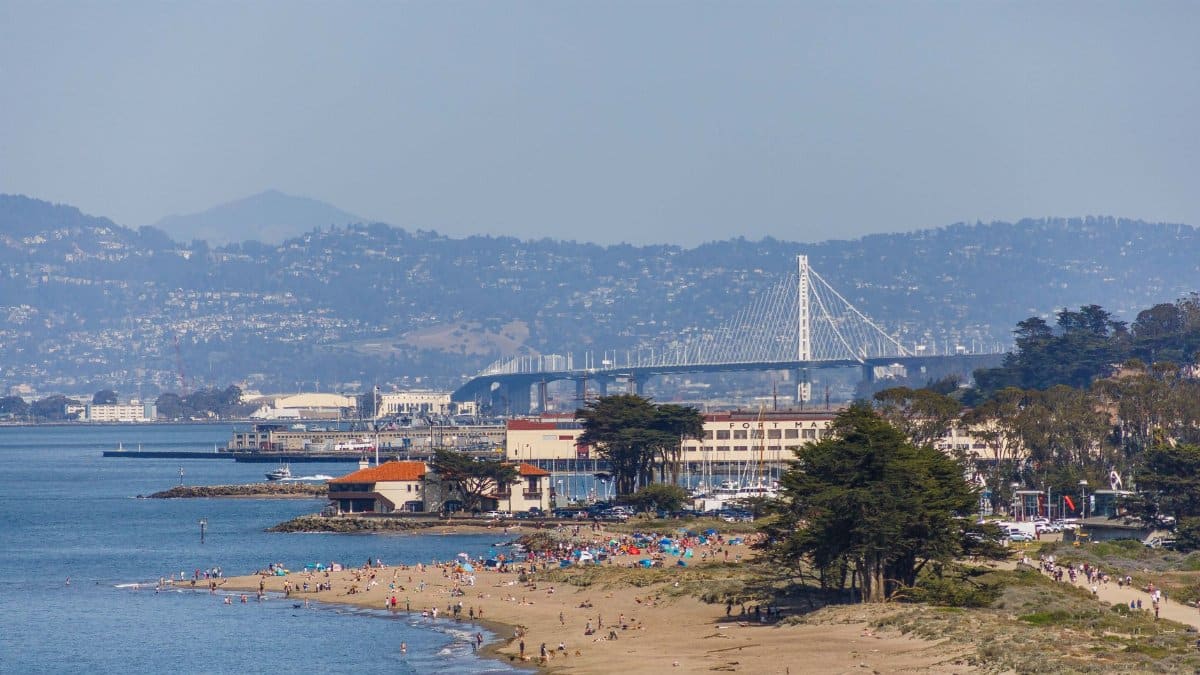
On a Sunday meant for errands, ballgames, and a late breakfast outside, the warning landed before the heat fully did. The National Weather Service widened a Bay Area heat advisory, extending concern from the afternoon through Sunday night and into Wednesday. For a region that still talks about weather as fog, wind, and a jacket in the car, the shift can feel abstract until a room stops cooling after sunset. Inland valleys warm first. Hills follow. Apartments built for milder decades keep the warmth long after the sun drops. By early afternoon the practical question is not whether the weekend looks bright. It is who can stay safe without much money, time, or a spare room that faces the shade.
A warning that grew with the day
Advisories are not dramatic in the way a wildfire evacuation is dramatic. They are a public signal that ordinary plans may become risky if people treat the day as usual. When forecasters widen the map, they are saying the risk is no longer confined to one valley or one county line. A Bay Area heat advisory of this reach asks commuters, coaches, caregivers, and people living alone to adjust before discomfort turns into illness. The Chronicle and other local desks have tracked the expansion as Sunday turned hotter, with the alert holding into midweek rather than expiring at dusk. That longer window matters. Heat that lasts several days gives buildings, bodies, and power systems less chance to recover overnight.
Inland heat and a milder coast
The Bay Area rarely heats in one uniform way. A marine layer can still dull the immediate shoreline while Concord, Livermore, San Jose, and parts of the North Bay climb into ranges that feel punishing in direct sun. San Francisco may seem merely warm on the same afternoon that an inland parking lot radiates heat back into the air. That split invites bad judgment. Someone who feels fine near the water may assume a relative farther east is fine too. The advisory exists in part to close that gap in perception. Wind, cloud cover, and the angle of a particular street can change the experience from block to block, which is why a regional alert is blunt on purpose. It is meant to cover the places where the margin for error is smallest.
Bodies under strain

Heat illness does not require a record. It requires a body that cannot shed warmth fast enough. Older adults, infants, people with heart or kidney disease, and anyone on medications that affect sweating or fluid balance face higher risk. So do workers in kitchens, on roofs, in warehouses, and along roads where pavement adds its own temperature. Early signs are easy to dismiss: headache, nausea, cramps, unusual fatigue, skin that feels hot and dry or suddenly clammy. Confusion is a later and more urgent sign. Public health agencies have long urged people to treat those symptoms as medical, not as a reason to tough out the afternoon. Drinking water helps, but water alone does not fix a closed apartment or a shift that offers no shade.
Homes that hold the warmth

Much of the housing stock here was not designed for repeated hot spells. Victorian flats, postwar apartments, and mobile homes can trap heat in upper floors and west facing rooms. Air conditioning is common in some suburbs and scarce in others. Fans move air. They do not lower the temperature of a room that has already stored the day. Residents who can open windows at night and close blinds before the sun hits the glass often fare better than neighbors who leave a unit sealed out of habit or security worry. Renters may not control the building systems that would help. Landlords are not always quick to answer when a unit becomes unsafe. In those cases, a cooling center, a library, a mall, or a relative’s house is not a luxury. It is the plan.
Work that cannot move indoors

A widened advisory collides with jobs that do not pause for weather. Farm crews, construction teams, delivery drivers, and event staff still have schedules written in milder weeks. California workplace rules require water, shade, and rest when heat rises, yet enforcement depends on whether a worker feels able to speak up. Piece rate pay and tight delivery windows push people to skip breaks. A Sunday event, from a street fair to a youth tournament, can put volunteers in the same bind. Organizers who move start times earlier, add tents, and shorten sessions are not being fussy. They are reading the same alert everyone else received. The cost of canceling a game is smaller than the cost of a collapsed player on artificial turf.
Transit, errands, and canceled plans
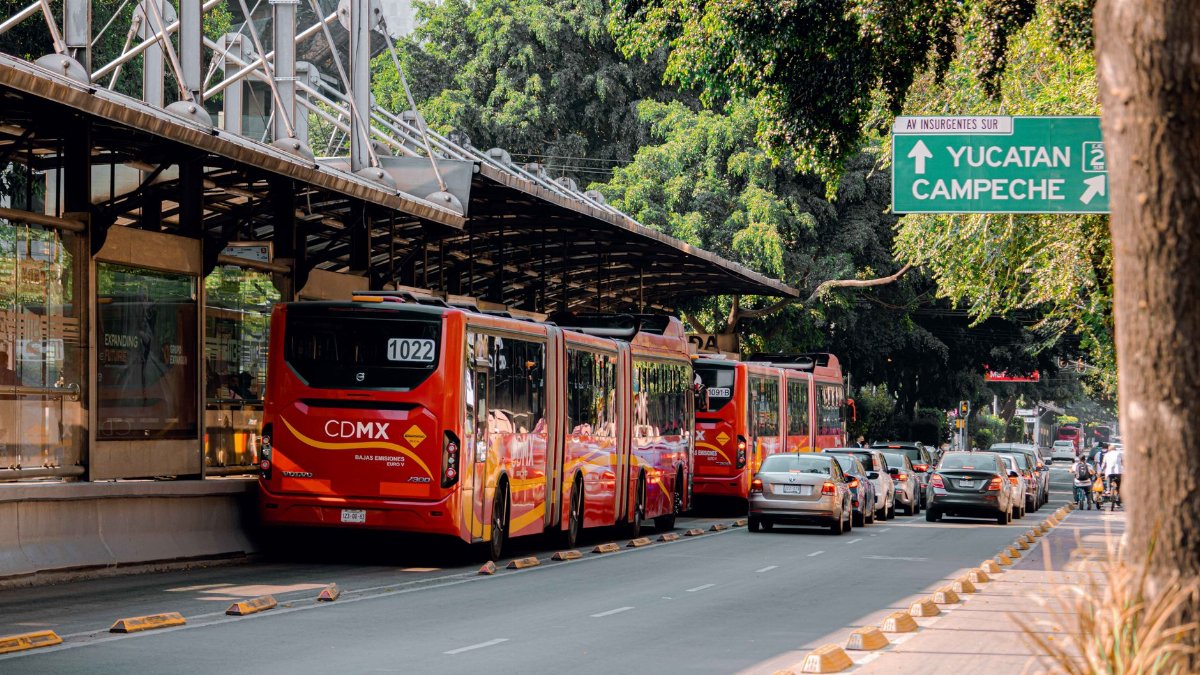
Public transit cars and station platforms can feel hotter than the forecast suggests, especially where shade is thin and trains run less often on weekends. A walk that is pleasant at 9 a.m. may be unwise at 3 p.m. Pharmacies, grocery runs, and church services still happen. The safer pattern is to shift them toward morning, to travel with water, and to check on anyone who might not ask for help. Pets left in cars remain a separate and entirely preventable danger. Pavement burns paws. Asphalt in a South Bay lot can injure an animal in minutes. None of this is new advice. It becomes newly relevant when an alert stretches from Sunday into Wednesday and people start treating day two as normal because day one did not end in disaster.
Cities, congregations, and shared rooms
Local governments typically answer these alerts with cooling sites, extended pool hours, and messages through alert systems. Libraries and community centers do quiet work that rarely makes a headline: a chair, cold water, a restroom, and a few hours out of a hot room. Congregations often do the same without calling it emergency management. A church hall, a mosque basement, or a temple community room can be the place an older member actually goes, because it is familiar and because someone there knows their name. That social fact matters as much as the thermostat. Isolation is a heat risk. A phone call in the late afternoon, a ride to a cooler building, or a neighbor willing to share a fan can matter more than another general tip posted online.
What the next few days may ask

The notable feature of this stretch is duration. A single hot Sunday can be endured with ice, early walks, and closed blinds. Several warm nights in a row raise the chance that people sleep poorly, skip medication schedules, and underestimate how depleted they feel by Wednesday. Power demand tends to climb as more households switch on whatever cooling they have. Grid operators watch that load. Residents should know where flashlights are and how they would stay cool if a local outage hits during the peak of the afternoon. None of that is panic. It is the ordinary competence a region needs when advisories stop being rare footnotes and start covering half the week.
Habits worth keeping after the advisory lifts

When the Bay Area heat advisory expires, the temptation will be to treat the episode as finished. The better habit is to notice what failed. Which room became unlivable. Which relative had no way to leave. Which youth practice had no shade. Which workplace treated rest as optional. Those details are the real forecast for the next hot spell, whether it arrives this month or next summer. Forecasters can widen a map. They cannot stock a refrigerator with water or persuade a proud neighbor to accept a ride. That work sits with households, employers, congregations, and city desks that already know the pattern: the coast looks fine, the inland counties do not, and the people with the least flexibility feel it first.