
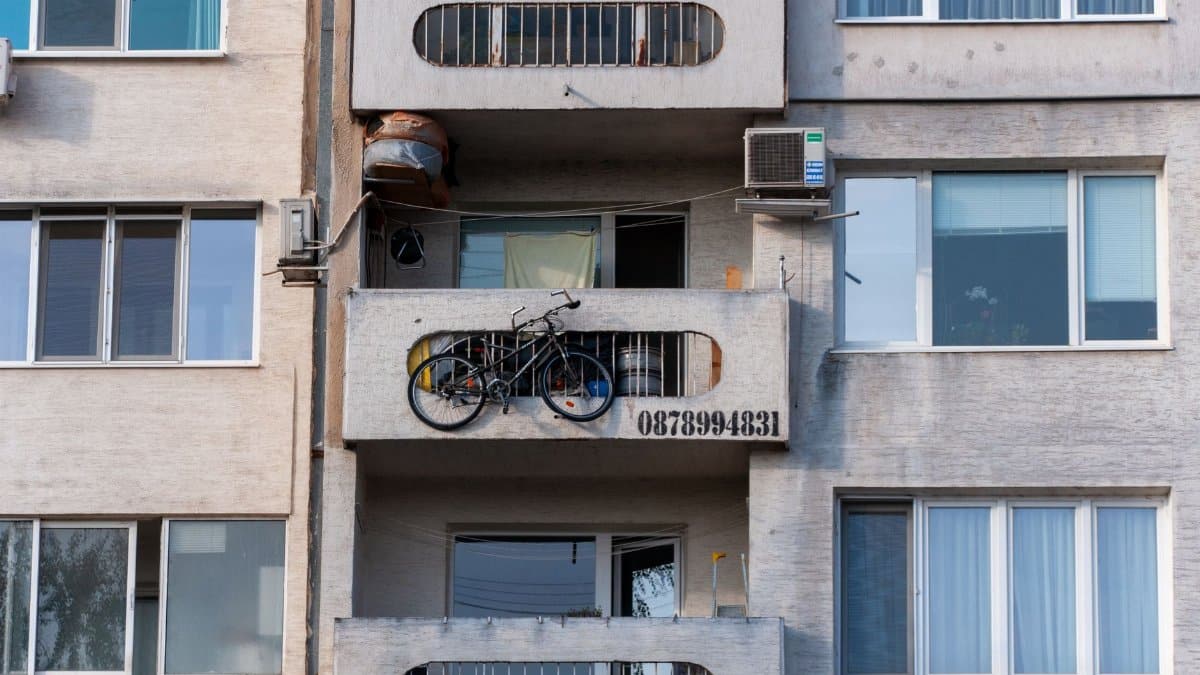
The stairwell filled before the sirens did. On Mission Street in San Francisco, residents of a six story building stepped into a morning that no longer belonged to coffee, commutes, or the small negotiations of shared walls. Firefighters ordered an evacuation after a bicycle battery ignited, turning an ordinary address into a temporary outdoor congregation of neighbors in whatever they had managed to grab. The SoMa bike battery fire was, in the narrow sense, a local emergency. In the wider sense it was a reminder that the machines we welcome indoors for convenience can rewrite the terms of safety in a single room.
What the morning asked of people

Accounts of the incident describe firefighters clearing a six story Mission Street building after a lithium iron bicycle battery caught fire. That sentence is spare, and spareness is part of the problem. It does not capture the pause at a locked door, the decision about a pet, the neighbor who knocks because the alarm sounds wrong, or the person who stays one minute too long looking for keys. Evacuation is a technical word for a deeply personal sequence. In a dense neighborhood like SoMa, that sequence happens in public. People meet one another on the sidewalk in robes and work clothes, suddenly equal before smoke.
I have stood on enough city sidewalks after small emergencies to know that the first stories are rarely complete. Someone says the fire was in a unit. Someone else says it started near a charger. A third person insists they smelled burning plastic before any alarm. Those fragments matter, but they are not a finding. What can be said with care is simpler. A bicycle battery failed in a residential building, and the response was to get people out. That choice reflects how these fires behave, and how little time a hallway offers once heat and gas begin to move.
Why a bicycle battery can empty a building
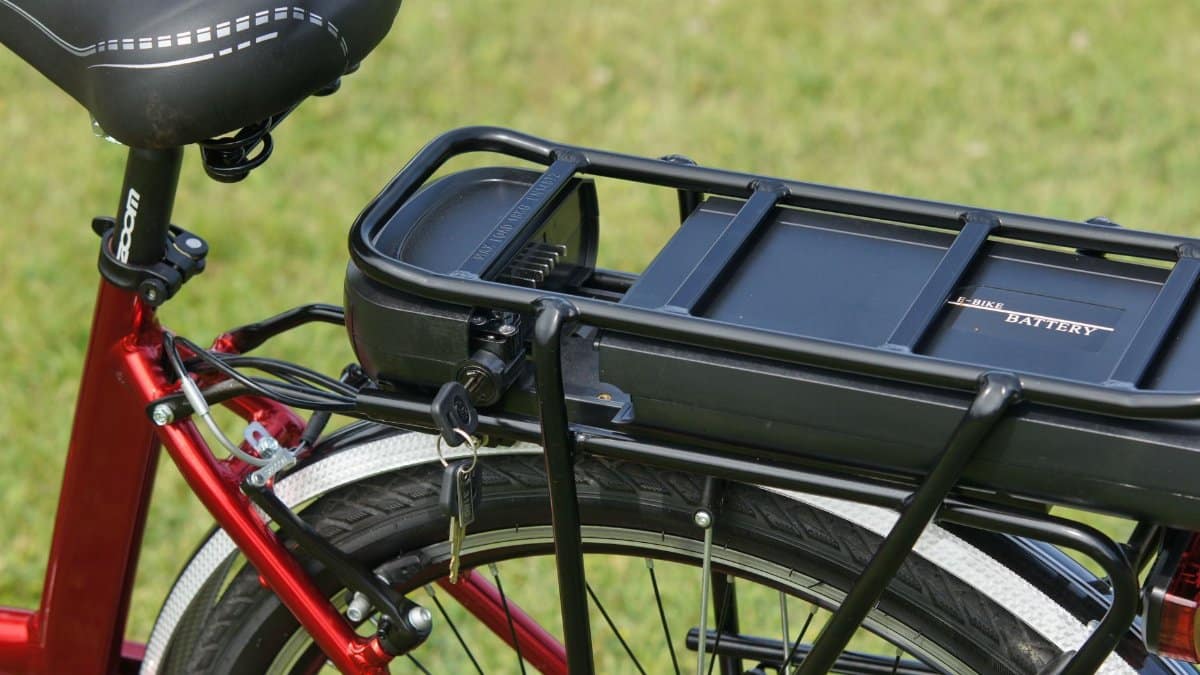
Most riders think of a battery as a quiet box that makes a hill easier. Firefighters increasingly think of it as a compact energy store that can fail in a way ordinary household fires do not. Lithium based cells, including chemistries sold under lithium iron descriptions, pack a great deal of power into a small case. When a cell is damaged, poorly made, overcharged, or pushed past its design, it can enter a runaway reaction. Heat in one cell drives the next. The pack can vent flame, dense smoke, and flammable gas. Water may knock down visible fire and still leave hot cells ready to flare again.
That is why a fire confined, at first, to a bicycle can still justify clearing an entire address. Smoke does not respect leases. In a six story building, stairwells are both escape routes and chimneys. If those routes fill, the incident stops being a room problem and becomes a building problem. Crews would rather explain an evacuation that felt larger than the flames than explain a delay. Residents, standing across the street, are entitled to feel that the response was abrupt. Abrupt is often the point.
The room where the bike sleeps

SoMa apartments are asked to do too many jobs. A studio may hold a bed, a desk, a kitchen, and now a vehicle that used to live in a garage or on a rack outside. Electric bicycles and cargo bikes have earned their place in San Francisco. They shorten trips that transit does not serve well. They spare people a car payment. They also introduce a charging routine into rooms never designed as workshops. A battery on a wood floor beside a curtain is not a moral failure. It is a spatial fact. The room is small. The bike is useful. The outlet is where it is.
Older and newer buildings share the constraint in different ways. Older stock may have fewer sprinklers, tired doors, and outlets that tempt the use of power strips. Newer stock may be tighter, with less air exchange, so smoke concentrates faster. Neither condition makes a battery fire inevitable. Both conditions make the consequences less forgiving. The SoMa bike battery fire sits inside that ordinary pressure, not outside it. The hazard is not exotic. It is domestic.
What crews are really managing
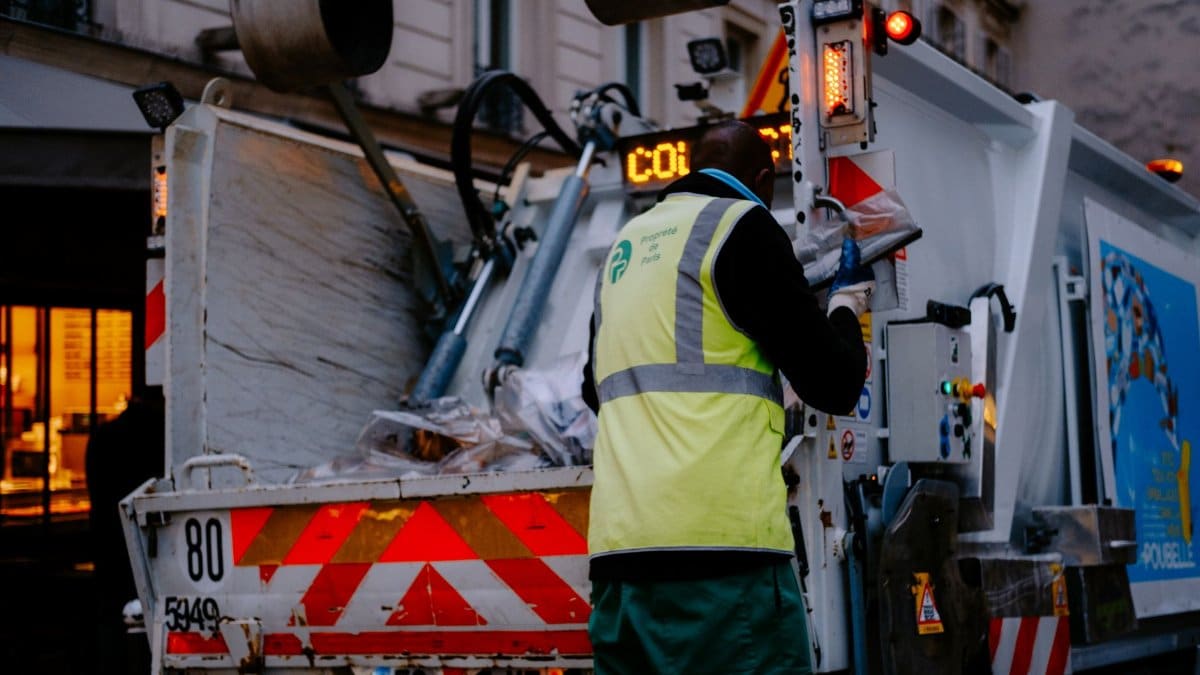
A battery call is not only a fire attack. It is a problem of duration. Crews must consider whether the pack can reignite after the first knockdown, whether toxic smoke has spread through a corridor, and whether a smoldering unit should be moved outside before it is truly quiet. Those judgments take time, and time is what evacuees feel as waiting. From the sidewalk, a calm scene can look like overreaction. Inside, firefighters are watching for the second event, the one that arrives after people have decided the danger has passed.
Departments across the country have spent recent years revising how they talk about micromobility fires. The lesson is consistent even when the local details differ. Treat a failing bicycle or scooter battery as a fire that can return. Do not move a hot pack through a crowded stairwell if there is another choice. Get occupants out early. None of that requires a dramatic inferno to be wise. A modest ignition in the wrong room is enough.
Charging habits that actually change the odds
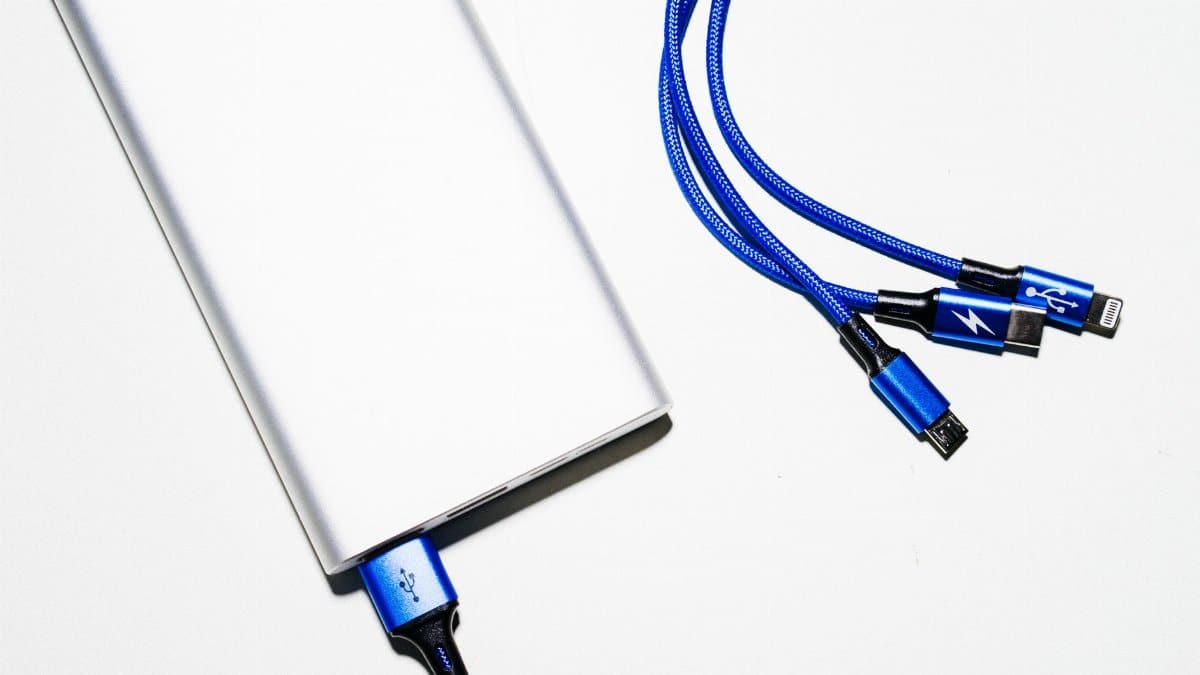
Prevention advice can sound scolding, which is a shame, because the useful parts are plain. Charge on a hard, clear surface, not on a bed, a sofa, or a pile of clothing. Use the charger that belongs to the battery. Unplug when the charge is complete, especially overnight, when no one is awake to notice a smell. Do not keep charging a pack that has been dropped, swollen, cracked, or unusually hot. If a battery hisses, smokes, or smells sharp and sweet at once, leave the room, close the door if you can do so without delay, and call for help from a safe place. Do not carry a venting pack down a stairwell past your neighbors.
Replacement batteries bought at a steep discount, or packs repaired with mismatched cells, deserve extra suspicion. A low price is not proof of danger, but a sealed box of stored energy is a poor place to gamble on unknown parts. Building managers can help without turning hallways into inspection regimes. Clear guidance about where bikes may be stored, outlets that are not daisy chained, and a simple way to report a damaged pack will do more than a poster no one reads. The SoMa bike battery fire will fade from the news cycle. The charger in the corner will not.
Who holds the responsibility

Blame is the easiest story and the least useful. A rider may have used a worn battery. A seller may have shipped a pack that would not survive a serious test. A landlord may have offered no storage except the apartment itself. A city may have encouraged two wheeled travel without matching attention to how those machines live indoors. All of those can be true in degrees, and none of them excuses a hazardous product. Responsibility in a shared building is layered. The person who plugs in the bike has the nearest duty. The owner of the building has a duty to the people who sleep above and beside that plug. Makers and importers have a duty that begins long before the battery reaches Mission Street.
Renters are in a particularly tight spot. They may not control the electrical system. They may fear that reporting a problem will be read as a complaint. They may rely on the bike for work and feel they cannot stop riding it while they wait for a replacement. A humane response from management is specific. Offer a place to isolate a suspect battery. Do not punish the person who raises an alarm. After an evacuation, explain what happened in language adults can use, including what is still unknown. Silence after the trucks leave breeds rumors, and rumors are a poor fire code.
A city that chose smaller vehicles
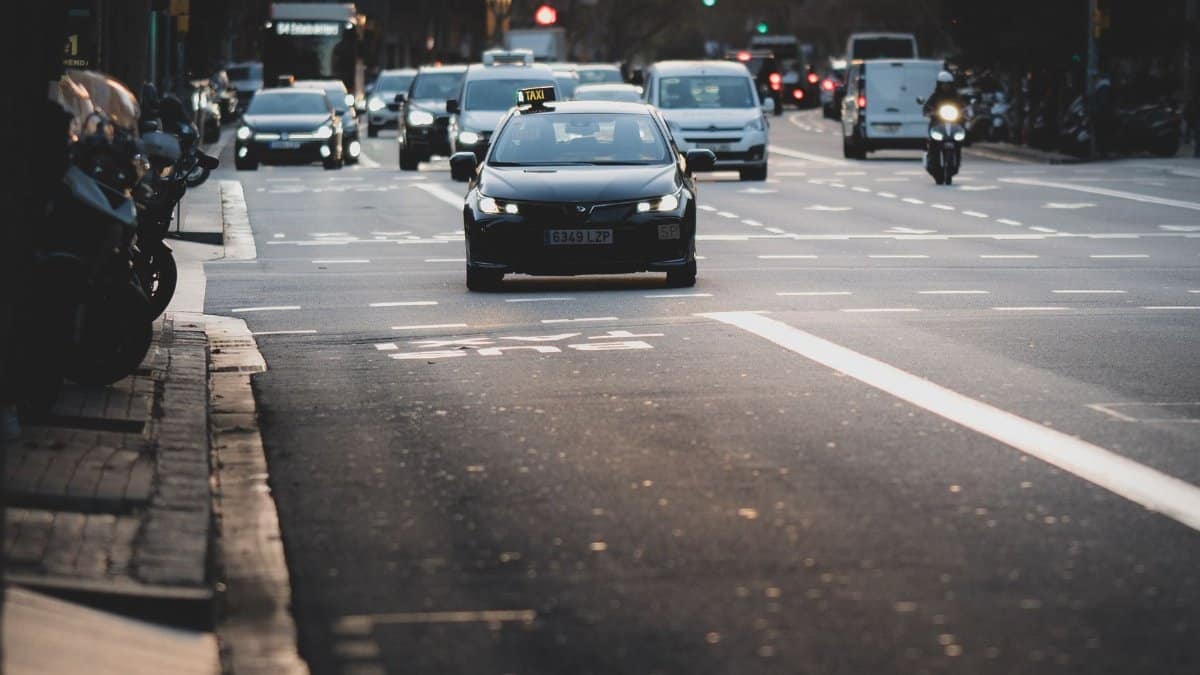
San Francisco has spent years trying to move more trips onto transit, feet, and bicycles. That project is not undone by one ignition. It is complicated by it. If people come to believe that an electric bicycle is a guest that might burn the building down, some will return to cars, and some will hide bikes in worse places rather than discuss them. Neither outcome serves safety. The better path is boring and local. Honest product standards. Sellers who can name the cells inside a pack. Buildings that treat charging as a design question rather than a violation. Riders who retire a battery the way they would retire a cracked helmet, without romance.
There is also a class dimension that feature stories sometimes skip. Delivery workers and night shift employees are more likely to depend on a single expensive battery and less likely to have a garage, a workshop, or a spare. A warning that says only buy certified equipment lands differently if the certified option costs a week of wages. Public conversation after the SoMa bike battery fire should include those riders, not only the residents who had somewhere else to wait out the afternoon. Safety rules that only the comfortable can follow are incomplete rules.
After the all clear
When firefighters release a building, the drama ends and the practical mess begins. Smoke odor in fabric. A hallway that needs airing. Questions about whether the electrical circuit is sound. A rider who may have lost the tool they use to earn a living. Neighbors who will listen, for weeks, for a sound that is not there. Insurance, if it exists, moves slowly. Friendship, if it exists, moves faster. Someone lends a coat. Someone holds a dog. These gestures do not restore a morning, but they are how a dense city proves it is more than stacked leases.
Journalism often leaves at the moment the street reopens. The more interesting hour is later, when people decide what to change and what to forget. Forgetting is understandable. A battery fire that injures no one in the first telling can be filed under luck. Luck is not a plan. The residents of that Mission Street building now hold a piece of knowledge the rest of the city still treats as abstract. They know how quickly a private object becomes a shared emergency.
A different kind of attention

It is tempting, in a city full of larger crises, to rank this incident as small. No skyline was threatened. Traffic resumed. The word trend does not belong on a single battery. Still, attention is a moral habit as much as a news judgment. The places where we sleep are the places we are least prepared to flee, and least willing to imagine as dangerous. A bicycle in the corner looks like virtue. Sometimes it is. The charge cycle is invisible until it is not.
Care, in this case, is not a sermon. It is a set of unglamorous choices. Retire the swollen pack. Do not charge under a pillow of coats. Tell the neighbor if you smell something sharp in the hall. Ask the building what the plan is before the next alarm, not after. If spiritual language has any use here, it is the old one about keeping watch, not the new one about personal brands. Watchfulness is unfashionable. It is also how people in close quarters remain neighbors rather than strangers who share a wall.
What readers can take from one address

The SoMa bike battery fire should not be inflated into a parable about technology in general. Batteries are not villains, and bicycles remain among the better ideas a city has had. The lesson is narrower and therefore more usable. Stored energy belongs in the same mental category as a stove left on, a candle, a space heater. Useful, ordinary, and capable of harm when the conditions slip. Buildings full of people deserve products that fail gently, and habits that assume they might not.
Firefighters did the clearest thing available to them. They emptied the building. The rest of the work sits with riders, landlords, sellers, and anyone who has ever glanced at a charger and decided it could wait until morning. Morning, on Mission Street, arrived anyway. It asked a simple question of everyone on the sidewalk. What are you willing to notice before the stairwell fills.