
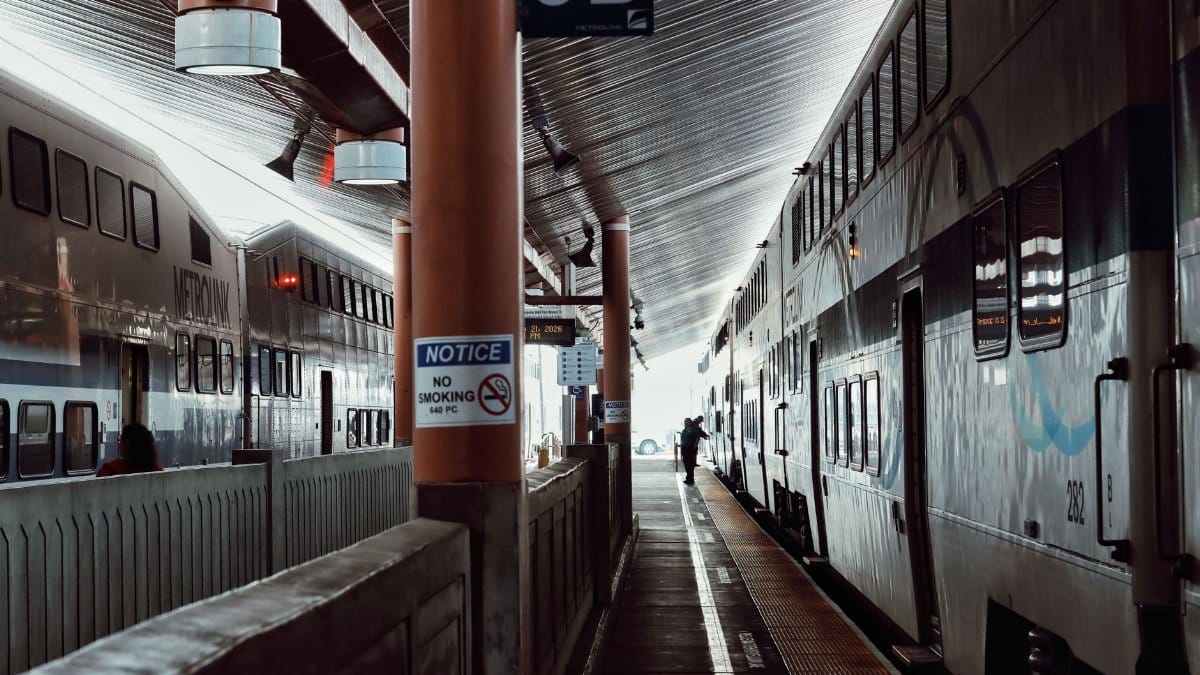
On a platform before sunrise, the board still lists the same train, the same counties, and the same cars that have carried office workers, nurses, and students for years. What changes on Monday is the price of stepping aboard. A daily pass that cost $15 will cost $19, and some tickets will climb by as much as 27 percent. For many regulars, the Metrolink fare increase lands less like a bulletin and more like a rearrangement of the month. It is the first such rise in 13 years, long enough for a fare to feel fixed, almost like part of the landscape between home and work.
A number that finally moved
Thirteen years is a long silence in the life of a public fare. Inflation did not pause. Wages in some trades rose and in others barely kept pace with rent. Fuel, insurance, parts, and labor all became more expensive while the price printed on a daily pass stayed put. Agency leaders tend to describe a freeze as a gift to riders. Riders tend to describe it as the reason the system still felt possible. Both can be true until the morning the number changes. A jump from $15 to $19 is not a rounding error. On a five day week it is $20 more before the month is over, and more than that for anyone who also buys weekend trips or pays higher fares on longer runs. The ceiling of 27 percent matters because Metrolink is not one price. It is a web of distances, from short hops inside a single county to long rides that cross the region. The largest increases will not be felt evenly.
What a daily pass used to buy
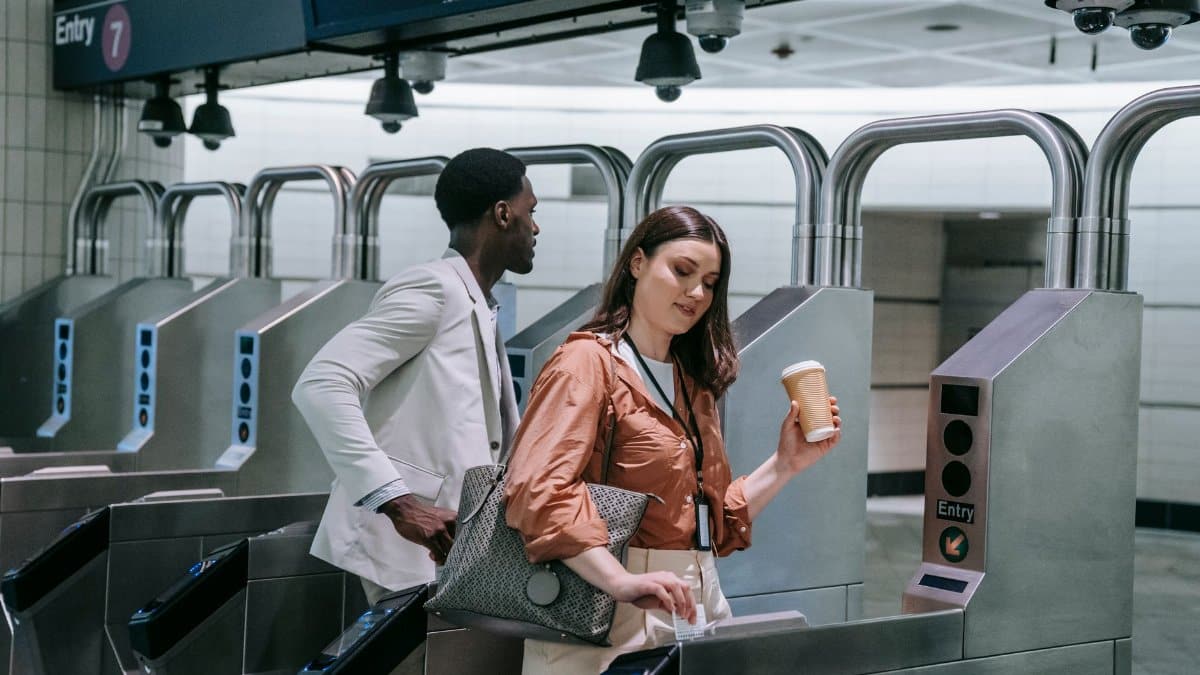
For years the $15 daily pass was the psychological anchor of the system. It was simple enough to remember and, for many shorter trips, cheap enough to defend against driving once parking, fuel, and frayed nerves were counted. Nineteen dollars does not destroy that case. It does narrow it. A rider who was barely ahead of the car may now be even. A rider who was clearly ahead still saves time, but the savings are less obvious on a tight budget. People do this math in kitchens, not in boardrooms. They compare the pass with a tank of gas, a rideshare surge after a late shift, or the cost of asking a relative for a lift. The pass remains a bargain on paper for long distances. The trouble is that paper is not where the decision is made. It is made when the card is tapped and the balance drops.
Who meets the Metrolink fare increase first
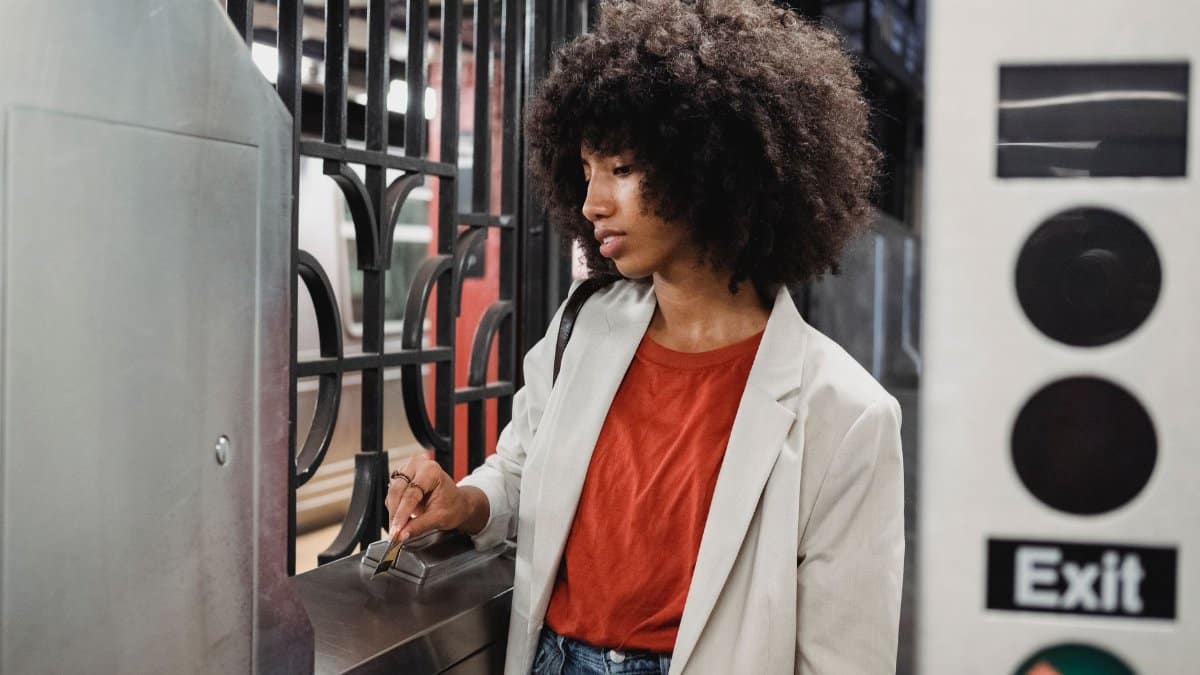
The people most exposed are not tourists sampling a scenic ride. They are shift workers whose start times match the timetable, students stretching a grant across rent and books, and parents who chose a station because the school run and the job could share one morning. A higher fare is a private tax on punctuality. It falls hardest on riders who cannot simply work from a kitchen table. Southern California still runs on presence: hospitals, warehouses, classrooms, kitchens, courthouses, and film sets. Those workplaces do not become optional because a pass costs four dollars more. What becomes optional, for some, is the train itself. That is the risk buried inside a percentage. If the riders with the least flexibility leave, the cars grow quieter, and the political case for frequent service grows thinner.
Thirteen years of standing still

A freeze can be an act of care, and it can also be a delay. Agencies that hold fares flat often spend down reserves, lean on county contributions, or postpone work that riders notice only when a car is short, a restroom is closed, or a connection is missed. None of that history appears on the new price. Riders see the present tense: more money, same platform, same hope that the train is on time. Officials, if they are honest, see a ledger that could not stay frozen forever. The honest version of this story holds both pictures. Gratitude for 13 years of stability does not erase the shock of losing it in a single Monday. Shock does not prove that a railroad can operate on yesterday’s prices while every supplier charges today’s.
Reliability is the other half of the fare
Price is never judged alone. Riders compare it with the ride they actually get. A train that arrives when the schedule says it will can justify a higher pass. A train that strands people at a junction, or forces a missed transfer onto a bus already gone, makes any increase feel like a penalty for loyalty. Metrolink’s value has always been regional reach: the ability to live in one county and work in another without joining the freeway at its worst hour. That value depends on frequency, clean cars, working announcements, and staff who can answer a question without a shrug. If the new revenue is absorbed by costs that riders never see, trust will thin. If it shows up as fewer cancellations and a timetable people can plan a life around, the argument changes. The fare is a receipt. Service is what the receipt should buy. The Metrolink fare increase will be easier to accept if that exchange is visible within a season, not a decade.
Counties, budgets, and a shared railroad
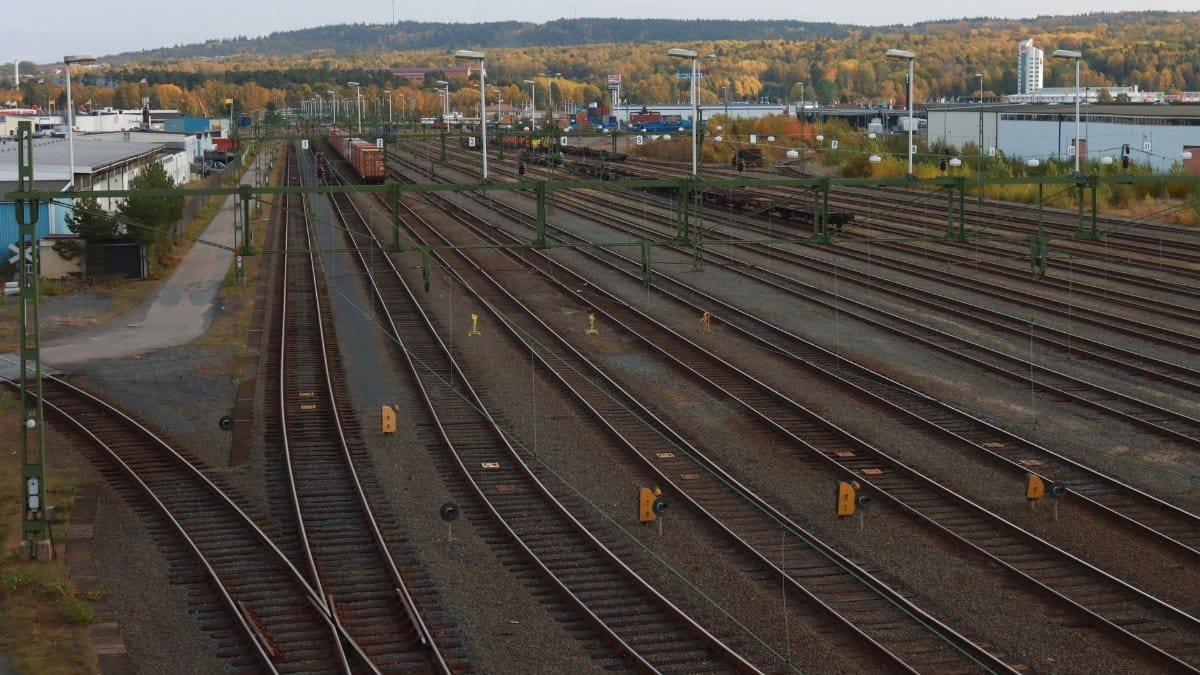
Metrolink is not a single city transit agency with one mayor and one tax base. It is a partnership stretched across a region where politics, wealth, and commuting patterns do not match. A station in a dense job center and a station in a far valley can share a timetable and not share a tax appetite. When fares rise, each county hears a different complaint. Some residents will say the increase protects a service they rarely use. Others will say they use it every weekday and were not asked in any way that felt real. That gap is the democratic problem inside a technical vote. A fare is easy to post. A conversation about who the railroad is for takes longer, and it rarely fits on a sign at the platform. The Metrolink fare increase will be judged in those conversations, not only in the revenue line.
Rearranging the week

Households absorb a fare hike the way they absorb any other bill that refuses to wait. Some will ride fewer days and work from home when a boss allows it. Some will carpool on the days the train feels extravagant. Some will keep every trip and cut something less visible: lunch, a streaming bill, a birthday gift, a repair that can slide another month. None of those choices appears in a press statement. They appear in group texts and in the quiet arithmetic of a Sunday night. I have watched commuters do this kind of math on other systems, standing with a coffee and a phone, deciding whether loyalty to a route is still rational. The decision is rarely ideological. It is practical, and it is made one week at a time.
The hour the train gives back
There is a reason some riders stay even when the price stings. The train is one of the few places in a sprawling region where a person can sit, look out, and not steer. For an hour, or two, the day is not a sequence of lanes. It can be a book, a prayer, a nap, a call that would be unsafe behind a wheel, or simply a stretch of not deciding. That is not a luxury in the soft sense. It is a form of recovery built into the commute. Faith communities and secular ones alike talk about attention, about showing up for other people without being emptied first. A railroad schedule can serve that need without announcing it. Raise the fare too far, and that quiet hour becomes a privilege. Keep the ride trustworthy, and it remains a civic good that happens to move people between stations.
After the first Monday

The Metrolink fare increase will be real on Monday morning, when daily passes move from $15 to $19 and longer trips absorb increases that can reach 27 percent. The harder question arrives in the weeks after, when ridership either holds or slips. A system that waited 13 years to ask for more money now has to show what the money is for. Riders will not grade that case on a press release. They will grade it on whether the 6:40 still comes, whether the car is fit to sit in, and whether the total cost of a month still beats the alternatives they actually have. Policy can call a rise modest. A household calls it whatever is left after rent. Between those two languages, the future of this railroad will be negotiated, one platform at a time.