
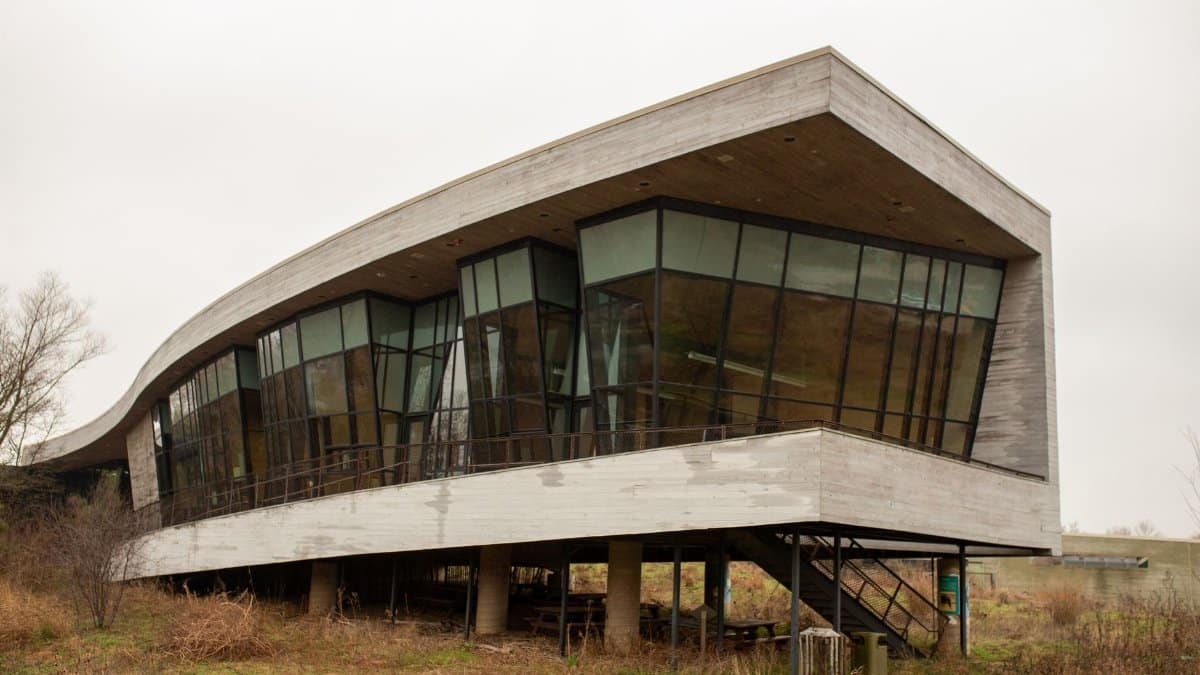
On a gray morning along the Benjamin Franklin Parkway, the stone front of the Academy of Natural Sciences still looks like a promise the city made to itself. School groups used to spill from buses here. Families came for dinosaurs and quiet halls. Now the question is not only what happens inside those walls after Drexel’s closing, but who gets to write the next use into law. That fight has a name in City Hall: the Academy museum zoning bill, a proposal from Councilmember Jeffery Young Jr. that would keep the Parkway building tied to civic and cultural life rather than open it to whatever the market prefers.
A landmark that outlasts its operator
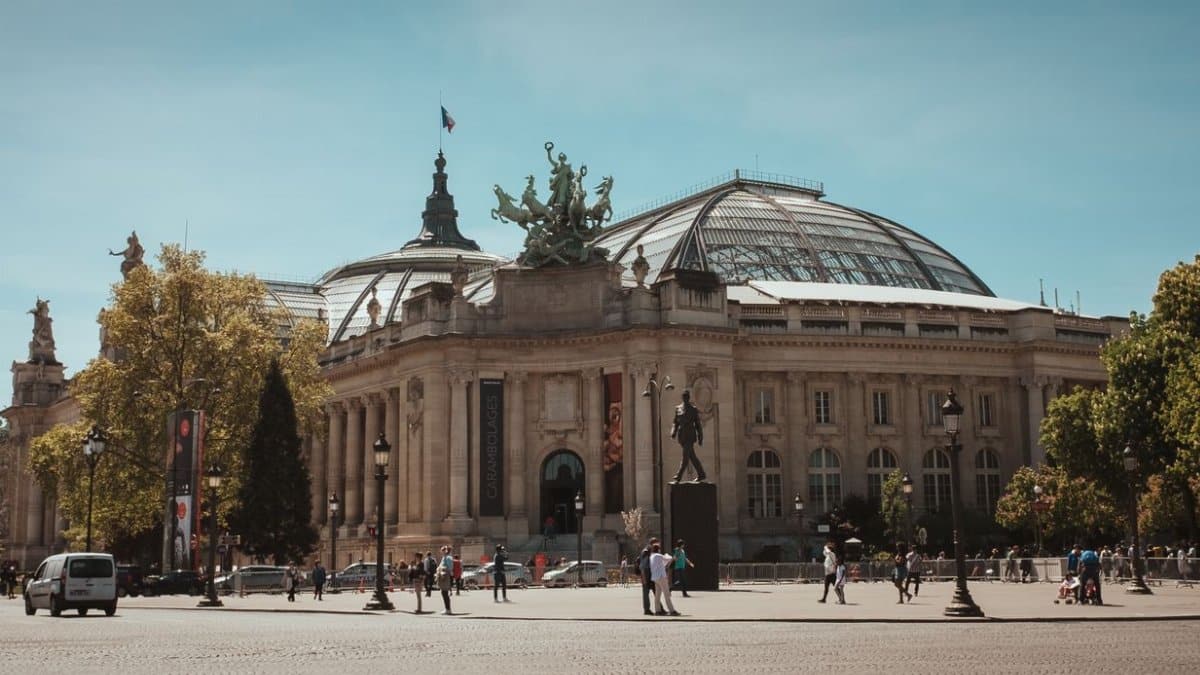
The Academy is older than most of the institutions that now share the Parkway. It has been a place of public learning, a scientific collection, and a civic address rolled into one facade. When an operator steps away, the building does not become blank. It still sits on a ceremonial street, still holds collections and memory, and still shapes how Philadelphians imagine the center of their city.
Young’s argument, as described by supporters of the measure, is simple. A departure by Drexel should not become an invitation to treat the site as ordinary real estate. The Parkway was assembled as a cultural corridor. A zoning change can try to lock that intention into the map before a sale, a lease, or a redevelopment plan hardens.
What the council proposal seeks
The Academy museum zoning bill would limit reuse of the building to civic and cultural purposes. In plain terms, that means the next occupant would have to fit a public mission: a museum, an educational institution, a cultural center, or a similar civic use. Offices, hotels, private clubs, and retail heavy schemes would fall outside the intended lane.
Zoning does not pick the tenant. It narrows the field. Council cannot, by itself, fund a new museum or compel a university to stay. It can make certain futures legally harder and others legally clearer. That is the modest power Young is asking colleagues to use.
Why a map can matter more than a speech
Philadelphia has a long habit of celebrating landmarks in speeches and then negotiating their fate in private. A zoning bill is less poetic and more durable. It tells owners, lenders, and city agencies what the district will accept before architectural renderings appear. For a building this visible, that sequence matters. Once a commercial plan is financed, political resistance often arrives too late to change the deal without a lawsuit or a costly buyout.
Supporters see the bill as a guardrail. Critics of tight use limits, in other Parkway fights, have warned that narrow zoning can leave a building dark if no civic operator can afford the upkeep. Both worries can be true at once. An empty landmark is a failure. A landmark converted into a private amenity on a public boulevard is a different kind of failure.
Drexel’s exit and the vacuum it leaves
Drexel’s closing of the public museum operation creates a vacuum that zoning alone cannot fill. Collections need care. Buildings of this age need capital. Staff knowledge walks out the door with the last pay period. A council bill does not hire conservators or keep the lights on for school tours.
What it can do is shape the bargaining that follows. If the allowed uses stay civic and cultural, a buyer or partner must arrive with a public program, not only a pro forma. That requirement may shrink the pool of interested parties. It may also protect the city from a quick flip that treats the Academy address as a brand to be rented.
The Parkway as a shared room

The Parkway is not a typical commercial street. It was planned as a procession of museums, libraries, and civic monuments between City Hall and the art museum. Residents walk it. Tourists photograph it. Protests use it. Children learn the city by moving from one institution to the next.
When one of those institutions goes dark, the corridor thins. The loss is practical for families who relied on a nearby museum, and symbolic for a city that sells itself as a place of public culture. Young’s bill treats that symbolism as something council can still defend, even after an operator has decided to leave.
Neighbors and the fear of a commercial turn
People who live near the Parkway have watched other civic sites drift toward event rentals, private dining, and development schemes that promise activity and deliver exclusivity. Activity is not the same as access. A busy calendar can still lock the public out of the rooms that once belonged to them.
A use restriction answers that fear only in part. It can block a hotel or a corporate headquarters. It cannot guarantee free admission, weekend hours, or a science program for public school students. Those promises live in leases, operating agreements, and budgets. Zoning is the outer fence. The inner life of the building still has to be negotiated.
What civic use really requires
Civic and cultural are generous words. They can describe a research institute closed to the public, a ticketed attraction aimed at visitors, or a community hall with open doors. If the Academy museum zoning bill advances, the drafting will matter as much as the headline. Vague categories invite creative interpretations. Tight definitions can exclude worthy partners the council did not foresee.
A careful bill would say who counts as a civic user, whether accessory commercial activity is allowed, and how much of the building must remain open to the public. Without those details, a restriction can be both too weak to stop a private conversion and too blunt to welcome a realistic rescue.
Money, maintenance, and the quiet risk of vacancy

Stone buildings do not pause while politics catches up. Roofs fail. Climate systems age. Collections suffer when staffing thins. Any policy that limits buyers must also face the cost of standing still. Philadelphia has lost time, and sometimes buildings, by treating preservation as a veto without a plan.
Young and his colleagues will be asked where the next operator comes from, and whether the city, the commonwealth, a foundation, or another university is prepared to step in. A zoning bill that is not paired with a search for stewardship can become a plaque on a locked door. That outcome would satisfy no one who cares about the Academy as a living place.
Council power and its proper size
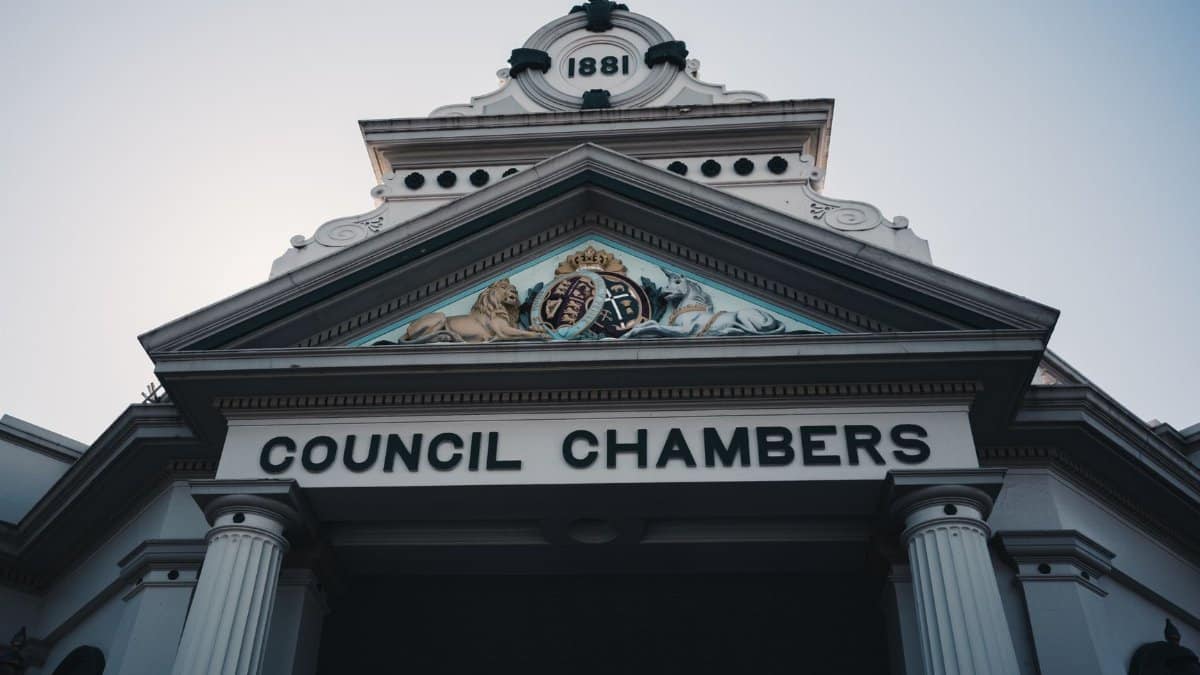
Council has the authority to zone. It does not own the Academy, and it should not pretend that a hearing can replace a conservation plan. The honest version of this debate admits both facts. The city can refuse certain futures. It cannot conjure a solvent museum by ordinance.
That limit is not a reason to do nothing. It is a reason to keep the bill focused. The goal is to prevent a mismatch between a civic site and a private program, not to micromanage every future exhibit or wage. Overreach invites court challenges and delays. Underreach invites the very conversion the sponsor wants to stop.
A city that keeps misplacing its public rooms
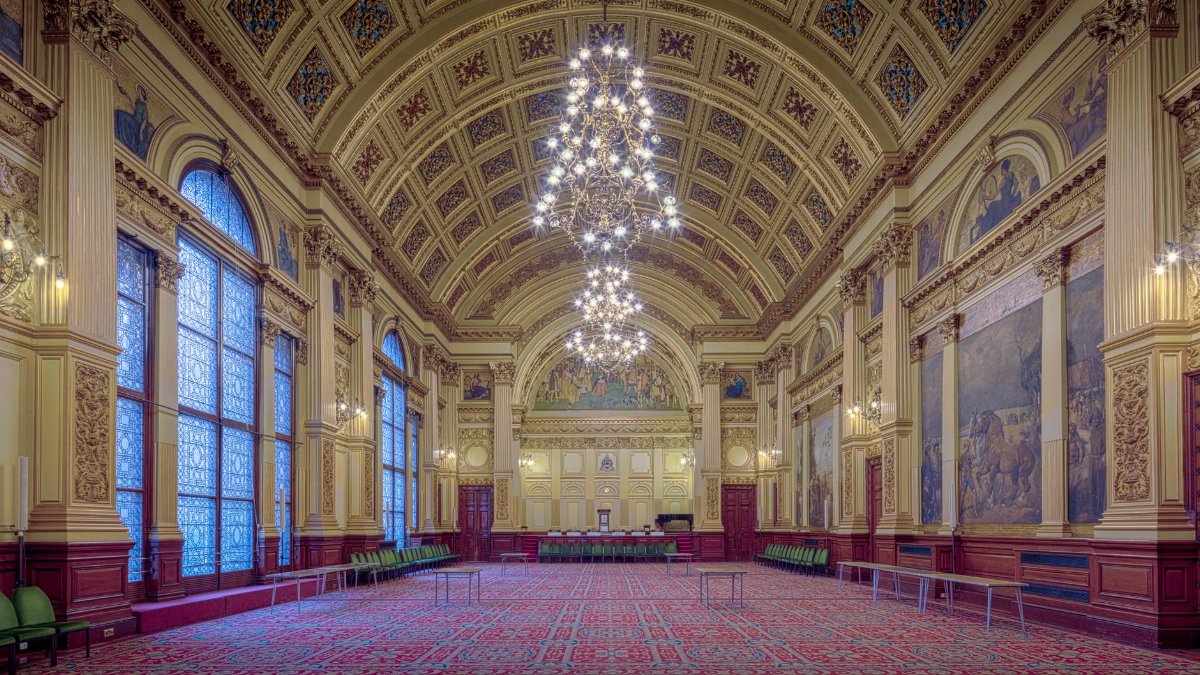
Philadelphia’s recent history is full of arguments about who public buildings are for. Schools, libraries, and cultural sites have all been asked to justify themselves against budgets and against developers who can pay more for the land than a mission can. The Parkway has been somewhat shielded by its institutions and by its symbolism. Shielded is not the same as safe.
The Academy case is a test of whether that shield can be renewed after an operator leaves. If council acts only with rhetoric, the next plan will be written by whoever holds the deed. If council acts only with prohibition, the building may sit. The harder work is to pair a use limit with a credible path back to public life.
What a hearing should actually settle
A useful hearing would not be a nostalgia session, though nostalgia will be present and deserved. It should establish the legal status of the property, the range of uses now allowed, the exact change Young seeks, and the timeline of Drexel’s withdrawal from public operation. It should also hear from people who used the museum, not only from lawyers and land use consultants.
Residents can say what they will not accept. Scientists and educators can say what a successor institution would need. Preservationists can say what the building cannot survive. Those voices do not replace a vote. They keep the vote from becoming abstract.
The bill as a boundary, not a finale
If the Academy museum zoning bill passes, it will draw a boundary around the site. Civic and cultural uses would remain the lawful path. Commercial reinvention would have to fight the map, not merely the mood of a neighborhood meeting. That is a real change, and it is also an incomplete one.
The finale belongs to whoever can operate the place with care: fund the building, respect the collections, and keep a door open to the city that built the Parkway as a shared room. Council can refuse the wrong ending. It still has to help find a right one, or the restriction will be remembered as a pause rather than a rescue.