
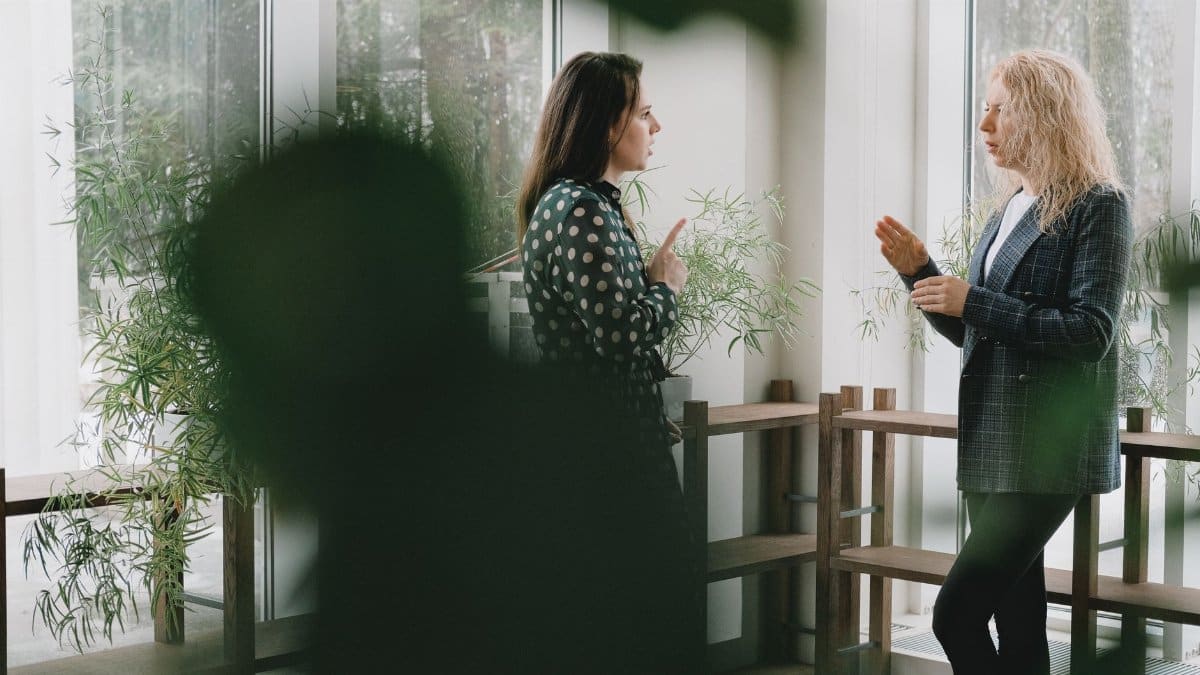
In a bustling corporate office a manager noticed one team member leaning forward during discussions while another sat back with arms folded loosely across the chest. These small shifts in position spoke volumes about engagement levels and underlying attitudes among the group. Over time such observations helped the manager adjust how projects were assigned and how feedback was delivered. This silent exchange known as Body Language plays a steady role in shaping workplace dynamics and outcomes for many professionals today.
Recognizing Open Postures During Discussions
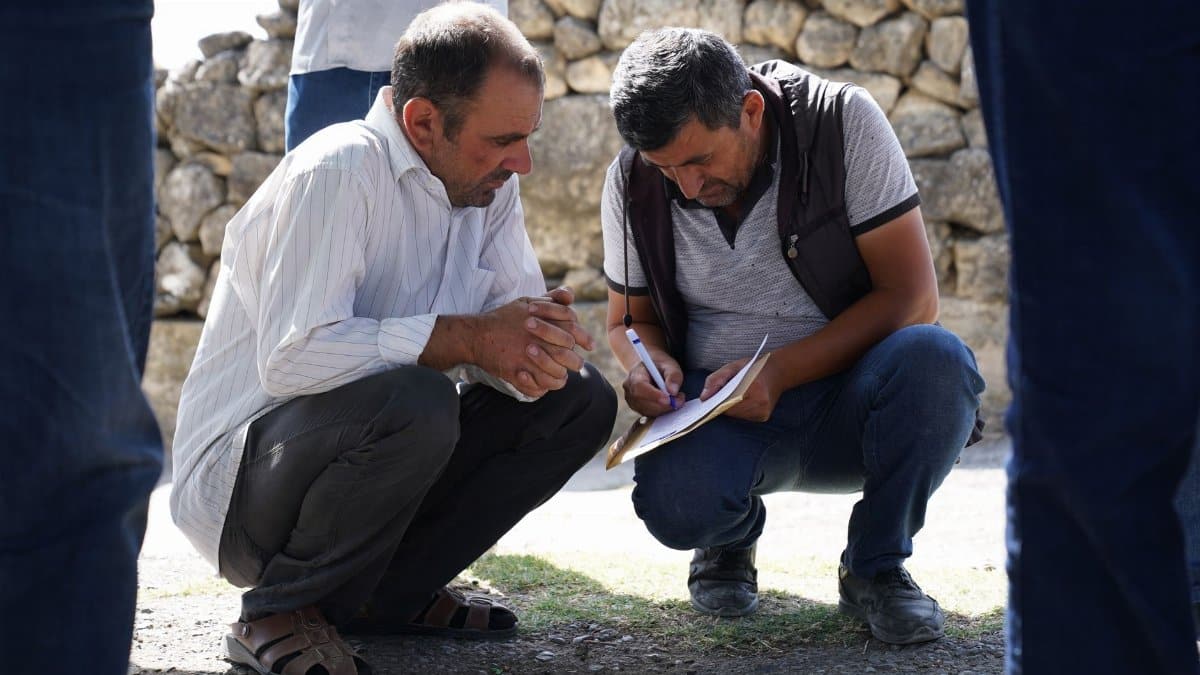
Team members who keep their shoulders relaxed and hands visible tend to project a sense of involvement. Such positioning invites others to share ideas freely and builds a cooperative atmosphere. In contrast a more closed stance can signal hesitation or a desire to keep distance from the topic at hand. Leaders who pay attention to these cues can foster better participation across the group.
Interpreting Facial Expressions in Feedback Sessions

Facial movements often reveal true reactions before any words emerge. A slight raise of the eyebrows might indicate surprise or interest while a tightened jaw could suggest concern over proposed changes. Managers benefit from noting these signals to address worries early and maintain trust within teams.
Observing Eye Contact Patterns Among Colleagues

Steady eye contact usually reflects confidence and attention yet excessive staring may create discomfort. Brief glances away at times can show someone processing information rather than disengaging. Awareness of these patterns helps in gauging how messages land during presentations or one on one talks.
Assessing Hand Gestures in Negotiations

Hands that move in sync with spoken points often emphasize key ideas and draw listeners in. Fidgeting or hiding hands under the table might point to nervousness about the terms being discussed. Skilled observers adjust their own approach based on these visible signs to keep conversations productive.
Noting Shifts in Seating Arrangements
People who angle their chairs toward the speaker demonstrate alignment with the discussion flow. Turning away even slightly can hint at a wish to exit the exchange soon. In group settings these adjustments influence who feels included and who might need extra encouragement to contribute.
Evaluating Tone Through Overall Movement
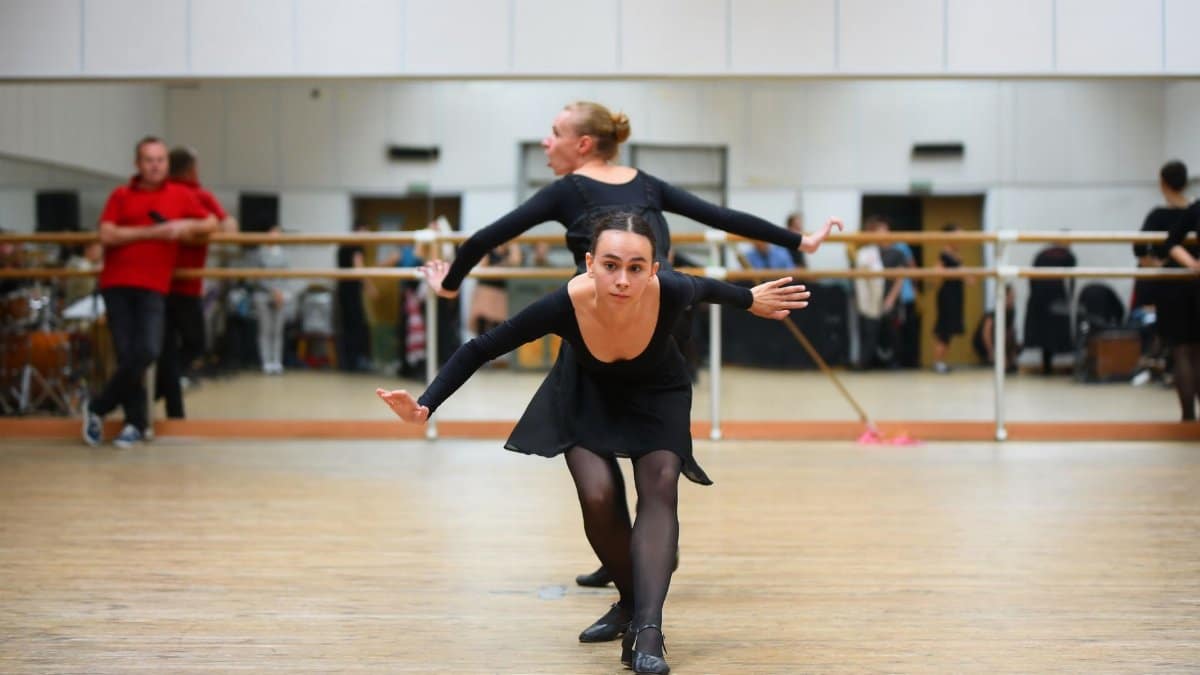
Beyond single gestures the way someone enters or leaves a room adds context to their state of mind. Purposeful strides may reflect determination while slower paces could indicate reflection or fatigue. Combining these observations with other signals strengthens the ability to respond appropriately in professional exchanges.
Applying Insights to Remote Interactions

Video calls bring new challenges as only partial views are available yet posture and head tilts remain telling. Leaning toward the camera often shows focus while looking off screen repeatedly might suggest divided attention. Professionals who adapt their reading of Body Language to virtual formats maintain stronger connections with distant teams.
Building Better Awareness Over Time

Regular practice sharpens the skill of noticing cues without jumping to conclusions too quickly. Cross checking multiple signals provides a fuller picture than relying on any one element alone. This measured approach supports clearer communication and reduces misunderstandings in daily work life. Body Language thus serves as a quiet guide for those willing to observe with care.