

In the quiet hum of fast food kitchens across several states, early signs of trouble with contaminated produce went unheeded for weeks. Reports began to surface about diners falling ill after meals at popular chains, yet corporate channels moved slowly to alert the public. This delay allowed a Taco Bell parasite linked to lettuce supplies to spread further than necessary before broader action took shape. Health officials later traced cases to a specific strain of cyclosporiasis, a microscopic invader that thrives in certain fresh greens. The episode raises questions about communication lines between suppliers, restaurant groups and regulators when speed matters most for public wellbeing.
Early Internal Alerts at Major Chains
Documents from inside the parent company of Taco Bell show that staff received word of possible contamination in late spring. Managers discussed isolated complaints from locations in the Midwest and South but chose not to escalate matters immediately to federal partners. Such hesitation meant that routine checks on produce shipments continued without added scrutiny.
How Lettuce Supply Chains Operate
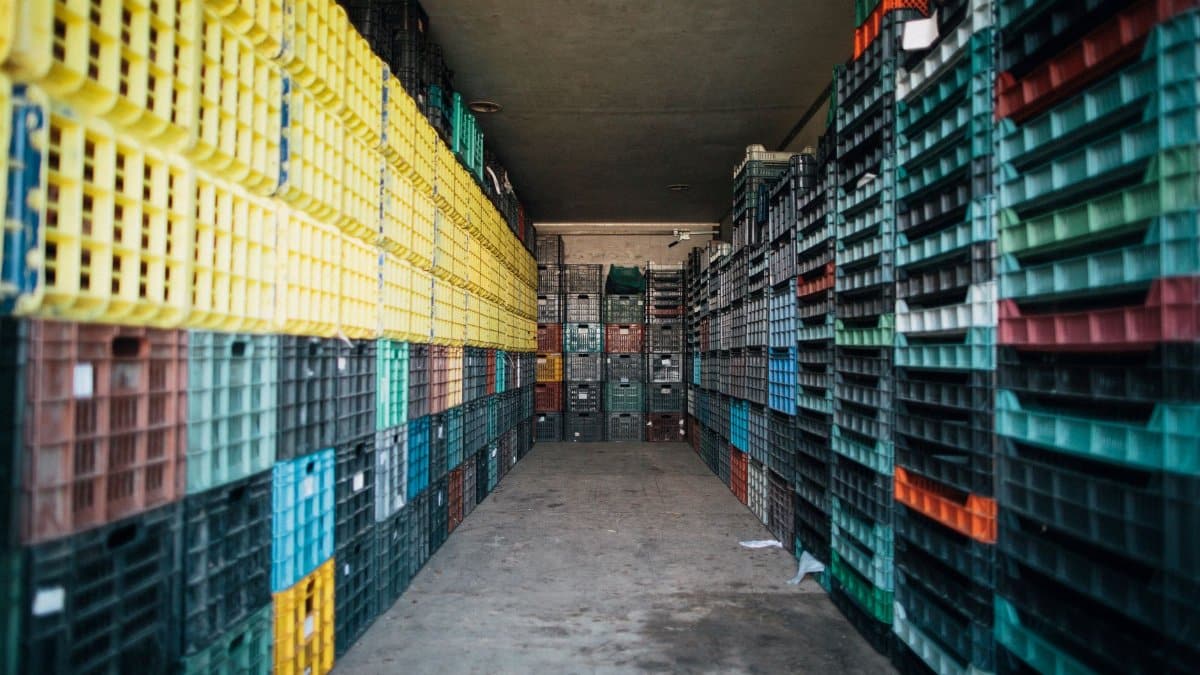
Large restaurant networks rely on regional distributors who gather greens from multiple farms. One tainted batch can reach dozens of outlets before anyone notices patterns in customer illness. Traceability systems exist yet often lag when volume is high and seasons shift quickly.
Role of Federal Health Agencies

The Centers for Disease Control and Prevention typically issues produce warnings after clusters appear in multiple states. In this instance the timeline shows private companies held data that could have sped up that process. Coordination between private and public sectors remains an area of ongoing discussion among policy experts.
Customer Experiences During the Period

Many middle aged patrons described sudden stomach distress days after eating salads or tacos. Symptoms lingered for weeks in some cases, leading to missed work and medical visits. Families shared stories of shared meals turning into shared recovery periods at home.
Company Statements on Timing

Executives later explained that they waited for confirmed lab results before acting. They noted that false alarms can harm business and supplier relations. Critics argue that caution should lean toward quicker disclosure when lives are at stake.
Impact on Broader Food Industry Practices
Other chains reviewed their own notification protocols after the episode became public. Some introduced daily logs for produce quality and faster digital reporting tools. The goal is to shrink the gap between first complaint and official notice.
Lessons for Everyday Diners

People who frequent quick service restaurants may now ask more questions about ingredient sources. Simple habits like washing hands and watching for symptoms can help limit personal risk. Awareness of seasonal produce issues also supports wiser choices when ordering.