
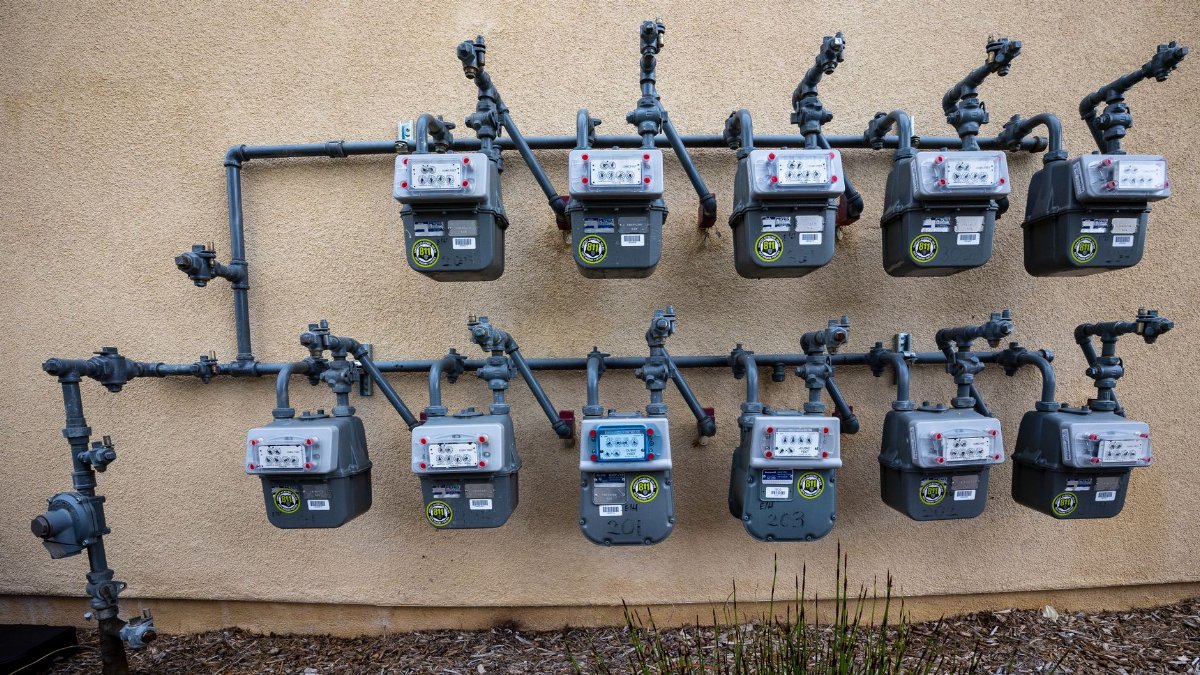
On a Tuesday evening in a three story house near Fields Corner, neighbors argued over tea about who would pay if the gas line under the street went dark. Some wanted heat pumps before the next winter. Others said their boilers still worked and their budgets did not. That kitchen table fight is the human version of a fight now moving through the State House, where the Massachusetts gas cutoff bill would let a utility end gas service on a street if most customers there chose electric heat. The idea sounds technical. It is really about who gets to decide when an old fuel leaves a block.
A clause that changes an old bargain

For more than a century, gas service in Massachusetts has worked like a quiet civic promise. If a pipe runs past your house and you pay your share, the flame is yours to light. A Senate energy clause moving with broader climate legislation would loosen that promise. A utility could stop serving remaining gas customers on a segment once a defined share of neighbors had moved to electric heat and regulators approved the step. Legislators have not locked the percentage in a way the public should treat as final. A slim majority feels different from a rule that demands nearly every household. Either way, the principle is new. The preference of most people on a street could outweigh a household that wants to keep gas for heat and cooking.
How a neighborhood could lose the line
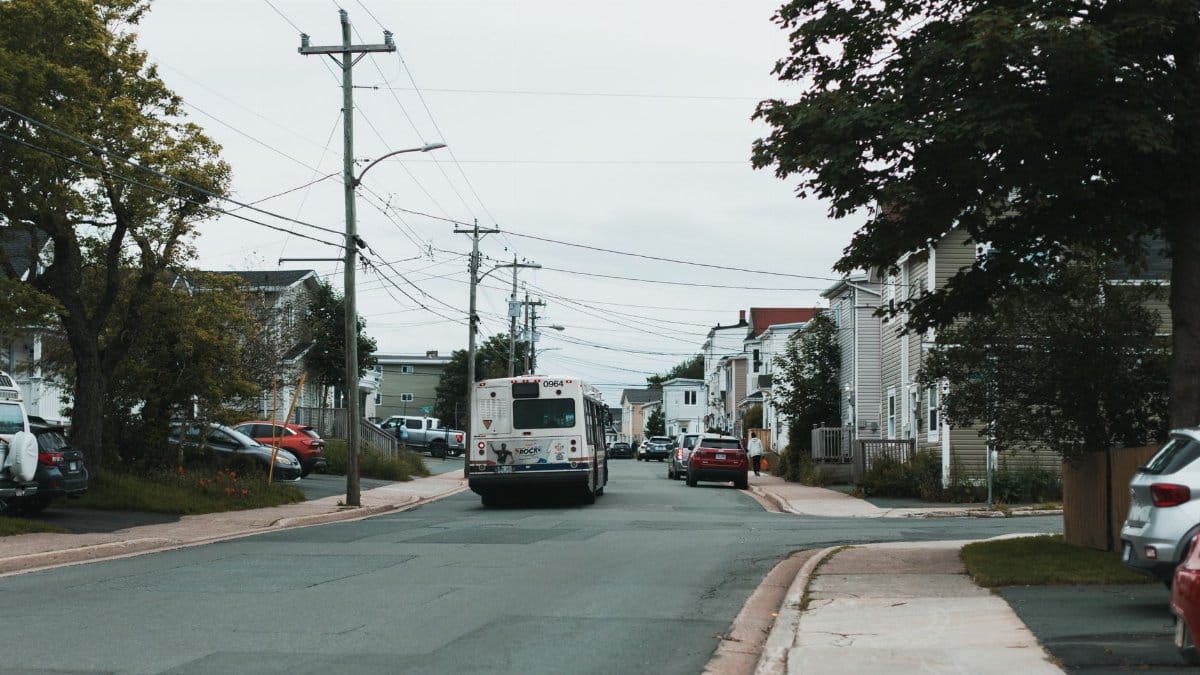
Picture a side street in Worcester or Quincy with forty gas meters. Over several years, owners install heat pumps, sometimes with state rebates, sometimes because an old boiler fails in January and the replacement quote is ugly. When the count of electric homes crosses the line written into statute, the company could file to abandon that piece of pipe. Remaining customers would, in the versions advocates describe, receive notice, a window to switch, and some public help with equipment. In the versions critics fear, the notice would arrive like a shutoff letter, with too little money and too little time before the first hard frost. The Massachusetts gas cutoff bill, as summarized in Senate discussion, is less a single mechanical rule than a permission slip. It tells utilities they may end service when a neighborhood has largely left the fuel, rather than maintaining a pipe for a shrinking handful of accounts forever.
Beacon Hill and the unfinished language

Energy bills on Beacon Hill rarely stay in one neat box. They pick up offshore wind language, solar siting fights, and labor provisions before anyone votes. This gas provision has traveled that same crowded road. Senate drafters have treated it as a tool to keep the gas system from becoming a trap for the last customers, who would otherwise pay more and more to maintain pipes that serve fewer homes. House members, especially those from colder districts and from cities where three decker housing dominates, have asked harder questions about consent. Who counts as a customer when a landlord, not a tenant, signs the conversion contract? Does a vacant unit count? Does a household that wants electric heat but cannot find an installer before winter count as a yes? Those questions decide whether the clause feels like planning or like pressure.
Utilities, pipes, and a shrinking pool of payers
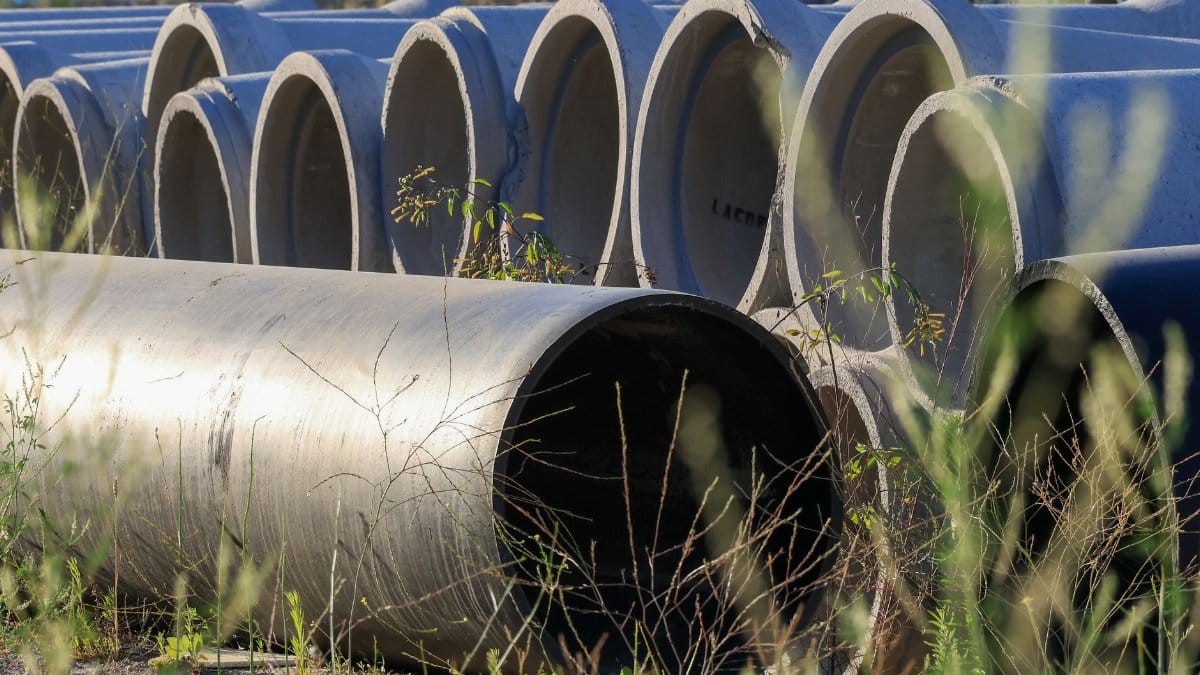
National Grid and Eversource still operate large gas networks across the state. Those networks are expensive to inspect, repair, and replace, and Massachusetts has pushed companies to fix leaky pipe for safety and for climate reasons. The accounting problem is simple even when the engineering is not. Fixed costs spread across many meters stay tolerable. The same costs spread across a few meters become brutal. People who study utility transition sometimes call this a spiral: higher bills push more customers off the system, which raises bills again for whoever remains. I have heard that spiral described in hearing rooms as if it were only a spreadsheet. On a real street it is a retired teacher opening a bill that jumped because her neighbors left and she did not. Under the Massachusetts gas cutoff bill, a company could seek permission to close the spiral by closing the pipe, rather than billing the last households into hardship. Whether regulators would allow that, and on what timeline, would sit with the Department of Public Utilities.
Renters, owners, and people with little slack

The fairest version of this policy still collides with the housing stock Massachusetts actually has. In many cities the person who decides on a heat pump is not the person who feels a cold apartment. A landlord may delay because the rebate process is slow, because the electric panel is too small, or because the building needs new wiring before any pump can run. A tenant may want electric heat and have no vote. An older owner on a fixed income may want to keep a gas stove she trusts and a heating system she already paid to repair. Language matters here too. Notices written only in English will not reach every household that could lose service. If the state pairs a cutoff power with weak funds for panel upgrades, insulation, and emergency equipment, the clause will land hardest on people who already live close to the edge of the month.
Winter reliability and the fear of a cold house

New England winters do not negotiate. That fact sits under every argument about fuel switching, and it deserves plain speech. Electric heat can be efficient, especially in a tight house with a modern heat pump, and many households already live that way without drama. It can also fail a family if the power goes out, if the unit is too small for the building, or if the installer guessed wrong about an old leaky shell. Gas heat fails too, when pressure drops or when a utility shuts a line for a leak. The honest debate is not about a perfect fuel. It is about backup, about whether a street cutoff includes a plan for outages, and about whether the regional grid can carry a wave of new winter electric load without ugly price spikes. Residents are right to ask those questions before anyone treats a neighborhood conversion as complete.
Climate law and the long exit from gas
Massachusetts has already written a destination into statute. State climate law treats building heat as a central piece of the path to net zero, with electric equipment and better insulation expected to do much of the work that gas does today. That legal destination does not, by itself, authorize a utility to abandon a customer. It does explain why senators reached for a cutoff tool. If the state keeps extending the life of every gas segment until the last meter leaves by choice, the transition drags, leak repairs continue on pipes with no future, and the climate timeline slips. Supporters say a managed exit is kinder than a chaotic one. They also say public money should follow the people asked to move, not only the companies asked to retire assets. That second point is where lofty targets meet a kitchen table.
What supporters and critics are really arguing

Strip away the committee jargon and two moral claims sit across from each other. Supporters of the Massachusetts gas cutoff bill say it is unjust to make a shrinking group subsidize a fuel network that the state has already decided to leave behind. They say a clear rule gives plumbers, landlords, and families time to plan, and gives utilities a lawful way to stop spending ratepayer money on pipes that will not be used. Critics of the Massachusetts gas cutoff bill say majority rule is the wrong tool for a service that people experience as a necessity, closer to water than to a streaming subscription. They worry about coercion, about botched installations, and about a State House that celebrates a cutoff while underfunding the alternative. Both sides talk about fairness. They do not mean the same household when they say the word.
Heat, hospitality, and the meaning of a safe room

This is an energy bill, not a sermon, yet it touches something older than any utility tariff. A warm room is how people practice care. It is where a congregation shares a meal after a long service, where an adult child checks on a parent, where a neighbor brings soup. In conversations about housing and fuel, the same quiet fear keeps surfacing: not the fear of a policy memo, but the fear of being the person left outside a decision that others made. Faith communities and neighborhood groups will not write the statute. They will be the places where a confusing notice gets translated, where someone offers a warm room during a gap in service, and where lawmakers hear whether a transition felt like shared responsibility or like abandonment. If public life means that no one is disposable, a gas exit has to be judged by the people who did not choose it.
What residents should watch as the bill moves

Nothing in this fight is finished. Conference committees change sentences that seemed settled. A percentage can move. A fund for electric panels can appear or vanish. The Department of Public Utilities can later interpret a vague verb in a way no senator intended. Residents who want a say do not need to become energy lawyers. They can read the section that mentions discontinuation of gas service, ask their senator how a tenant is counted, and ask what cash is attached to any cutoff power. They can show up at a listening session and describe a real boiler, a real panel, a real winter. The state can pursue a cleaner building stock and still owe people a transition they can survive. That is the test worth applying to whatever text finally reaches the governor, and it is a test no slogan can pass on its own.