
On a weeknight in Doylestown, the lights in a rented storefront stay on past nine. Volunteers stack literature beside maps of precincts that once voted as a bloc and now split by a few hundred ballots. Control of an entire legislative chamber may turn on those thin margins. The fight over Pa. Senate suburban swing seats is no longer a side story in Harrisburg. It is the story. Democrats say they need two flips in the Philadelphia suburbs to end a thirty three year Republican hold on the chamber. Republicans say the same neighborhoods that drifted left in presidential years still reward local candidates who talk about taxes, schools, and roads. Both sides are spending as if the next map of power will be drawn here.
A chamber that has not changed hands in a generation

Republicans have held the Pennsylvania Senate since the early nineteen nineties. That stretch covers governors of both parties, a redraw of legislative lines, and several national waves that rearranged Congress and the state House. The Senate stayed put. The reason is structural as much as political. Many rural and exurban districts remain reliably Republican, and the chamber is small enough that a handful of safe seats can anchor a majority even when the statewide vote is close.
Democrats do not need a landslide to change that arithmetic. They need a narrow set of suburban districts where registration, presidential results, and state legislative results no longer point in the same direction. Party strategists on both sides describe the same short list, centered on Bucks County and Montgomery County, with neighboring Delaware County sometimes still in the conversation and sometimes already settled. The practical target is two net gains. Everything else is commentary about a map that has favored one party for a generation.
Why the suburbs now hold the balance
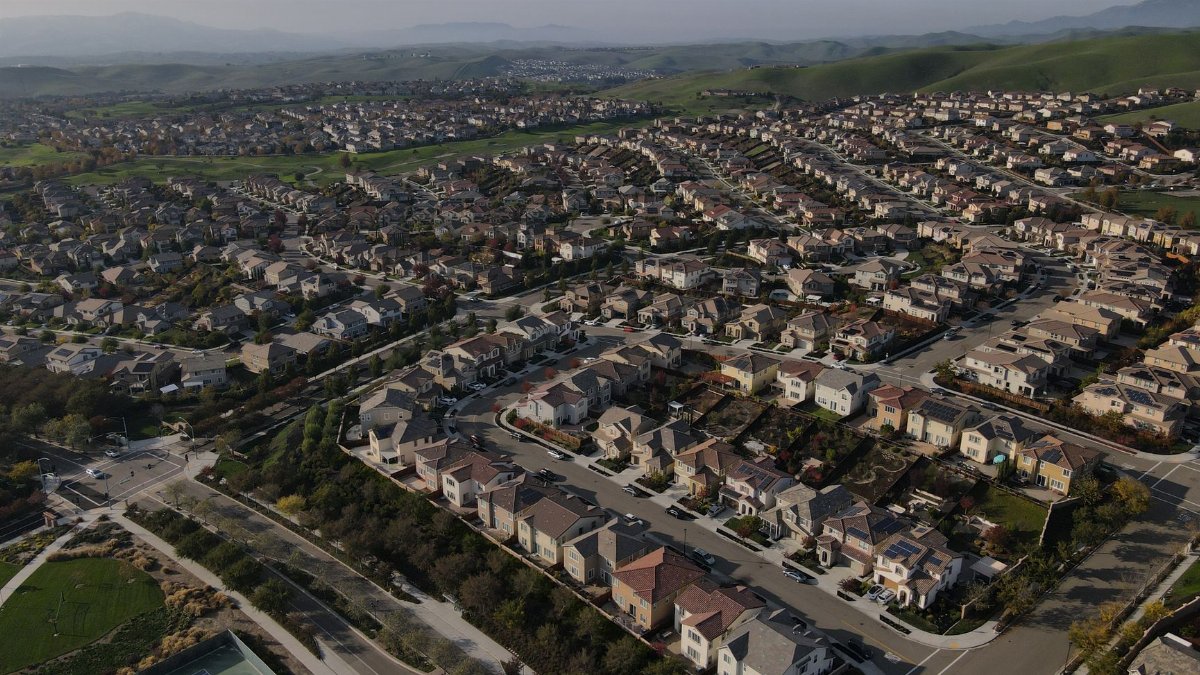
The Philadelphia suburbs used to be the Republican counterweight to the city. Lawyers, small manufacturers, and commuters built a politics of low taxes and local control. Over two decades that coalition thinned. College educated voters moved left in national elections. Younger families arrived. Some older voters stayed, but their children did not inherit the party label. The result is a band of districts that can elect a Democratic president and a Republican state senator in the same cycle, or the reverse, depending on who is on the ballot and what else is happening in the country.
That split is why consultants keep returning to Pa. Senate suburban swing seats when they model control of Harrisburg. A district can look blue on a presidential map and still be competitive for a legislative candidate who has served on a school board or a township commission. Name recognition, a record on property taxes, and a reputation for showing up at youth sports openings still move votes. Ideology matters, but it does not always decide the last two percent.
Bucks County and the old Republican map

Bucks still carries the memory of a Republican organization that delivered for decades. Yards in some townships display competing signs without embarrassment. The county has trended away from automatic Republican wins, especially in presidential years, yet local offices remain contested in a way that parts of Montgomery no longer are. Candidates talk about warehouse traffic, school funding, and the cost of staying in a house their parents could afford. Those issues do not map cleanly onto national party brands.
Republicans argue that Bucks voters punish overreach, whether it comes from Harrisburg or from Washington. Democrats argue that the same voters have already shown they will abandon a nominee who feels too far from the suburban middle. Both claims can be true in different precincts on the same night. A Senate race here is often won in the space between a commuter rail stop and a cul de sac, not in an advertisement cut for a national audience. The old map still matters because habit dies slowly, even when the numbers have started to move.
Montgomery and a slower finish to realignment

Montgomery County moved earlier and more decisively. Democratic registration advantages in large parts of the county are no longer a surprise. Even so, a few Senate districts remain close enough that a strong Republican incumbent, or a weak Democratic recruit, can hold the line. The politics are suburban in the classic sense: high home values, crowded school calendars, and voters who read both the local paper and the national one before they decide.
The risk for Democrats is complacency. A county that votes reliably for one party at the top of the ticket can still split a legislative race if the candidate seems unfamiliar or if turnout drops when there is no presidential race to pull people out. The risk for Republicans is math. Each cycle, the pool of voters willing to split a ticket shrinks a little. Campaigns respond by narrowing their message to taxes, public safety, and schools, and by treating every township as its own media market. In Montgomery, the realignment is advanced. It is not finished in every district that sends a senator to Harrisburg.
What two flips would actually mean

Two seats sound small until you sit with the roll call. A Democratic majority, even a one vote majority, would change who sets the calendar, who chairs committees, and which bills ever see a floor. Governors already know that a Senate of the other party can stall an agenda for an entire term. Ending a thirty three year Republican hold would not erase rural power or guarantee every Democratic priority. It would change the room where deals are made.
Republicans describe that prospect as a risk to fiscal restraint and to the influence of counties far from Philadelphia. Democrats describe it as simple alignment: a state that often votes for their party in statewide races should not have one chamber locked by a map and a habit. Neither description captures the daily work. Most of what a Senate does is unglamorous. Confirmations, budget amendments, and local project language fill the weeks. Control matters because it decides whose unglamorous priorities go first, and whose sit in a drawer until the next election.
The voters who keep both parties nervous
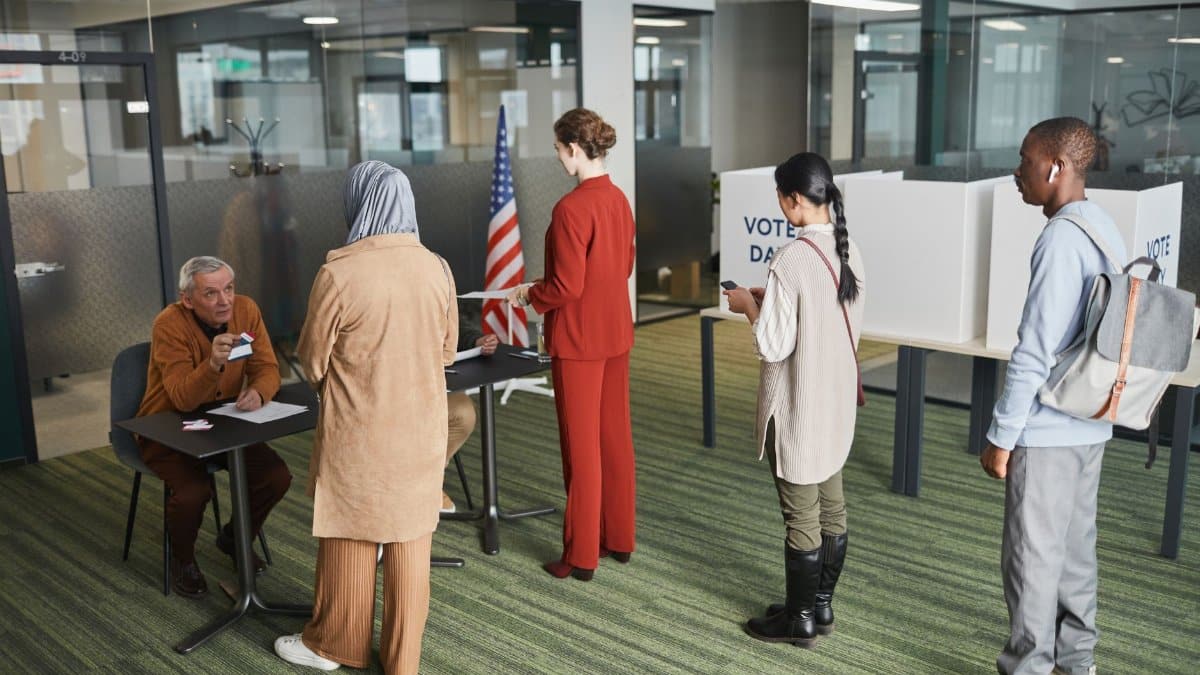
The people who decide these races are not mysterious. They are nurses who work nights, owners of two person shops, teachers, retirees on fixed incomes, and parents who have not attended a political meeting in years. Many of them are registered with one party and vote for the other when a candidate feels off. Pollsters call them persuadable. Neighbors call them busy.
Conversations on shopping corridors in Bucks and Montgomery tend to produce the same list. People worry about the price of groceries, the property tax bill, the quality of the high school, and whether the roads will be rebuilt before the next winter. They also talk about abortion, guns, and the tone of national politics, sometimes in the same breath as a complaint about a township zoning fight. Campaigns that speak only one of those languages leave votes on the table. That is the practical definition of Pa. Senate suburban swing seats: places where a single message is not enough, and where a candidate who sounds imported rarely finishes the job.
Money, mail, and the work on the ground
Spending in these districts has grown because the prize is the chamber, not the seat alone. Outside groups buy mail that looks local and television that looks national. Candidates still knock on doors because the universe of true swing households is small enough to touch. A volunteer who knows the block can matter more than a consultant who knows the model, at least until the final weekend, when saturation advertising drowns out almost everything else.
There is a cost to that flood. Voters in the inner and outer suburbs already feel targeted. Some throw out every piece of mail after Labor Day. Others become more certain, not less, once they decide a party has written them off or taken them for granted. The campaigns that win Pa. Senate suburban swing seats usually find a way to sound specific. A promise about a bridge, a school formula, or a tax credit for seniors can outperform a slogan brought in from a presidential race. Specificity is not charm. It is proof that someone has been in the district long enough to know which intersection floods.
National mood versus local habit
National politics still sets the weather. A wave for one party can lift candidates who would struggle in a quiet year, and a scandal in Washington can stick to a township supervisor who had nothing to do with it. Suburban voters are not sealed off from that noise. They watch the same clips, argue at the same dinner tables, and carry the same fatigue into the voting booth.
Habit pushes the other way. A senator who has returned calls for eight years can survive a bad national month. A newcomer with a polished biography can lose to a familiar name even when the partisan lean of the district has shifted. The tension between those forces is what makes Bucks and Montgomery so hard to call from a distance. Models built on presidential results miss the school board veteran. Models built only on incumbency miss the voter who has finally had enough of the party that used to own the county. Anyone reading Pa. Senate suburban swing seats as a simple extension of the last White House race will misread the map.
After the count

Election night will produce a number, and then a fight over what the number means. If Democrats gain the two seats they need, they will call it the end of an era and the start of a Senate that looks more like the state. If Republicans hold, they will call it proof that suburbs still split their tickets when the choice is local. Both speeches will be partly true and partly campaign copy.
The more durable fact is geographic. Pennsylvania cannot be governed for long by pretending the counties around Philadelphia are a footnote. Nor can those counties govern the state alone. Whatever the majority, the next session will still have to move a budget, fund schools, and answer voters who care less about which party holds the gavel than about whether the bill on the kitchen table gets lighter. The suburbs may decide the gavel. They will not excuse whoever holds it from the work that follows.