
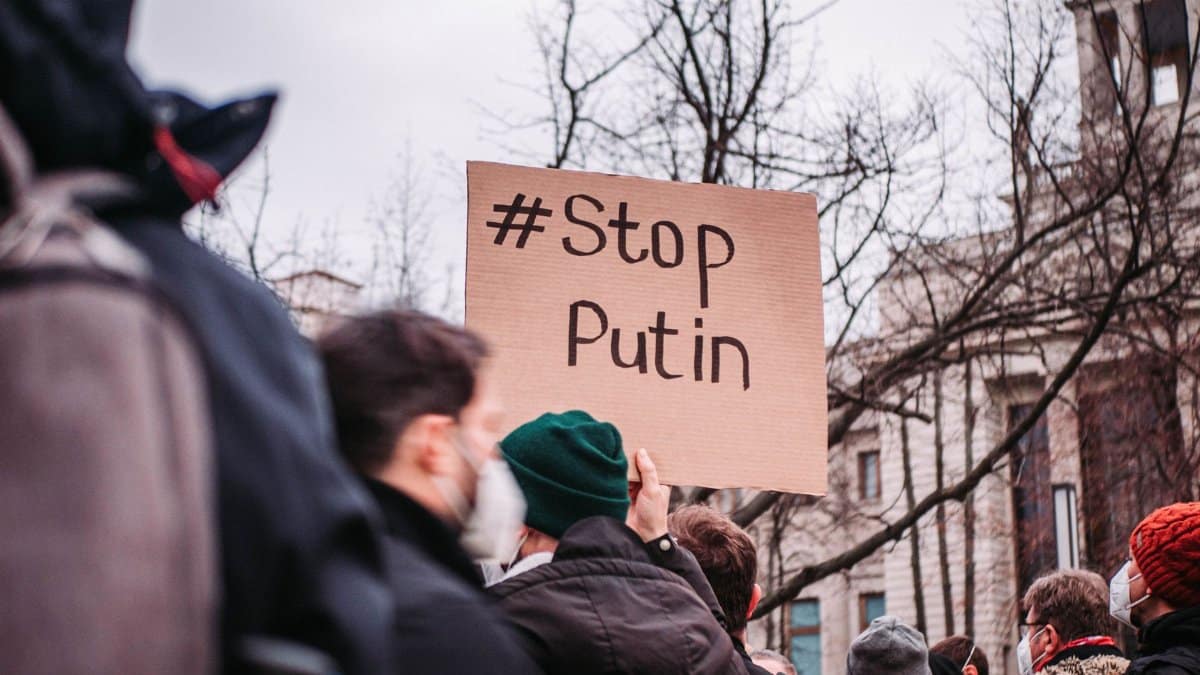
On a humid afternoon when traffic on the Palmetto still crawls and the news cycle rarely waits for reflection, a local rebuke traveled farther than most county statements ever do. Miami Dade Mayor Daniella Levine Cava condemned a plan to welcome Vladimir Putin to a global summit on South Florida soil, arguing that such a greeting collides with the lived history of the people she serves. Anyone tracing the Levine Cava Putin invite will find less a protocol footnote than a clash over memory, power, and what a community is asked to applaud.
A county that remembers who fled
Miami Dade is not a blank stage for diplomacy. It is a county built in large part by people who left authoritarian governments and never fully left the argument behind. Cuban families mark anniversaries of departure the way other places mark harvests. Venezuelan newcomers describe checkpoints, shortages, and relatives who stopped answering the phone. Nicaraguans, Haitians, Colombians, and Ukrainians add their own chapters. A mayor who ignores that chorus would be speaking into an empty room. Levine Cava chose not to.
Her objection was straightforward. A Doral welcome for the Russian president, she said, contradicts the county history of sheltering those who fled repression and of standing with nations under assault. That sentence matters because it treats hospitality as a moral act, not a catering order. In South Florida, who is received, and under what banner, is never only about hotels and motorcades.
What the Levine Cava Putin invite actually names
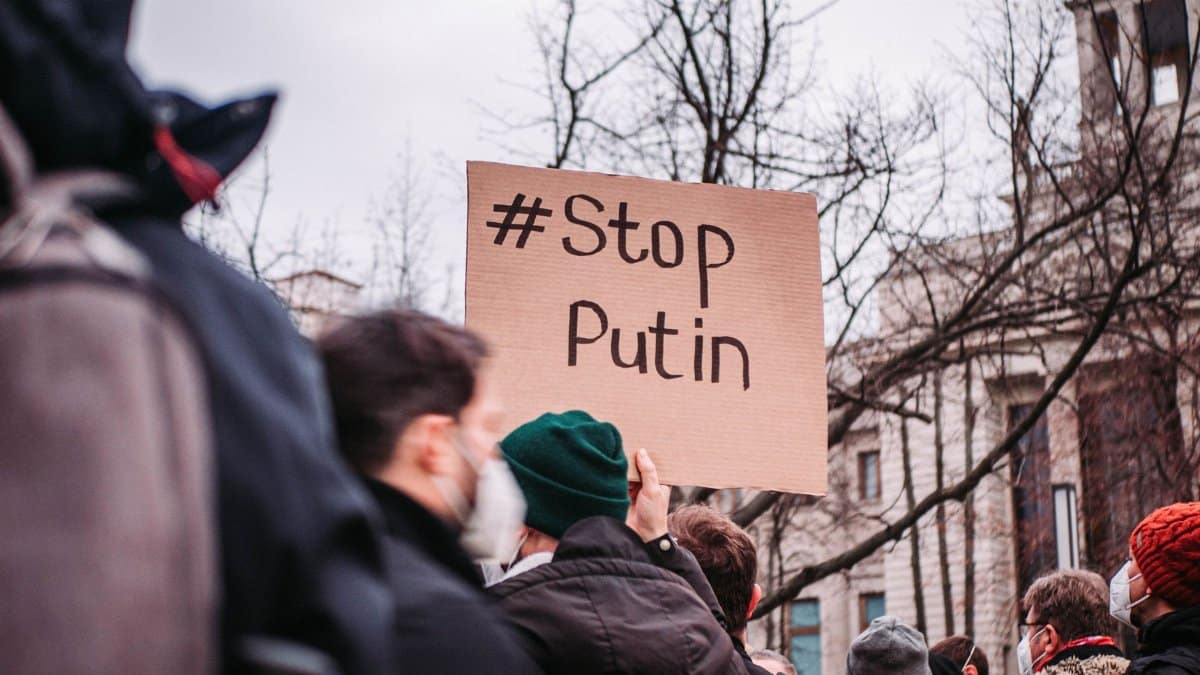
The phrase Levine Cava Putin invite has become shorthand for a larger dispute. President Donald Trump, preparing to host the Group of 20, signaled that Putin could be among the guests, with Trump National Doral floated as a possible setting. The summit itself is a rotating forum of major economies. Attendance lists are political documents. They announce who is inside the circle of respectable conversation and who remains outside it.
Levine Cava does not set that list. A county mayor cannot veto a federal invitation. What she can do is refuse the local blessing. In a region where exile politics often rewards toughness toward Havana, Caracas, and Managua, silence about Moscow would have been read as consent. Speaking out placed her against a president who treats personal rapport with strongmen as a form of statecraft.
Doral is not a neutral backdrop
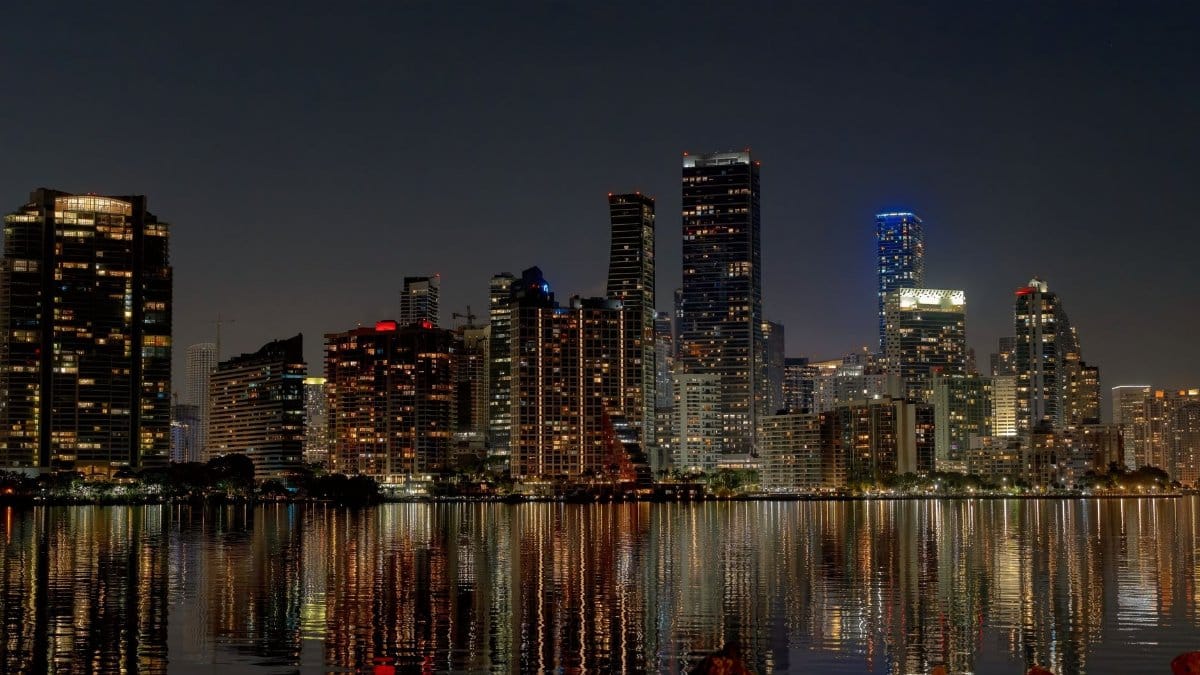
Doral sits west of the airport, a grid of warehouses, golf fairways, and immigrant ambition. Trump National Doral is a private resort with a public reputation, a place already woven into national arguments about the presidency and private business. Placing a summit there would fold protocol into a brand. For critics, that blend is the problem. A welcome is never only a chair at a table. It is photography, motorcades, local police overtime, and the impression that the host city has agreed to the guest.
Residents near the property know what a major event does to ordinary days. Roads close. Shifts lengthen for officers and hotel workers. Small businesses hope for a surge and fear a shutdown. Those practical burdens sit beside the symbolic one. A Ukrainian flag in a shop window and a Russian motorcade on the same avenue would not be a quirky contrast. They would be a wound made visible.
Ukraine still sits in the room
Any discussion of Putin in an American city now passes through the war in Ukraine. Cities have been shattered. Families have been split by conscription, exile, and graves. South Florida has taken in people who left that war with little more than documents and a phone full of photographs. To them, a red carpet is not an abstraction. It is a claim that the man associated with that destruction is a suitable guest of honor.
Levine Cava framed her criticism in that light, tying the proposed welcome to solidarity with Ukraine and to a broader refusal to normalize aggression. Supporters of engagement answer that summits exist precisely so adversaries can be confronted in person, that empty chairs do not stop missiles, and that a host who will not speak to rivals leaves the talking to others. Both arguments have a lineage in American diplomacy. The local question is narrower. Must Miami Dade pretend the guest is ordinary so that the photographs can be tidy?
Exile politics and a Democratic mayor
Levine Cava is a Democrat in a county that is politically mixed and culturally intense. Republican leaders in Florida have spent years defining themselves against socialism and against governments that jail opponents. Some of those same leaders have been quieter when the strongman in question is useful to a president they support. That tension is not new. It is simply harder to hide when the invitation is local.
Her critics can say she is performing for a base, or that county government should stick to transit, housing, and flood control. Housing and flood control are not small subjects in a place where rents climb and king tides rewrite streets. Yet a mayor is also a narrator of civic identity. When she says a welcome contradicts county history, she is claiming the right to interpret that history in public. Voters can accept or reject the claim. They cannot honestly call it outside the job.
Federal courtesy and local conscience
The United States government invites heads of state. Counties do not. That division of labor is real, and Levine Cava has not pretended otherwise. What she has challenged is the assumption that local institutions must supply cheer. Police cooperation, street closures, and official hospitality can be technically required while still being morally contested. A statement of opposition is a way of drawing that line without claiming powers she does not have.
There is precedent for cities resisting the theater of a visit. Protests greet leaders from many countries. What distinguishes this episode is the overlap of three facts: the guest is accused of launching a war of conquest, the proposed venue is tied to the American president’s private business, and the host county is dense with people who treat authoritarian guests as a personal insult. Remove any one of those facts and the story shrinks. Together they explain why a county press release became national news.
The G20 as stage and as ledger

The Group of 20 was built to manage economic crisis, not to settle wars. Finance ministers and central bankers still do much of the real work. Leaders use the plenary sessions for photographs and for bargains that rarely appear in the communique. Inviting Putin would test whether members are willing to sit beside a leader whose military has attacked a neighbor and whose government stands isolated from many Western capitals.
Trump has long argued that talking is better than freezing relations, and that personal chemistry can unlock deals others miss. His critics hear something else: a preference for strongmen, a discounting of alliances, and a willingness to launder reputations through proximity. The Levine Cava Putin invite debate sits inside that national argument, but it is voiced in the accent of a particular place. Here the discount is not theoretical. It is measured against cousins in Kyiv, against friends in Caracas, against parents who left Havana with a single suitcase.
What a contradiction with history means

History is not a single plaque. Miami Dade history includes segregation, exploitation of farm labor, spectacular growth, corruption scandals, and extraordinary generosity. Levine Cava selected one strand, the strand of refuge, and held a proposed welcome against it. That is a political choice, and an honest one if it is named as such. Refuge has never been distributed evenly. Some arrivals were embraced. Others were detained, stalled, or told to wait offshore. A mayor who invokes history should expect to be asked which chapters she is leaving out.
Even so, the selected strand is not invented. Walk Calle Ocho, or the Venezuelan corridors of Doral itself, and the politics of departure are on the walls. A community can be commercially pragmatic and still refuse to clap for certain guests. Commerce and conscience are not enemies. They become enemies only when one is ordered to impersonate the other.
Voices that are not the mayor
A mayor does not own the reaction. Ukrainian organizations, Cuban democracy activists, and Venezuelan opposition figures have their own reasons to object, and they do not always share a party or a theory of American power. Some want maximum isolation. Some want negotiations that do not require pretending the war is a misunderstanding. What many share is a suspicion of pageantry. They have seen dictators use summits as proof that the world has moved on.
Local Republicans who dislike Putin but support Trump face a sharper bind. They can argue that a summit invitation is not an endorsement, that allies will be in the room, and that Florida’s security relationship with Washington matters more than a statement from county hall. They can also admit that the pictures will travel farther than the footnotes. In modern politics, the picture is often the policy that people remember.
Money, security, and the ordinary week

Summits cost money. Federal agencies carry much of the security burden, yet cities and counties absorb disruption that never shows up cleanly in a reimbursement check. Officers are pulled from neighborhoods. Emergency rooms plan for the unlikely and the absurd. Small restaurants near a frozen perimeter lose a week of regulars. If Doral becomes the stage, those costs will be debated in budget hearings long after the motorcades leave.
Levine Cava’s argument is not primarily fiscal, but a responsible local leader cannot ignore the bill. The moral objection and the practical objection can travel together. A county can say both that it will meet its legal duties and that it will not dress those duties up as celebration. That distinction is easy to mock and hard to maintain. It is still worth maintaining, because language teaches people what their government thinks of them.
A spiritual question in a political fight

Readers who come to public life through faith may hear a familiar problem under the headlines. Hospitality is a virtue in many traditions. It is also a virtue with limits. Welcoming the stranger is not the same as honoring the powerful guest who has harmed other strangers. Congregations in Miami Dade have prayed for Ukraine, for political prisoners, and for families waiting on asylum decisions. A civic welcome that ignores those prayers asks believers to split their conscience from their zip code.
This is not a claim that county government should preach. It is a claim that political acts carry moral weather. When Levine Cava said a Doral welcome contradicts the county past, she was describing that weather. People of faith can disagree about the right response to Putin. They should not be told that the disagreement is merely procedural.
How the phrase will keep traveling

News moves, and so do slogans. The Levine Cava Putin invite will keep surfacing in searches, in campaign mail, and in arguments at family tables where politics is not a hobby. Trump’s allies will cast the mayor as a scold standing in the way of peace talks. Her allies will cast the invitation as a local humiliation. Between those poles are residents who want fewer speeches and more affordable rent, and who still flinch at the idea of applauding a wartime leader on a golf resort.
Journalists should resist both caricatures. Levine Cava did not seize foreign policy. She used the one instrument a mayor always has, a public account of what her community is willing to bless. Trump did not invent summit diplomacy. He chose a guest and a setting that force South Florida to look at itself. The resulting argument is messy because the county is messy, which is another way of saying it is alive.
What remains after the cameras leave

Whatever the final guest list, the episode will leave a residue. County officials will be asked, the next time a controversial figure passes through, whether they intend to speak or to hide behind jurisdiction. Exile communities will remember who treated their history as a prop and who treated it as a constraint. Workers at the resort and along the access roads will remember the week as overtime or as lost business, not as a seminar on international law.
There is a modest lesson in that residue. National leaders can invite whom they choose. Local leaders can decline to smile. Citizens can decide which of those acts matches the place they think they live in. In Miami Dade, that decision is never abstract. It is argued in Spanish, English, Haitian Creole, and Russian, sometimes at the same lunch counter. The Levine Cava Putin invite is one more chapter in that argument, and it will not be the last. A county that knows the cost of silence has reason to keep speaking, even when the motorcade is already on its way.