
The lights were still hard and white when the ball left Alec Bohm’s bat and a season that had looked finished found one more hour of life. In the tenth inning in Atlanta, with the score level and both clubs already spent, Bohm drove a pitch into the night and turned a near ending into a forced ending. Phillies Braves Game 3 is now the only contest that counts in this short series, a Thursday decider in which Aaron Nola and Zack Wheeler are both available and neither dugout can hide a tired arm. For anyone who does not live inside a box score, the meaning is plain. Two clubs that have circled each other for years get one night to decide which story continues.
A night that refused to end on schedule
Baseball loves to pretend it is orderly. Nine innings, three outs, a winner, a loser, a bus waiting outside. The game in Atlanta ignored that script. Extra innings do something strange to a crowd. Voices thin out, then surge again. People check the time and stay anyway. The Phillies did not steal the night so much as refuse to let it close. Bohm’s homer was the visible act, the one a replay can freeze, but it sat on top of a longer refusal: at bats that did not chase, defensive plays that did not blink, a bullpen that kept finding one more capable arm.
That is the part middle aged fans remember better than the kids in the stands sometimes do. October is not only youth and noise. It is also the ache of standing too long, the old habit of believing a game can turn after you have already composed the obituary. Atlanta had the home crowd and the chance to end it. Philadelphia had the last loud swing.
What one swing actually changed

A homer in the tenth does not rewrite a season by itself. It rewrites the calendar. Before Bohm connected, the Phillies were staring at an offseason that begins with questions about missed chances and a rivalry that would have to wait until spring. After the ball landed, those questions moved to Thursday. The Braves, who had every reason to believe the series could be closed at home, now have to win a game that carries the full weight of elimination for both sides.
There is a difference between a dramatic hit and a decisive one. This was both, and the distinction matters. Dramatic hits fill highlight shows. Decisive hits change travel plans, pitching plans, and the way a clubhouse talks to itself in the hours after. Players who were packing mental bags had to unpack them. Coaches who were choosing words of consolation had to choose words of instruction instead. That emotional whiplash is part of why short series feel cruel even when they are fair.
Why a winner take all game feels like a rite
People reach for religious language around sports because ordinary language runs out. A single game is not a sacrament, and no honest writer should pretend a ballpark is a church. Still, the gathering has a shape that older readers recognize. You show up with people you have known for years. You repeat phrases that would sound foolish in a grocery store. You wait through long stretches of nothing, convinced that attention itself might matter. When the ending comes, it feels larger than the people who produced it.
Phillies Braves Game 3 will draw that kind of attention because the format leaves no second chapter inside the series. A best of three that reaches the last game is no longer a sample. It is a verdict. One club advances. One club goes home. The sport will move on by the weekend. The people who live with the result will not.
The pitching puzzle neither manager can solve cleanly

The practical news is as stark as the emotional news. Nola and Wheeler are both available, which is another way of saying the Phillies have their two most trusted starters in reach for a night that will not offer a makeup date. Availability is not the same as freshness. Arms that have already worked in a short series do not become new because a schedule says they might be needed. Managers talk in probabilities. Fans hear destiny. The truth sits somewhere between a sore shoulder and a belief that the right man can still find the strike zone when the park is loudest.
Atlanta has its own version of that puzzle. A home club that fails to close does not get to mourn in private and then reset. It has to name a plan before the disappointment has even cooled. Matchups that looked clever on paper two days ago may look different after extra innings and a late homer. The brave choice is not always the famous name. Sometimes it is the pitcher whose stuff still moves, even if his résumé is shorter. Sometimes it is the famous name anyway, because the moment is too large for a hedge.
How these clubs learned to haunt each other

Rivalries are not born in a single October. They accumulate. The Phillies and the Braves have spent recent years colliding in the same narrow part of the schedule, where one club’s good week is the other club’s bad memory. Philadelphia’s rise from a long rebuild gave the rivalry a new edge. Atlanta’s run of division titles gave it a standard. Each fan base can recite the other’s sins with the precision of a family argument. That memory is a kind of fuel. It also makes a single loss feel personal in a way a random midsummer defeat never does.
For readers outside the region, the names can blur. For readers inside it, they do not. A Braves fan in the suburbs of Atlanta and a Phillies fan on a train into Center City are not watching the same neutral event. They are watching a story they have already been telling at dinner tables. Phillies Braves Game 3 is the latest chapter, not the first, which is why the stakes feel inherited as well as earned.
Atlanta after the homer
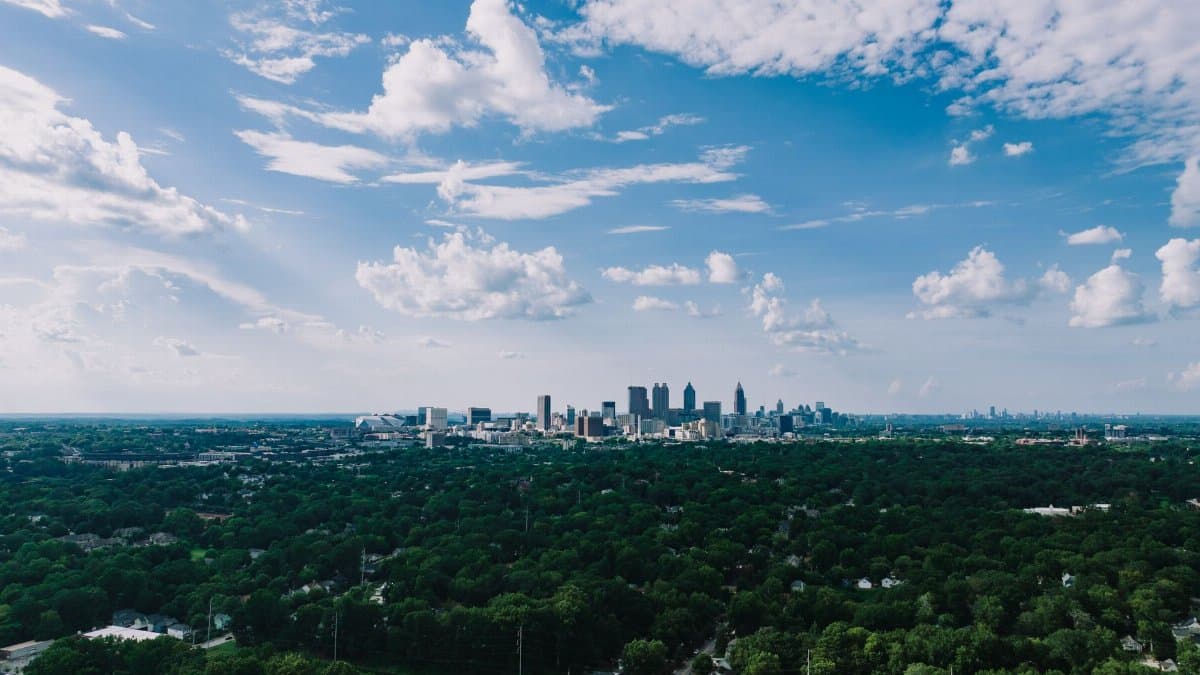
Home field is supposed to be a comfort. On a night like the one Bohm ended, it can feel like a witness. The crowd that arrived ready to celebrate a series win had to sit with the opposite feeling: the visitors jogging, the home team walking off, the season suddenly thinner. Ballparks are designed to hold joy. They hold silence just as well, and the silence after a late homer is a particular kind. It is not empty. It is full of recalculation.
Atlanta is a baseball city that has known both parade routes and hard endings. That history does not make the next game easier. It does make the crowd literate. People in those seats understand what a decider asks. They will be loud again on Thursday because loud is one of the few things a fan can still contribute once the lineup is posted. Belief, in that setting, is less a mood than a discipline.
What the Phillies carry north in their heads

Winning on the road in extra innings does not grant immunity. It grants a ticket. The Phillies will hear, correctly, that they seized the moment. They will also know that the moment has to be seized again, against a club that does not require a lecture on urgency. Bohm’s homer will travel with them as proof that the lineup can still punish a mistake. It should not travel as a promise that the next mistake will be punished the same way. October punishes teams that treat one swing as a personality.
There is a quieter lesson in how the game reached the tenth at all. Survival in a short series is a collective craft. It is the unspectacular out, the first pitch strike, the relay throw that arrives on time. Those acts do not get their own headlines, and they should not be romanticized into myth. They are simply the reason a hero gets a chance to be one. Any honest preview of Thursday has to hold both ideas at once: individual talent matters, and it does not arrive alone.
The narrow math of a three game series
A three game set is a poor instrument for measuring a six month season, and everyone in the sport knows it. That is also why it fascinates. The sample is too small to be just. The consequence is too large to be ignored. A club can outplay another for half a year and still go home because two nights went wrong. A club can look ordinary in August and undeniable in the first week of October. The format does not apologize. It sorts.
Phillies Braves Game 3 exists because the first two games failed to produce a sweep. That sentence sounds obvious until you sit with it. Each previous game now functions as evidence that both sides can win and both sides can lose. There is no remaining illusion that one club is simply better in every condition. The decider will not settle that larger argument forever. It will settle the only argument the bracket cares about.
Managers, matchups, and the fear of the wrong rest

In the day before a final game, managers become translators. They translate soreness into availability. They translate scouting reports into a batting order that might last four innings before it has to change. They translate a clubhouse mood into something that looks like calm on a pregame show. None of that work is visible in the way a homer is visible, yet it decides who is standing on the mound when the first pitch is thrown.
The presence of Nola and Wheeler on the available list gives Philadelphia a kind of public confidence. It also creates a public argument. Use the horse who has carried you for years, or the horse whose recent form looks cleaner. Save nothing, because there is nothing after this. Those are not mystical questions. They are workload questions with mystical consequences. Atlanta’s staff will be having the mirror conversation, with the added pressure of having just watched a late lead, or a late tie, slip away at home. The best plan is the one that still has stuff at the ninetieth pitch, not the one that sounds bravest in a meeting.
Fans who keep score in memory
There is a generation of fans, the ones this piece is really for, who do not need a graphic to explain why Thursday matters. They have sat through enough almosts. They know the feeling of a radio in a kitchen, a television too loud in a living room, a text from a sibling that arrives before the replay does. They also know that attaching moral worth to a baseball result is a mistake. A loss does not indict a city. A win does not purify one. The emotion is real anyway.
That is the useful tension. You can refuse the cheap sermon and still admit that people arrange their weeks around these games. They take off work. They call parents. They stay up later than their bodies prefer. If there is a spiritual trend hiding inside a sports story, it is not that baseball has replaced faith. It is that communal attention has become rare, and a winner take all game still creates it without asking anyone to pretend the stakes are eternal.
What Thursday cannot promise

No preview should sell certainty. Bohm may go quiet. A starter may labor in the second inning. A defensive play may hand the game to the club that did not deserve it on paper. The Braves may look like the more complete team for nine innings and make the tenth inning in Atlanta feel like a delay rather than a turn. The Phillies may look exactly like a club that has learned how to win when the margin is one swing. Both outcomes are available. That is the point of playing.
What can be said cleanly is smaller and sturdier. The homer happened. The series did not end. The two best known Phillies starters are in the conversation for a night that ends a season for someone. Atlanta will be full. Philadelphia will be watching from every room that has a screen. Phillies Braves Game 3 will not reveal the meaning of a life, a city, or a summer. It will reveal which club gets to keep playing, and for the people who have followed this rivalry through ordinary Tuesdays and impossible Octobers, that is already enough to stay until the last out.
The last quiet hour before the noise
There is always a stretch, late on the day before, when the story goes still. Batting practice has not started. The essays have been written. Players who will be asked to explain the moment are still trying to sleep. In that hour the game is only a plan. Then the gates open, and the plan meets a crowd that has been rehearsing hope and dread in equal measure.
When the first pitch is thrown, the tenth inning in Atlanta will already be yesterday. That is how fast this sport moves, and how slowly it lives in the people who care about it. A winner will be forced. A loser will be forced. The rest of us will have the smaller task of remembering how it felt when the season, for one more night, refused to be over.