
On a weekday morning outside McKinney City Hall, volunteers spoke as if a stack of paper could reset the direction of local government. They said the packets in their hands carried more than 6,500 names, enough in their view to force voters to decide the future of four sitting members. The claim, now moving from parking lot conversations into a formal review, is the latest turn in the McKinney council recall, a fight that has drawn neighborhood captains, skeptical residents, and a city staff that must count rather than campaign.
A stack of names and a public claim

Organizers have said the packets contain more than 6,500 names and that those names meet the mark required to move the effort forward. That sentence is a claim, not a certified result. In municipal politics the difference matters. A volunteer can believe a signature is valid because a neighbor signed in good faith. A clerk must ask a narrower question: is this person a registered voter in the right place, and is the form complete under the rules the charter sets. Until that review ends, the number is a political fact and a legal question at the same time.
The Dallas Morning News has reported the organizers assertion that they cleared the signature mark. Residents who never saw a clipboard are now being asked to treat that assertion as the start of a process, not the end of one. Campaigns live on momentum. City halls live on procedure. The next several weeks will test which habit the public trusts more.
Four seats and a single civic argument

The effort targets four council members, not the entire governing body and not, on the facts organizers have put forward in public summaries, every official who sits at the dais. That choice shapes the argument. A recall aimed at a whole council reads as a revolt against the institution. A recall aimed at four members reads as a judgment on particular votes, particular temperaments, or a particular bloc. Supporters say those members no longer hold the confidence of the people who elected them. Critics answer that disagreement over development, spending, or tone is the ordinary work of a council, not grounds to shorten a term.
Because the targets are multiple, the McKinney council recall also becomes a test of message discipline. One grievance may animate a precinct near a new subdivision. Another may animate voters angry about a budget vote or a zoning fight. Petitions can gather those frustrations into one stack of paper. A ballot, if it comes, will split them apart again, name by name.
From clipboard to city secretary

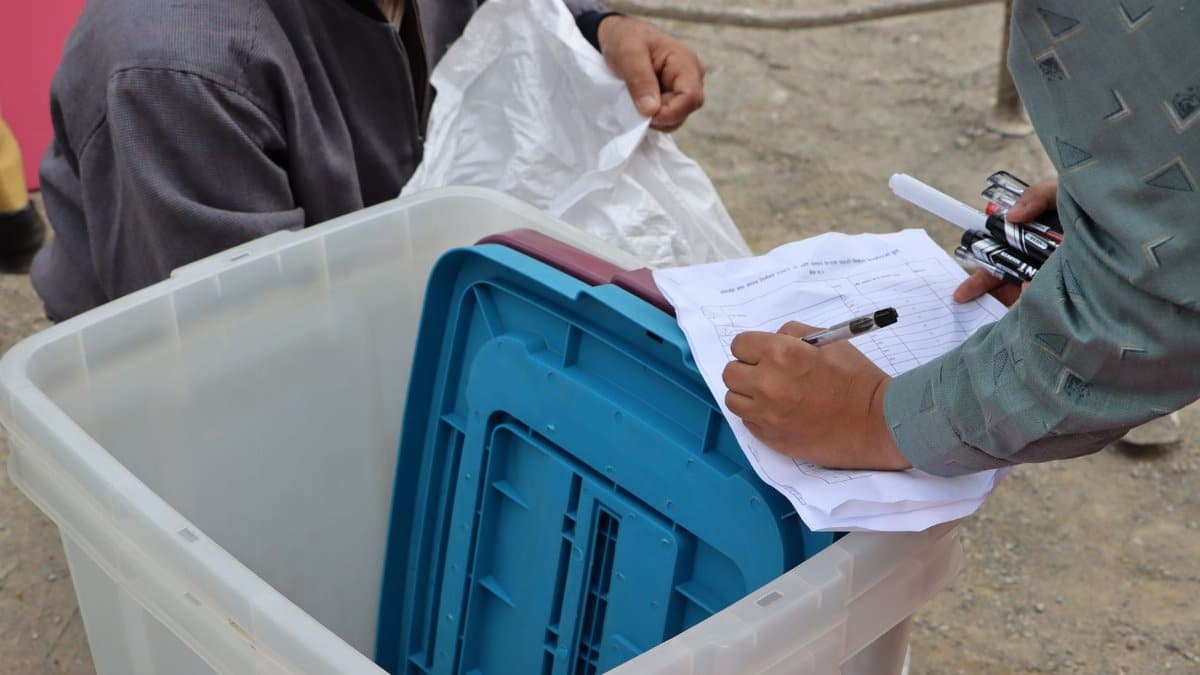
Signature gathering is the visible half of a recall. Verification is the half that decides whether the visible half counted. In Texas cities, petitions typically land with the city secretary, who checks names against the voter roll, looks for duplicates, and applies the technical rules written into the charter. A missing date, a signature from someone who moved, or a name that does not match the roll can turn a confident volunteer total into a smaller official total.
That is why organizers speak in round confidence and lawyers speak in margins. Campaigns often collect more names than the minimum because they expect attrition. If the surplus is thin, a few hundred rejected lines can decide the fate of the entire filing. If the surplus is wide, the review becomes a formality with political consequences rather than a coin toss. Outsiders cannot know which story this is until the city publishes a count.
What enough signatures actually means
Enough is not a feeling. It is a formula, and the formula lives in local law. Charters commonly tie the requirement to a share of registered voters or to turnout in a recent municipal election. The percentage can look modest on a flyer and severe on a spreadsheet, because municipal elections in growing suburbs often draw a smaller slice of the electorate than presidential years. A threshold built on a low turnout contest can still demand thousands of valid names.
Residents hearing more than 6,500 should ask two follow up questions before they treat the figure as destiny. First, is that a raw count or a count already scrubbed of obvious errors. Second, what number does the charter actually require for each office, or for the petition as structured. Organizers say they have cleared the mark. The city has the job of saying whether the mark and the pages agree.
The question a ballot would put to voters
If the signatures hold, the city would not be voting on a new master plan or a bond. It would be voting on people. Recall ballots ask a blunt question: shall this officer be removed. Some charters then fill the seat at the same election. Others send the vacancy back to the remaining council or to a later contest. The mechanical detail matters, because voters who want a different policy still have to imagine who would hold the seat on the morning after a successful recall.
That is the hard civic arithmetic. Removing a member does not automatically install the volunteer who carried the clipboard. It opens a door. Who walks through depends on election timing, on who files, and on whether the same coalition that signed petitions can turn out on a day that may not look like November. Special elections have a way of rewarding the already organized.
Neighborhood rooms and quiet pressure
Most of this fight will not happen at a microphone. It will happen at kitchen tables, in church fellowship halls where people already know one another, and in group texts that never make a public agenda. McKinney is large enough to have distinct neighborhoods and small enough that reputations travel. A resident who signs a petition may later see the targeted member at a school event. A resident who refuses may be asked, politely and then less politely, to explain why.
Those rooms are where a recall either becomes a community argument or curdles into a personal one. People of faith in a city full of congregations often describe public life as a matter of conscience as well as preference. Conscience is not a substitute for evidence. It does shape how neighbors talk about removal, loyalty, and the duty to stay in a conversation after the petitions are boxed. The tone set now will outlast the tally.
Growth and the strain on trust

McKinney has spent years absorbing the kind of growth that remakes a suburb. New rooftops bring new students, new traffic, and new arguments about what the city owes the people who arrived last year and the people who have lived here for decades. Councils in that position make choices that please one map and anger another. It would be a mistake to pretend every signature in the McKinney council recall traces to a single zoning case. It would also be a mistake to ignore growth as the weather system around local politics.
Trust frays when residents feel that hearings are theatrical and decisions are settled before the microphone opens. It also frays when opponents treat every compromise as betrayal. A recall is a lawful tool in cities that provide for it. It is also a blunt one. Used against a pattern of misconduct, it can restore confidence. Used as the next step after a lost vote, it can teach officials to govern for the loudest precinct rather than for the whole map.
How officials answer while the count proceeds
Targeted members face a narrow path. If they campaign too hard before the signatures are certified, they look as if they fear the count. If they stay silent, organizers fill the silence. The sound course is usually the least dramatic: keep showing up for posted meetings, answer questions about the record, and decline to litigate the petition in every hallway. Voters can read a public record. They cannot read a strategy memo.
Allies of the members will likely argue that removal midterm punishes officials for decisions made in open session, and that the remedy for a bad vote is the next regular election. That argument has force in a system built on fixed terms. It has less force if residents believe the members stopped listening. The review period is awkward precisely because both stories can be told before either is tested at the polls.
What other Texas recalls suggest
Texas has seen recall drives that roared in the press and died in the clerk office, and others that reached a ballot and then failed to persuade a wider electorate than the people who signed. The pattern is instructive. Petition energy is concentrated. Election energy is diffuse. A coalition that can find 6,500 willing signers has proved organization. It has not yet proved a majority of the people who will bother to vote when removal is the only question on the table, or one question among several.
Cities that have walked this road also show the cost in time. Staff hours go to verification. Legal counsel reviews forms. Regular business continues, but it continues under a cloud. Developers, neighborhood groups, and city employees all wait to learn whether the people across the table will still be there in a season. Uncertainty is not a scandal. It is a tax that recalls impose even when they are conducted by the book.
If the pages fall short

A shortfall would not erase the political message. It would change the venue. Organizers who miss the mark can still recruit candidates, pack hearings, and treat the next regular election as the unfinished sentence of the petition drive. Members who survive a failed filing can still be wounded if the raw number of signers is large enough to signal a restless base. Certification is a legal gate. It is not the only measure of discontent.
Residents should also watch for procedural fights that have little to do with the merits. Challenges to forms, deadlines, and circulator affidavits are part of this terrain across the country. Some challenges protect voters from sloppy or misleading petitions. Some are delay dressed up as principle. A city does itself a favor when it explains each ruling in plain language, with the charter section attached, so that neither camp can claim the count was a private mystery.
A city waiting on arithmetic
For now the honest headline is the one organizers have already spoken: they believe they have enough names. Belief is the start. Arithmetic is the test. McKinney residents who care about the outcome, including those who have no affection for recall politics, have a stake in a review that is slow enough to be careful and public enough to be believed. A growing city can survive a sharp election. It has a harder time surviving a result that half the town thinks was engineered in a back office.
The McKinney council recall will be remembered less for the first press statement than for what follows the statement. If the signatures hold, four members will have to ask voters for permission to finish work the voters already assigned them. If the signatures fail, the organizers will have to decide whether their case was about paper or about persuasion. Either way, the city is being asked a question older than this petition: when does disagreement become a reason to start over, and who gets to say.